[Lhasa Seven-Day Tour] Yaowang Scenic View + Explore Mystical Nam-Tsho
1 cities |
7 attraction(s) |
total distance 264
km
 TIPS
TIPS
Day1
Day2
Day3
Day4
Day5
Day6
Day7
Day1: Lhasa
1 attraction(s) ·
0 km
1
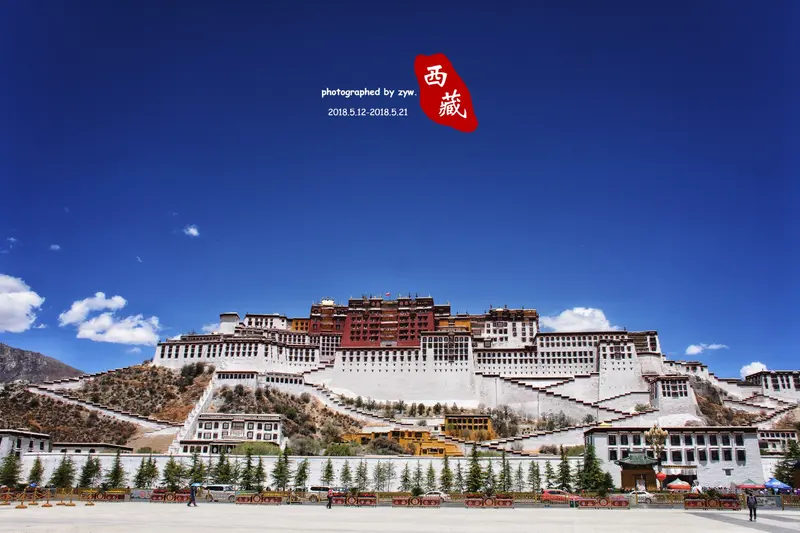
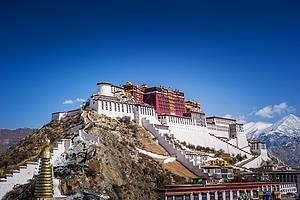
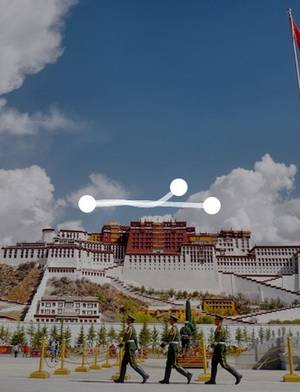
The most important symbol of Tibet and the world's highest and grandest palace is the Potala Palace. The name "Potala" comes from Sanskrit and is sometimes translated as "Potalaka," which refers to the dwelling place of Avalokitesvara, making it a sacred site for pilgrims.
The palace consists of the Red Palace and the White Palace, with the highest point being the Red Palace, which is an important location for religious ceremonies. The White Palace is mainly used as the residence of the Dalai Lama. The palace houses many relics such as stupas, statues, murals, thangkas, and religious texts. The most notable are the eight stupas built by the Dalai Lamas since the fifth.
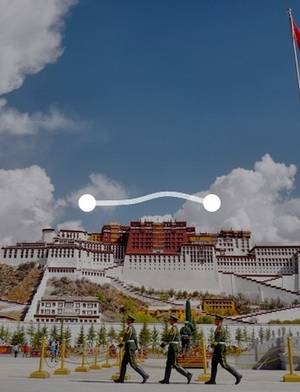
To capture the beauty of the Potala Palace, one can visit the viewing platform on the southwest side of Yaowang Mountain, the lakeside of Zongjiao Lukang Park, or one of the three filming locations at the Potala Square.
Day2: Lhasa
2 attraction(s) ·
1 km
1
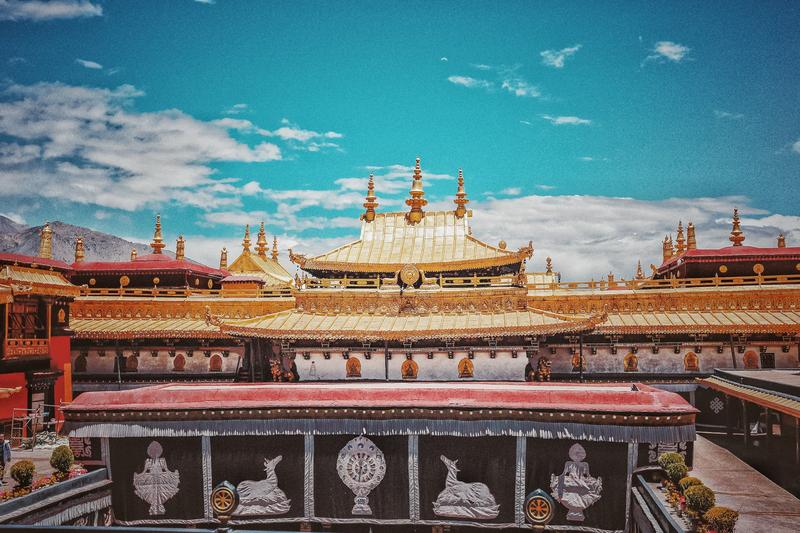
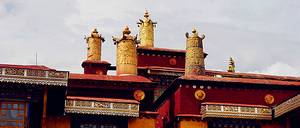
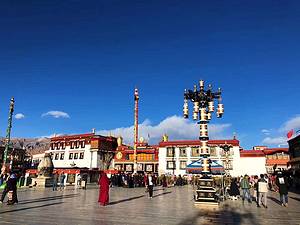
Jokhang Temple is a highly revered site in Tibetan Buddhism, with its Tibetan name "Jokhang" considered to hold the same level of importance as the Potala Palace. The temple was built during the time of Songtsen Gampo to commemorate the arrival of Princess Wencheng in Tibet, and is considered a symbol of Lhasa's historical and cultural significance. One of the most notable attractions is the twelve-year-old Shakyamuni Buddha statue brought by Princess Wencheng upon her arrival, which is one of the reasons why Lhasa is known as a "sacred place". Visitors can also climb to the third floor platform to enjoy the spectacular view of the Potala Palace and Jokhang Temple Square. The annual Butter Lamp Festival on the fifteenth day of the Tibetan New Year and the auspicious Palden Lhamo Festival on the fifteenth day of the tenth month of the Tibetan calendar are the most lively times for Jokhang Temple and Barkhor Street.
1
km
2
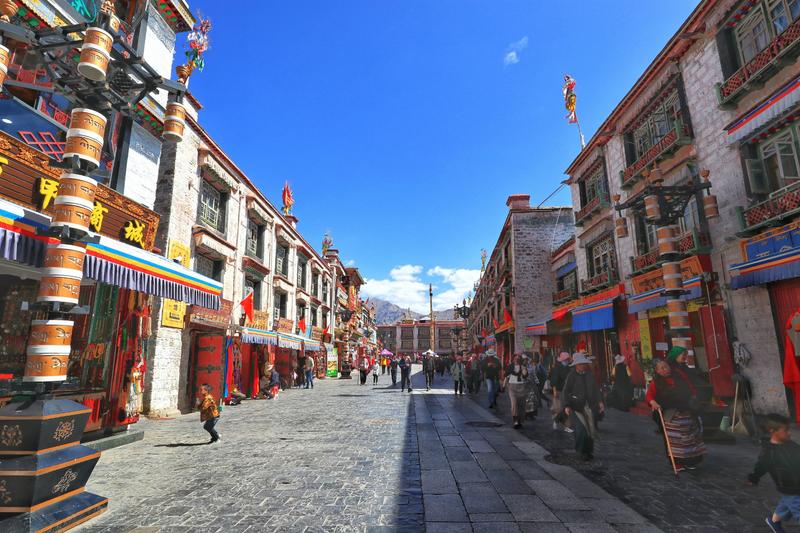
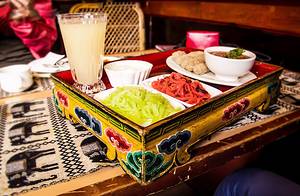
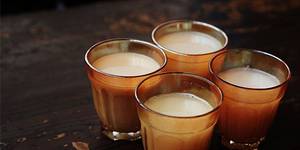
Barkhor Street, also known as "Eight Corners Street", is located in the old city of Lhasa and is the most famous commercial center and traditional pilgrimage route in the area. Many Tibetans still pray on the street to express their piety. The shops on both sides of the street mainly sell various Tibetan costumes, handicrafts, as well as goods from India, Nepal and other places. At the same time, Barkhor Street is also a food destination, with many famous restaurants in Lhasa, such as Majiami, Linxia Flavor King, Guangming Port Qiong Sweet Tea House, and so on.
Day3: Lhasa
1 attraction(s) ·
0 km
1
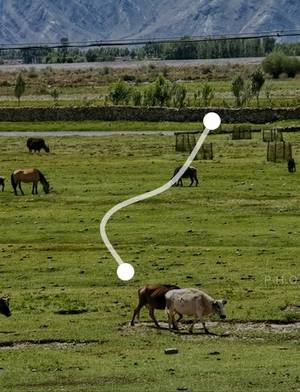
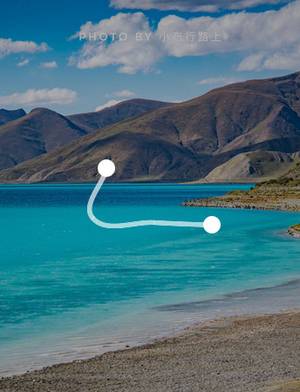
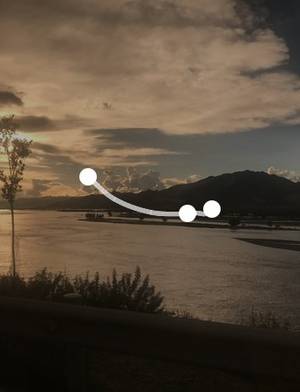
Nam Co is the third largest saltwater lake in China and the highest saltwater lake in the world. It is considered a sacred place for pilgrims. Countless pilgrims have come from near and far throughout history. The five islands in the lake are regarded as the embodiment of the Five Dhyani Buddhas, and are a sacred destination for devout men and women. Every Year of the Sheep in the Tibetan calendar, the Buddhas, Bodhisattvas, and Dharma protectors gather at Nam Co to hold a grand religious assembly. Followers flock to the lake in the hopes of receiving blessings from the deities.
Day4: Lhasa
1 attraction(s) ·
0 km
1
Nam Co is the third largest saltwater lake in China and the highest saltwater lake in the world. It is considered a sacred place for pilgrims. Countless pilgrims have come from near and far throughout history. The five islands in the lake are regarded as the embodiment of the Five Dhyani Buddhas, and are a sacred destination for devout men and women. Every Year of the Sheep in the Tibetan calendar, the Buddhas, Bodhisattvas, and Dharma protectors gather at Nam Co to hold a grand religious assembly. Followers flock to the lake in the hopes of receiving blessings from the deities.
Day5:
0 attraction(s) ·
0 km
Day6: Lhasa
2 attraction(s) ·
9 km
1
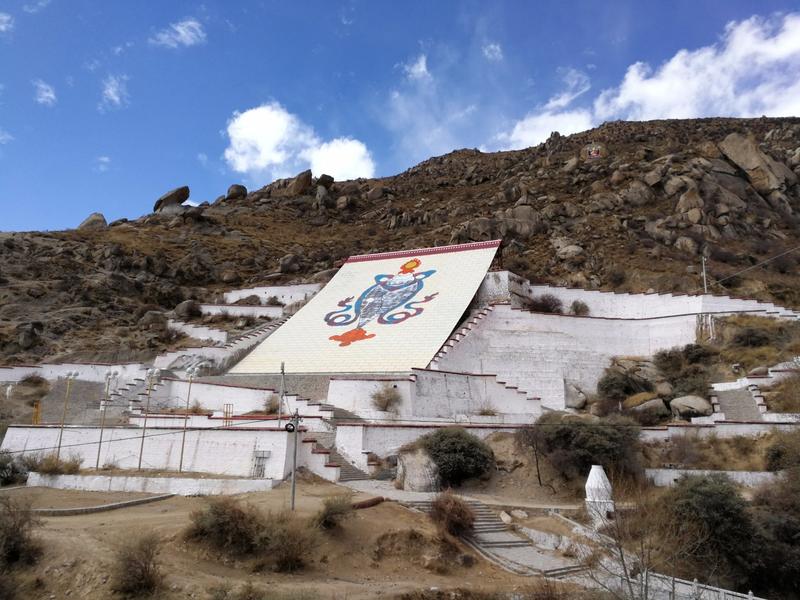
Zhebang Temple is named after the white buildings covering the hillside, resembling a huge pile of rice when viewed from afar. There are many famous buildings in the temple, such as "Gandan Puzhang" and "Cuochin Hall", as well as the Four Great "Zacang" and Kang Village. Among them, the grand-scale debating ceremony is a must-see, where monks perform exaggerated movements and debate the scriptures in pairs, making for a very interesting scene.
9
km
2
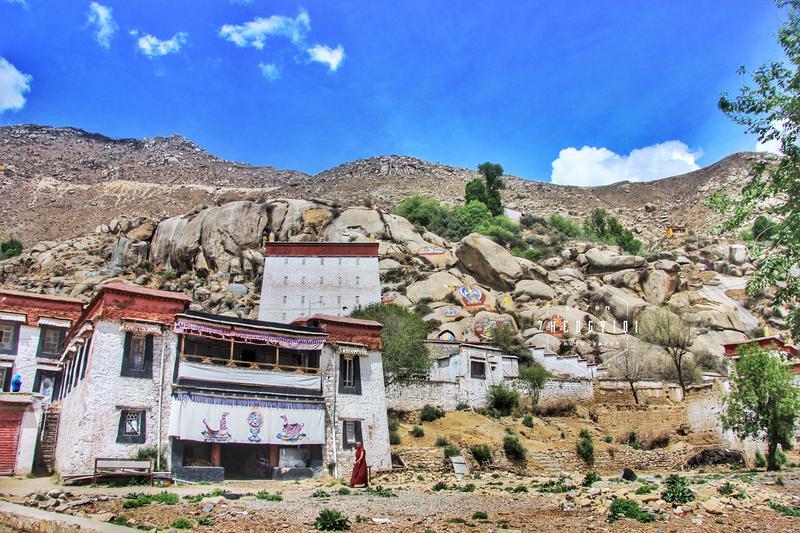
The three major monasteries in Lhasa include the Sera Monastery, the Drepung Monastery, and the Ganden Monastery, and Sera Monastery is the latest one built. The famous debating ceremony is held here, attracting many tourists to come and watch.
The debating ceremony is usually held at the debating field located at the north side of the monastery, and tourists need to arrive early to grab a good spot.
Many of the main halls in Sera Monastery still preserve ancient frescoes, and visitors are advised to bring a flashlight or headlamp to better enjoy them.
The monastery also houses over ten thousand statues of Vajrayana Buddha, some of which were made locally, while others were brought from the mainland or India.
Day7: Lhasa
1 attraction(s) ·
0 km
1

Founded in the 7th century, this Buddhist temple features both Tibetan & Han Chinese architecture.