Explore Tibet: Scenery & Culture
2 cities |
14 attraction(s) |
total distance 1087
km
 TIPS
TIPS
Day1
Day2
Day3
Day4
Day5
Day6
Day7
Day1: Lhasa
3 attraction(s) ·
2 km
1
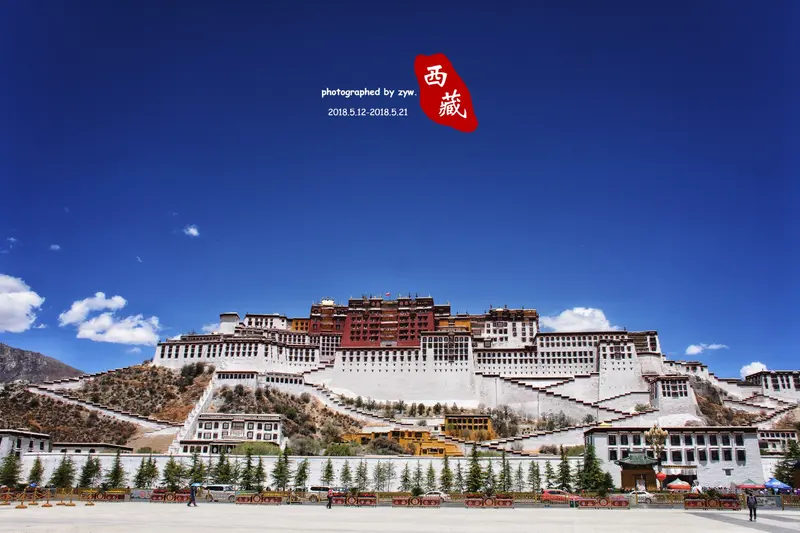
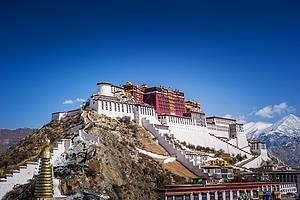
The most important symbol of Tibet and the world's highest and grandest palace is the Potala Palace. The name "Potala" comes from Sanskrit and is sometimes translated as "Potalaka," which refers to the dwelling place of Avalokitesvara, making it a sacred site for pilgrims.
The palace consists of the Red Palace and the White Palace, with the highest point being the Red Palace, which is an important location for religious ceremonies. The White Palace is mainly used as the residence of the Dalai Lama. The palace houses many relics such as stupas, statues, murals, thangkas, and religious texts. The most notable are the eight stupas built by the Dalai Lamas since the fifth.
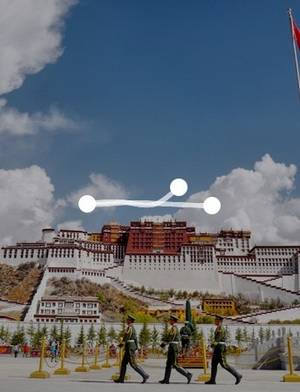
To capture the beauty of the Potala Palace, one can visit the viewing platform on the southwest side of Yaowang Mountain, the lakeside of Zongjiao Lukang Park, or one of the three filming locations at the Potala Square.
2
km
2
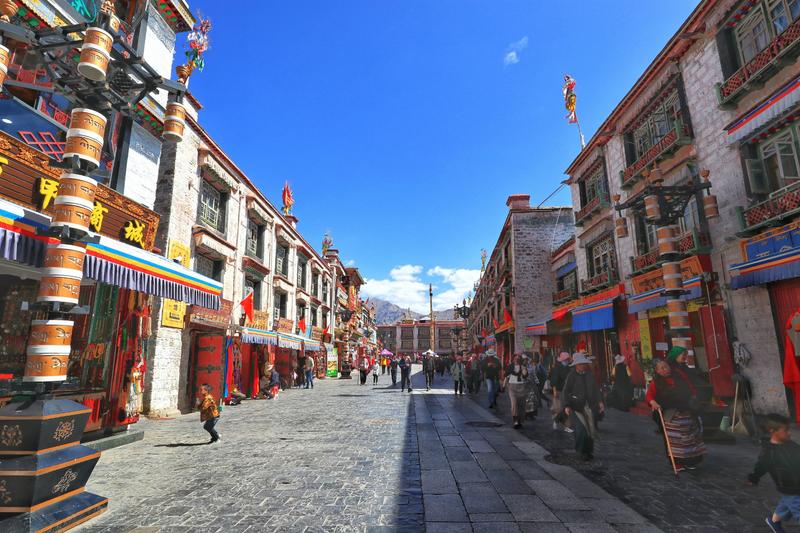
Barkhor Street, also known as "Eight Corners Street", is located in the old city of Lhasa and is the most famous commercial center and traditional pilgrimage route in the area. Many Tibetans still pray on the street to express their piety. The shops on both sides of the street mainly sell various Tibetan costumes, handicrafts, as well as goods from India, Nepal and other places. At the same time, Barkhor Street is also a food destination, with many famous restaurants in Lhasa, such as Majiami, Linxia Flavor King, Guangming Port Qiong Sweet Tea House, and so on.
1
km
3
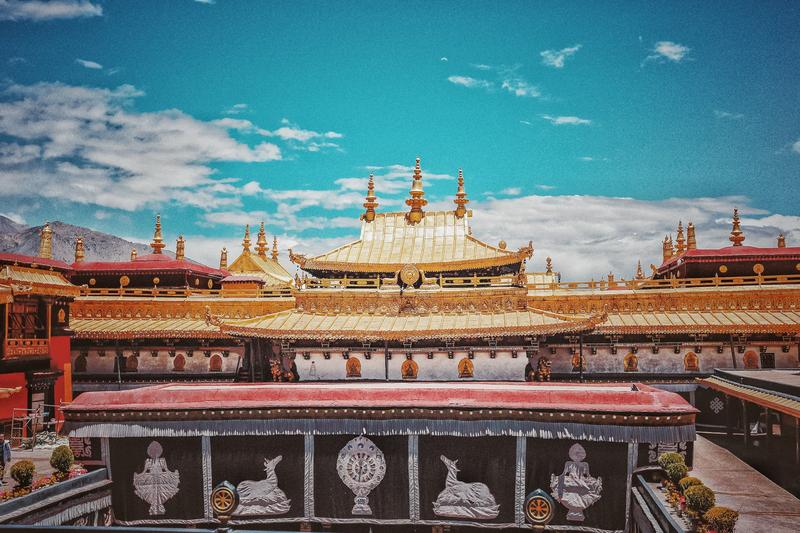
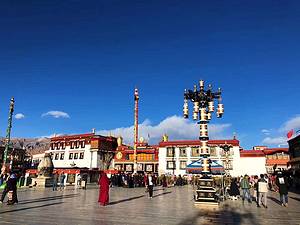
Jokhang Temple is a highly revered site in Tibetan Buddhism, with its Tibetan name "Jokhang" considered to hold the same level of importance as the Potala Palace. The temple was built during the time of Songtsen Gampo to commemorate the arrival of Princess Wencheng in Tibet, and is considered a symbol of Lhasa's historical and cultural significance. One of the most notable attractions is the twelve-year-old Shakyamuni Buddha statue brought by Princess Wencheng upon her arrival, which is one of the reasons why Lhasa is known as a "sacred place". Visitors can also climb to the third floor platform to enjoy the spectacular view of the Potala Palace and Jokhang Temple Square. The annual Butter Lamp Festival on the fifteenth day of the Tibetan New Year and the auspicious Palden Lhamo Festival on the fifteenth day of the tenth month of the Tibetan calendar are the most lively times for Jokhang Temple and Barkhor Street.
Day2: Lhasa > Nyingchi
2 attraction(s) ·
365 km
1

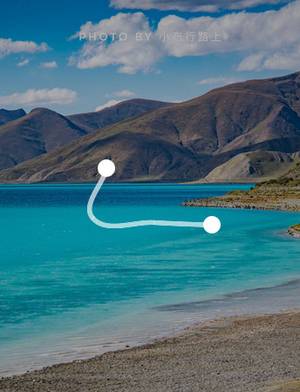
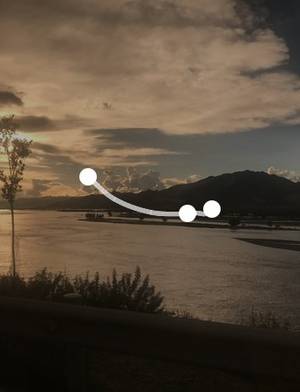
Located in the Tibetan language, "Basongcuo" means "green water." Basongcuo is a famous sacred lake of the Tibetan Buddhism. Every year on April 15th, or around June 1st, locals come here to do a lake circuit.
In the heart of Basongcuo, there is Zaxi Island, which can be reached by sightseeing cruise. The Tsogkaba Temple on the island is a famous Red Sect temple, built in the late Tang Dynasty. There are wooden carvings of male and female genitalia on both sides of the temple's entrance, which represents the god of reproduction and is the protector deity of the plateau residents, blessing them with health and happiness.
Basongcuo also offers excellent conditions for outdoor hiking and camping. Visitors can choose to stay by the lake or camp overnight.
365
km
2
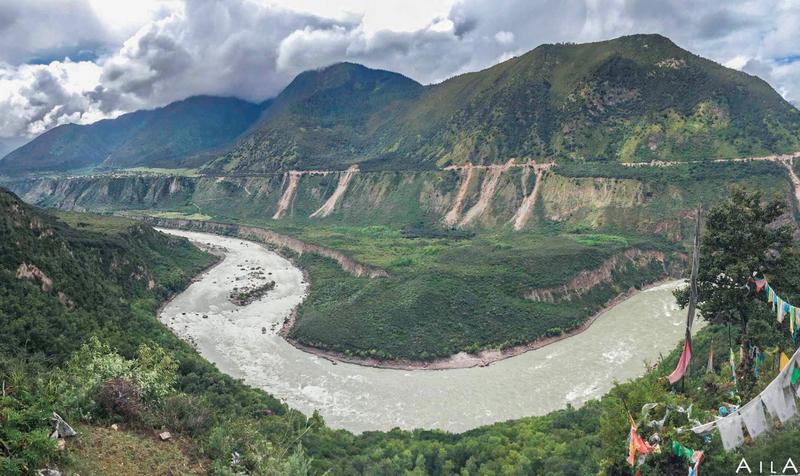
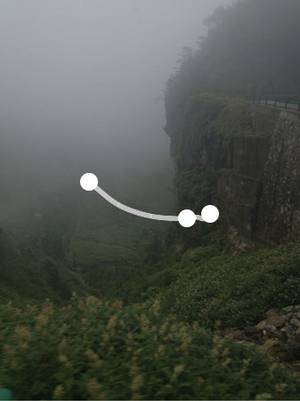
The world's largest canyon is a natural geological museum and a paradise for various plants and animals, where visitors can experience primitive culture and scenery. There are many different viewing and photography points in this area, making it one of the best places to see Mount Namjagbarwa. In mid to late March every year until early May, the canyon is filled with blooming century-old peach blossoms, which is spectacular. Early May and early October are the best hiking seasons. There are many Guibu Tibetan villages scattered throughout the canyon, where traditional ways of life are still preserved almost unchanged.
Day3: Nyingchi
2 attraction(s) ·
54 km
1

The Luorong Alpine Meadow is located about 80km east of Bayi Town in the Nyingchi region on the Sichuan-Tibet Highway, at an altitude of 3700m. It is a typical high-altitude mountain meadow, surrounded by shrubs and dense spruce and pine trees on both sides of the green mountains. The main tree species are oak, and in the middle of the meadow, there is a neat and orderly grassland with winding streams. In addition, a large number of birds inhabit here. From mid-April to early June each year, thousands of wild flowers bloom, with clouds and mist drifting in between the mountains. The snow-capped mountains, forest, and countryside paint a tranquil and beautiful "mountain dwelling picture".
54
km

Day4: Nyingchi > Lhasa
2 attraction(s) ·
210 km
1

The Niyang River Scenic Area is located in Nyingchi Region, Tibet, China, combining magnificent natural scenery with profound cultural heritage. Its beauty has been described as "one of the most beautiful canyons in the world" and "one of the representatives of Shangri-La".
About a 20-minute drive south from Nyingchi City, you can reach the southern gate of the Niyang River Scenic Area. Looking up, you can see green mountains and trees, drifting white clouds, and ahead is the winding Niyang River. In the sunlight, the river appears crystal clear, flowing like a green jade belt through the city.
Along the riverbank, there is a thousand-year-old ancient bridge, one of the main transportation tools connecting both sides of the Niyang River and an important cultural heritage of the area. Exploring this ancient bridge allows you to experience the blend of modernity and tradition, as well as the simplicity, resilience, and vicissitudes it represents.
On the other side of the Niyang River is a mysterious and magnificent gorge. Here, you can escape the hustle and bustle of the city and appreciate the natural scenery of the northern peaks, the southern cliffs, the flowing river, and the fog-covered atmosphere. If you enjoy traversing forests, climbing mountains, and rock climbing, this is also a great destination for your journey. Passing through the river valley, you can also reach the most famous attraction, the "Flying Lion Gorge".
In addition, the Niyang River Scenic Area offers numerous water-based recreational activities such as drifting and kayaking, providing visitors with a new and exciting exploration experience. The annual "Niyang River Drifting Festival" is also a highlight, attracting a large number of domestic and foreign tourists to participate in and enjoy the event.
Overall, the Niyang River Scenic Area is a vibrant and lively place, offering visitors a plethora of natural, cultural, and recreational activities, allowing every traveler to find their own enjoyment. At the same time, visitors also need to cherish the environment and cultural heritage of the Niyang River to ensure that this beautiful place can maintain its ultimate beauty and value for a long time.
210
km
2
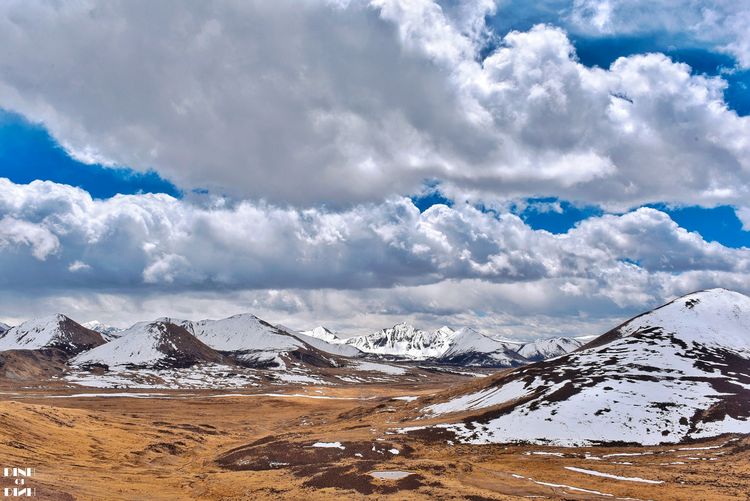
Mila Mountain Pass is located in the Gongbu Jiangda County of Lhasa and Nyingchi in Tibet, with an altitude of 5013 meters and perennial snow, preserving ancient glacier relics. Colorful prayer flags cover the mountainside, connecting the ground to the sky, creating a spectacular view. It is an important boundary mountain for the topography on the east and west sides of the Yarlung Zangbo River valley, with arid and cold conditions on the west side and warm and humid conditions on the east side, resulting in flourishing vegetation. Mila Mountain Pass is a must-visit destination on the Lhasa to Nyingchi tourism route and the essential route for cycling the Sichuan-Tibet Highway, serving as the last high mountain before reaching Lhasa. It is an excellent rest stop that leaves people breathless.
Day5: Lhasa
1 attraction(s) ·
0 km

Day6: Lhasa
2 attraction(s) ·
21 km
1
Nam Co is the third largest saltwater lake in China and the highest saltwater lake in the world. It is considered a sacred place for pilgrims. Countless pilgrims have come from near and far throughout history. The five islands in the lake are regarded as the embodiment of the Five Dhyani Buddhas, and are a sacred destination for devout men and women. Every Year of the Sheep in the Tibetan calendar, the Buddhas, Bodhisattvas, and Dharma protectors gather at Nam Co to hold a grand religious assembly. Followers flock to the lake in the hopes of receiving blessings from the deities.
21
km
2

The auspicious Love Island is the largest peninsula in Lake Namtso, deep in the heart of the lake, and is considered the incarnation of the Five-directional Buddha. The Tashi Monastery on the island is a place where pilgrims flock to worship. In addition, the karst landforms on the island have formed many quiet caves, making it even more unique. As the largest peninsula by the lake, Tashi Island is also a bustling gathering place, attracting Tibetans from all over to gather here and make pilgrimages. It has become a tent city, as well as basic hotels and restaurants to provide convenience for tourists.
Day7: Lhasa
2 attraction(s) ·
9 km
1
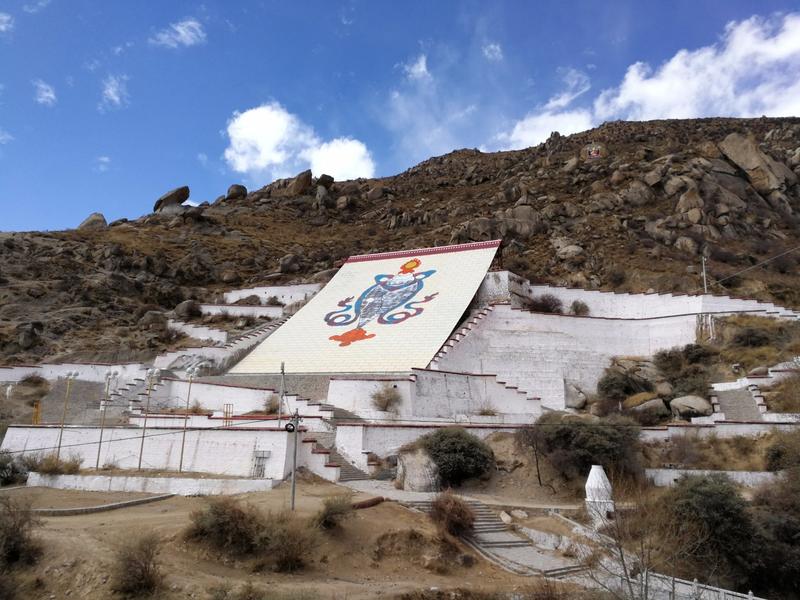
Zhebang Temple is named after the white buildings covering the hillside, resembling a huge pile of rice when viewed from afar. There are many famous buildings in the temple, such as "Gandan Puzhang" and "Cuochin Hall", as well as the Four Great "Zacang" and Kang Village. Among them, the grand-scale debating ceremony is a must-see, where monks perform exaggerated movements and debate the scriptures in pairs, making for a very interesting scene.
9
km
2
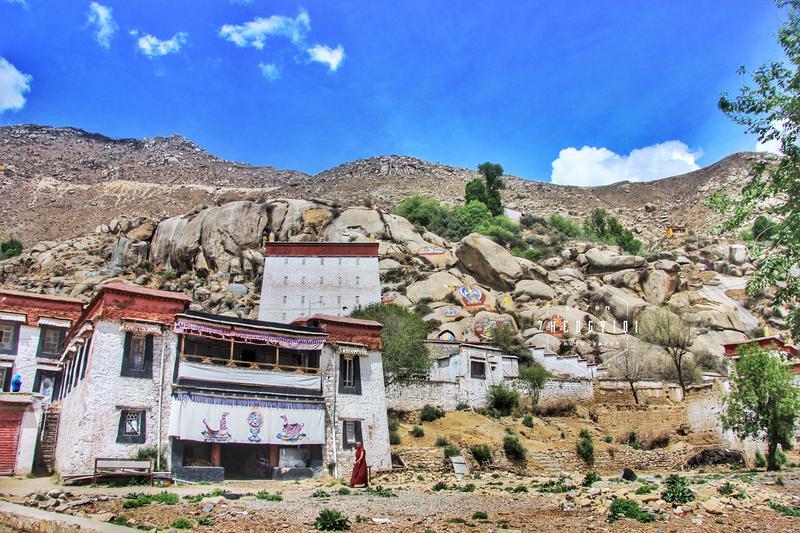
The three major monasteries in Lhasa include the Sera Monastery, the Drepung Monastery, and the Ganden Monastery, and Sera Monastery is the latest one built. The famous debating ceremony is held here, attracting many tourists to come and watch.
The debating ceremony is usually held at the debating field located at the north side of the monastery, and tourists need to arrive early to grab a good spot.
Many of the main halls in Sera Monastery still preserve ancient frescoes, and visitors are advised to bring a flashlight or headlamp to better enjoy them.
The monastery also houses over ten thousand statues of Vajrayana Buddha, some of which were made locally, while others were brought from the mainland or India.