The Palace Museum is located at the center of Beijing’s central axis. It served as the imperial palace during the Ming and Qing dynasties and is the largest and best-preserved palace complex in the world. It is now a large, comprehensive museum. The museum houses an enormous collection of cultural relics, including calligraphy and paintings, porcelain, jade, and court utensils. Visitors must make a real-name, time-slot reservation through the official platform to enter.
Tiananmen Square, located in the center of Beijing, is one of the largest urban squares in the world. Important buildings such as the Monument to the People’s Heroes, the Great Hall of the People, and the National Museum of China are concentrated around it. It is the venue for major national celebrations and flag-raising ceremonies. Visitors must reserve online in advance to watch the flag-raising or enter the core area of the square.
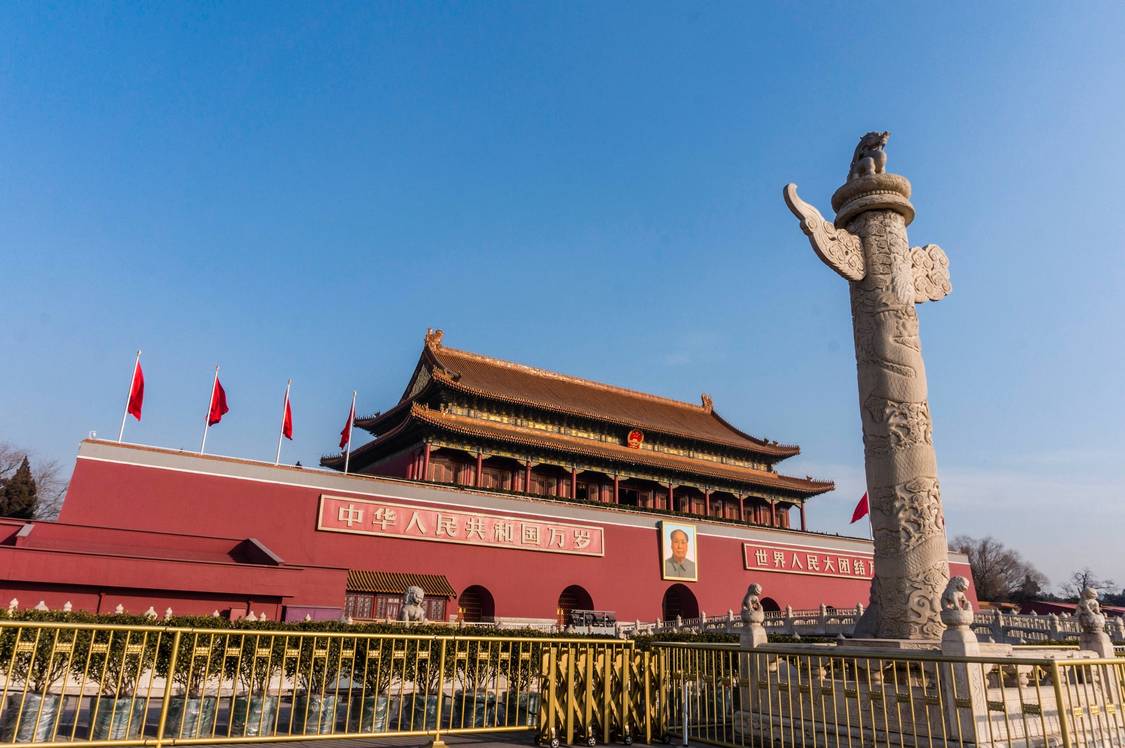
The Tiananmen Rostrum stands on the north side of Tiananmen Square. It has been the main gate tower of the imperial city of Beijing since the Ming and Qing dynasties and is a key site witnessing historic moments in the founding of the People’s Republic of China. From the tower, visitors can overlook Tiananmen Square and Chang’an Avenue. Admission requires a separate reservation through the designated platform.
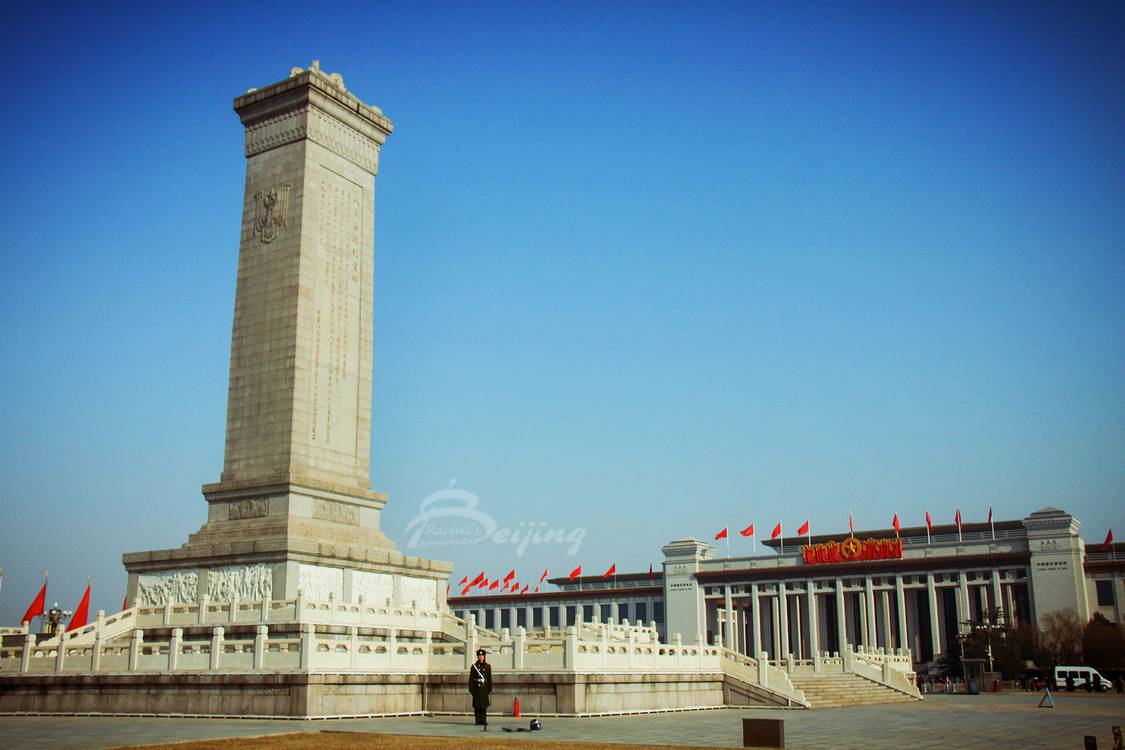
The Monument to the People’s Heroes is located in the center of Tiananmen Square and was built to commemorate the people’s heroes who sacrificed their lives in modern revolutionary struggles. The monument consists of a huge stele and relief carvings, bearing an inscription handwritten by Mao Zedong. It is one of the core sights of the square, and visits are managed under the same reservation system as Tiananmen Square.
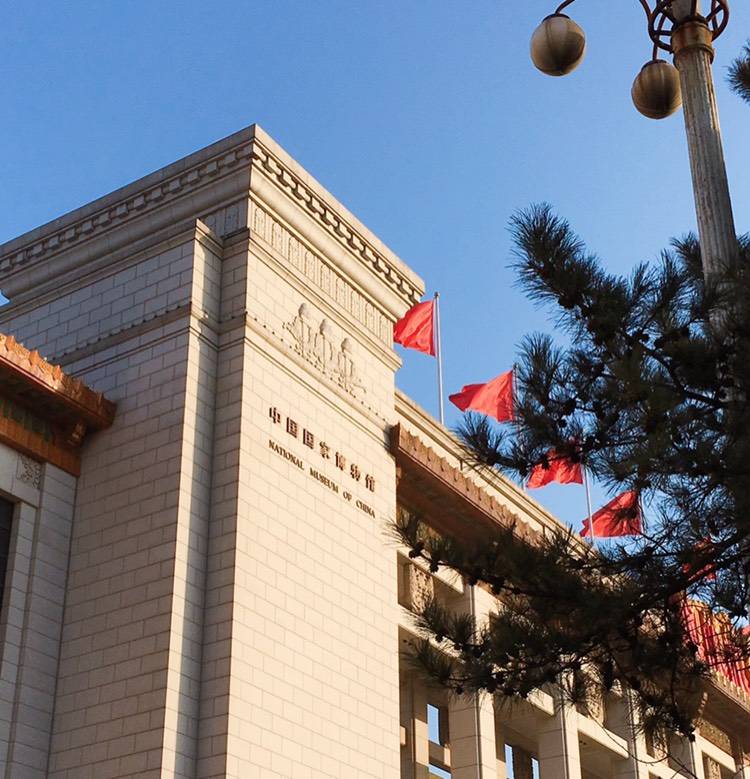
The National Museum of China stands on the east side of Tiananmen Square. It is a comprehensive museum that emphasizes both history and art, and is one of the largest museums in the world in terms of building area and collection size. It houses a large number of cultural relics and artworks from prehistoric times to the present, such as bronzes, ceramics, calligraphy, and paintings. With rich permanent and special exhibitions, it operates a policy of free admission but with tickets required, and real-name, time-slot reservations are needed for visits.
Peking University is located in Haidian District, Beijing. It is the first national comprehensive university in modern China. The campus is famous for the scenic Yan Garden with its lake and pagoda views, and classic landmarks such as the Boya Pagoda and Weiming Lake. As a university with a strong cultural and academic atmosphere, it adopts a quota-based reservation system for campus visits, and is usually open to tourists on weekends and public holidays.
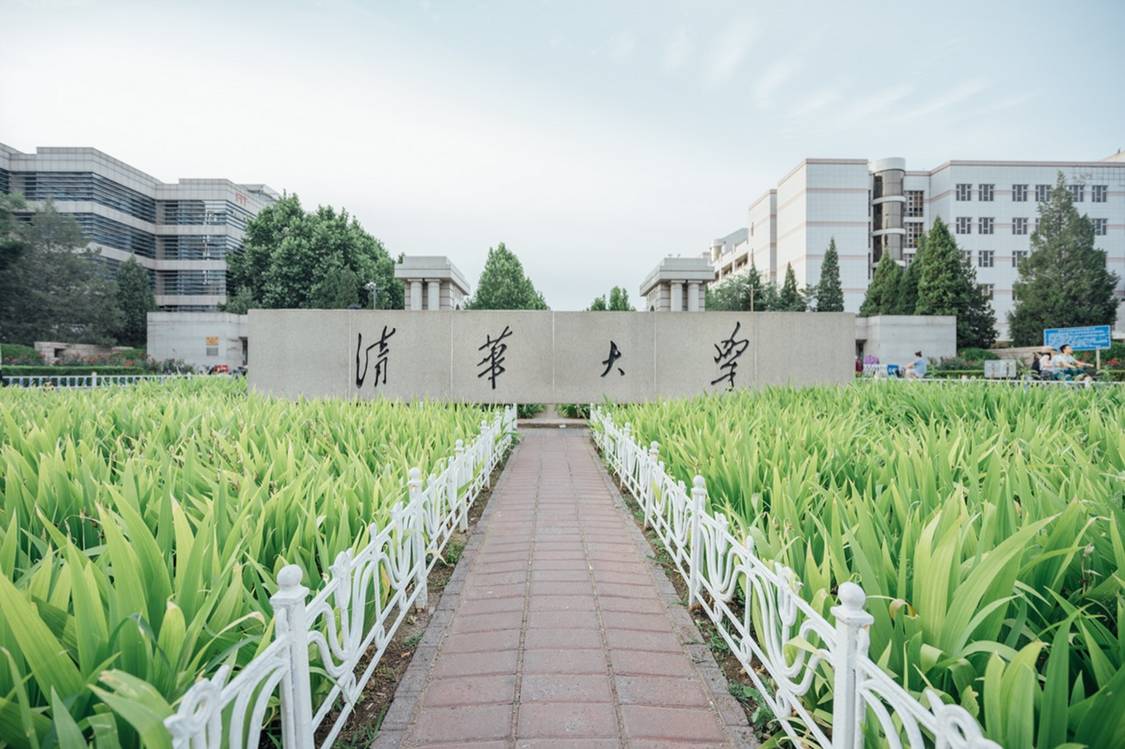
Tsinghua University is located in Haidian District, Beijing. Originating from Tsinghua College, it is renowned for its strengths in engineering and comprehensive disciplines. The campus combines Chinese and Western architectural styles with garden landscapes, featuring iconic buildings such as the Second Gate, the Great Hall, and Tsinghua Academy. It is one of China’s most famous campuses with cultural and scenic appeal. Public access is managed through real-name reservations and visitor flow control.
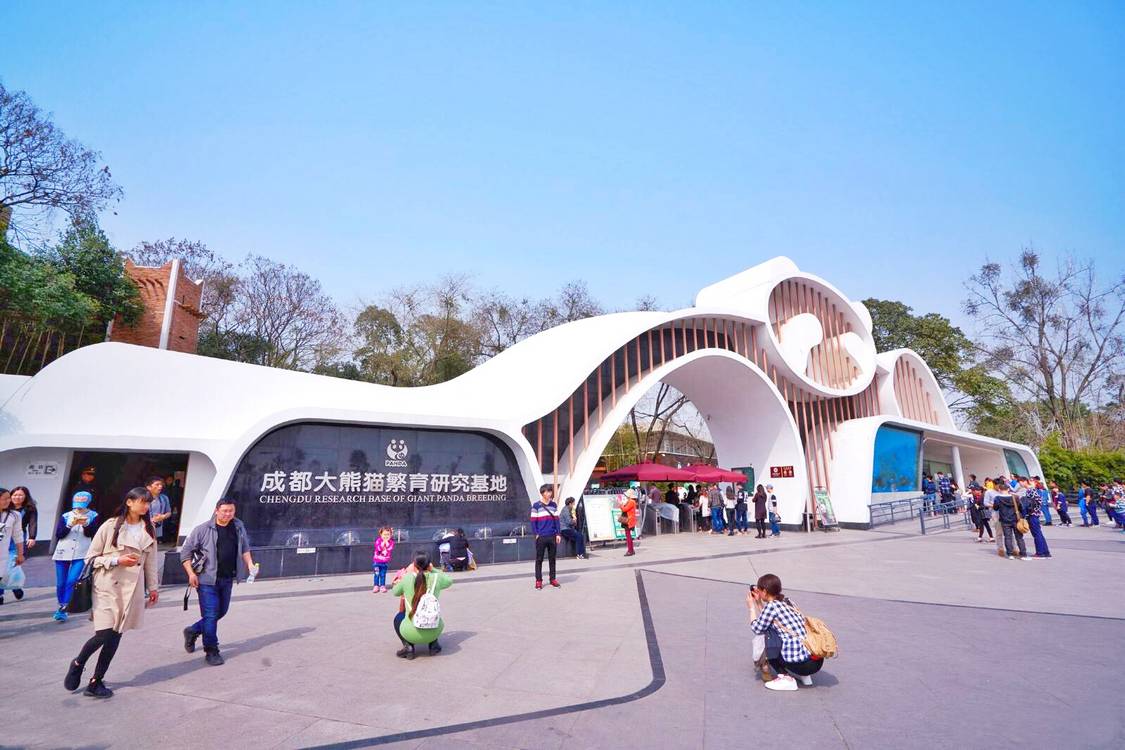
The Chengdu Research Base of Giant Panda Breeding is located in the northern suburbs of Chengdu. It is a research and tourism facility focused on the protection, breeding, and public education of giant pandas. The park simulates the wild ecological environment of giant pandas and showcases giant pandas, red pandas, and other rare animals. It is a popular destination for visitors to observe pandas up close and learn about conservation work. Real-name, time-slot reservations are required for entry.
Chengdu Museum is located near Tianfu Square in downtown Chengdu. It is a comprehensive museum that focuses on the history, folk culture, and art of Chengdu. Exhibitions include a large number of cultural relics and physical models ranging from ancient Bashu culture to the city’s modern development. With rich temporary exhibitions and public education activities, it is open to the public free of charge but implements visitor flow controls and a reservation system.
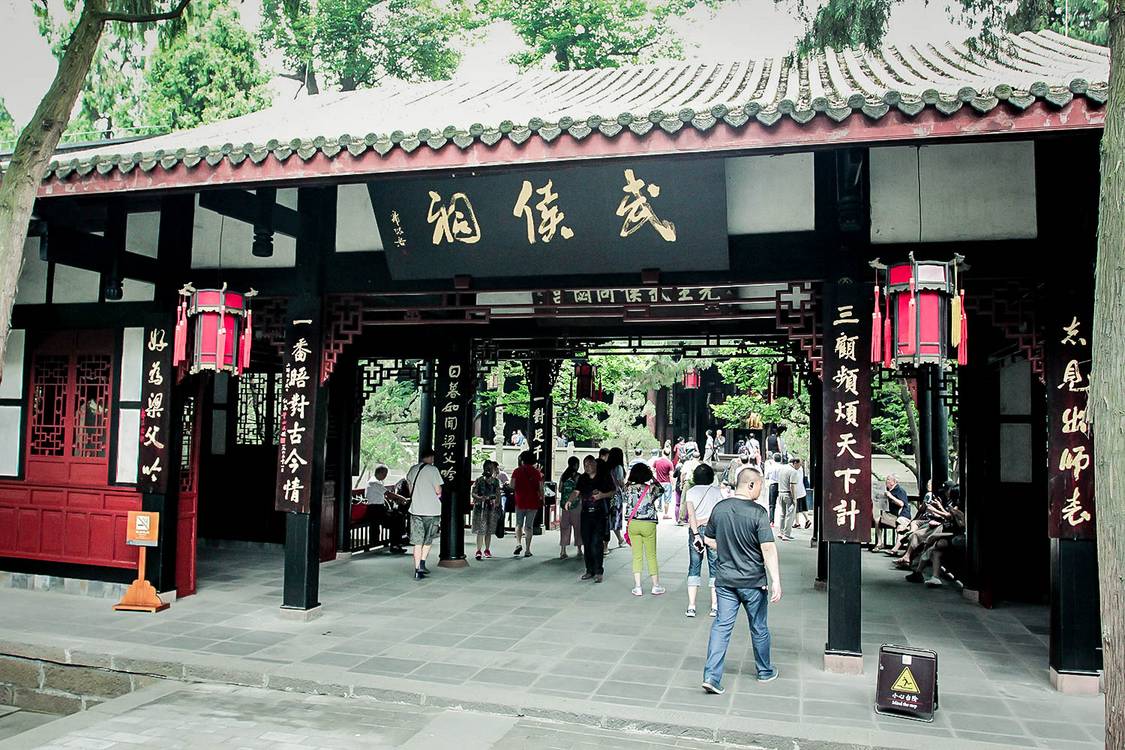
Wuhou Shrine in Chengdu is located in Wuhou District. It is an important historical site commemorating Zhuge Liang, the chancellor of the Shu Han state during the Three Kingdoms period, as well as Liu Bei and other Shu officials. It is adjacent to Jinli Ancient Street. The park features many ancient buildings, ancestral halls, and stone inscriptions, integrating historical culture, garden scenery, and Three Kingdoms–themed experiences. It is one of the must-visit cultural attractions in Chengdu, and visits require online reservations in advance.
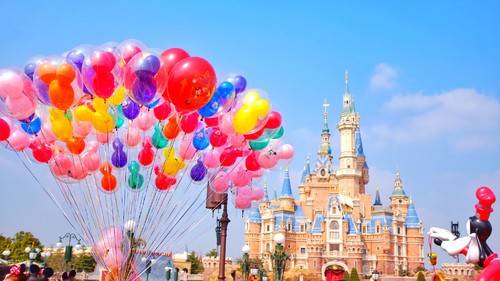
Shanghai Disneyland is located in Pudong, Shanghai. It is the first Disney theme park in mainland China. The park includes several themed areas such as the Enchanted Storybook Castle, Adventure Isle, and Treasure Cove, blending classic Disney stories with Chinese elements. With a wide variety of rides and shows, it is a very popular destination for families and young visitors. Tickets must be purchased in advance and entry reservations completed.
The Bund Sightseeing Tunnel runs under the Huangpu River in Shanghai, connecting the Bund and Lujiazui in Pudong. It is a sightseeing passage that uses lighting and sound effects to create an immersive experience. Visitors ride small cars through the tunnel to enjoy changing colored lights and multimedia effects. It offers a distinctive way to travel and sightsee between the Bund and Lujiazui.
The Memorial of the Site of the First National Congress of the Communist Party of China is located on Xingye Road in Huangpu District, Shanghai. It is the preserved site where the First National Congress of the CPC was held. Through artifacts, photographs, and multimedia displays, the museum presents the historical background and proceedings of the founding of the CPC. It is an important red tourism destination and a base for patriotic education, and implements real-name reservations for visits.
The Terracotta Army of the Mausoleum of the First Qin Emperor is located in Lintong District, Xi’an. It is an important part of the mausoleum of Qin Shi Huang and is world-famous for its massive scale and imposing formations of terracotta pits, hailed as the “Eighth Wonder of the World.” The underground pits contain thousands of terracotta warriors, horses, and chariots, authentically recreating Qin dynasty military formations. It is one of the most representative archaeological and historical attractions in Xi’an, and time-slot reservations via the official platform are required.
The Shaanxi History Museum is located near the site of the Great Ci’en Temple in Xi’an. It is one of China’s large comprehensive history museums, focusing on the history and culture of the Guanzhong region and Shaanxi Province from prehistoric times to the Ming and Qing dynasties. The museum houses a vast collection of precious relics, including bronzes, Tang sancai (tri-colored glazed pottery), gold and silver ware, and murals, and is renowned for showcasing the glorious history of the ancient capital Chang’an. Admission is free but ticketed; visitors must book tickets online in advance.
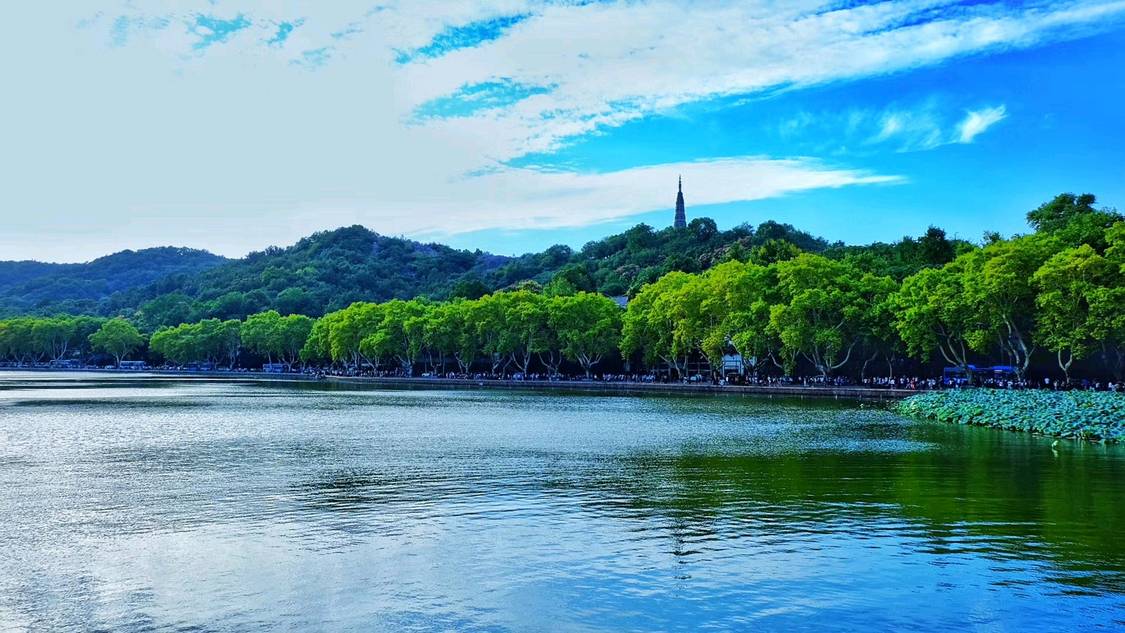
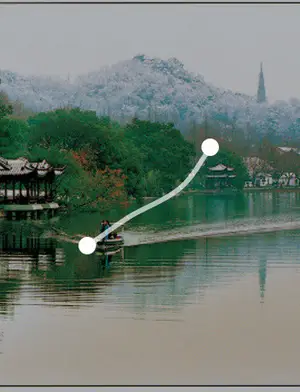
West Lake is located in the western part of Hangzhou. It is a World Cultural Heritage scenic area renowned for its lake-and-mountain scenery and cultural landmarks. Classic attractions such as Broken Bridge, Su Causeway, and Three Pools Mirroring the Moon are scattered in and around the lake. With distinct scenery in each season, it exemplifies traditional Chinese landscape aesthetics. The core scenic area is open free of charge, but some attractions have admission fees, and visitor flow controls and reservations may be implemented during peak holiday periods.
Leifeng Pagoda stands on Sunset Hill on the southern shore of West Lake in Hangzhou. It is a famous ancient pagoda closely associated with the Legend of the White Snake. The current Leifeng Pagoda is a reconstruction on the site of the original tower. Inside, there are viewing platforms offering panoramic views of West Lake, along with displays of cultural relics and the foundations uncovered during archaeological excavations. It is one of the most popular check-in spots in the West Lake scenic area and requires a ticket for entry.
Lingyin Temple is located at the foot of Feilai Peak to the west of West Lake in Hangzhou. It is one of the renowned Chan (Zen) Buddhist temples in China, founded during the Eastern Jin dynasty and known for its flourishing incense offerings. Built against the mountain, the temple is surrounded by numerous cliff carvings and statues as well as tranquil forests, combining religious culture, historical relics, and natural scenery. Visitors need to purchase tickets for both Feilai Peak and the temple itself, and during peak holidays, visitor flow controls and reservation measures may be implemented.