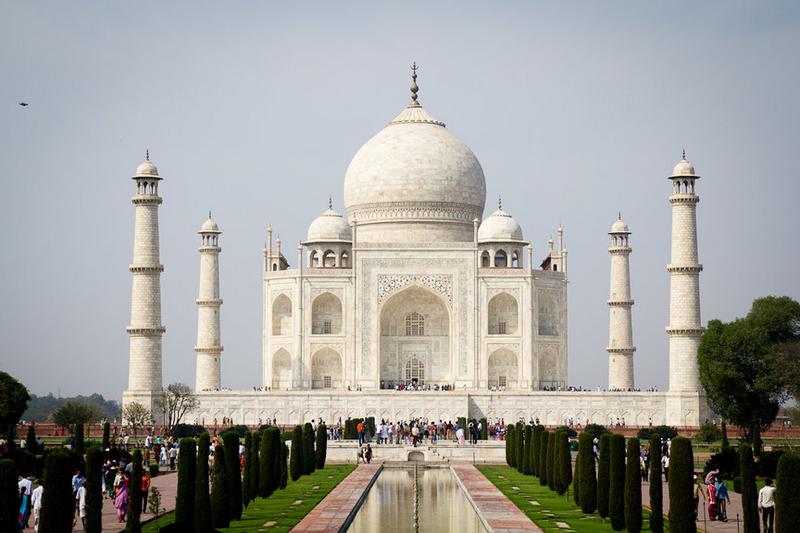
The Taj Mahal, located in Agra, was built by Mughal emperor Shah Jahan to commemorate his beloved wife and is regarded as one of the architectural wonders of the world. This white marble mausoleum displays dreamy colors under different lights, and its surrounding gardens and pools are symmetrically designed to create a serene and solemn atmosphere.
The Ajanta Caves, situated in Maharashtra, consist of about 30 caves carved between the 2nd century BCE and the 7th century CE. Inside the caves, there are exquisite murals and sculptures that showcase the developmental journey of ancient Indian Buddhist art. Its painting techniques are superb, and some colors have survived for over a millennium, leaving people in awe.
The Ellora Caves, located in Maharashtra, include temple caves of Buddhism, Hinduism, and Jainism, illustrating the coexistence and integration of different religious cultures during the same period. This site is home to the largest monolithic rock sculpture in the world—the Kailasa Temple—which showcases the exceptional craftsmanship of ancient artisans.
The southern slope of the Himalayas, situated in parts of northern India such as Uttarakhand, is a paradise for trekking enthusiasts. It offers a unique high-altitude trekking experience, with breathtaking scenery including snow-capped peaks, meadows, streams, and more along the way.
Situated on the banks of the Ganges River, Varanasi is considered the holy city of Hinduism and one of India's most sacred places. Every morning, believers bathe in the Ganges for purification and perform religious rites. The Ganga Aarti at night is a deeply moving religious ceremony, with priests performing solemn rituals at the riverbank accompanied by lights and music, creating a grand spectacle.
Bodh Gaya is one of the four sacred sites of Buddhism. Legend has it that Siddhartha Gautama attained enlightenment here. The site under the Bodhi tree in the Mahabodhi Temple is the place of enlightenment and attracts Buddhist devotees from all over the world for pilgrimage.