5-Day Malaysia In-Depth Travel Experience
3 cities |
13 attraction(s) |
total distance 561
km
 TIPS
TIPS
Day1
Day2
Day3
Day4
Day5
Day1: Kuala Lumpur
3 attraction(s) ·
2 km
1
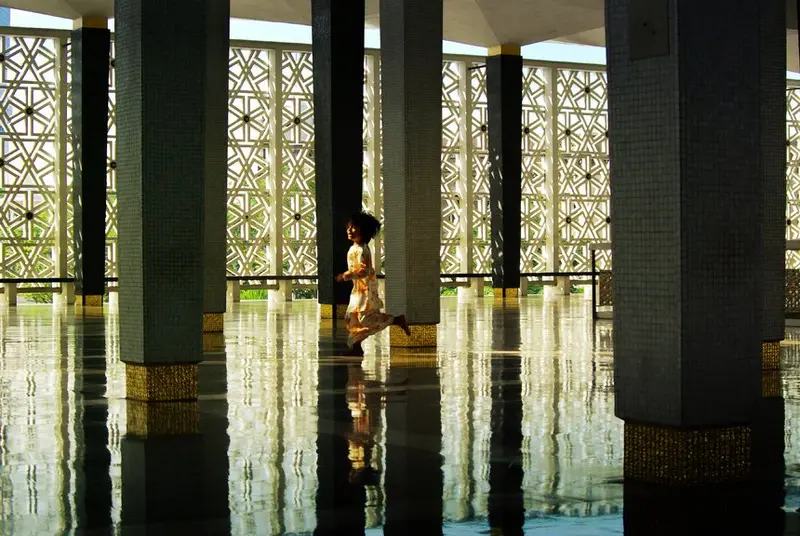
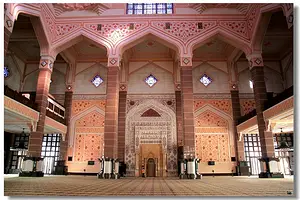
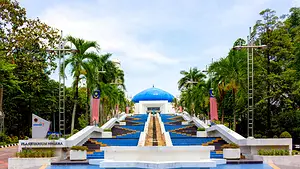
The National Mosque, built in 1974, features a modern and stylish architectural style. With a towering minaret reaching 73 meters, it plays the call to prayer, while its unique blue star-shaped roof stands out from the traditional onion dome design, symbolizing the aspirations of an independent nation. The mosque has a total of 18 domes, representing the 13 states of Malaysia and the 5 principles of Islam. The overall design of the mosque is inspired by the Great Mosque of Mecca, particularly the interior decoration, which bears a striking resemblance to that of Mecca. The prayer hall can accommodate up to 15,000 people, making it the largest mosque in Southeast Asia.
1
km
2
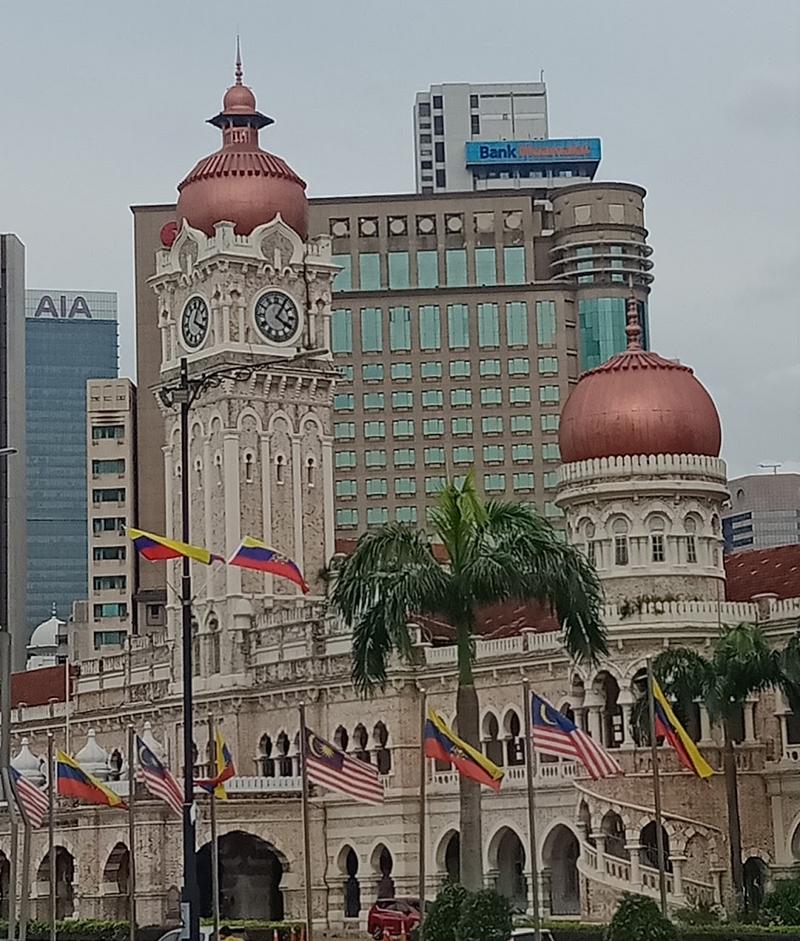
This landmark square has a 95m flagpole to mark the site of the first Malayan flag-raising.
1
km
3
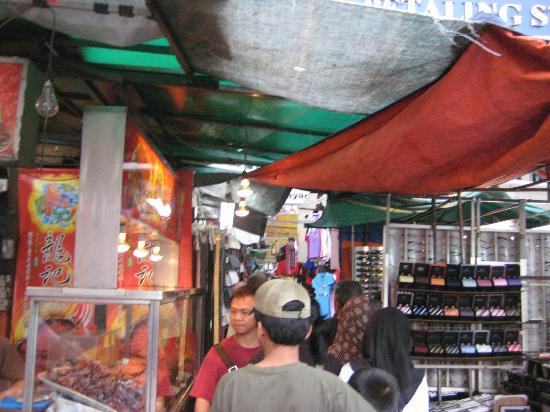
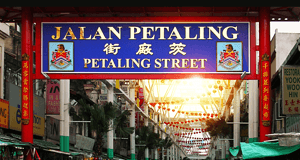
Petaling Street is Chinatown in Kuala Lumpur, Malaysia, known for selling pirated DVDs, watches, clothes, and jewelry. It is also a must-visit tourist attraction for both locals and foreigners. Petaling Street has many famous restaurants and hawker centers, offering local delicacies such as Hokkien fried noodles, grilled fish, laksa, and curry noodles, attracting a large number of visitors to taste. The hawkers in Petaling Street are mainly Chinese, but also include Indians, Malays, and other ethnicities.
Day2: Kuala Lumpur
3 attraction(s) ·
6 km
1
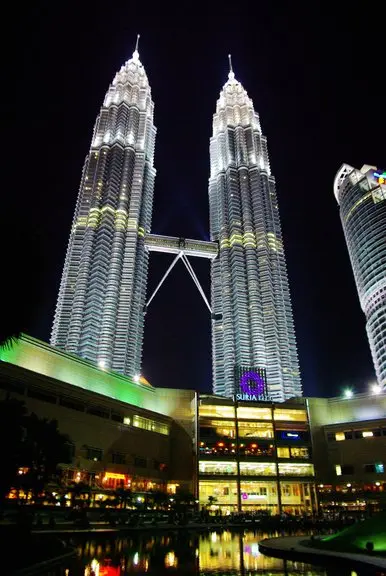
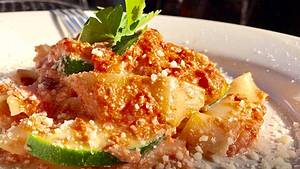
Tantanmen is a spicy Chinese noodle soup. It originated in Japan and is known for its bold and fiery flavors. The dish typically consists of ramen noodles served in a rich and spicy broth, topped with ingredients like ground pork, vegetables, and a soft-boiled egg. Tantanmen is beloved by many for its addictive spiciness and satisfying taste.
4
km

3
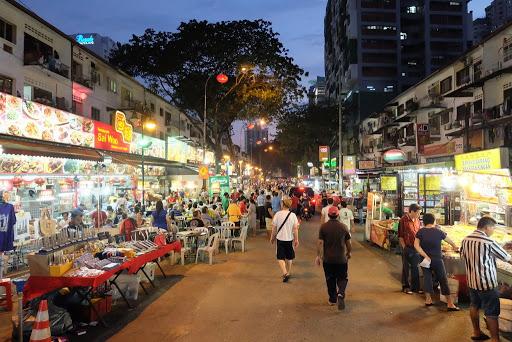
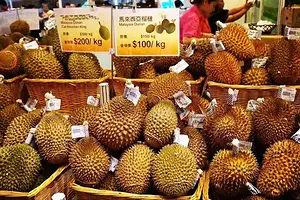
Bukit Bintang's neighboring 200-meter long food street is also home to durian stalls, making it perfect for lazy foodies who don't want to go too far, as you can have a taste of Malay cuisine and durian in one place.
Day3: Melaka
4 attraction(s) ·
1 km
1
The most popular recreational park in Kuala Lumpur is located in the southwest of the city, surrounded by four hills and offering beautiful natural scenery. The park is built around an artificial lake, with abundant flowers and plants, providing a pleasant view. Inside the park, there are children's playgrounds, jogging tracks, sports fields, and an outdoor theater for the entertainment and relaxation of the citizens. There are also attractions nearby such as Butterfly Park, Deer Park, Bird Park, Orchid Park, and National Monument, where visitors can enjoy the beautiful scenery and experience the charm of nature.
The park is built around an artificial lake.
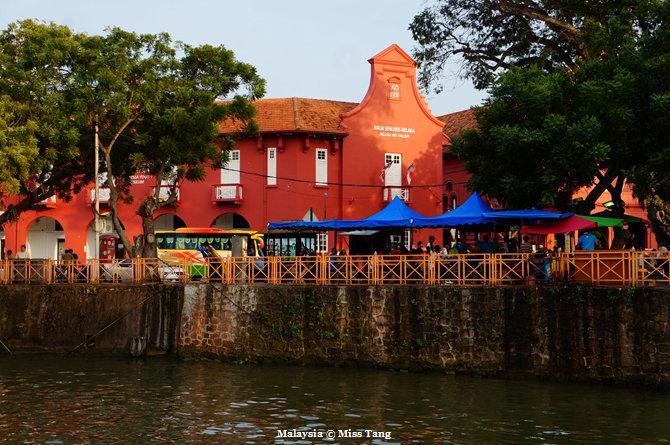
The Dutch Red House in Malacca, Malaysia, built in 1650, is one of the oldest Dutch buildings in Southeast Asia. It was once the residence and administrative center of the Dutch governor, then transformed into the administrative center of the British, and now serves as the Malacca Museum, displaying historical artifacts related to the Malacca Dynasty, the Dutch, the British, and the Portuguese. Although the building has Dutch-style brick walls, windows, and doors, the decoration of the bedroom on the top floor is filled with elements of Chinese mythology.
The Dutch Red House Museum actually consists of six museums, known as the "Stadthuys Museums Complex". One ticket allows visitors to visit all the museums. The History and Ethnography Museum (Museum Sejarah dan Etnografi) displays artifacts from the Malacca Dynasty period, including knowledge about royalty, currency, navigation, and marriage customs. In addition, there are five smaller museums: the Literary Museum (Museum Sastera), the Zheng He Museum (Galeri Laksamana Cheng Ho), the Democracy Museum (Museum Pemerintahan Demokrasi), the Muslim Museum (Museum T.Y.T), and the Education Museum (Museum Pendidikan).
1
km
2
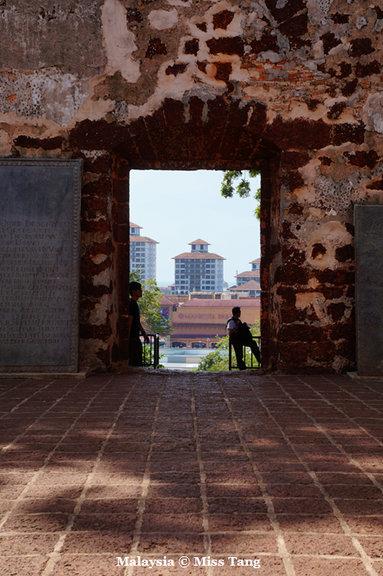
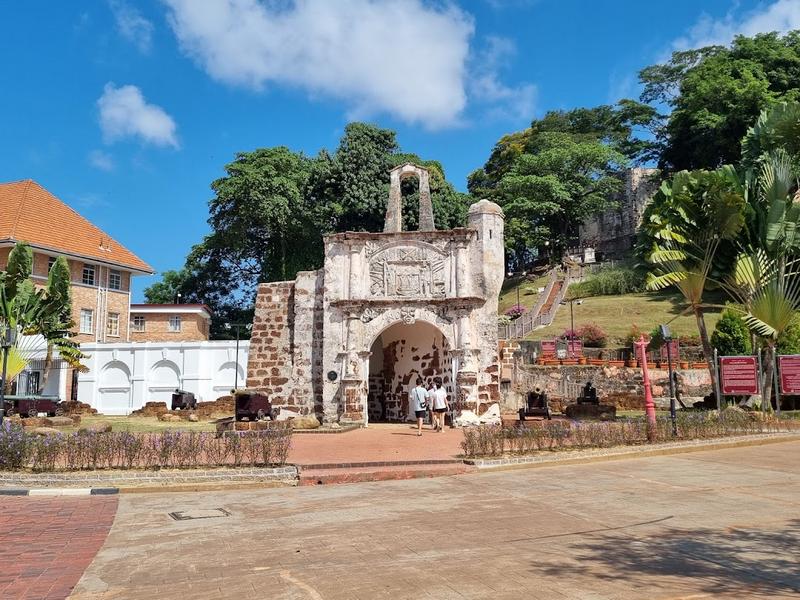
This is an ancient church, built in 1521, located on St. Paul's Hill in Melaka, Malaysia. It is now part of the Melaka Museum, along with the ruins of A'Famosa Fort, Stadthuys and other historical buildings, showcasing the rich history of this city.
1
km
4
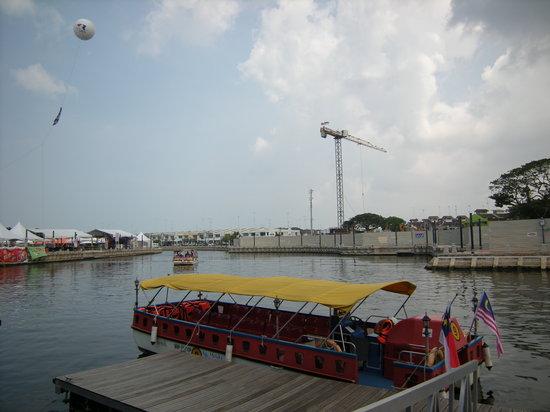
Here are some recommended activities on the Malacca River: 1. Sit at the riverside bars, restaurants, or provided chairs and enjoy the tranquility and beautiful scenery. 2. Take a walk along the river and admire the murals on the buildings. 3. Opt for a 45-minute boat ride to explore the entire Malacca River, which is reasonably priced and provides historical commentary in Malay and English. For travelers, it is suggested to visit in the evening or at night for a more romantic atmosphere and to avoid the heat of the midday sun. However, for personal safety reasons, it's not advisable to go too late. This place is best suited for spending time together for couples.
Day4: Penang
3 attraction(s) ·
14 km
1
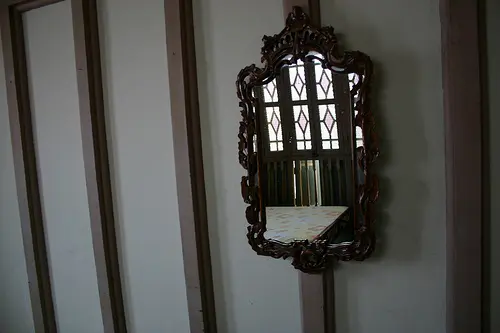
Ennis is a 25-year-old young artist from Lithuania. He created a street artwork called "Mirrors Georgetown" for the George Town Festival 2012. The artwork consists of two sets of four pieces: one set combines murals and installations, including the bicycle siblings and the wind chasing boy, which are integrated into the surroundings for people to immerse themselves in; the other set is large-scale murals created on high walls, including the wall jumping girl and the skillful uncle. These artworks are carefully crafted and lifelike, allowing visitors to step into the scenes and experience the emotions within.
13
km
2
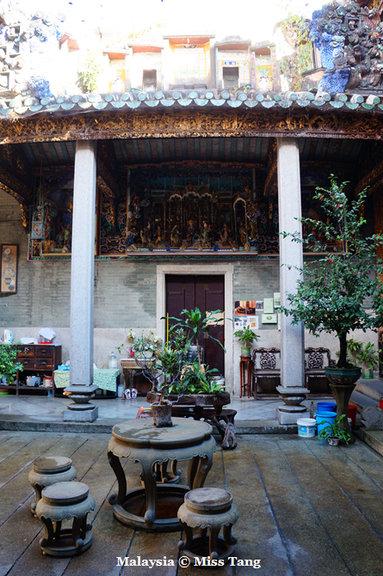
Penang Museum is a Nanyang-style museum, built in 1821 and originally a school. Located on Armenian Street, it is decorated with a statue of Francis Light and the original cable car from Penang Hill at the entrance. The museum houses a collection of antiques and heritage items related to various ethnic cultures, including currency issued by the Japanese colonial government during World War II, documents from the Japanese army, and graduation certificates from Japanese language schools. The nearby art gallery showcases different art styles.
In addition, outside the museum, there are the old flag-raising cable car from the colonial era and the official car of the state's head. According to legend, there are several indentations on the governor's official car caused by a gun attack, but whether this story is true or not cannot be verified. Penang Museum is the best starting point to learn about the rich cultural heritage of Penang.
1
km
3
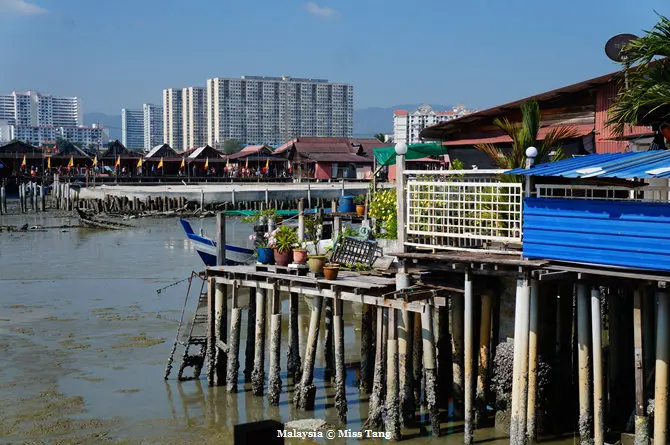
Penang's Clan Jetties are the earliest Chinese settlements in Penang, where the older generation relied on fishing for a living. The houses in the village may be simple, but they are vibrant, adorned with beautiful murals on the exterior. All houses are built on stilts above the sea, supported by rows of wooden pilings. The streets and bridges are similarly supported by pilings, creating a harmonious waterborne community.
Although there were originally eight clan jetties, only six remain today, and their unique heritage has earned them a UNESCO World Heritage status. The largest clan jetty, Chew Jetty, is home to around 60 households. There is only one main road on the jetty, resembling a central artery, while numerous smaller paths lead to picturesque views of the waterborne community. Some people still engage in simple fishing activities and lead simple lives. Stepping into the homes within the clan jetty, one can't help but feel removed from the hustle and bustle of the outside world. It is a peaceful retreat within the bustling city. There are also simple lodgings available in the village, each with its own distinctive character. Additionally, a unique delicacy produced in the area is the jelly cake served in an eggshell. Although the taste may be ordinary, its appearance is certainly unique. There are also many delicious eateries nearby, such as a popular food cart selling Laksa across the street.
Day5:
0 attraction(s) ·
0 km