12-Day Tour of Morocco
9 cities |
20 attraction(s) |
total distance 1819
km
 TIPS
TIPS
Day1
Day2
Day3
Day4
Day5
Day6
Day7
Day8
Day9
Day10
Day11
Day12
Day1: Casablanca
2 attraction(s) ·
5 km
1
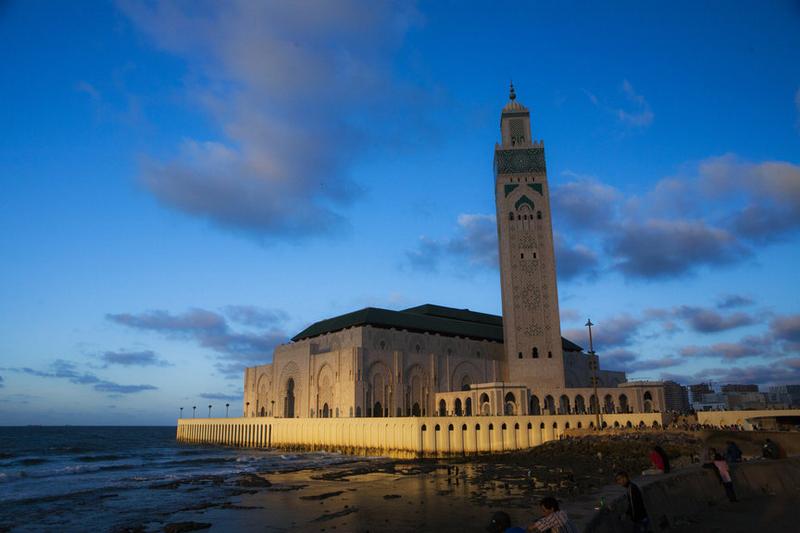
Hassan II Mosque is an Islamic mosque in Morocco, located on the coastline of Casablanca. It was named after the former king, Hassan II, who initiated and funded its construction. Construction began on July 12, 1986, and was completed on August 30, 1993, with a total cost of nearly $600 million. The mosque covers an area of 20,000 square meters, with a width of 100 meters, a length of 200 meters, and a height of 60 meters. The prayer hall and courtyard can accommodate 100,000 worshippers at the same time. The minaret of the mosque reaches a height of 210 meters, making it one of the tallest minarets in the world. The bathing facilities for both men and women can accommodate 1,400 people, making it the third-largest mosque in the world. Additionally, the mosque also houses Islamic schools, a library, lecture halls, and conference facilities.
5
km
2
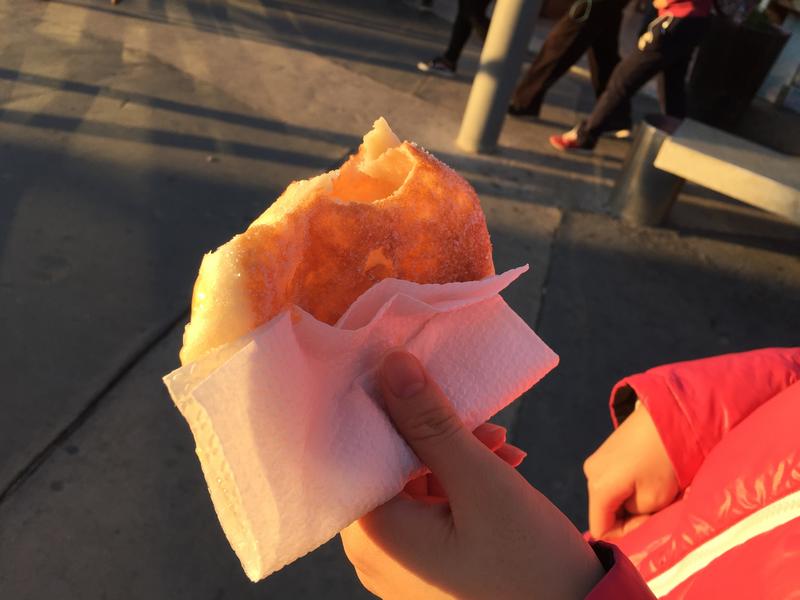
The central area of Casablanca is a beautiful gathering place with a variety of cafes, restaurants, and clubs. In addition, there are magnificent beaches where you can see people swimming, playing soccer, or simply enjoying the sea view regardless of the season. The weekends evenings are particularly lively. Here, you can find many high-quality hotels and bars. Despite being in a Muslim country, you may be surprised by the openness in Casablanca.
Day2: Rabat
2 attraction(s) ·
2 km
1
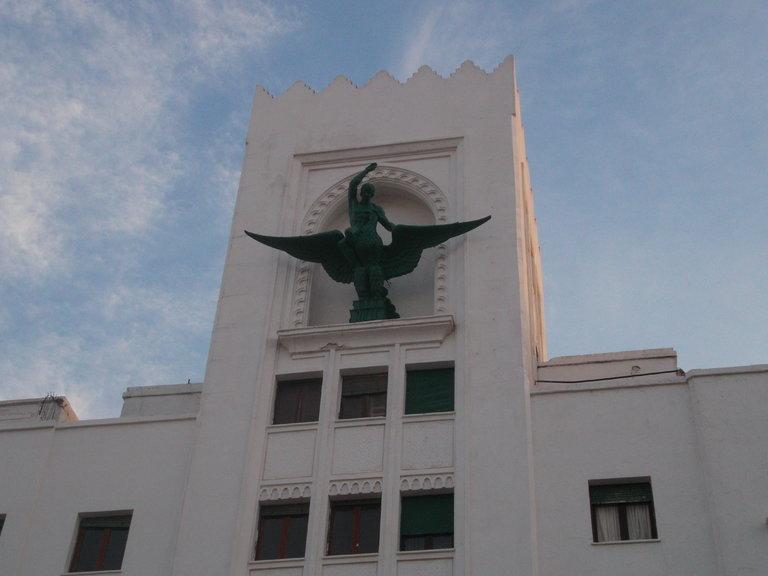
In 1864, the Alawite dynasty built a palace on the south side of the central train station, which is now the renovated royal palace. The original building foundation is still preserved, making it one of the important palaces of the Alawite dynasty.
2
km
2
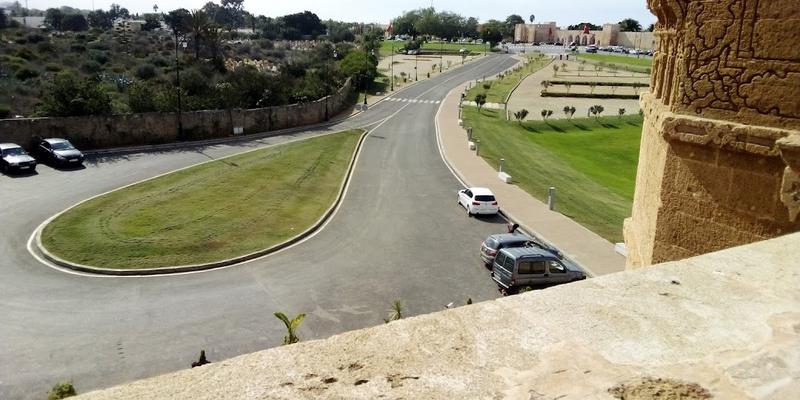
Landscaped gardens on the site of an ancient citadel featuring Roman ruins & royal tombstones.
Day3: Chefchaouen
2 attraction(s) ·
2 km
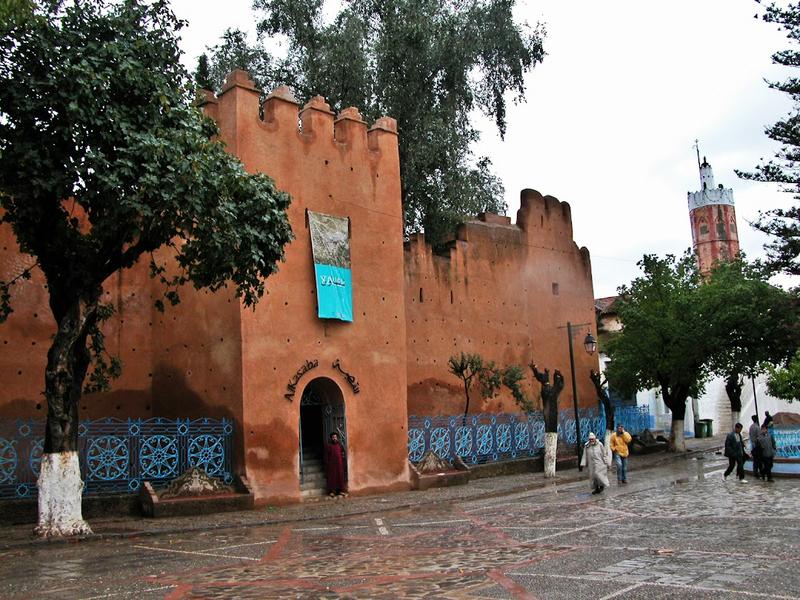
2
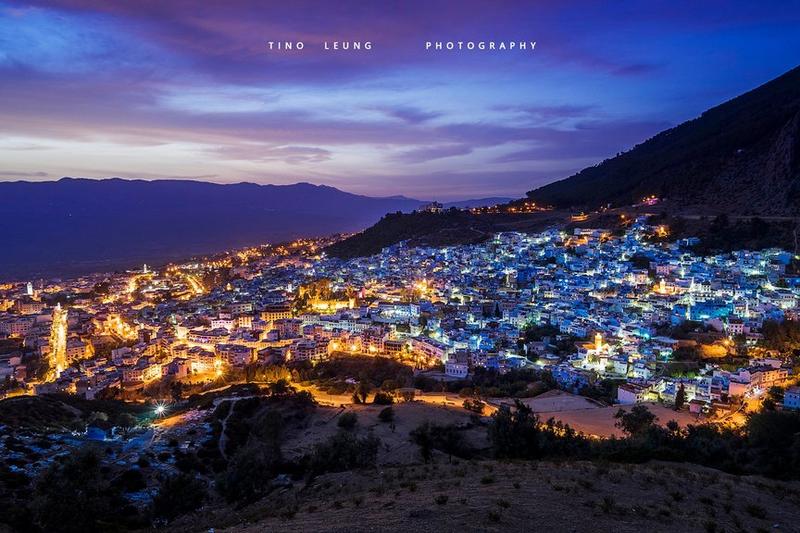
Ali Ben Rachid built a mosque in Shefshawan in the 15th century. The mosque is not open to the public, but visitors can enjoy a panoramic view of Shefshawan and many movies have been filmed here.
Day4: Meknes
2 attraction(s) ·
24 km
1
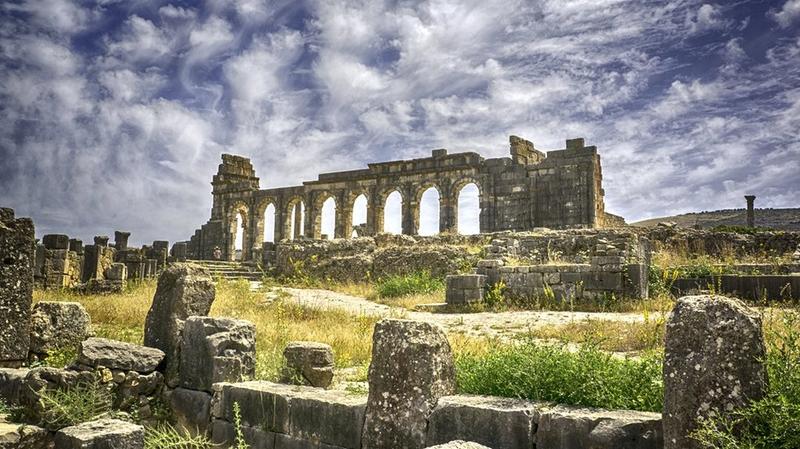
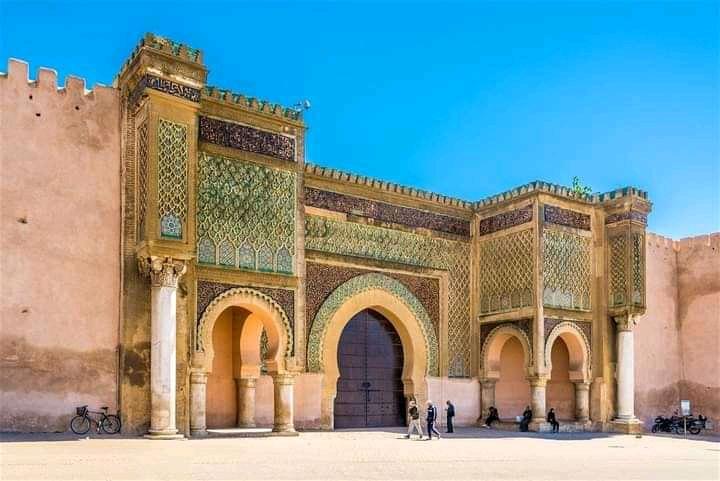
The ancient city was built in the 3rd century BC and was once the capital of the ancient Mauritanian kingdom in North Africa. It served as an important outpost of the Roman Empire and has many elegant and exquisite buildings. This archaeological site is a fertile agricultural area where many important relics and artifacts have been excavated. Valubilis later became the capital of the Idrisid dynasty for a period of time, and its founder, Idris I, was buried in nearby Moulay Idriss. - World Heritage Committee, 1997 comment.
24
km
2
Day5: Meknes > Fes
2 attraction(s) ·
58 km
1
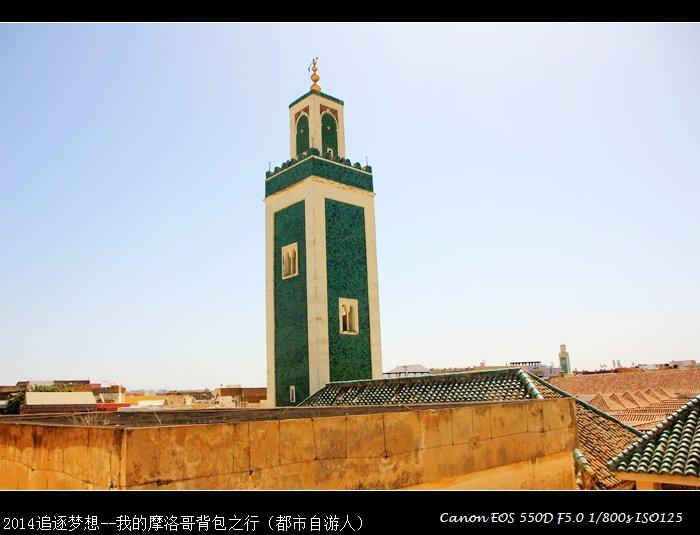
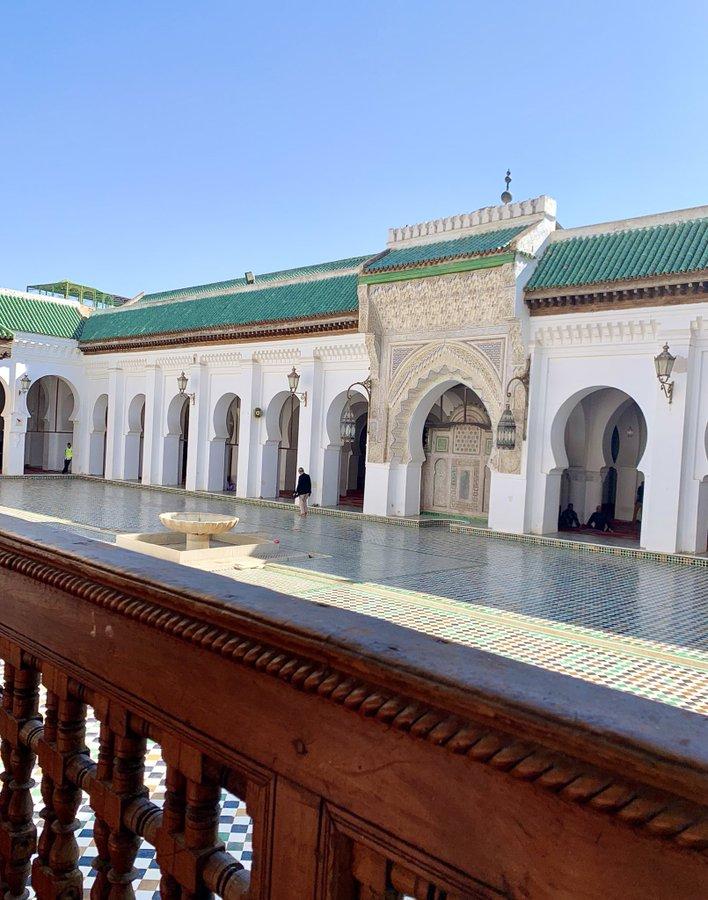
Bou Inania Medersa is an ancient Islamic school located across from the Great Mosque. This school is one of the important buildings of the Marinid dynasty, known for its exquisite and luxurious interior decoration.
58
km
Day6: Fes
2 attraction(s) ·
1 km
1
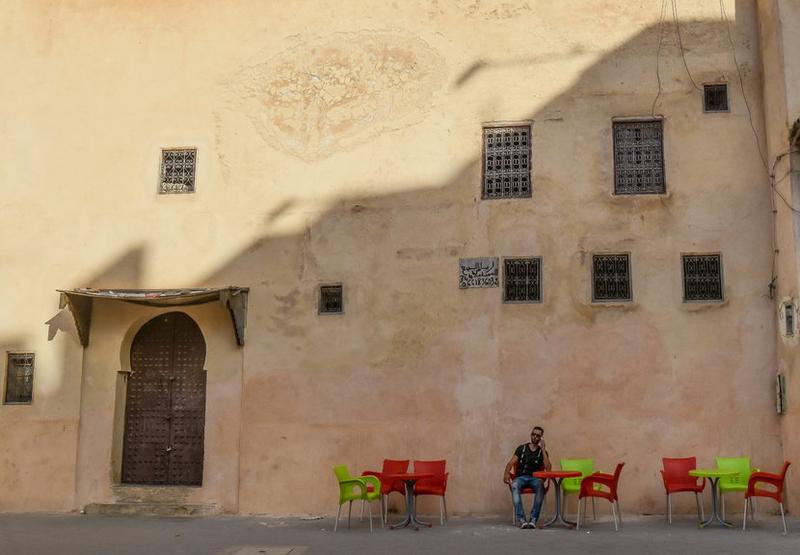
Medina, meaning "old city", can be traced back to the late 8th century. In 808 AD, the Idrisid dynasty established its capital here, and Medina was able to rapidly expand and develop. During the Almohad dynasty, Medina had already become a city of the size seen today.
1
km
2
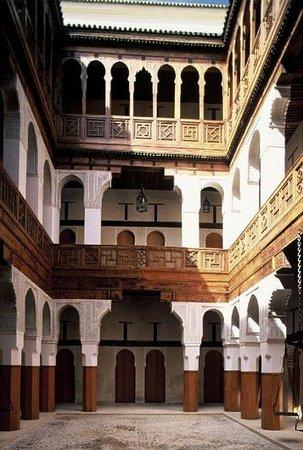
The Nejjarine Market, founded in 1711 by Sultan Moulay Ismaïl, is located in the old city of Fez. It consists of three areas and 51 shops, making it the commercial center of the old city. In 1916, the market was listed as a historical heritage site. However, during the French colonial period in the 1940s, it was converted into a police district and gradually fell into disrepair over time.
In 1976, the UNESCO resolution to protect the old city of Fez was passed at the Nairobi Conference. King Hassan II dedicated himself to restoring the old city, and the national government called for the restoration of the Nejjarine district, which includes the market, square, fountains, and various carpentry shops, with funding from the Mohammed Karim Lamrani Foundation.
The restoration work lasted from 1990 to 1996 and successfully revived the market's former glory through great efforts. Furthermore, an investment of 25 million dirhams allowed the Nejjarine district to establish a museum of woodworking crafts, showcasing traditional wooden products from the entire old city, including both ancient and modern creations. Through these crafts, we can see the evolution of Moroccan history. The museum is managed by the Mohammed Karim Lamrani Foundation and officially opened to the public on May 23, 1998.
Day7: Ifrane > Mosquée Ait Zineb
2 attraction(s) ·
335 km
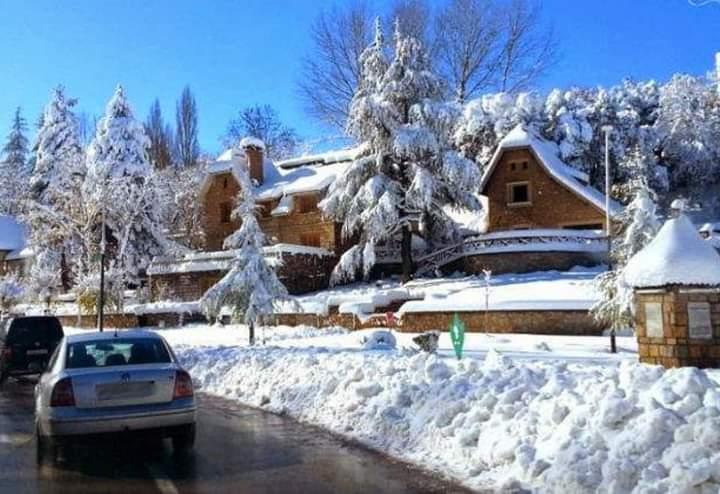

Day8:
0 attraction(s) ·
0 km
Day9: Marrakech
2 attraction(s) ·
1 km
1
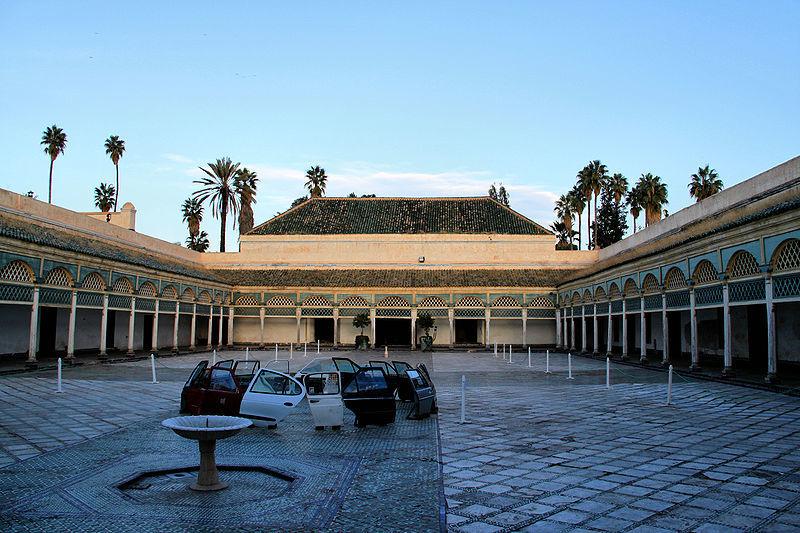
The Bahia Palace in Marrakech was built in the late 19th century and is an elegant palace with many gardens. It was the largest and most magnificent palace in Morocco at that time. Its name "Bahia" means "brilliance". Compared to other Moroccan architecture of the same period, the Bahia Palace aims to embody Islamic and Moroccan architectural styles. The palace was designed by the Grand Vizier Si Moussa of the Sultanate of Morocco for his own private use. However, the architectural structure still reflects the aesthetic taste of the wealthy merchants of that time, mundane and ordinary. After all, the building was not designed for artistic and aesthetic needs, but merely for its scale, resulting in hasty planning and mediocre details.
1
km
2
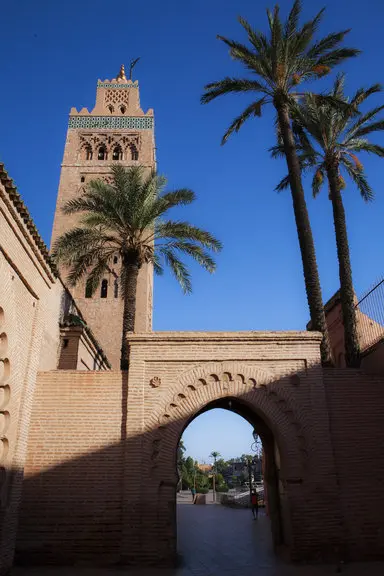
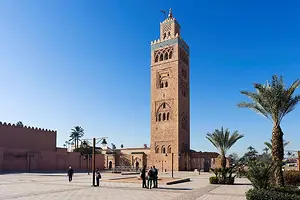
Koutoubia Mosque is an iconic architectural landmark and central area of the old city of Marrakech, also the highest point of the city. Built in the 11th century, it was designed by the architect Yakub al-Mansur, who also built the Hassan Tower in Rabat, to celebrate the victory over the Spanish. The mosque's minaret reaches a height of 67 meters, with a magnificent and exquisite appearance, making it one of the most beautiful buildings in North Africa. Unlike other mosques, the minaret of Koutoubia Mosque is mixed with nearly ten thousand bags of precious spices in the mud mixture of the adhesive stones, giving it a rich fragrance, hence called the "Fragrant Tower." In addition, the unique feature of Koutoubia Mosque is that its muezzin must be blind, to prevent anyone from peeping into the nearby palace courtyard where the concubines reside. Although the mosque is not open to the public, the small garden surrounding it is freely accessible, with a French garden style and fragrant flowers. Visitors can take a moment to rest and enjoy this charming place.
Day10: Marrakech
2 attraction(s) ·
1 km
1
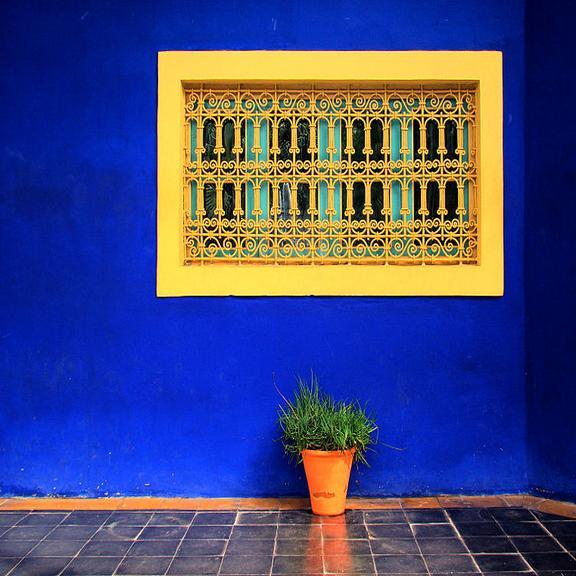
The garden was built in 1924 and opened to the public in 1947. After the death of Jacques Majorelle in 1962, renowned designer Yves Saint Laurent purchased the garden and redesigned it. YSL and his male partner lived in the villa within the garden. After YSL passed away in 2008, the garden came under the ownership of the YSL Foundation. YSL's ashes were scattered in this beloved garden, and a memorial column was erected in his honor.
The Majorelle Garden is loved by masters like YSL for good reason. It is said to be one of the most mysterious gardens of the 20th century and a little paradise on Earth. Upon entering the garden, one is greeted with lush greenery, unique tropical plants, spectacular flowers, and rare birds. Many plants are said to come from all five continents, making one forget whether they are in Mexico or the West Indies. It is truly captivating and awe-inspiring.
1
km
2

Cubed, brickwork museum paying homage to Yves Saint Laurent with a café, bookshop & auditorium.
Day11: Merzouga
1 attraction(s) ·
0 km
1

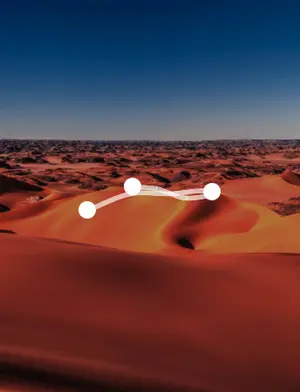
The Sahara Desert is the third largest desert in the world in terms of area and one of the hottest regions in terms of temperature. It is an excellent destination for desert tours and adventurers.
Day12: Merzouga > Casablanca
2 attraction(s) ·
433 km
1
The Sahara Desert is the third largest desert in the world in terms of area and one of the hottest regions in terms of temperature. It is an excellent destination for desert tours and adventurers.
433
km