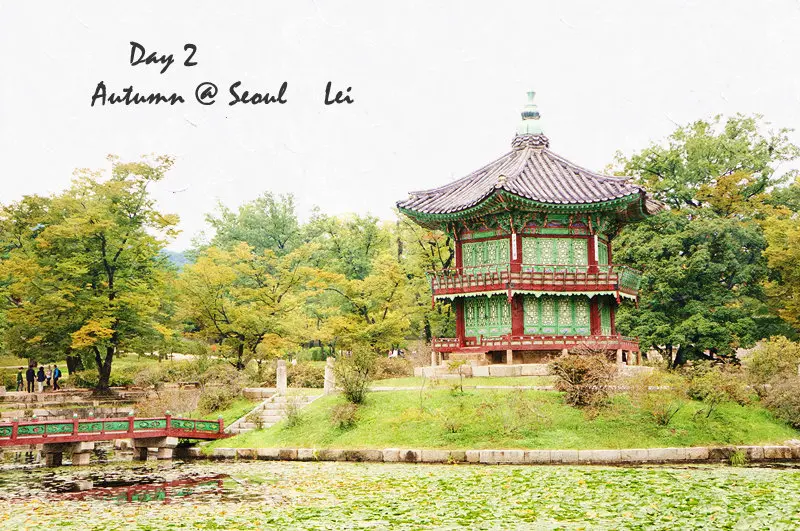
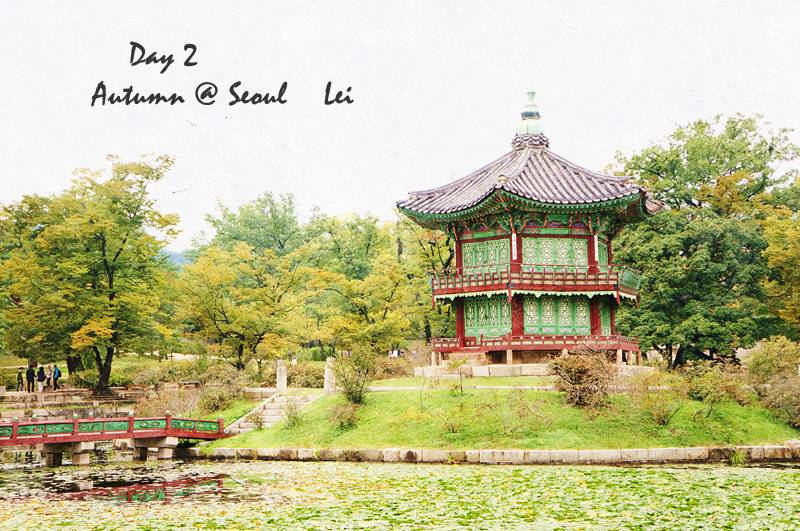
Seoul's largest royal palace representing the Joseon Dynasty, featuring expansive grounds filled with colorful palace buildings. Traditional ceremonies such as the guard changing ceremony are popular, making it a must-visit spot to experience the culture of the Korean dynasty.
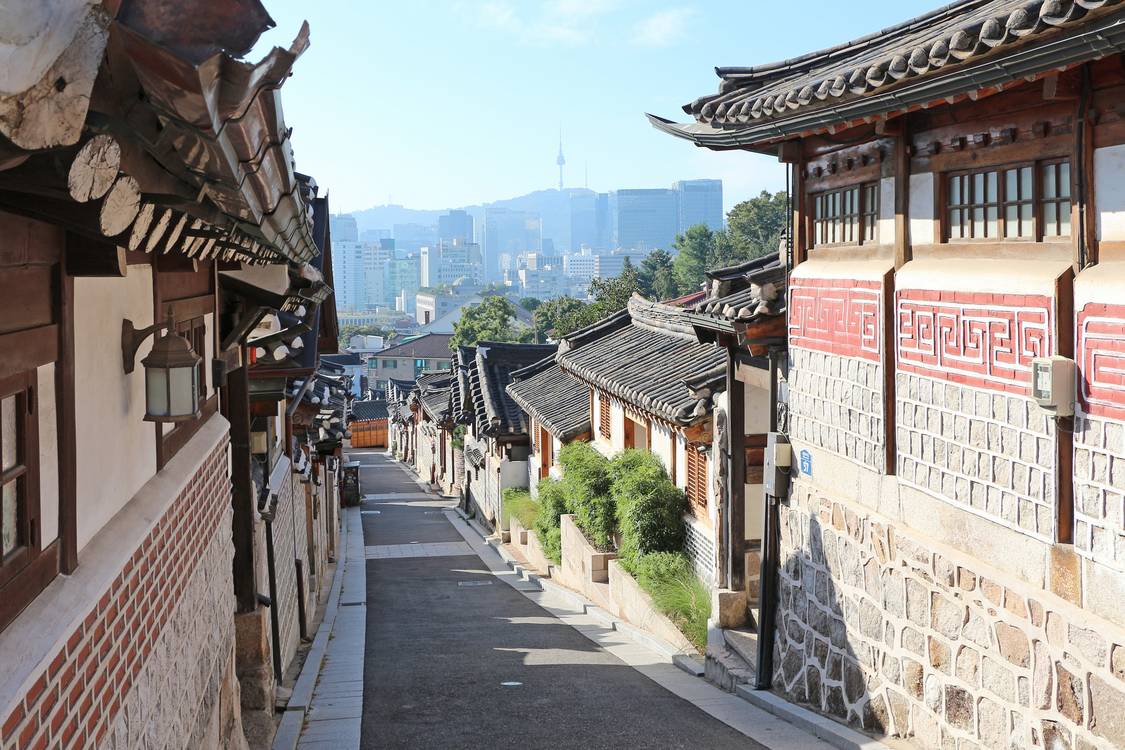
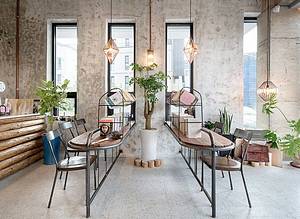
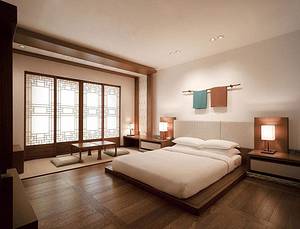
An area densely packed with traditional Korean houses called 'hanok' remaining in the center of Seoul. Enjoy wandering through the alleys, and discover stylish cafes, galleries, and craft shops, where you can simultaneously experience Korea's tradition and modern culture.
A bustling shopping district with shops selling Korean traditional goods, tea, and antiques. Perfect for finding souvenirs such as hanji paper products, ceramics, and crafts, it also has many traditional teahouses and galleries, offering a nostalgic glimpse of Korea's past.
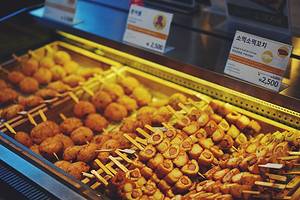
One of Seoul's major commercial districts, crowded with cosmetic shops, fashion brands, and street food stalls. Popular as a base for shopping and food tours, this area buzzes with energy late into the night, a quintessential destination for tourists.
A cultural complex facility featuring curvaceous and futuristic architectural design. Besides exhibitions and events, the surrounding area hosts fashion buildings and night markets, offering the latest trends and night culture experiences.
A beach resort representing Busan, bustling with swimmers during summer. The white sandy beach and skyscraper views are impressive, and the surrounding area is filled with cafes, restaurants, and hotels, where you can enjoy both marine leisure and city strolling.
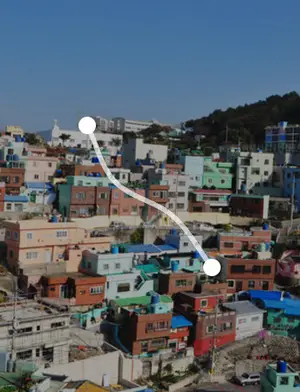
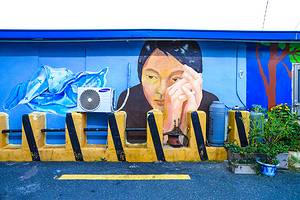
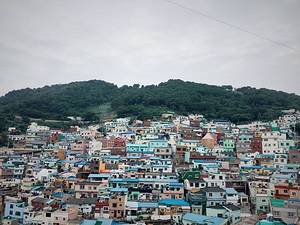
A photogenic village with colorful houses arranged in tiers on a hillside. The alleys are dotted with art pieces and murals, along with many scenic viewpoints and small cafes, making it enjoyable for both walking tours and photography.
A vast traditional market in the center of Busan offering a wide range of items from daily necessities, and clothing, to local food. A spot where you can enjoy street food and the bustling local atmosphere.
An ancient temple with World Heritage status, founded during the Silla Era. Known for its stone architecture, stone pagodas, and elegant temple layout, it is a historical site where one can appreciate the beauty of Korean Buddhist architecture in a serene mountain setting.
A World Heritage stone grotto temple situated on the hillside of Mt. Toham. Inside the stone grotto, one finds intricate Buddha statues and reliefs, regarded as masterpieces of Buddhist art from the Silla era.
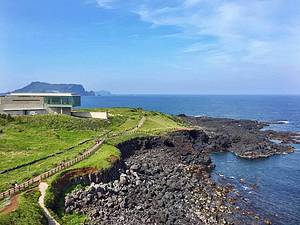
A volcanic island in southern Korea, also a UNESCO World Natural Heritage site. A resort island offering a variety of activities such as hiking volcanic formations, enjoying beautiful beaches, exploring cafes, and savoring gourmet food.
A national park known as one of the best autumn foliage sites in Korea. It features walking trails along valleys, cable cars, ancient temples, waterfalls, and more. Especially vibrant in autumn when mountains turn red and yellow, attracting many hikers.
A quiet temple nestled in a mountain valley, blending harmoniously with nature. During the autumn foliage season, the temple grounds and surrounding mountains turn vibrant, attracting visitors for photos and walks.
A group of traditional buildings preserved as residences of yangban (nobility) from the late Joseon era. With features like large rice barns, main houses, and gardens, visitors can closely experience the lifestyles and architectural styles of the upper class of the time.
A unique museum specializing in pressed flower art. It offers an opportunity to view paintings and crafts made with colorful pressed flowers. The area also features an ecological exhibit hall and an agricultural relic exhibit hall, making it a comprehensive spot to learn about nature and culture.