Jeju Island is located in the southern seas of South Korea and is a large volcanic island formed by volcanic activity. With a total area of about 1,850 square kilometers, it is the largest island in South Korea. The island is covered with basalt and volcanic ash landscapes, forming unique black coastlines and volcanic cone groups. Jeju is famous for its mild climate, seaside resorts, nature trails, and self-driving routes. It is also a representative destination for experiencing Haenyeo culture and Korean-style vacations.
Hallasan Mountain has an altitude of approximately 1,947 meters and is the highest peak in South Korea as well as the main volcanic body of Jeju Island. The mountain consists of basalt and offers multiple hiking trails of varying difficulty. Along the way, visitors can enjoy volcanic lakes, highland wetlands, and forests across various climate zones. Vibrant spring flowers, colorful autumn foliage, and snow-covered winter landscapes make it the most important climbing and nature experience site in Jeju for outdoor enthusiasts.
Seongsan Ilchulbong, located on the eastern coast of Jeju, is a tuff cone formed by an underwater volcanic eruption about 100,000 years ago and is listed as a World Natural Heritage site. The crater is shaped like a giant bowl with jagged ridgetops and is a famous spot to watch the sunrise over the sea. Climbing to the peak provides a panoramic view of the crater and surrounding coastline, making it a symbolic attraction almost everyone visits when on Jeju Island.
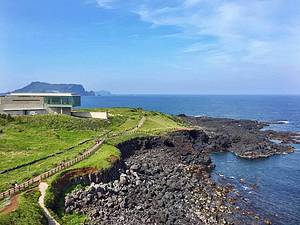
The Sunrise Coast Road is about 32 kilometers long and runs along the eastern coast, connecting famous attractions such as Gimnyeong Beach, Woljeongri Beach, the Haenyeo Museum, and Seongsan Ilchulbong. One side of the road features black basalt coasts with white surf, while the other side showcases fields and small villages. It is highly suitable for self-driving or cycling and is scattered with many seaside cafes and scenic spots, making it a classic route for experiencing the coastal scenery of Jeju.
Aewol Coastal Road is located in the northwest of Jeju and is a coastline route popular among self-driving tourists and cafe enthusiasts. The road is lined with numerous seaside cafes and small restaurants, allowing visitors to enjoy coffee and desserts while gazing at the sea and offshore islands. The black basalt and vivid blue seawater form a striking contrast, making it one of Jeju's most representative coastal driving routes.
The Secret Forest has become a viral natural trail attraction on social media in recent years. It is famous for its forest of cypress trees about 50 years old. The trails in the forest provide a tranquil atmosphere with dappled light and shadows, making it ideal for photography and leisurely walks. At the entrance, an emerald-colored caravan sells beverages, offering a resting space for visitors. It is a must-visit spot for those who enjoy photography and unique natural attractions.
Udo Island is located off the eastern coast of Jeju and is accessible by ferry from Seongsan Port. It is a famous small offshore island known for its white sandy beaches, clear seawater, and volcanic rock coastlines. Visitors can rent bicycles or electric scooters to tour the island. Udo is also famous for its specialties like peanuts and peanut ice cream, making it an ideal destination for day trips or half-day excursions.
The Haenyeo Museum, located in the eastern part of Jeju, showcases the unique Haenyeo culture of Jeju. Through exhibits, pictures, and videos, the museum introduces the traditional working methods of female divers, diving equipment, life stories, and the background of cultural inheritance. Visitors can learn systematically about how Haenyeo collect seafood without the help of oxygen tanks and the impact of this profession on Jeju's society and family structures. It is an important venue for understanding the humanities of Jeju.
Samsanghyeol Cave Mountain is considered the origin of Jeju mythology, where it is said that the ancestors of Jeju, three demigods, emerged from the caves and started the island's civilization. The mountain has cave shrines and memorial facilities surrounded by a serene environment, rich in folklore and mythical elements. This is an important symbolic place for understanding the origin legend and indigenous religious culture of Jeju.
Georimok Clam Field is another well-known clam-digging experience site on Jeju Island, located in the intertidal zone by the sea. During low tide, large mudflats are exposed where visitors can search for and collect various shellfish under the guidance of staff. With shallow waters and soft mud, it is suitable for families with children to experience and is an excellent destination to learn about Jeju's coastal ecosystem and traditional gathering methods.
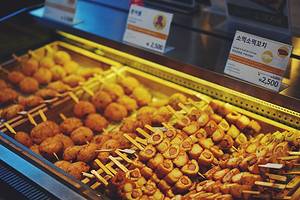
Sehwa Folk Five-Day Market is located in the eastern part of Jeju and is a traditional market that opens every five days according to the lunar calendar. Market stalls sell fresh seafood, vegetables, fruits, local specialties, and snacks, showcasing scenes of local residents buying and selling. Visitors can taste freshly made snacks, purchase agricultural products and dried goods, and experience the market culture closely intertwined with the lives of Jeju residents.
Cafe Glenco is a cafe in Jeju famous for its garden of pink grass (Pink Muhly), known as one of the largest plantations of pink muhly grass in Jeju. During the blooming season, the entire outdoor area is surrounded by a pink sea of grass, making it perfect for photography. The cafe offers drinks and desserts, combining natural scenery with a relaxing experience, and is a popular hotspot on social media.
Chunmi Restaurant is a dining spot specializing in traditional Jeju home-style cuisine, renowned for its variety of side dishes and authentic flavors. It typically serves Korean-style set meals, which include fish, vegetables, and soups, allowing tourists to sample multiple Jeju flavors in one meal. It is a good choice for visitors wanting to experience local family-style cooking.
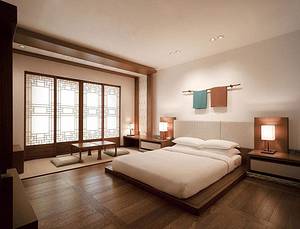
Jeju Shilla Hotel is located in the Jungmun Tourist Zone and is a high-end resort hotel featuring ocean-facing rooms and comprehensive leisure facilities, including indoor and outdoor pools, a spa center, and multiple restaurants. The hotel has a dedicated children's play area and game room (e.g., entertainment spaces equipped with gaming consoles), making it ideal for family travelers. With exquisite landscaping and excellent service, it is one of Jeju Island's representative luxury accommodations.
Lotte Hotel Jeju is also located in the Jungmun Tourist Resort Zone and is notable for its resort-style architecture, outdoor pool, and family-friendly facilities. The hotel offers a supervised indoor children's area suitable for families traveling with kids. Compared to other high-end hotels, it offers better cost-effectiveness while still providing a full range of dining and services. It is a popular accommodation choice for mid-to-high-end tourists visiting Jeju.