[Jeju Island 3-Day Trip] - Romantic Coastal Scenery and Shooting Experience Fun [Itinerary Planning]
2 cities |
9 attraction(s) |
total distance 238
km
 TIPS
TIPS
Day1
Day2
Day3
Day1: Jeju-do
2 attraction(s) ·
10 km
1

Tranquil stretch of white sand known for its clear, turquoise water & views of Biyangdo Island.
10
km

Day2: seogwipo > Jeju-do
3 attraction(s) ·
15 km
1

Formed by volcanic eruptions, this unique, crater-style peak is said to resemble an ancient castle.
6
km
2
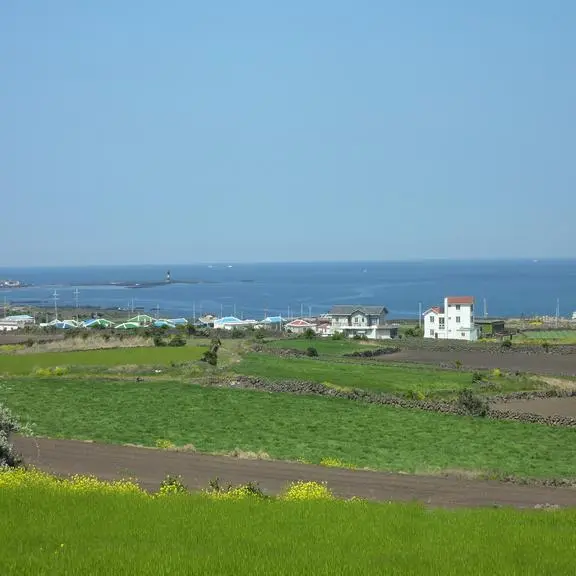
Udo Island, a beloved island in Jeju Island. The south side boasts the Bull Head Peak and the Lighthouse Park, and the coastline stretches with cliffs that are uniquely eroded by the sea. The entire island is a lava plateau, with fertile and flat areas scattered throughout. The coastal scenery on the island has attracted numerous film and television works, including the well-known Korean variety shows "Family Birth" and "Two Days and One Night". These famous guests have made Udo Island tourism a beautiful scenic spot.
9
km
3

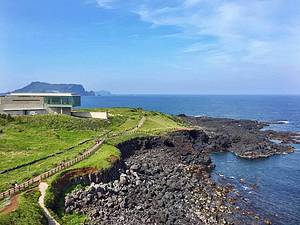
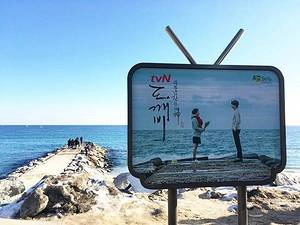
At the end of the trail, there is a lighthouse standing on a protruding land, with a windproof stone wall along the way. Crossing the stone wall reveals a field of rapeseed flowers, blooming brightly every April. The iron steps on the lighthouse make it easy to reach the top, where you can admire the beautiful coastal scenery from the railing. On the wide grassy coastal cliff stands a rock called Xianshi. This is Sheji Cape, formerly known as Sheji, which means prominent terrain in the Jeju Island dialect. This is a corner of the eastern coast of Jeju Island, with a preserved stone structure watchtower on a gentle slope, about 4 meters high and 9 meters long. Sheji Cape became famous because of the TV drama "Locheng Life and Death Love", and now it has attracted more fans because of "The Man Who Became King for the Sake of Love". At Sheji Cape, there is also the earliest TV drama museum in Korea called "All in House". On the way to the lighthouse, the windproof stone wall and the rapeseed field form a beautiful scenery, which can be refreshing.
Day3: Jeju-do
4 attraction(s) ·
101 km

2
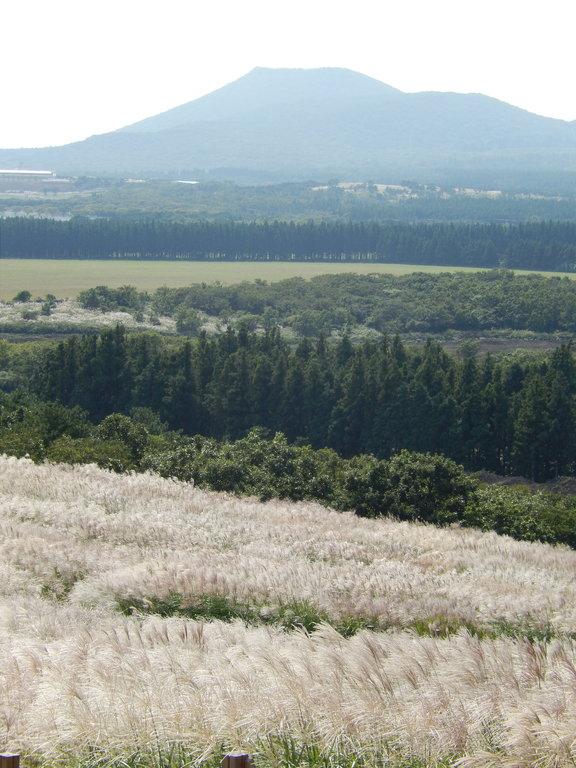
Sanjungbong Peak is a special volcano on Jeju Island and is considered a gem among low-level volcanic craters. Unlike other volcanoes, Sanjungbong Peak was not covered by lava during its eruption, so it formed a 2-kilometer-long hole called the "flat volcano mouth," which is Korea's 263rd natural monument. The distribution of plants inside the volcano mouth is also very special, divided into temperate and subtropical regions due to differences in water erosion and sunlight, growing different types of plants. Yellow stem orchids, tiger lilies, and cold berries are rare plants. In addition, there are many rare plant communities such as golden-leaf eggplant, Changshan, Jeju bamboo, and side golden-flowered evening primrose. Sanjungbong Peak is also a habitat for many wild animals, such as deer, badgers, birds, and reptiles. In the spring, white clouds float beneath the volcano mouth, and wildflowers such as plum blossoms and dragon's heads bloom, making this place even more mysterious. Tourists also come here to climb Sanjungbong Peak and experience this heavenly landscape.
17
km
3

Recreational beach with a broad, white-sand shore & blue waters, plus cafes & restaurants.
50
km
4
주상절리
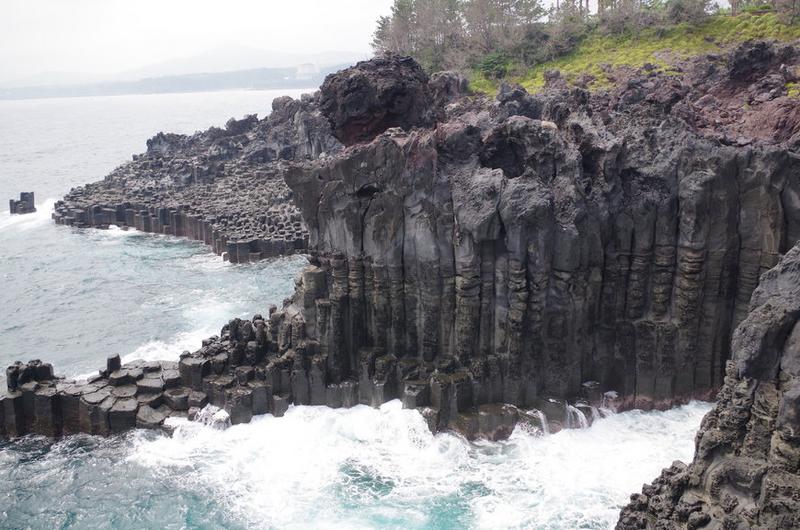
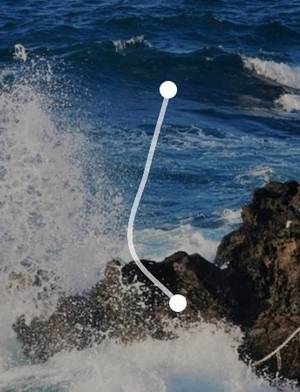
Jeju Island's columnar jointing belt is a natural reserve made up of hexagonal rock pillars formed when lava from Hallasan Mountain flowed into the sea and cooled. These pillars vary in height and shape, and are awe-inspiring in their beauty as if they were intricately carved.