Four Days in Guizhou: Exploring Scenery and Culture
3 cities |
5 attraction(s) |
total distance 410
km
 TIPS
TIPS
Day1
Day2
Day3
Day4
Day1: Guiyang
1 attraction(s) ·
0 km
1
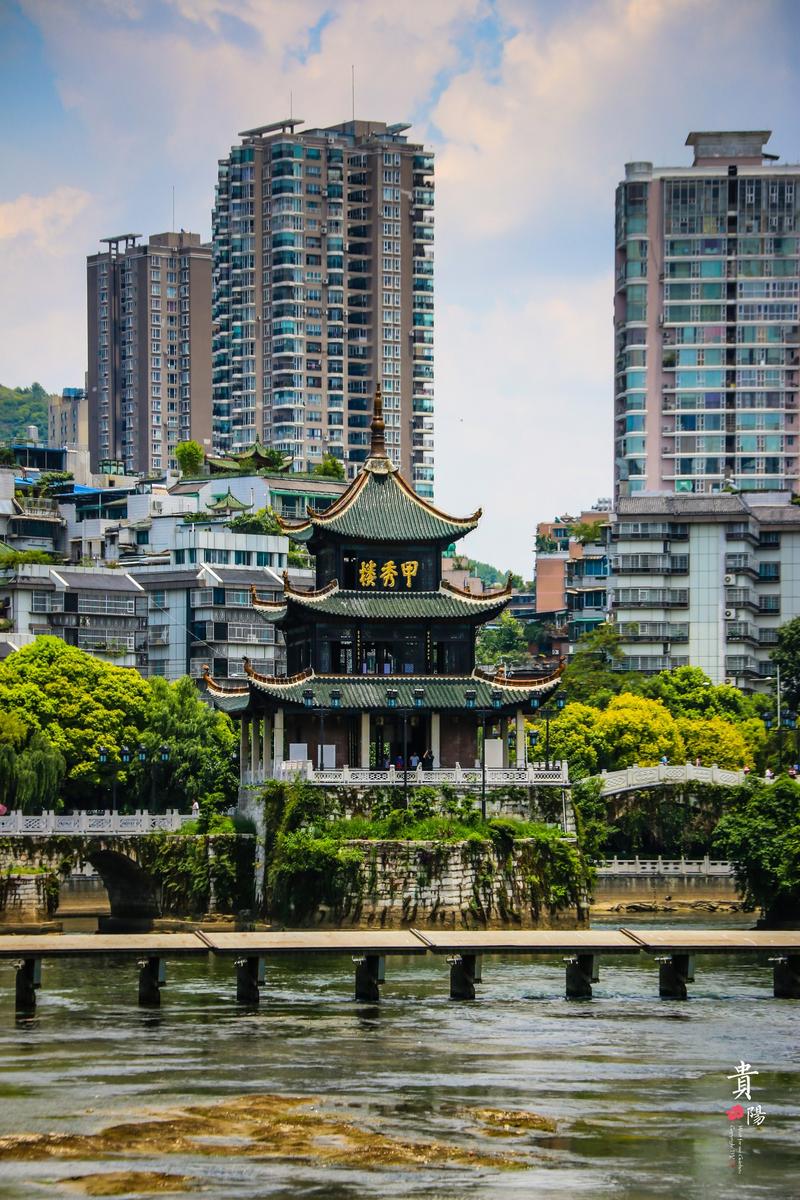
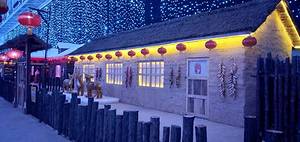
Jiaxiu Tower is a symbolic building in Guiyang, and everyone who visits Guiyang will go to admire it. The building still exists and was newly built during the Xuantong period of the Qing Dynasty. It has three floors and stands on the Aoji Stone, with the Nanming River in front of it. Crossing the Fuyu Bridge leads to Jiaxiu Tower, and next to it is Cuiwei Garden, which has pavilions and waterside pavilions, giving a feeling of being in Jiangnan. Especially at night, Jiaxiu Tower is more beautiful, with bright lights visible from afar.
Day2: Qiannan
1 attraction(s) ·
0 km

Day3:
0 attraction(s) ·
0 km
Day4: Anshun
3 attraction(s) ·
7 km
1
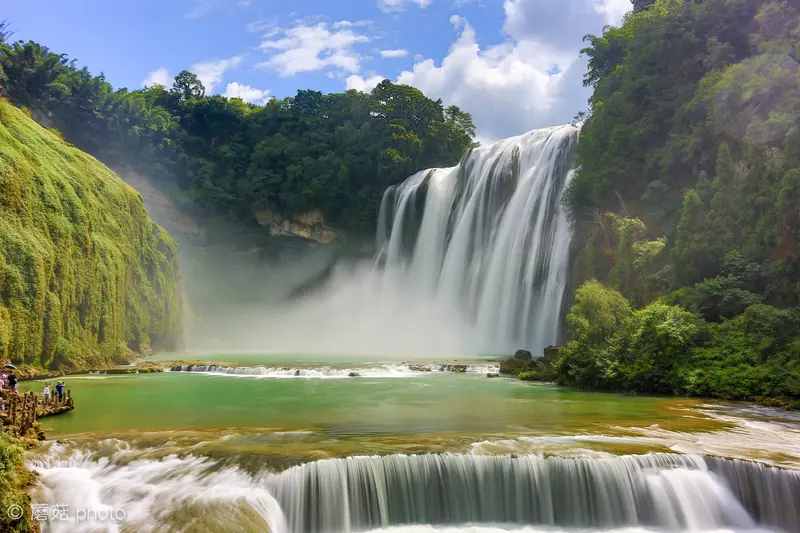
Huangguoshu Waterfall is one of the largest waterfalls in China and Asia, and is also one of the world-famous grand waterfalls. The scenic area has six viewing platforms, which provide tourists with a 360-degree view to appreciate the magnificent scenery of the waterfall. Tourist attractions such as the Water Curtain Cave and Steep Slope Pond are the filming locations of the classic TV series "Journey to the West", making tourists feel nostalgic. In addition, photography enthusiasts can bring their professional SLR cameras to record stunning panoramic photos of the waterfall. The validity period of the ticket is two days, but each scenic area can only be visited once, please be aware.
1
km
2
About one kilometer upstream from the Huangguoshu Waterfall, there is a scenic area called Duopo Tang. This is the widest waterfall, and the cave on the left side of the waterfall makes a low roar during floods, creating a unique resonance, so it is also called "Howl Waterfall". The scenery of Duopo Tang Waterfall is spectacular, and it is known as the filming location for the ending theme song of the 1986 TV series "Journey to the West". If you're lucky, you can also see a rainbow. In addition, there are fish and shrimp hidden in the Bi Tan, and local Buyi people often use nets to catch small fish and shrimp.
7
km