7-Day Jeju Itinerary: Nature Exploration and Food Journey
2 cities |
16 attraction(s) |
total distance 323
km
 TIPS
TIPS
Day1
Day2
Day3
Day4
Day5
Day6
Day7
Day1:
0 attraction(s) ·
0 km
Day2: Seogwipo
3 attraction(s) ·
63 km
1
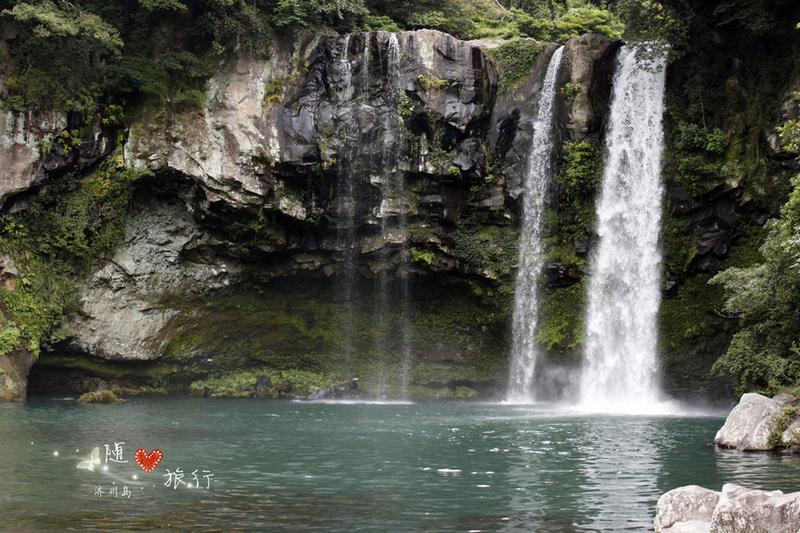
Tian Di Yuan, located deep in the Tian Di Yuan River Valley, is surrounded by dense temperate forests. Here, you can see the flowing water and three-tiered waterfalls pouring down from the forest, which is truly stunning. It is said that many giant eels live in the lake below the waterfall, attracting tourists from all over. Below the waterfall of Tian Di Yuan, there is also an arched "Fairy Bridge" carved with beautiful Seven Fairy Girls and a building known as the "Heavenly Empress Tower," adding romance and beauty to the place. In short, it is a must-visit where you can fully experience the beauty and wonders of nature!
25
km
3
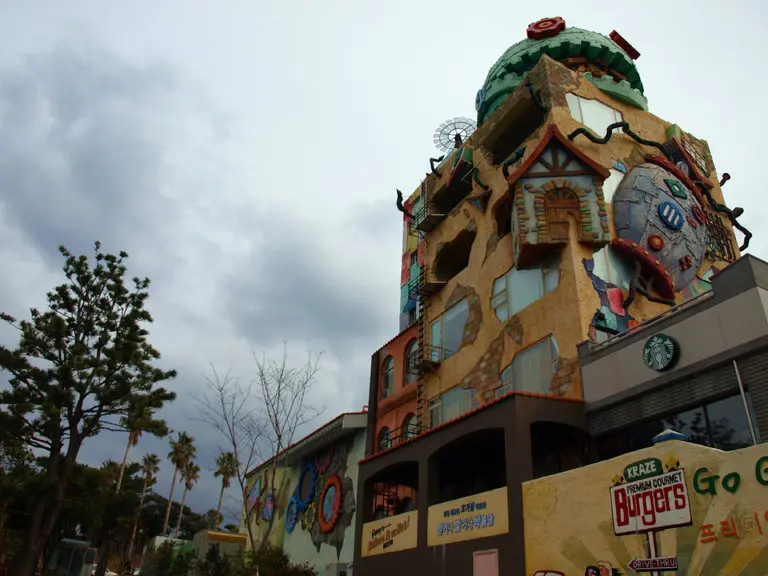
Ripley's Believe It or Not! Museum in Jeju Island is one of the largest museums in the world, centered around the spirit of explorer Robert Ripley. The museum is located at the entrance of Jeju Chinese Tourism District in Seogwipo City and features 12 art galleries, outdoor parks, souvenir shops, cafes, and other facilities. The operator has 31 chain facilities in countries such as the United States, the United Kingdom, Canada, Mexico, and Thailand, with the Jeju Island museum being the 11th chain store in South Korea and the 32nd venue worldwide.
Day3: Seogwipo > Jeju-do
2 attraction(s) ·
2 km
1
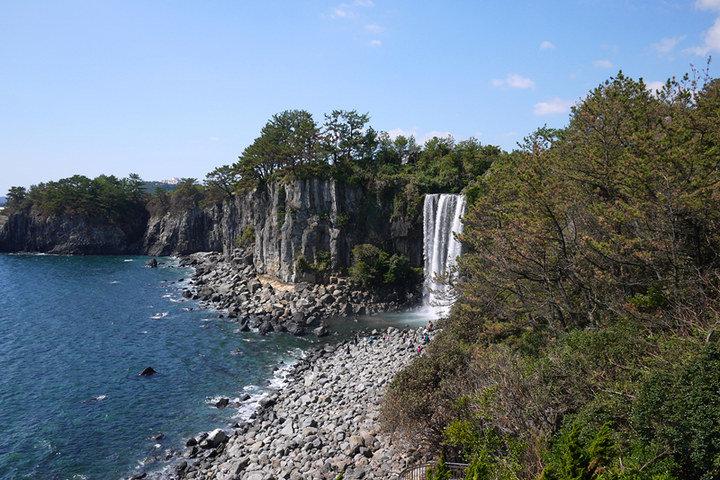
The main waterfall in Dongheung-dong, Seogwipo-si, Jeju Island, South Korea, known as Jeju Island's top three waterfalls along with Cheonjeyeon Waterfall and Cheonjiyeon Waterfall. This is a unique coastal waterfall where the water flows directly into the ocean from the top of the waterfall. In Asia, such a unique waterfall is truly one of a kind.
2
km
2
Day4: Seogwipo > Jeju-do
2 attraction(s) ·
6 km
1

Formed by volcanic eruptions, this unique, crater-style peak is said to resemble an ancient castle.
6
km
2
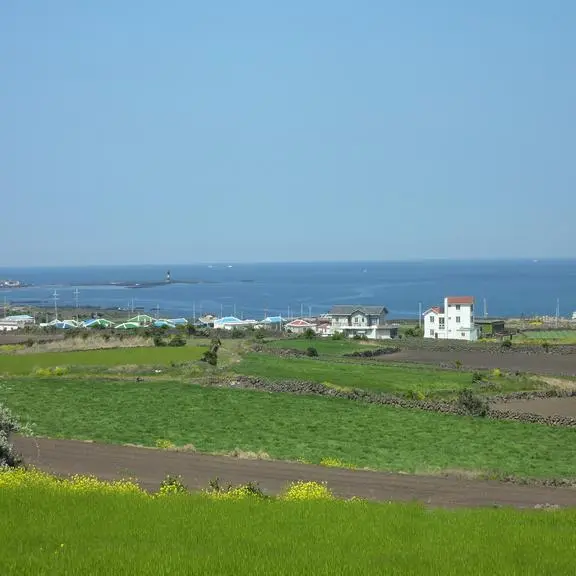
Udo Island, a beloved island in Jeju Island. The south side boasts the Bull Head Peak and the Lighthouse Park, and the coastline stretches with cliffs that are uniquely eroded by the sea. The entire island is a lava plateau, with fertile and flat areas scattered throughout. The coastal scenery on the island has attracted numerous film and television works, including the well-known Korean variety shows "Family Birth" and "Two Days and One Night". These famous guests have made Udo Island tourism a beautiful scenic spot.
Day5: Jeju-do
2 attraction(s) ·
17 km
1
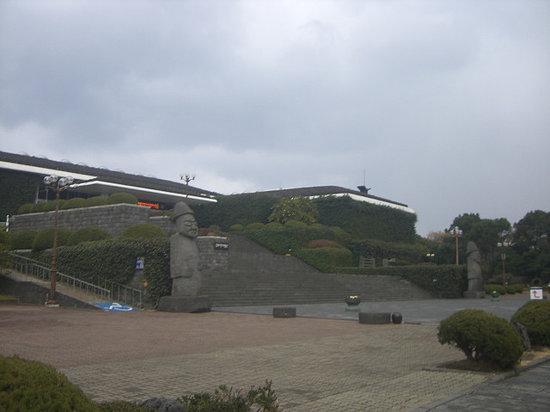
Jeju Folklore Museum preserves a large amount of folklore materials dating back to 1890. Over 100 traditional Korean houses are exhibited here, which were not merely built in a similar way, but were reconstructed using actual stones and pillars used on Jeju Island to reproduce their original appearance. The museum also displays around 8,000 objects related to the life of traditional houses, such as daily necessities, agricultural tools, fishing gear, and furniture. Historical relics such as houses used for administrative affairs during the Joseon Dynasty and a prison for detaining criminals are also preserved here.
Visitors can see various performances of folk customs, folk songs, legends, and dialects, which represent intangible cultural heritage that has been well preserved and restored, showcasing a famous intangible cultural home. The Small Theme Park of Dae Jang Geum and the filming location of the MBC television drama "Dae Jang Geum" are in the same place, recording the doctor life of Dae Jang Geum on Jeju Island, which is one of the famous local attractions.
17
km
2
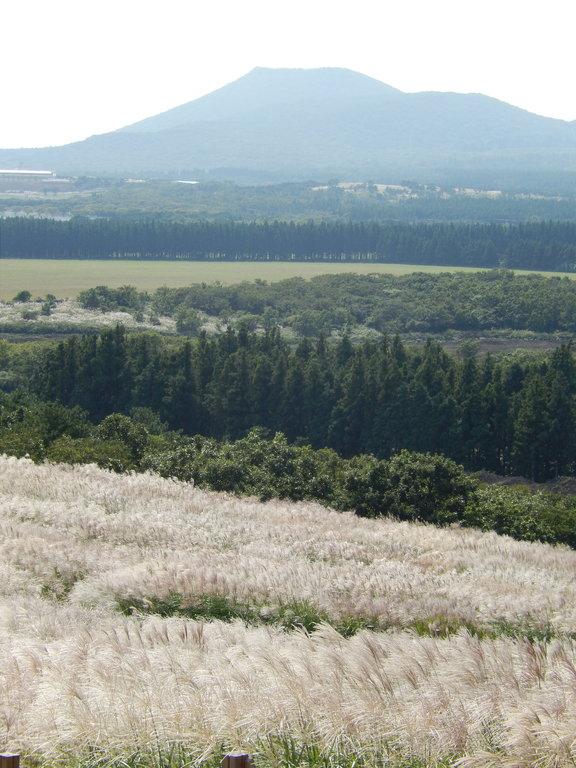
Sanjungbong Peak is a special volcano on Jeju Island and is considered a gem among low-level volcanic craters. Unlike other volcanoes, Sanjungbong Peak was not covered by lava during its eruption, so it formed a 2-kilometer-long hole called the "flat volcano mouth," which is Korea's 263rd natural monument. The distribution of plants inside the volcano mouth is also very special, divided into temperate and subtropical regions due to differences in water erosion and sunlight, growing different types of plants. Yellow stem orchids, tiger lilies, and cold berries are rare plants. In addition, there are many rare plant communities such as golden-leaf eggplant, Changshan, Jeju bamboo, and side golden-flowered evening primrose. Sanjungbong Peak is also a habitat for many wild animals, such as deer, badgers, birds, and reptiles. In the spring, white clouds float beneath the volcano mouth, and wildflowers such as plum blossoms and dragon's heads bloom, making this place even more mysterious. Tourists also come here to climb Sanjungbong Peak and experience this heavenly landscape.
Day6: Jeju-do
2 attraction(s) ·
26 km
1
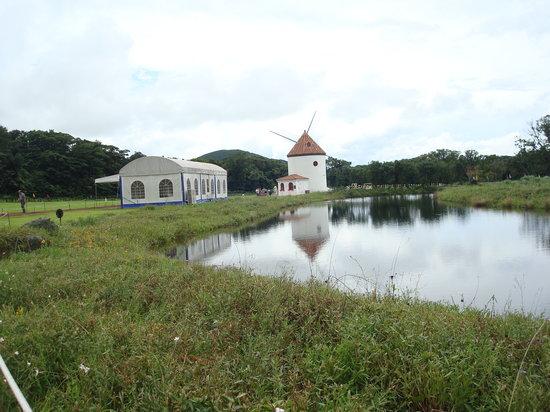
Jeju Forest Train Ecological Park is a theme park that allows visitors to ride on a handmade train modeled after the 19th-century Baldwin steam locomotive, called the Lincoln train, and experience the Gujwa Native Forest, which covers an area of 300,000 square meters. There are five small trains in the park, each painted with five representative ecological colors of Jeju Island. Red represents volcanoes, black represents basalt, yellow represents canola flowers, green represents green spaces, and blue represents the sky. Taking the forest train, visitors can tour the Hanla Mountain Native Forest, starting from the main station and stopping at the Eco Bridge Station, Lake Side, Picnic Garden, Green Tea & Rose Garden, and finally returning to the main station.
The Gujwa Native Forest in which the Jeju Forest Train Ecological Park is located not only preserves water sources but also has good insulation and moisturizing effects. It is a mysterious forest where plants from the northern border and plants from the southern border coexist. Here, you can feel the power of life that covers lava with tenacious vitality and creates a paradise for animals and plants. During the 4.5 km train journey, you can observe the insects, animals, and diverse plants that inhabit the Gujwa area and learn about the infinite blessings that nature has given us.
26
km

Day7: Jeju-do
5 attraction(s) ·
98 km
1

Jeju Island airport offering flights to domestic destinations & cities in China, Japan & Taiwan.
30
km

3
Changsha (Jinmosal) is a beach located in the coastal region of China. The beach boasts a breathtaking length of 560 meters and an average water depth of 1.2 meters. The sand on the beach comes in a variety of colors, including black, white, red, and gray. When summer comes, it becomes a popular destination for tourists to enjoy ocean sports. There is also a naturally formed sea erosion cave on the cliff next to the beach, which reaches a height of 15 meters and is surrounded by boulders. This location is also often used as a filming location for movies.
53
km