Chongqing Family Adventure: 5-Day Fun for All Ages
1 cities |
13 attraction(s) |
total distance 1311
km
 TIPS
TIPS
Day1
Day2
Day3
Day4
Day5
Day1: Chongqing
3 attraction(s) ·
24 km
1
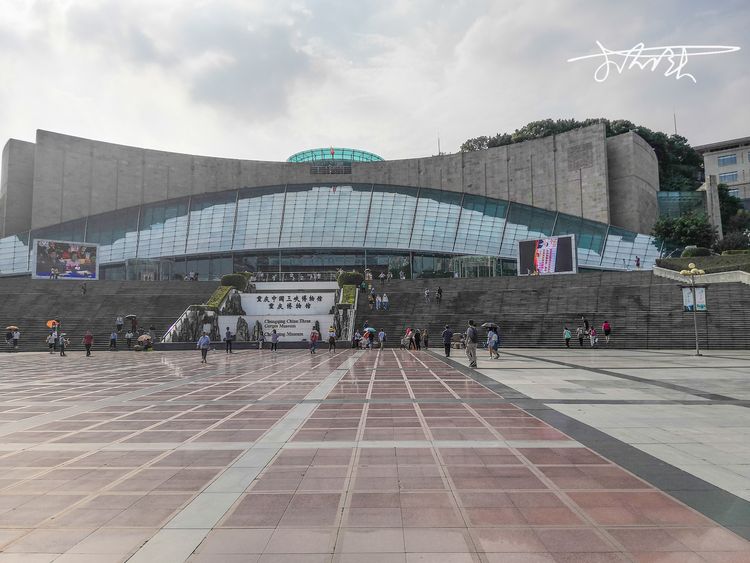
This museum is built on a high location and together with the People's Square and the People's Great Hall, it forms a magnificent architectural complex. The museum houses a rich collection of cultural relics from various dynasties, such as ceramics, calligraphy and painting, and coins. The museum has four floors, including a 360-degree panoramic film and four basic exhibitions, namely "Magnificent Three Gorges," "Ancient Ba Yu," "Chongqing: The City Road," and "The War Years." In addition, there are six special exhibitions.
The "Magnificent Three Gorges" exhibition hall collects a large number of actual items and restores the original appearance of the Three Gorges. The museum provides free guided tours based on the daily number of visitors and does not require tickets. In addition, there is a free luggage storage area at the entrance of the museum's first floor.
11
km
2
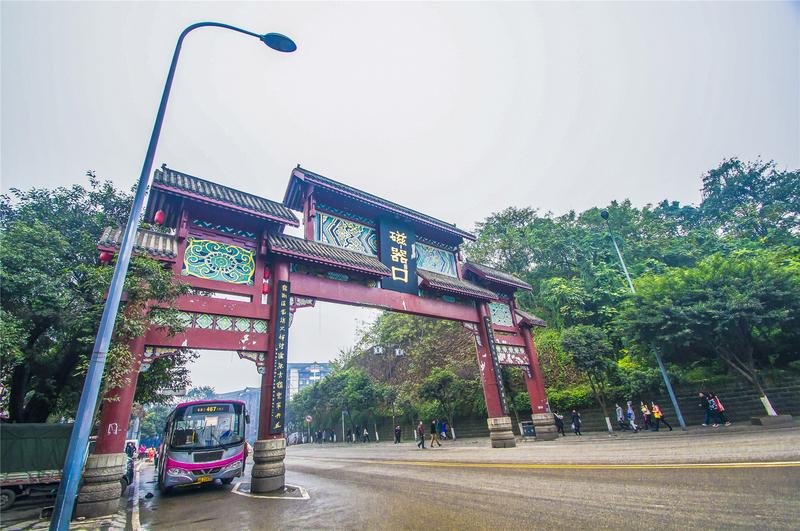
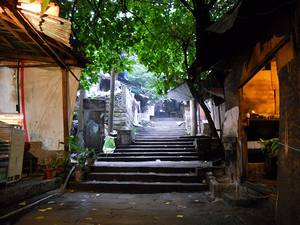
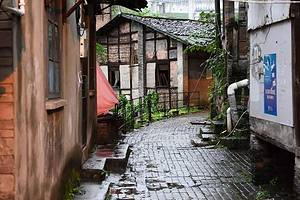
-Ciqikou is a famous historic and cultural street in China, and one of the traditional streets that is protected as key in Chongqing. It is also one of the "New Ba-yu Twelve Scenes" of Ba-yu folk culture tourism circle.
-When you come to Ciqikou ancient town and walk on the bluestone roads, taste local specialties, and sit in a teahouse to experience the customs and culture of Chongqing.
-The main entrance of Ciqikou has narrow slate roads lined with vendor shops that sell various snacks and specialities, particularly the Chen Mahua and Chicken Organ Soup shops. This is perfect for a foodie to take a stroll and eat their way through the town.
-If you are a traveler who dislikes crowded places, you may want to turn into a few alleys and savor the most authentic life.
14
km
3

For locals in Chongqing, the Chongqing Yangtze Cableway is often just a means of transportation, but for tourists, it is an impressive sightseeing experience. Riding the cable car feels like being inside a large glass box filled with people, but the sensation of crossing the Yangtze River is incredible. Despite the transparent glass surrounding the cabin, one can still enjoy clear views of the beautiful scenery on both sides of the river. Furthermore, once you reach the other side, there is no rush to take the cable car back, as you can admire the scenery and take photos there. The views during the day and night are completely different: during the day, you can appreciate the beauty of both sides of the river, while the night skyline is magnificent. Of course, good weather is a prerequisite. Most people choose to take the cable car from the Xin Hua Road station to the Shangxin Street station on the other side, so there are often fewer passengers in the opposite direction, making it easier to secure a window seat for better views. Therefore, if you are only traveling one way, it is also worth considering taking the cable car in the opposite direction.
Day2: Chongqing
2 attraction(s) ·
93 km
1

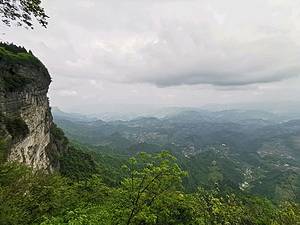
- Here is a typical karst landform, a natural wonder of the world, very spectacular and shocking.
- The three bridges are Tianlong Bridge, Qinglong Bridge, and Heilong Bridge. From the entrance of the sightseeing elevator, you can directly see the Tianfu Guanyi by going down to the bottom of the first bridge, Tianlong Bridge.
- The scenic area adopts a one-way tour route. There is no exit if you turn back. There is more walking in the scenic spots, so it is best to wear comfortable shoes.
- The off-season tickets are relatively cheap. If there is no holiday, you can choose to avoid the crowd in the off-season and enjoy the scenery here.
93
km
2
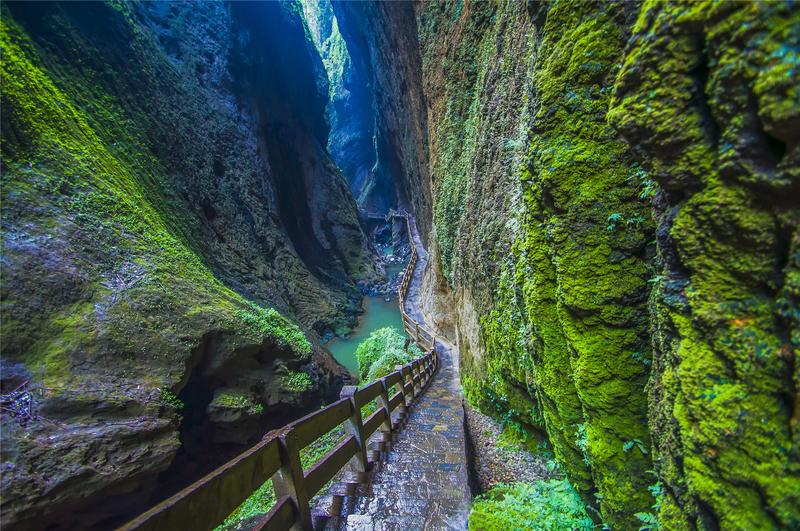
This is a Karst geological wonder formed by mountain-building movements millions of years ago. The canyon walls are steep and deep, allowing you to fully enjoy the fun of underground passage.
The Fault Groove Canyon is 5 kilometers long, of which about 2 kilometers can be visited. It consists of three sections: the entrance fault, the middle tunnel, and the exit gorge.
The canyon is as deep as 200 to 500 meters, with cliffs and steep rock walls on both sides. The primitive forest is dense inside the valley, with continuous waterfalls and streams, giving people a magnificent feeling.
When visiting, pass through the deep mountain cave and take a direct elevator down to 80 meters underground. When coming out of the elevator, the view is wide and you can see the waterfall close at hand, which is endlessly enjoyable.
Day3: Chongqing
3 attraction(s) ·
10 km
1
There is a large comprehensive park in Yangjiaping, Jiulongpo District, built in 1954. It has more than 20 animal pavilions, hosting over 150 species and more than 1200 animals. It is home to rare animals such as giant pandas, golden monkeys, and firebirds, making it a standing director of the China Zoo Association and a member unit of the World Association of Zoos and Aquariums.
10
km
2
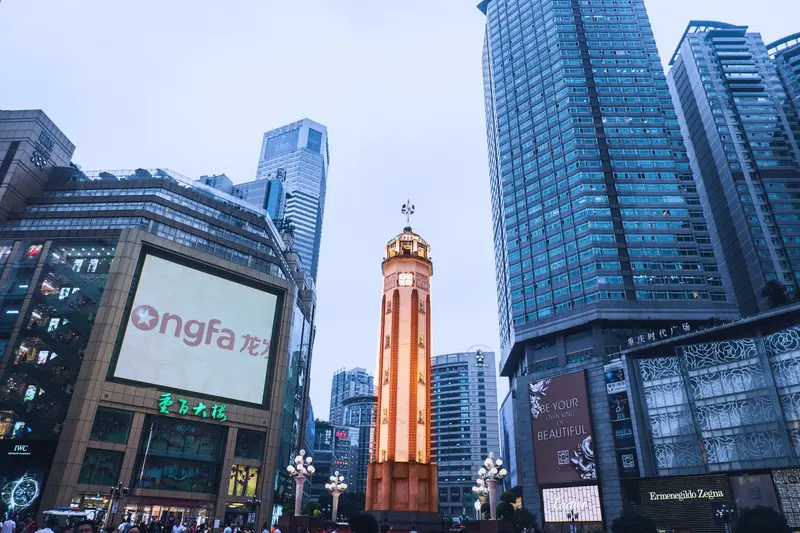
One of the landmarks in Chongqing is the Monument to the Victory of the Anti-Japanese War and the Liberation of the People. This place symbolizes the victory of the anti-Japanese war and is the only monument in China dedicated to commemorate the victory of the Chinese people's resistance against Japan. It is also a witness to the history of liberation. The surrounding areas such as Minquan Road, Zourong Road, and Bayi Road, which are centered around the Liberation Monument, are bustling commercial areas.
On the Bayi Road Food Street, you can almost taste all the delicious Chongqing cuisine. The whole area has shopping malls, such as Guotai Plaza, Chongbai Building, Metropolis Orient Plaza, Xie Xin Starlight Plaza, Bayi Art Plaza, and Chongqing Times Plaza, which are perfect for shopping and leisurely strolls.
Visiting the Liberation Monument at night may be the best time, as the nightlife of Chongqing residents also comes to life after dark and the entire Liberation Monument area is bustling with people.
1
km
3
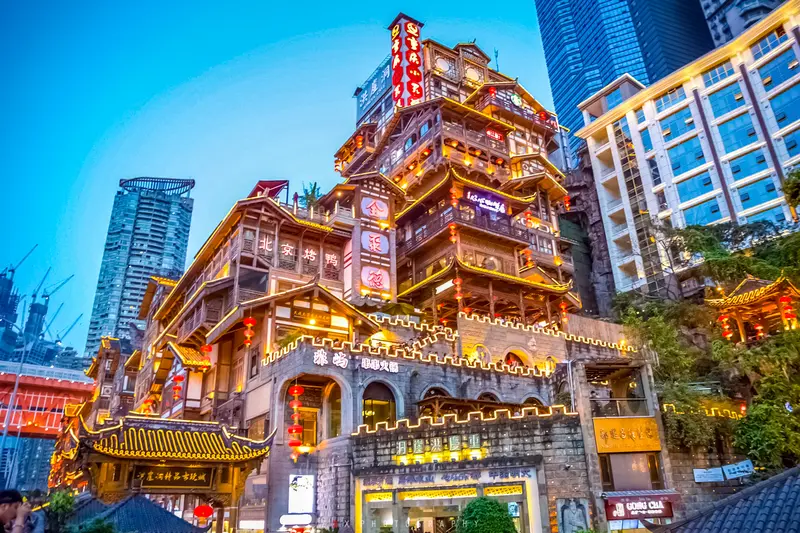
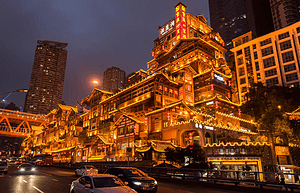
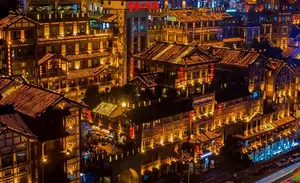
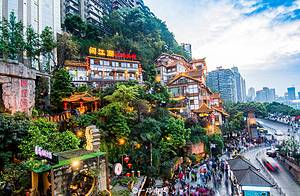
Hongya Cave Folk Customs Area is a national AAAA tourist scenic area and, together with Chaotianmen Square and Liberation Monument Business District, constitutes the most popular tourist destination in Chongqing for both locals and visitors. Combining the ancient Ba-Yu stilted building architectural art with innovative thinking and injecting new cultural concepts, Hongya Cave perfectly blends into the river and cityscape, distributed in a scattered and orderly manner along the 75-meter high extraordinary drop. It is a condensed summary of Chongqing's 3,000-year cultural history, integrating Chongqing's unique Ba-Yu folk culture, mountain residential architectural culture, and pier culture, becoming a world-renowned urban business card.
Today, Hongya Cave Folk Customs Area has become the second most popular tourist attraction in Chongqing, second only to the Palace Museum. Every day, tourists from all over the world flock here to experience the unique humanistic connotations and architectural features. In order to improve the tourist experience and ensure tourism safety, Hongya Cave has implemented online reservation ticketing since July 1, 2019. Tourists can make reservations in advance on the official WeChat account "Hongya Cave," obtain a free electronic admission ticket, or enter the park by queuing up on-site with their ID cards. Online reservation is the only way to enter the park, so tourists must pay attention to the safety of their belongings to avoid being deceived. We sincerely hope that you will enjoy a pleasant time at Hongya Cave.
Day4: Chongqing
2 attraction(s) ·
331 km
1
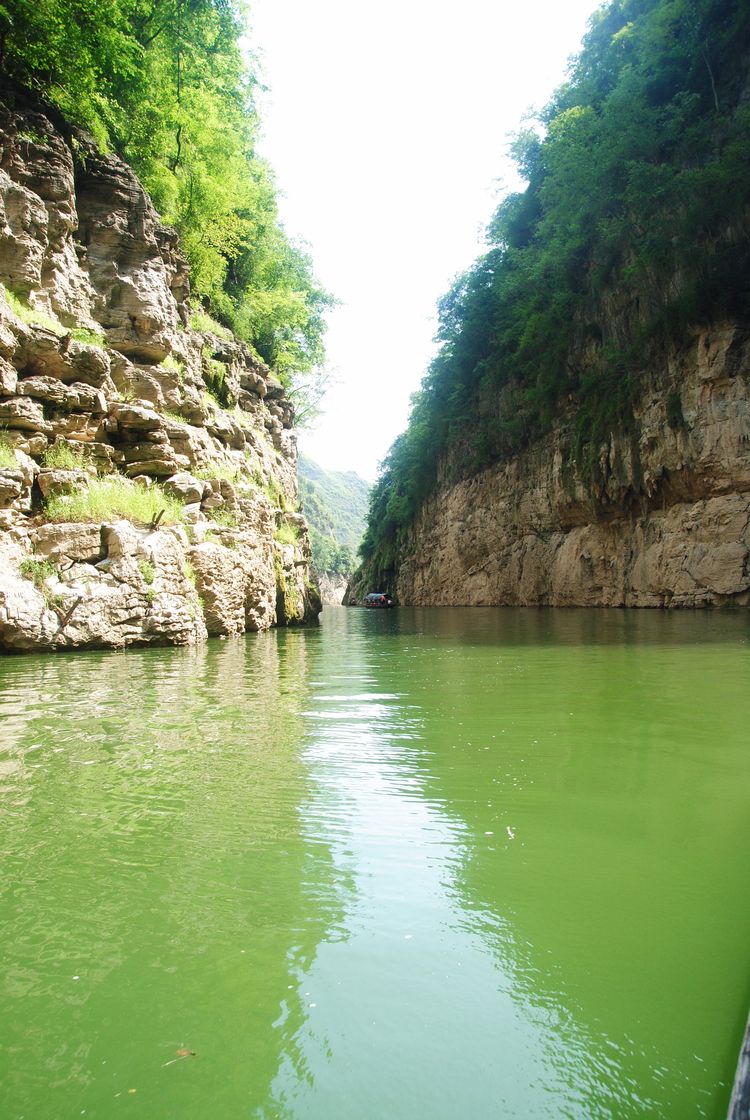
The Three Gorges of the Yangtze River extend from Baidi City in Fengjie County, Chongqing to Nanjin Pass in Yichang City, Hubei, with a total length of 193 kilometers. The scenery features steep peaks and cliffs on both sides, with the Qutang Gorge, Wu Gorge and Xiling Gorge located in the west, middle and east parts of the Three Gorges, respectively. In addition, there are also the Small Three Gorges of the Daning River and Maodu River, as well as scenic spots such as Shibaozhai, Zhangfei Temple and Tuogu Hall in Wushan County, Chongqing, all with unique buildings and natural landscapes. The Three Gorges of the Yangtze River is an important cultural symbol in Chongqing, with "The Three Gorges of the Yangtze River - Kuimen" as the back pattern of the fifth set of RMB 10 notes, attracting much attention. Starting from February 19, 2018, the south ship lock of the Three Gorges Dam Project will be closed for maintenance for 33 days, while the north ship lock will operate in a unidirectional and timed reversal manner.
331
km
2

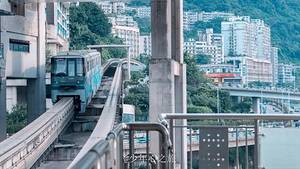
Neighborhood, buildings, squares, tracks, and bridges are blended together, making the city multidimensional and integrated, where emotions also come alive. If you are used to seeing light rail running through buildings, the working people under the high-rise buildings will definitely give you a different feeling.
Day5: Chongqing
3 attraction(s) ·
153 km

2
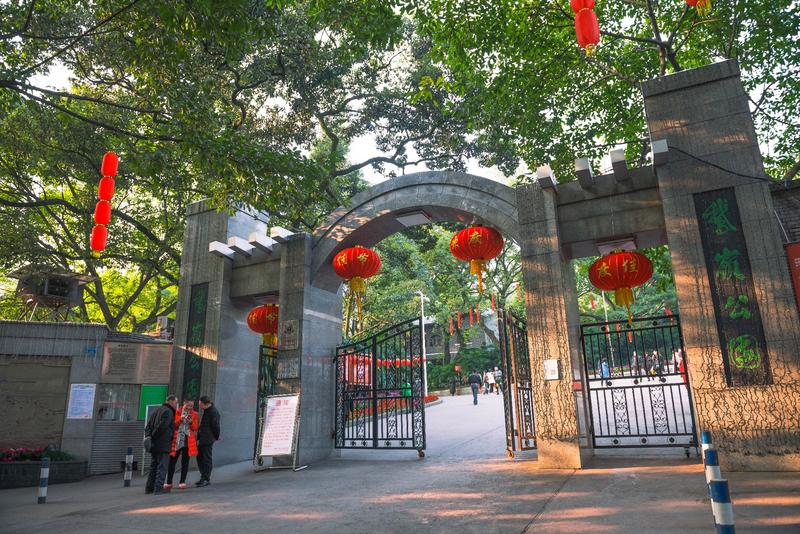
Eling Park is located on Changjiang Road in Yuzhong District, Chongqing, and is named for the peaks in the park that resemble the head and neck of a goose. It is the earliest private garden in Chongqing and was originally the location of Li Yaoting's villa, the first president of the Chongqing Chamber of Commerce and a wealthy merchant in the late Qing Dynasty. The park is south of the Yangtze River, north of the Jialing River, east of Yuzhong, and west of Futuguan. Standing on Kansheng Tower, you can overlook the two rivers and the night view of Chongqing, making it the best place to enjoy the beautiful scenery.
121
km
3

Wulong Scenic Area has rare karst landforms, including karst caves, fissures, canyons, peaks, and highland meadows. In 2007, it was selected as a World Natural Heritage site along with Libo in Guizhou and Shilin in Yunnan, under the name "South China Karst". Natural Three Bridges, Fairy Mountain, and Furong Cave are the main tourist attractions, suitable for visiting in all seasons.