[Comprehensive Travel Log] 11-Day Self-Driving Tour of France, Switzerland, and Italy [Milan-Venice-Florence-Lausanne]
15 cities |
33 attraction(s) |
total distance 8609
km
 TIPS
TIPS
Day1
Day2
Day3
Day4
Day5
Day6
Day7
Day8
Day9
Day10
Day11
Day1: Milan > Dolomites
2 attraction(s) ·
231 km

2

Located at an altitude of 2218 meters on the Dolomite plateau, Sella Pass is situated between the Langkofel and Sella group peaks. From here, one can admire several famous peaks in the Dolomites, including the "Queen of the Dolomites," Marmolada. Each season has its own charm here, with winter being ideal for hiking and leisure activities, while summer becomes a popular skiing destination. Cycling enthusiasts and motorcycle enthusiasts also pass through here to enjoy the beautiful scenery and take a break. There are also many restaurants in the surrounding area that provide supplies. During peak season, visitors can take a cable car to higher elevations to enjoy breathtaking views!
Day2:
0 attraction(s) ·
0 km
Day3: Garda > Mestre > Venice
6 attraction(s) ·
137 km
1
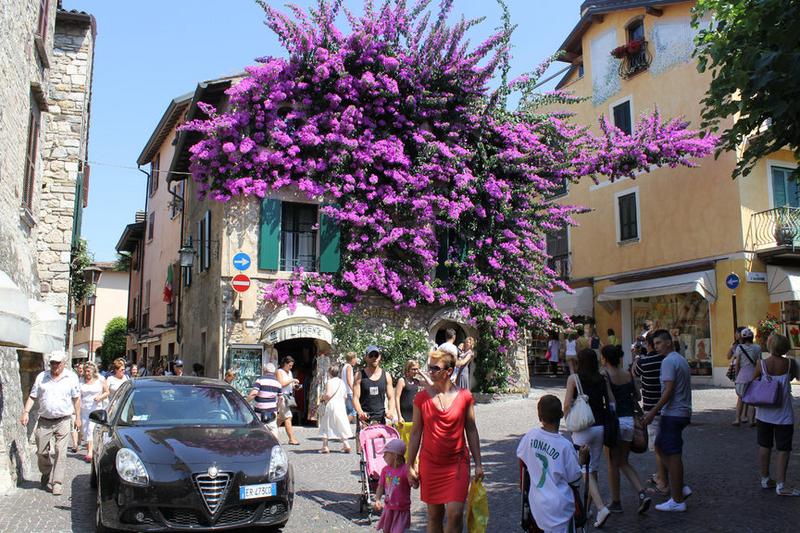
Lake Garda is one of the largest lakes in Italy and has been fully developed, but has relatively few attractions. It is one of the most popular lakes in Italy, surrounded by steep cliffs. It is also one of the favorite places for European windsurfers. Many small towns are located along the lake, including Sirmione, which is the most popular among Europeans. Sirmione means "treasure in the middle of the island" and is located in the southern part of Lake Garda. A magnificent castle stands on the city gate, and a small bridge connects it to another castle.
134
km
3
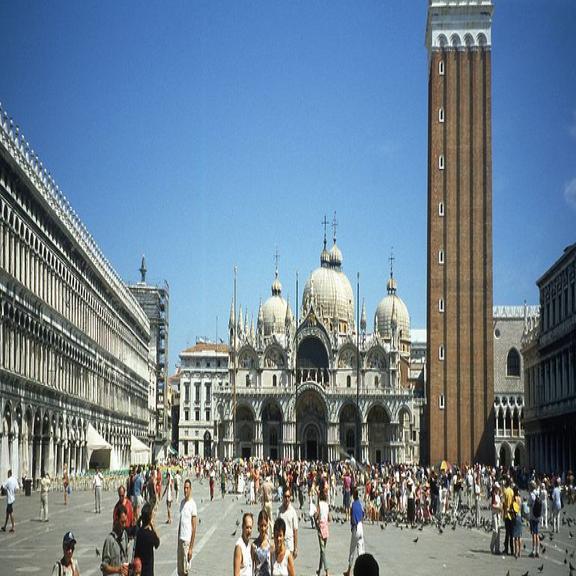
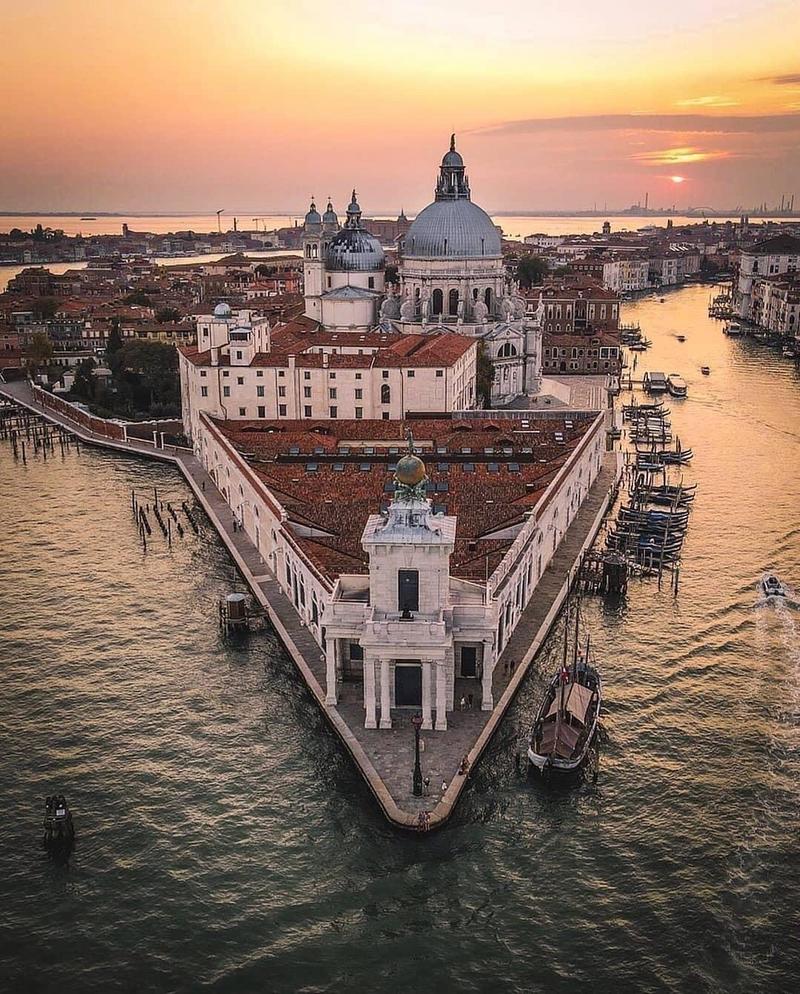
St. Mark's Square is a landmark of Venice, Italy, located in the city center. It is the only square in Venice that is referred to as a "Piazza," while others are referred to as "Campi." St. Mark's Square is unique among European cities because it is located in the city center yet is frequently traversed by relaxed water traffic, free from the noise of vehicles. It has become one of Venice's most iconic landmarks, attracting numerous tourists, photographers, and pigeons. In the 19th century, French Emperor Napoleon praised St. Mark's Square as the "most beautiful drawing room in Europe."
1
km
4
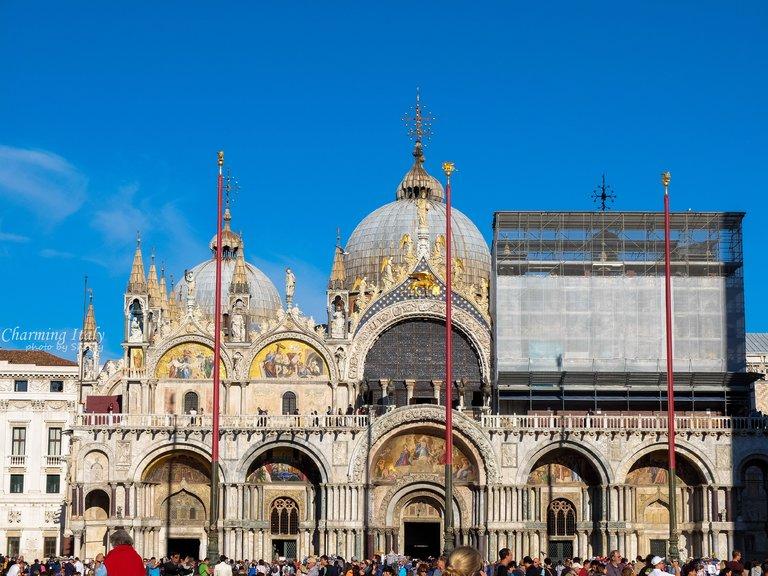
St. Mark's Basilica, located in Venice, Italy, is a famous Catholic cathedral and a papal basilica. It is renowned as one of the world's most famous churches and is known for its Byzantine architectural style. The cathedral serves as the final resting place of St. Mark, the patron saint of Venice, and was once the largest church in medieval Europe. It is also considered a classic example of Venetian architectural art and houses a rich collection of artworks. The church is famous for its Greek cross exterior design and five domes, following the Byzantine style. After multiple renovations, it has become a masterpiece that combines Byzantine, Gothic, Islamic, and Renaissance art. The most famous feature of the cathedral is its mosaic-covered facade, decorated with gold. The interior is also renowned for its golden altar and mosaic decorations. When the sunlight shines on it, the cathedral glows with a golden brilliance, earning it the nickname "Golden Cathedral."
1
km
5

Imposing 16th-century square cathedral tower with an angel-topped spire & belfry offering sea views.
1
km
6

Day4: Florence
3 attraction(s) ·
2 km
1
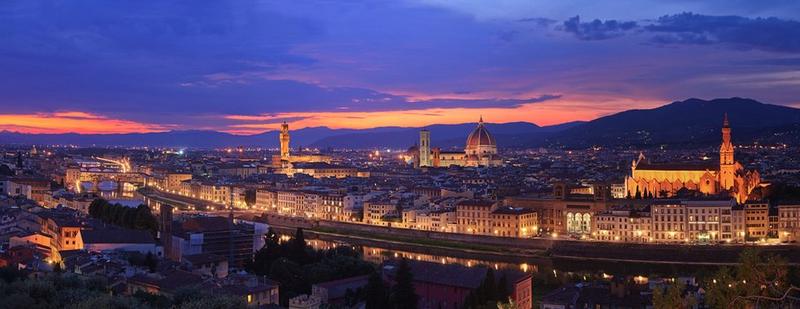
Piazzale Michelangelo is a place located on the south end of the city center of Florence. It is often the first stop for many tourists visiting Florence because from this square, one can enjoy a panoramic view of the city and see the symbol of Florence, the David statue.
1
km
3
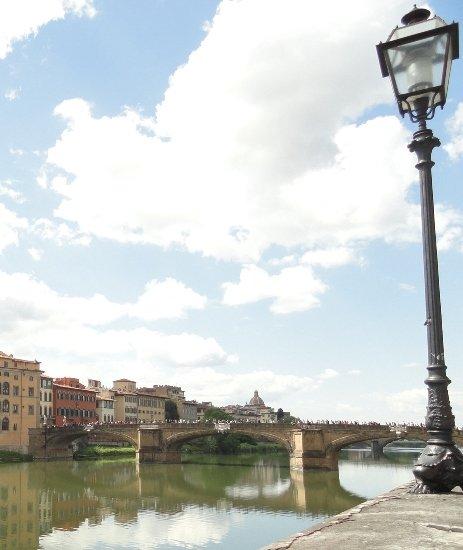
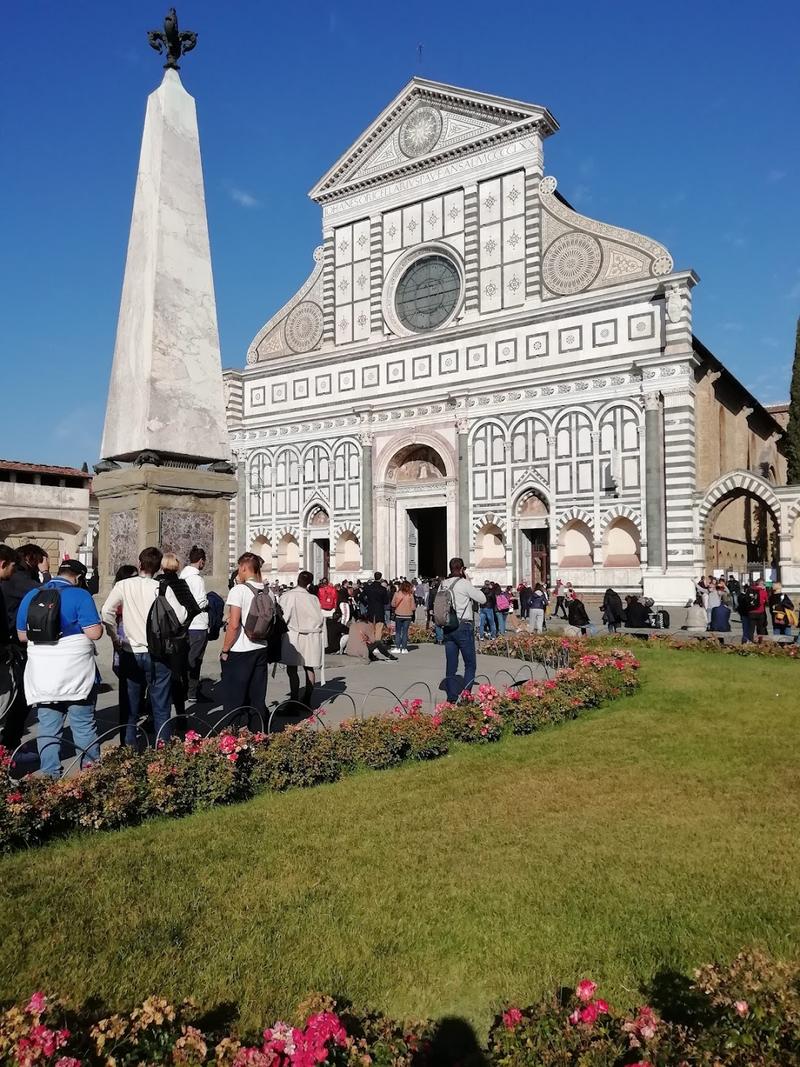
The Arno River is a river in the Tuscany region, considered one of the most important rivers in central Italy, beyond the Tiber River. Cities along its banks include Florence, Empoli and Pisa.
Day5: Florence
4 attraction(s) ·
3 km
1
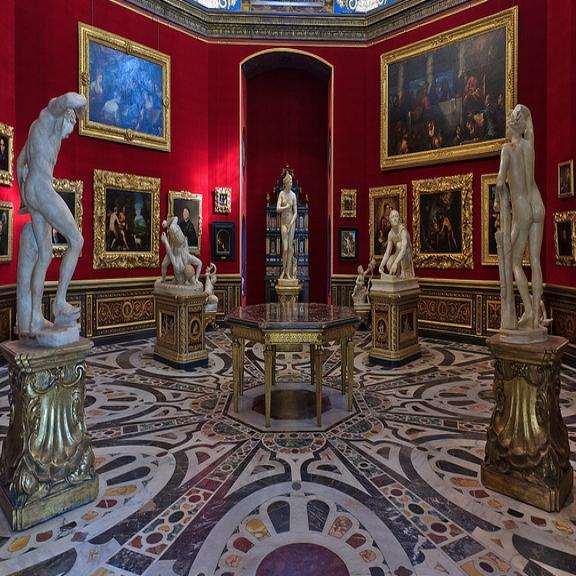
One of Italy's most important art museums, the Uffizi Gallery is also one of the most important art museums in Europe. It displays the richest and most precious treasures left by the Medici family, who funded Renaissance artists such as Leonardo da Vinci, Michelangelo, and Donatello, hence the rich collection of their artworks. The museum has over 100,000 exhibits divided into 46 halls, each of which is worth visiting. However, if time is limited, it is best to visit a few key exhibition halls. The most famous exhibits at the Uffizi Gallery include Botticelli's "Primavera" and "The Birth of Venus," Leonardo da Vinci's "The Adoration of the Magi," as well as Michelangelo's "The Holy Family" and Titian's "Venus of Urbino." The name "Uffizi" means "offices" in Italian, and this was once the Medici family's office. Later, the family descendants donated all their collections to the government, making it a public art museum. Today, the museum mainly displays paintings, while other sculptures are housed in the Bargello Museum. If travelling during peak season (May to September), it is best to book online in advance and arrive early, otherwise the queues will be very long.
1
km
2
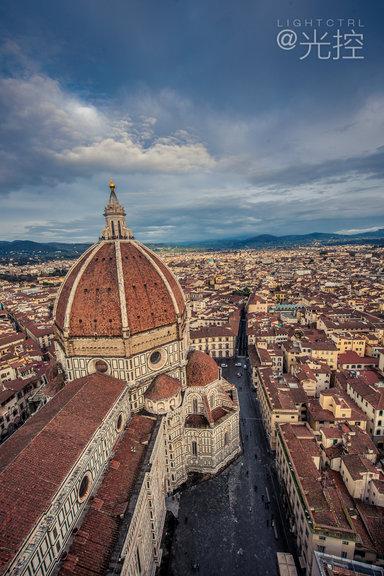
The Cathedral of Santa Maria del Fiore in Florence is a representative building of the early Renaissance and is the fourth largest Catholic cathedral in the world. The dome designed by architect Brunelleschi is a miracle in architectural history. Using an architectural method, scaffolding was not needed, and the hollow structure allows people to climb the dome, overlooking the whole city of Florence and feeling the history and cultural heritage of the city. The exterior of the cathedral is made of green and white marble and is exquisitely solemn, making it well worth a visit.
The Baptistery, a subsidiary building of the Cathedral of Santa Maria del Fiore, is an octagonal building. The gilded door made of brass has survived for over 600 years, and to protect the cultural relic, the original is kept in the cathedral, and what people see now is a 1:1 replica. Next to the cathedral is the uniquely styled Gothic bell tower, which, although designed by the late Giotto, still works and is a true cultural heritage.
2
km
3
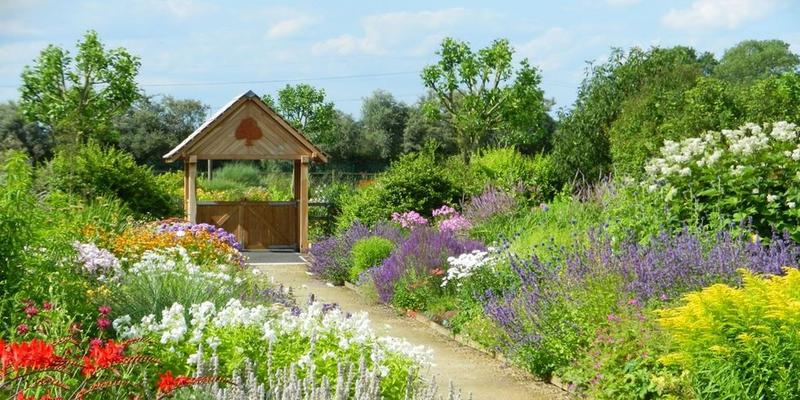
The Pitti Palace, built in 1487, is a huge Renaissance palace commissioned by banker Luca Pitti and later purchased by the Medici family. It served as the residence of the city's rulers for hundreds of years until it was donated to the country by the Savoy family in 1919.
The front of the palace is 205 meters long and 36 meters high, built with massive stone blocks. The only decoration is the lion head sculptures between the window brackets on the ground floor. The protruding wings were built during the Lorraine period. Passing through the arched gate, you can enter the Ammannati courtyard, from where you can see the higher Boboli Hill behind it. The second floor of the palace houses the royal residence and the Palatine Gallery, and the third floor is the modern art museum. There are also the Silver Museum and the Carriage Museum.
Today, the Pitti Palace is one of the world's famous art galleries. It houses a large collection of paintings, jewelry, and sculptures, including 11 works by Raphael. The Palatine Gallery of the Pitti Palace contains precious paintings by artists such as Raphael, Titian, Caravaggio, and Rubens.
1
km
4
Day6: Siena > Bagnoregio > Tuscany
3 attraction(s) ·
167 km
1

Siena Cathedral is a grand architectural structure that, if completed, would become one of the largest churches in the world. However, it was only half completed and is now known as Siena Cathedral. The unfinished part has been transformed into a museum, with the top floor offering views of the entire Tuscan countryside. The cathedral is built with black and white striped marble, similar to the Siena football team's uniform. Located at the highest point of the ancient city, it is covered in black and white marble. The facade of the cathedral combines Romanesque and Gothic styles, with the lower half featuring three Giovanni Pisano-inspired grand doors dating back to the late 13th century, and the upper half in Gothic style. The interior of the cathedral is decorated exquisitely, with 56 intricately laid marble blocks comprising the floor. Spending an hour to admire the entire cathedral is well worth it.
100
km


Day7: Tuscany > Pisa > Milan
5 attraction(s) ·
337 km
2
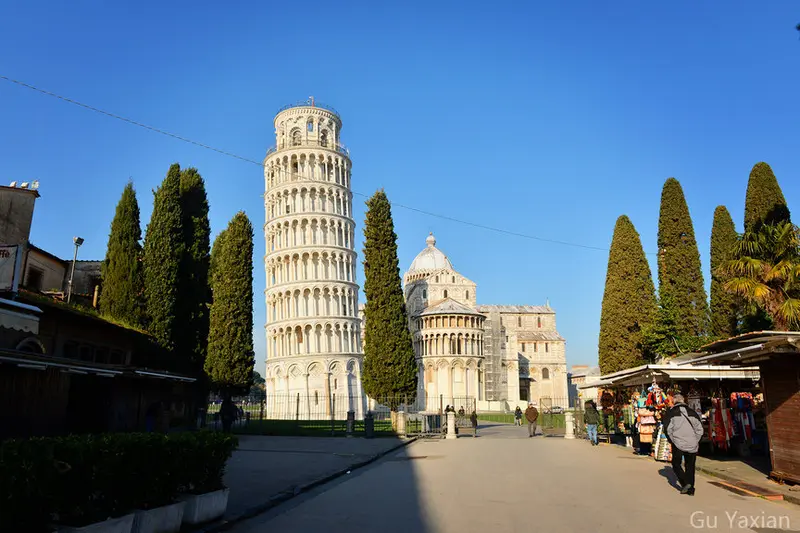
The Leaning Tower of Pisa is a freestanding bell tower located in Miracle Square in the city of Pisa, Tuscany, Italy. It is also one of the world's most famous landmarks and a symbol of Italy. The bell tower was built in 1173 and was initially designed to be built vertically. However, due to the unstable foundation and soft soil, it began to lean towards the southeast during construction and remained in that position upon completion. The tower's leaning position and architectural features make it a unique and beautiful sight.
Legend has it that Galileo conducted a freefall experiment on the Leaning Tower of Pisa in 1590, which disproved Aristotle's theory. In 1987, it and two other buildings were designated as UNESCO World Heritage Sites to recognize their significant influence on Italian architecture. The government has been carrying out maintenance work on the tower to ensure its beauty lasts forever.
The Leaning Tower of Pisa is a building of great historical significance, with its circular design demonstrating its originality and ingenuity. The architect used a circular base design to mirror the adjacent semi-circular apse of the cathedral, creating the unique Pisan style. The tower's decorative style is consistent with the classic designs of the cathedral and baptismal font, with walls made of marble and limestone and raised square pillars, arches, and grid-patterned flat tops. The wall above the arcade presents a strong contrast between bright surfaces and shaded areas, making the internal columns of the tower appear more massive. The cathedral, baptismal font, and bell tower create a visual continuity, creating an atmosphere of ancient architecture.
216
km
3
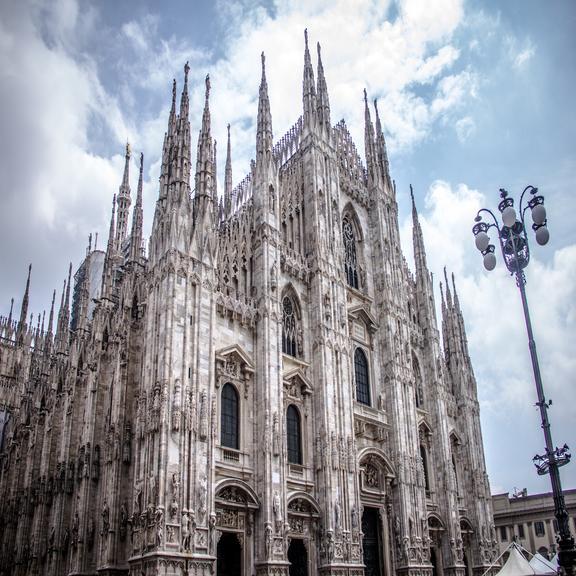
Milan Cathedral, also known as Duomo, is the iconic building in the center of Milan and the city's main cathedral. Construction of the cathedral began in 1386 and took over four centuries to complete, finally reaching completion in 1812. The intricate detailing continued until 1960, when the final bronze doors were installed. Over time, the cathedral has become a combination of multiple styles, with baroque decorations complementing gothic-style spires, creating an extravagantly divine atmosphere from top to bottom. The gilded statue of the Virgin Mary stands guard over the city, while the basement glass coffin inside the cathedral houses the remains of the red-robed archbishop San Carlo Borromeo, who passed away in 1584. In 1805, Napoleon was coronated as King of Italy in the cathedral. However, during World War II, the cathedral's front door was bombed, leaving visible scars to this day.
1
km
4
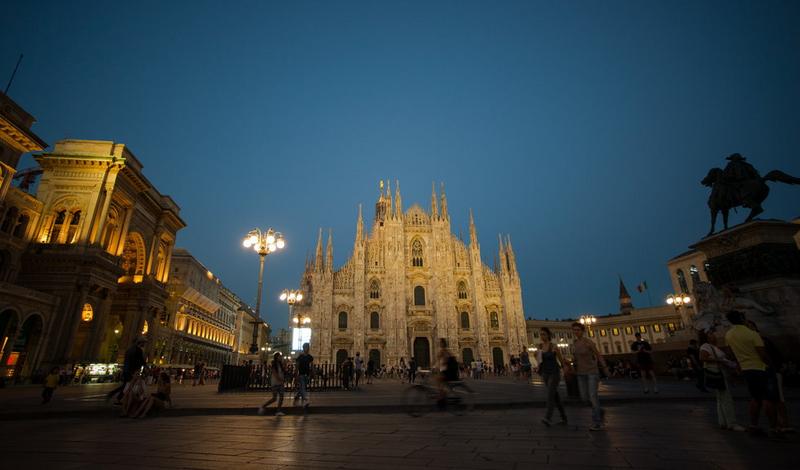
The square is located in the center of Milan, with the bronze statue of the first king of the unified Kingdom of Italy, Emmanuel II, on horseback standing in the center. The arch of Emmanuel II is located to the north of the square, which has now been transformed into a luxury shopping street. To the east of the square is the Milan Cathedral, and to the southeast is the museum of the cathedral.
1
km

Day8: Milan
2 attraction(s) ·
1 km
1
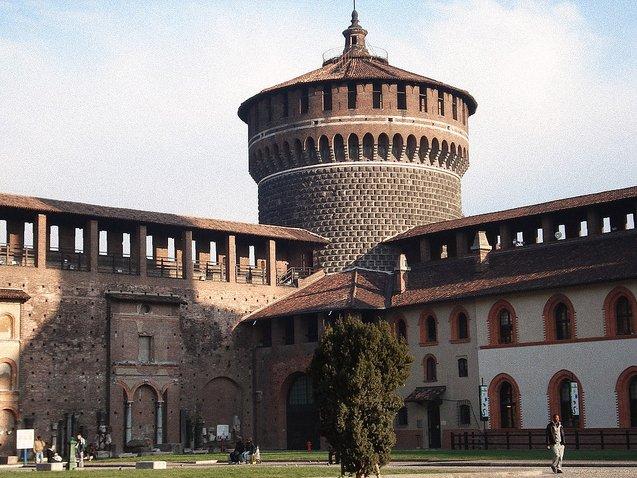
The Sforza Castle in Milan is a historically significant building, dating back to the 14th century as the residence of the Sforza Count. Over time, it became the main residence of the Sforza family, witnessing their rise and fall. The castle is surrounded by high walls, with an exquisitely planned interior and a scenic view. Today, the castle has been transformed into a museum by the Milan municipality, including the Museum of Applied Arts and Music, the Archaeological Museum, and the Museum of Ancient Art. The castle's rear entrance is named the Peace Gate, remodeled by ruler Francesco. The Sforza Castle witnessed Milan's changing history and is one of the most important buildings in the area.
1
km
2
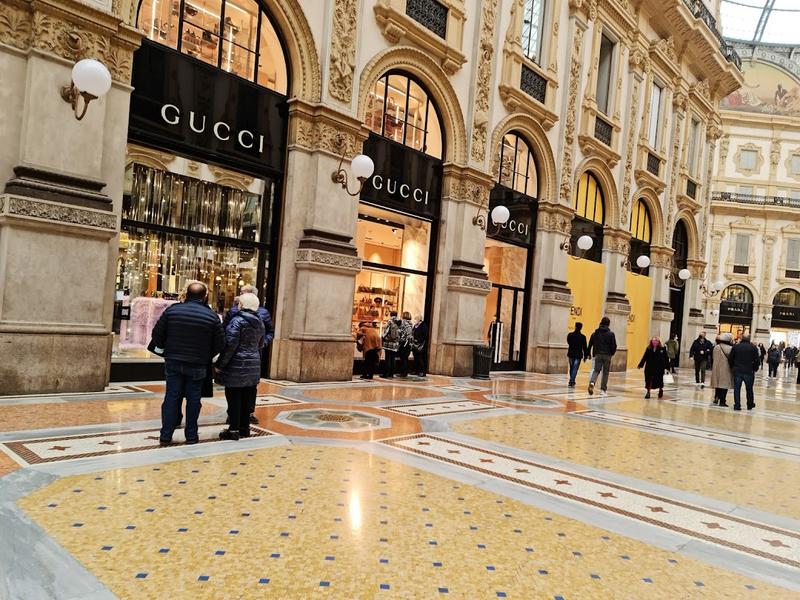
Mall housed in a glass-covered 19th-century arcade with luxury clothing brands & upscale dining.
Day9: Lausanne > Bern
4 attraction(s) ·
81 km
1
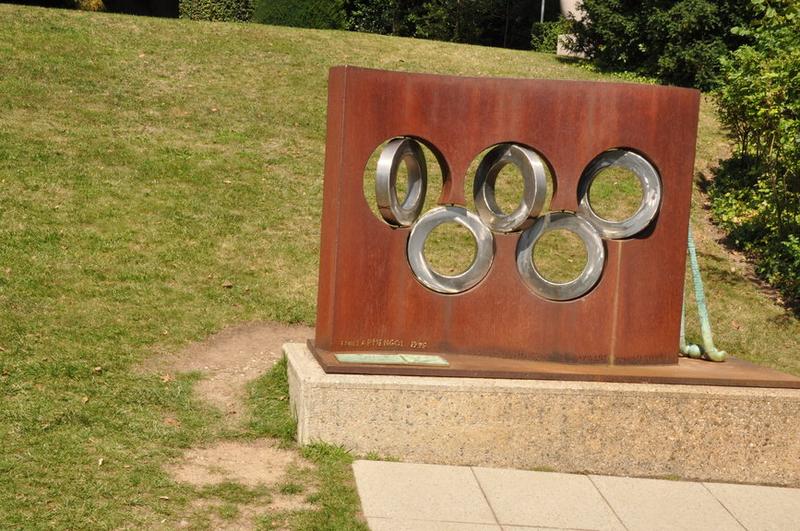
The world's largest Olympic competition information center, which we know as the museum, opened to the public in 1993. In various forms such as art, literature, and film, it showcases the history of Olympic sports from ancient Greece to modern times, ingeniously combining sports, art, Olympic spirit, and culture. The museum exhibition area is 3,400 square meters, and its permanent and temporary exhibits present unforgettable historical moments with unique charm. Additionally, the museum serves as an international preservation and research center.
Currently, the museum is closed due to extensive renovations and modernization, and it is expected to reopen by the end of 2013. During this time, visitors can enjoy free access to some of the museum's collection by visiting the "Helvétie" boat, located opposite the museum's Olympic fountain.
80
km
2
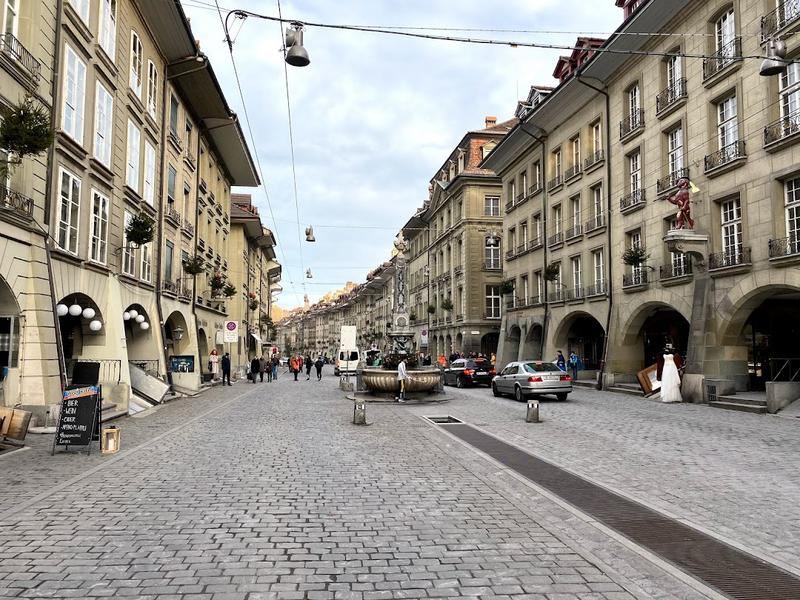
UNESCO World Heritage Site with arcaded walkways, fountains & Switzerland's tallest cathedral.
1
km
3
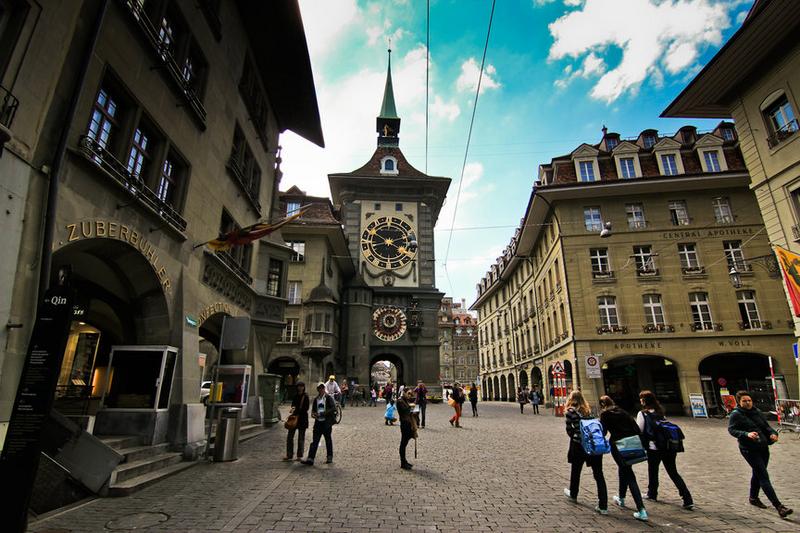
This bell tower was originally a part of the West Gate, and its appearance was rebuilt after a fire in the 15th century. The bell tower has a multifunctional astronomical clock that displays time, seasons and constellations. In addition to these functions, there will be exciting puppet shows before every hour for about 4 minutes.
1
km
4
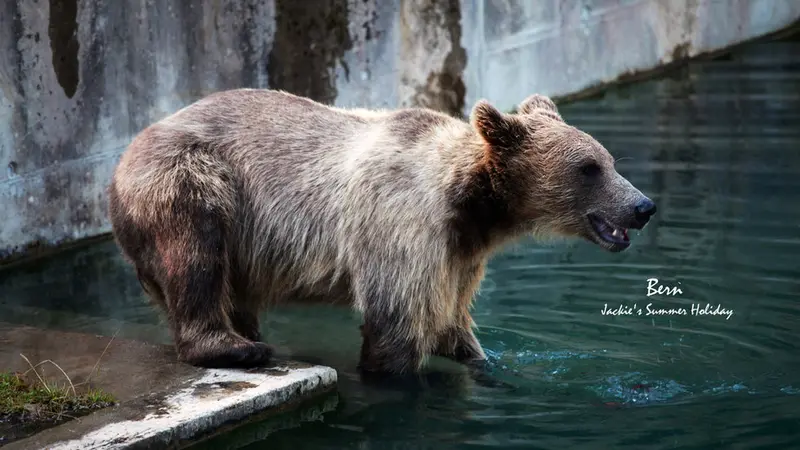
The Bear Park, located in the Old Town district, was officially completed on October 25, 2009 and is the home of bears that symbolize the city of Bern. The park covers an area of 6,000 square meters and provides an open and natural space next to the water for the bears to play and live comfortably. Legend has it that the Duke of Zähringen caught a bear here during his first hunt, and the German word for bear is "Bär," which is why the city was named Bern.
Day10: Interlaken > Lauterbrunnen
6 attraction(s) ·
53 km
2
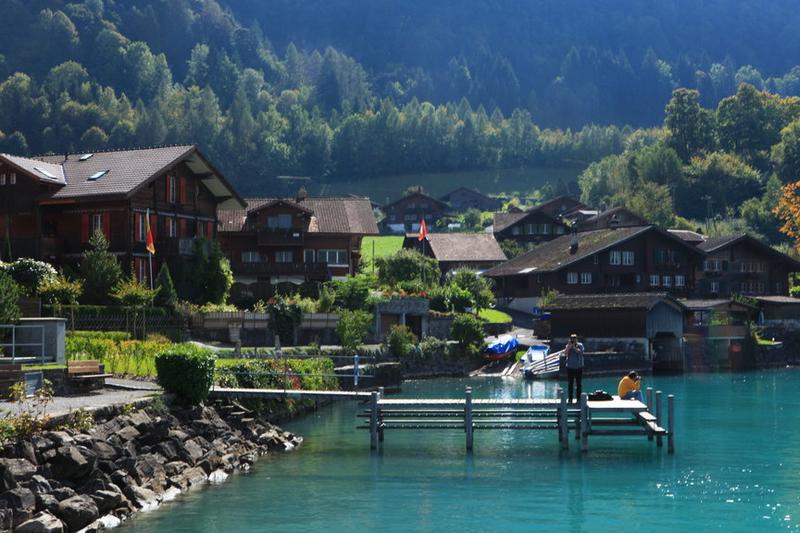
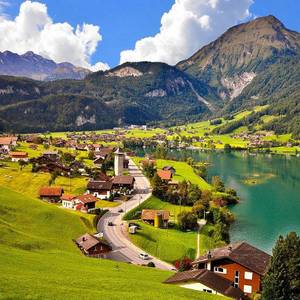
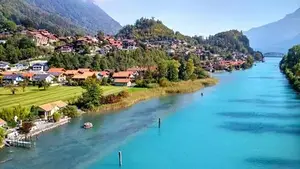
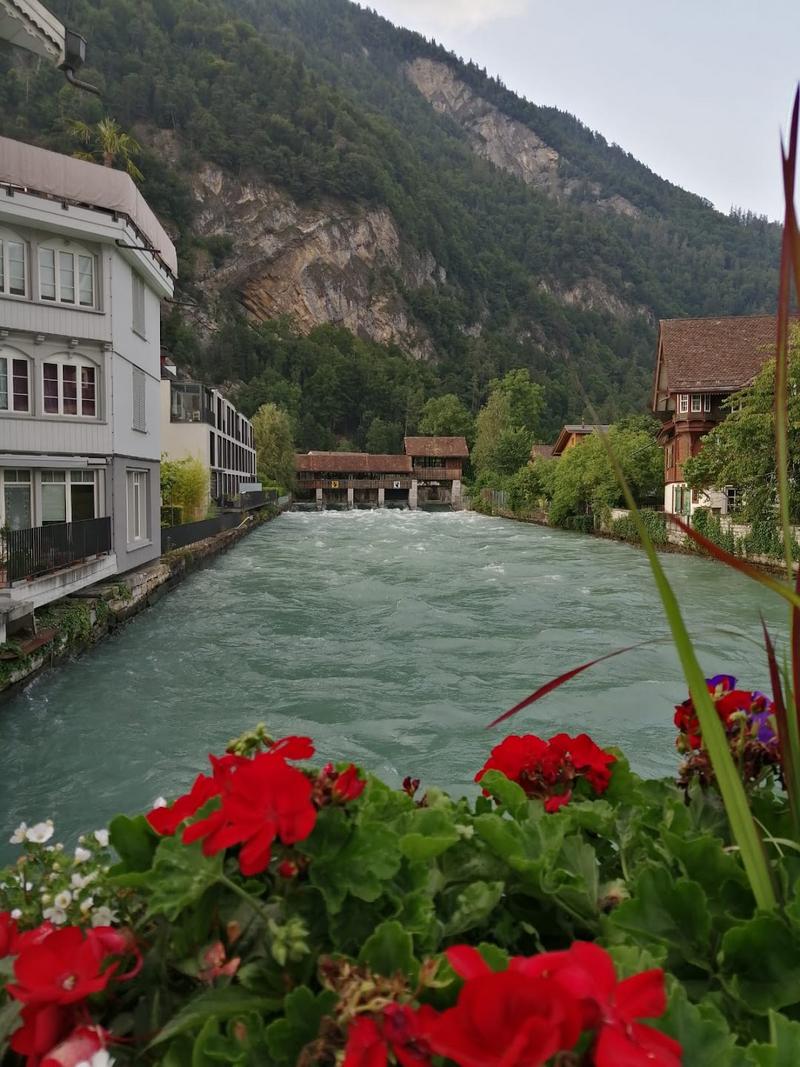
In German, Interlaken is called "Between Lakes," meaning "between lakes," and it is known as the left eye of God. The scenery here is so beautiful, with green hills surrounding the river and snow-capped mountains in the distance.
16
km
3
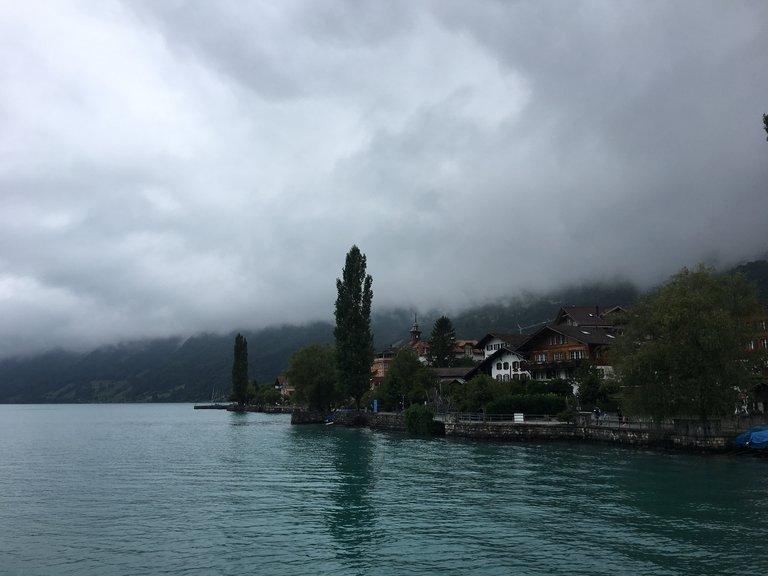
Lake Brienz is a lake located north of the Alps in the Bernese Highlands of Switzerland. It has a length of approximately 14 kilometers and a depth of over 260 meters. Its eastern end is fed by the Aare River, while the southwest corner is fed by the Lütschine River from the Grindelwald and Lauterbrunnen valleys. Its western end flows into another section of the Aare River. The highest point in the lake's basin is the Finsteraarhorn, which has an elevation of 4,274 meters. The lake is surrounded by numerous towns and attractions, such as the Brienz Valley and the Giessbach Waterfall on the lakeshore. Visitors here can partake in various activities, such as swimming, boating, cycling, and hiking. Additionally, the lake serves as an important source of drinking water and a generator of hydroelectric power.
10
km
4
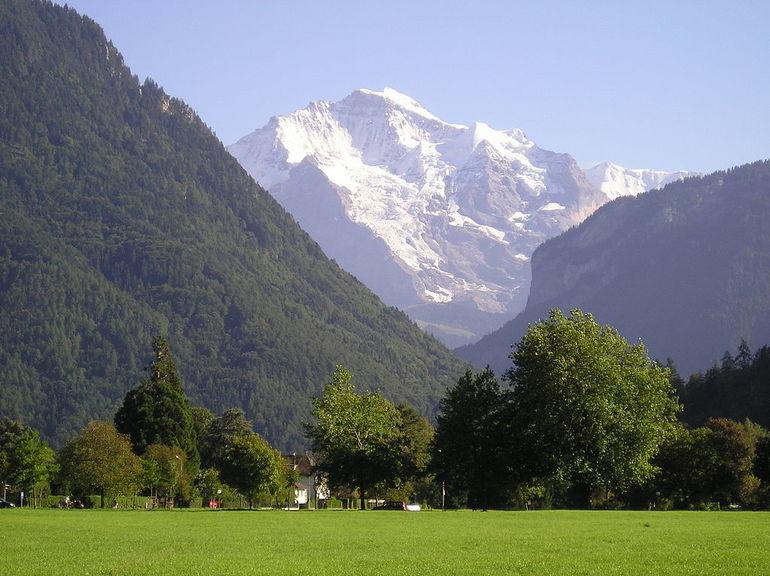
Hohematte is located in the center of Interlaken, with an area of about 0.14 square kilometers. The lush green lawn injects a touch of green into the city. Standing here, you can enjoy the magnificent snow mountain-Jungfrau, and also overlook the beautiful scenery of Interlaken. Crossing Hohematte from the East Station to the West Station, you will pass by the famous casino center.
19
km
5

Alpine peak reaching up to 13,642 feet with an ice sculpture palace, chocolate shop & cog railway.
2
km

Day11: Interlaken > Milan
3 attraction(s) ·
6915 km
2
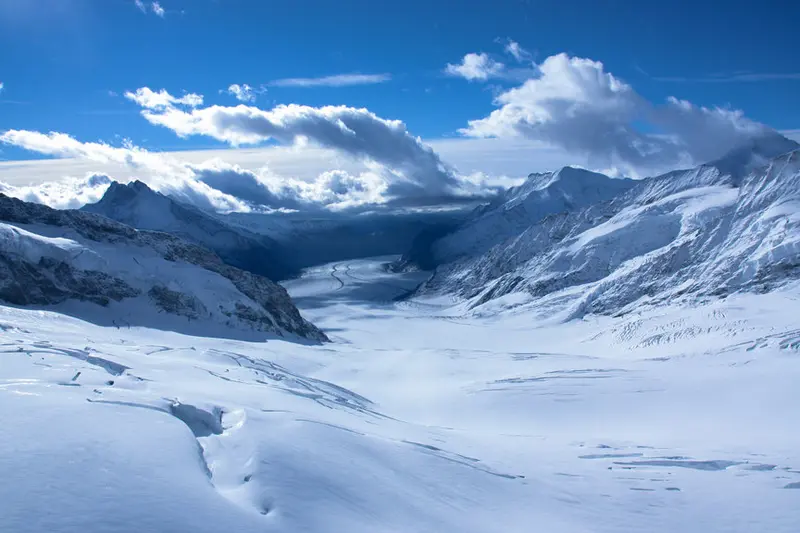
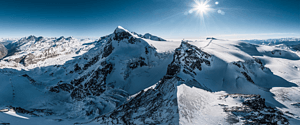
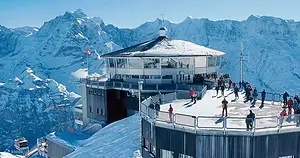
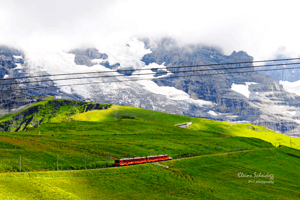
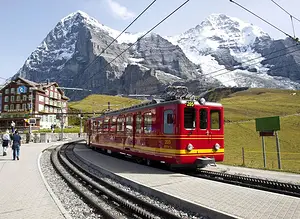
The Jungfrau, located in the Bernese Highlands, is one of the most famous mountains in Switzerland and one of the most charming landscapes in the area. It has a friendly relationship with the Yellow Mountains in Anhui, China and is greatly favored by Chinese tourists. The Jungfraujoch Railway was opened nearly 100 years ago, taking visitors to Europe's highest railway station, the Jungfraujoch station at an altitude of 3454 meters, where there are restaurants and other services. Here, you can visit the super ice palace and explore the world inside the glacier, while enjoying the spectacular panorama of the Alps from the Sphinx and Platt viewing platforms. Additionally, you can also play to your heart's content in the glacial snowfields.
In 2001, this area was listed as a world natural heritage site by UNESCO, attracting even more attention. At an altitude of 3571 meters on the Sphinx viewing platform, you can take Switzerland's fastest elevator and enjoy the spectacular panorama of the Alps, including the Aletsch Glacier, 24 kilometers in length and the longest glacier in the Alps, in view of the landscapes of the Bern, Valais, and Rütli mountains. On clear days, you can also see the Black Forest in Germany.
6896
km
3