Jeju Island Seven-Day Self-Driving Travel Guide
2 cities |
22 attraction(s) |
total distance 403
km
 TIPS
TIPS
Day1
Day2
Day3
Day4
Day5
Day6
Day7
Day1: Jeju-do
4 attraction(s) ·
38 km
1

Glass-art theme park with indoor & outdoor displays, a children's forest & hands-on activities.
4
km
2

Located near the West Guangcha Garden in Jeju Island, the Snow Green Tea Museum has been a museum dedicated to green tea since its opening on September 1, 2001. It provides an excellent place for people to learn about and experience Korean traditional tea culture. The unique feature of the museum is its building made up of tea cups, which has become a popular topic among visitors. The connected pavilions in the museum give visitors a sense of traditional architecture, and the playful fish in the lotus pond add a lively touch to the atmosphere. From the second floor, visitors can enjoy a pleasant view of the tea garden, which is like a painting. In addition to tasting various types of tea, visitors can also gain a deeper understanding of tea culture and tradition.
11
km
3
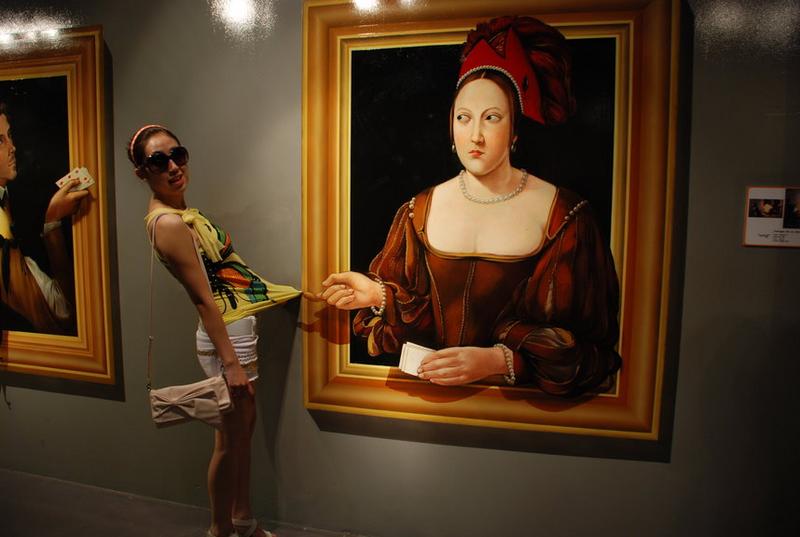
Trickeye Museum in Jeju is the third branch opened by Trickeye Art Company Ltd. in January 2013. Its predecessor, Trickeye Museum in Seoul, has been selected as a filming location for many film and television productions, gaining attention and love from numerous celebrities. Trickeye Jeju covers an area of approximately 2100 square meters and includes six themed areas: the 3D painting gallery, Lumi Art gallery, optical illusions, mirror maze, digital art, and cut-out art. These artworks are planned and created by Trickeye Factory, a subsidiary of Trickeye Art Company Ltd., showcasing the diversity and creativity of Korean art. It has become a popular tourist destination for both domestic and international visitors.
25
km
4

Longtime indoor market packed with stalls selling fresh fish, produce, clothing & general goods.
Day2: Seogwipo > Jeju-do
4 attraction(s) ·
38 km
1

Formed by volcanic eruptions, this unique, crater-style peak is said to resemble an ancient castle.
4
km
2

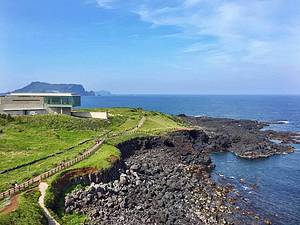
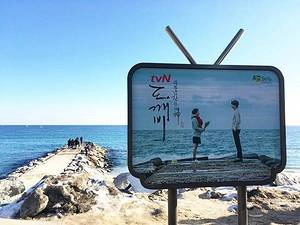
At the end of the trail, there is a lighthouse standing on a protruding land, with a windproof stone wall along the way. Crossing the stone wall reveals a field of rapeseed flowers, blooming brightly every April. The iron steps on the lighthouse make it easy to reach the top, where you can admire the beautiful coastal scenery from the railing. On the wide grassy coastal cliff stands a rock called Xianshi. This is Sheji Cape, formerly known as Sheji, which means prominent terrain in the Jeju Island dialect. This is a corner of the eastern coast of Jeju Island, with a preserved stone structure watchtower on a gentle slope, about 4 meters high and 9 meters long. Sheji Cape became famous because of the TV drama "Locheng Life and Death Love", and now it has attracted more fans because of "The Man Who Became King for the Sake of Love". At Sheji Cape, there is also the earliest TV drama museum in Korea called "All in House". On the way to the lighthouse, the windproof stone wall and the rapeseed field form a beautiful scenery, which can be refreshing.
23
km
3
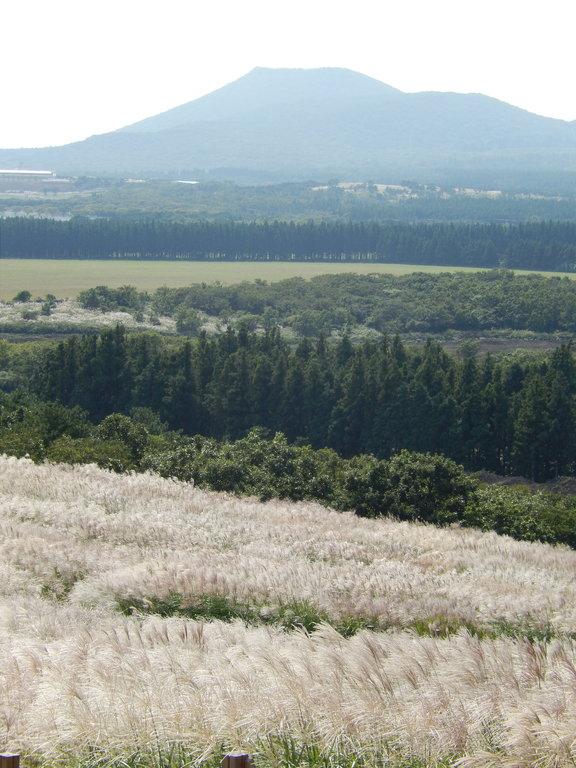
Sanjungbong Peak is a special volcano on Jeju Island and is considered a gem among low-level volcanic craters. Unlike other volcanoes, Sanjungbong Peak was not covered by lava during its eruption, so it formed a 2-kilometer-long hole called the "flat volcano mouth," which is Korea's 263rd natural monument. The distribution of plants inside the volcano mouth is also very special, divided into temperate and subtropical regions due to differences in water erosion and sunlight, growing different types of plants. Yellow stem orchids, tiger lilies, and cold berries are rare plants. In addition, there are many rare plant communities such as golden-leaf eggplant, Changshan, Jeju bamboo, and side golden-flowered evening primrose. Sanjungbong Peak is also a habitat for many wild animals, such as deer, badgers, birds, and reptiles. In the spring, white clouds float beneath the volcano mouth, and wildflowers such as plum blossoms and dragon's heads bloom, making this place even more mysterious. Tourists also come here to climb Sanjungbong Peak and experience this heavenly landscape.
12
km
4
Jeongui Folk Village is located at the foot of the Hannasan Mountain, and it is a well-preserved traditional Korean folk village. There are many tangible and intangible cultural heritages here, including residential houses, township schools, government offices, mills, castle ruins, steles, folk songs, folk games, local foods, folk crafts, and Jeju dialect. The unique soil culture is also one of the highlights here, attracting much attention from foreigners. Located on Jeju Island, Jeongui Folk Village displays Jeju Island's unique residential culture. From sparsely arranged windbreak stone walls to the "Orai" that prevents wind from directly entering the house, to Dolharubang, one of Jeju Island's symbols, the beauty of culture can be found everywhere, making it well worth a visit.
Day3: Jeju-do
6 attraction(s) ·
101 km
1
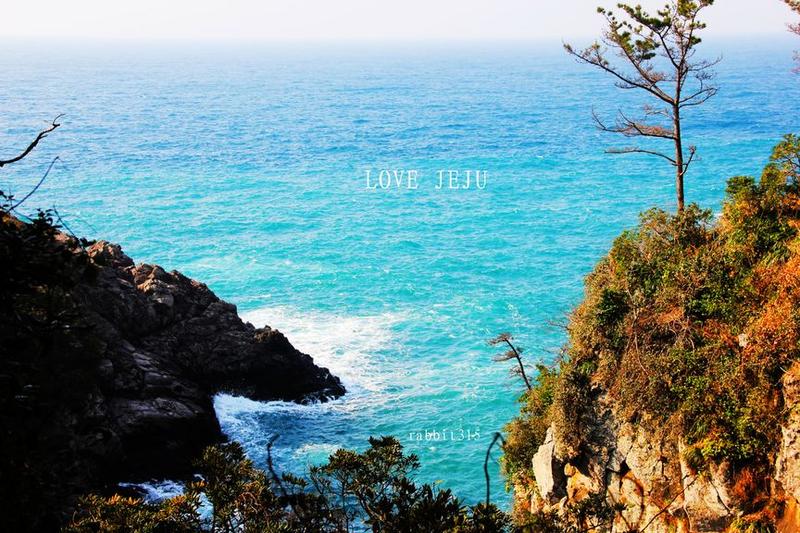
Located in the west of Xiguipu City, Du Li Yan is a natural landscape situated about 2 kilometers away from the foothill coast of San Mei Feng Mountain. The rock was formed by lava during a volcanic eruption approximately 1.5 million years ago, and it resembles a powerful general standing on a high ground looking far and wide into the distance. Several ancient pine trees have grown on the 20-meter high Du Li Yan, along with three or four small islands in the sea, presenting a picturesque natural beauty.
12
km
2
주상절리
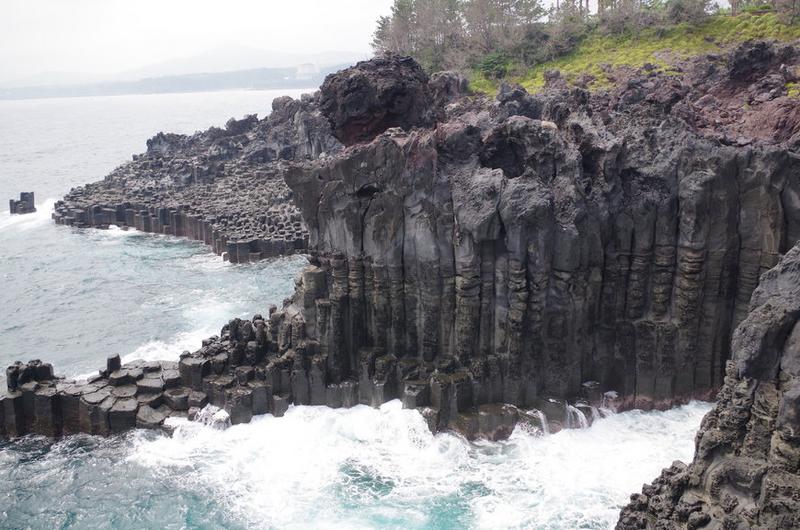
Jeju Island's columnar jointing belt is a natural reserve made up of hexagonal rock pillars formed when lava from Hallasan Mountain flowed into the sea and cooled. These pillars vary in height and shape, and are awe-inspiring in their beauty as if they were intricately carved.
2
km
3
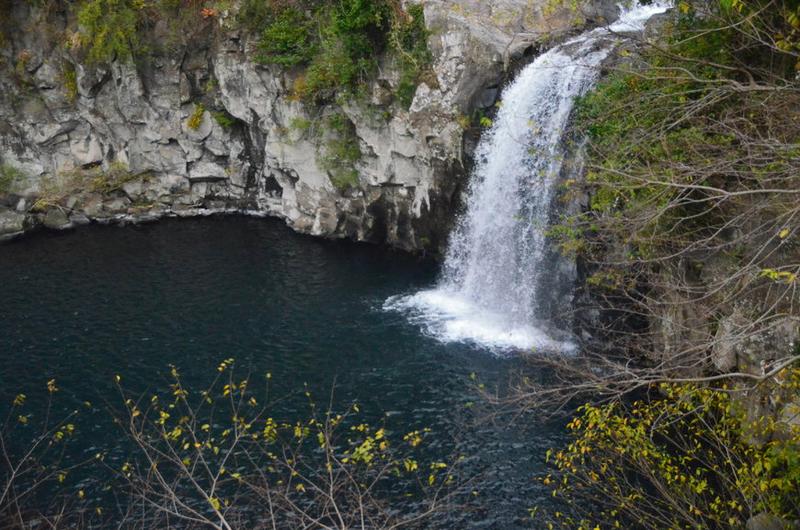
The largest waterfall in Jeju Road is located below the Rumei Botanical Garden, and the Xianlin Bridge is the best viewpoint to watch the waterfall.
30
km
4

There is a very famous museum on Jeju Island, which is the Teddy Bear Museum. This museum is very attractive and is one of the must-visit tourist attractions on the island.
31
km
5

Compact beach & surfing spot with large waves, showers & access to a nearby eatery.
28
km

Day4: Jeju-do
4 attraction(s) ·
28 km
1

The lava produced by Hallasan forms the Manjanggul Cave, which is a lava cave that stretches 13.4 kilometers and is therefore listed as the world's longest cave. Manjanggul Cave is World Heritage Site and Natural Monument No. 98, located 30 kilometers east of Jeju City. Currently, tourists can only explore a range of 1 kilometer, but even so, it takes about an hour round trip. The Manjanggul Cave is filled with mystery and excitement, making it unpredictable.
10
km
2
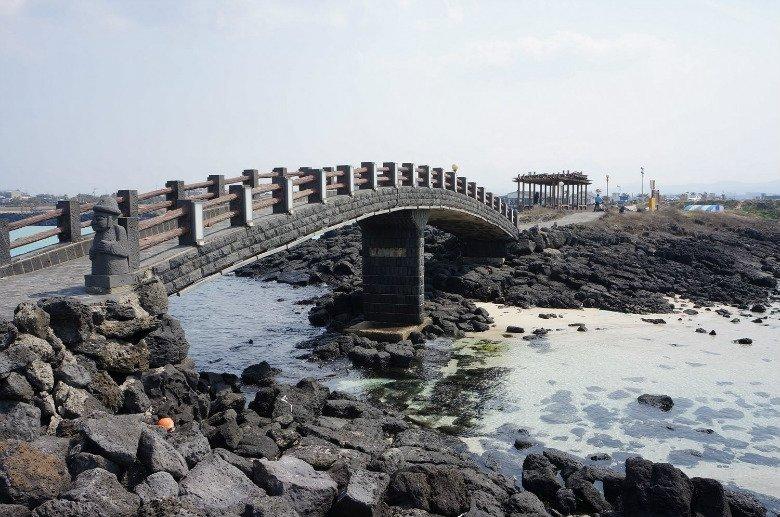
Hamdeok Beach is located in the east of Jeju City, and is a popular summer destination for tourists. The beach is clean and the water is shallow with a suitable slope, making it perfect for families with children to play in the water. The site can accommodate up to 50,000 visitors, and has a range of facilities. Meanwhile, the spectacular Xiwu Peak is opposite Hamdeok Beach, and the waves are moderate, making it a good place for coastal surfing. On Jeju's unique basalt coast, the towering lighthouse guides fishermen and enhances the surrounding beauty, creating a beautiful landscape painting.
Hamdeok Beach is also an important producer of watermelons on Jeju Island, and coastal seafood restaurants provide fresh sashimi. If you enjoy fishing, there is the Beonchun Fishing ground about 2 kilometers east of the beach, which is also a great choice for experiencing the simple fishing village life.
18
km
3
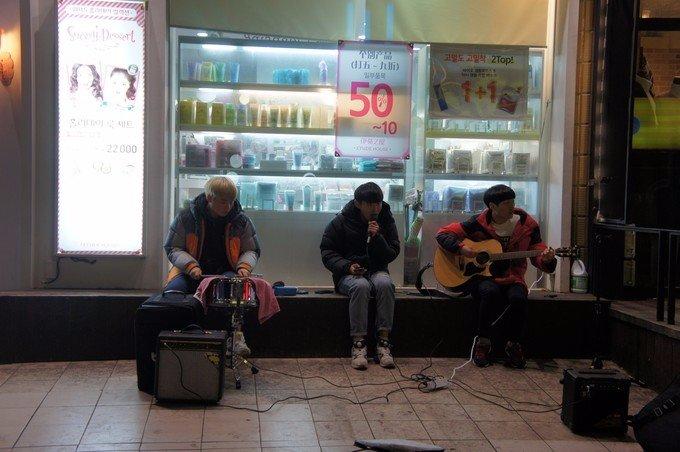
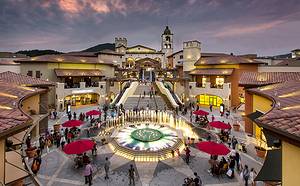
This fashion shopping mall is located in the new city district of Jeju City and has multiple branded shops. As there are no cars passing by, the shopping environment is very comfortable.
1
km
Day5: Jeju-do
3 attraction(s) ·
44 km
1
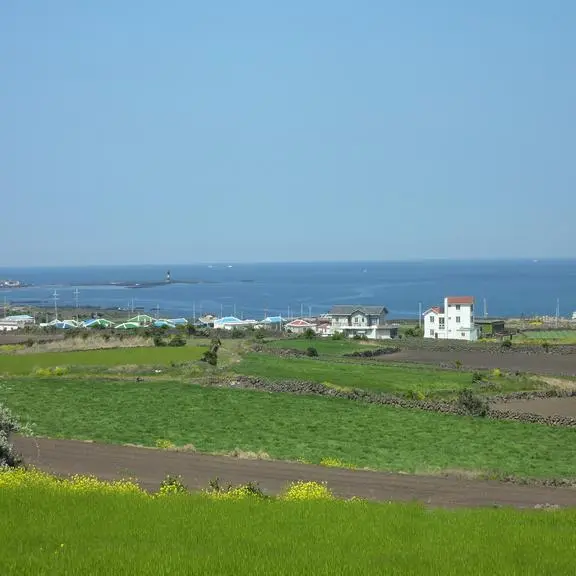
Udo Island, a beloved island in Jeju Island. The south side boasts the Bull Head Peak and the Lighthouse Park, and the coastline stretches with cliffs that are uniquely eroded by the sea. The entire island is a lava plateau, with fertile and flat areas scattered throughout. The coastal scenery on the island has attracted numerous film and television works, including the well-known Korean variety shows "Family Birth" and "Two Days and One Night". These famous guests have made Udo Island tourism a beautiful scenic spot.
43
km
2
This fashion shopping mall is located in the new city district of Jeju City and has multiple branded shops. As there are no cars passing by, the shopping environment is very comfortable.
1
km
Day6: Jeju-do
4 attraction(s) ·
10 km
1
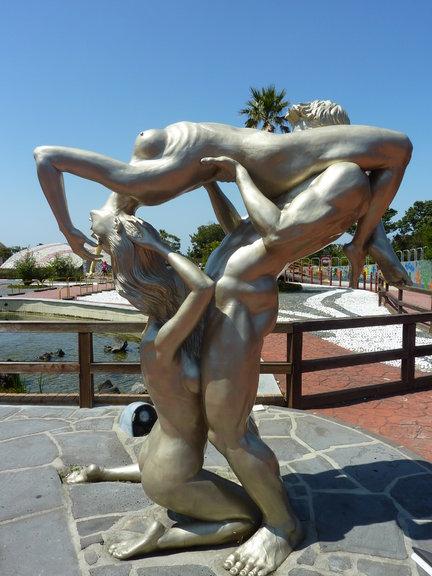
Aphrodite's Playground, located near Jeju City, showcases over 140 sculptures related to love and sexuality. These sculptures were created by more than 20 experts from the Sculpture Department of Hongik University in Seoul over a period of two years. Whether day or night, it is a great place to appreciate these artworks. It is said that the nighttime offers a better view of the park's scenery. As the only themed park of its kind in Korea, this is a must-visit attraction if you are interested.
1
km
2

Offbeat attraction with the optical illusion of a downward-sloping hill that looks like an incline.
8
km
3
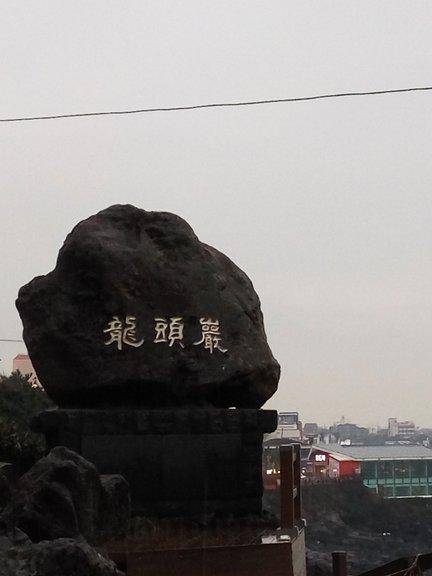
Dragon Head Rock, located 200 meters west of the mouth of the Han River on Jeju Island, is a famous tourist attraction. This unique rock formation resembles a dragon emerging from the water. It is a testament to the geological evolution of South Korea,
2
km

Day7: Jeju-do
1 attraction(s) ·
0 km
1
This fashion shopping mall is located in the new city district of Jeju City and has multiple branded shops. As there are no cars passing by, the shopping environment is very comfortable.