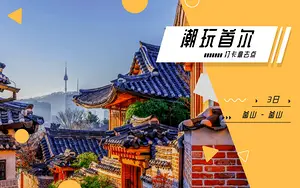
Seoul 3-Day Tour: Ancient Temples & Modern Charm - Korean Shopping & Cuisine
2 cities |
11 attraction(s) |
total distance 168
km
 TIPS
TIPS
Day1
Day2
Day3
Day1: Incheon > Seoul
2 attraction(s) ·
50 km
1
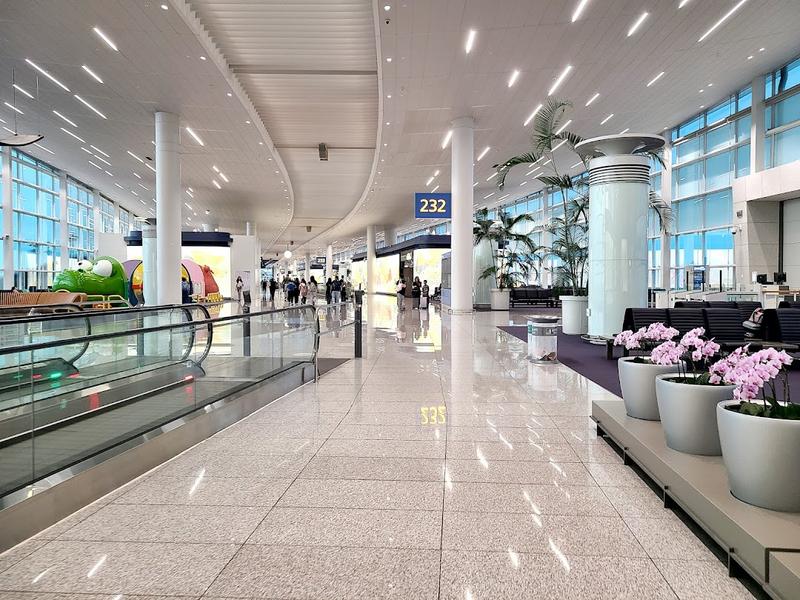
Seoul-area airport with diverse amenities such as a spa, a driving range & an ice-skating rink.
50
km
2
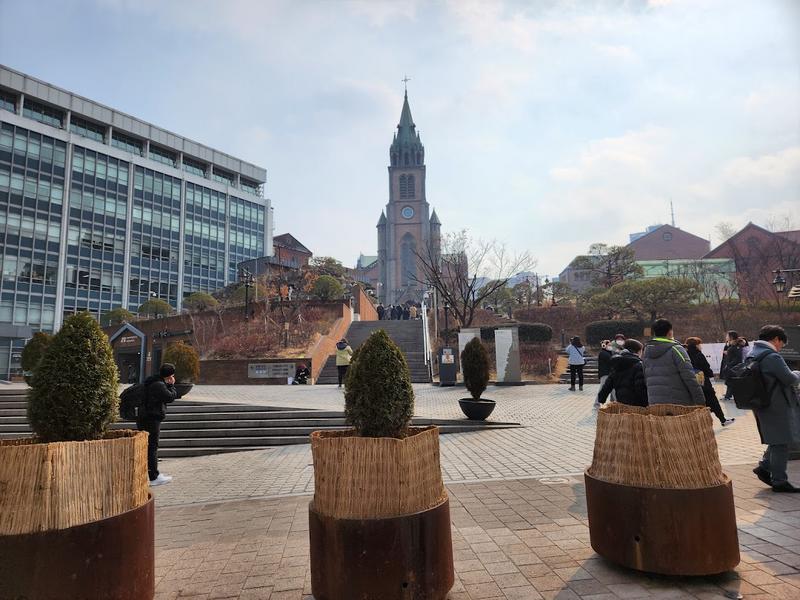
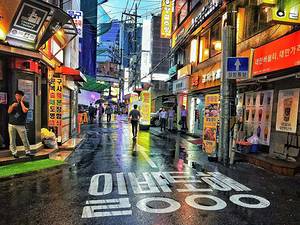
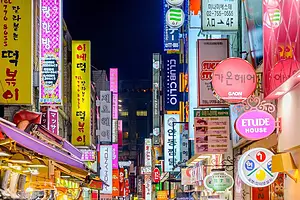
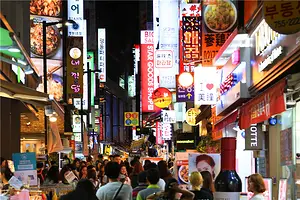
Many high-end international stores & restaurants draw crowds to this bustling retail district.
Day2: Seoul
4 attraction(s) ·
6 km
1
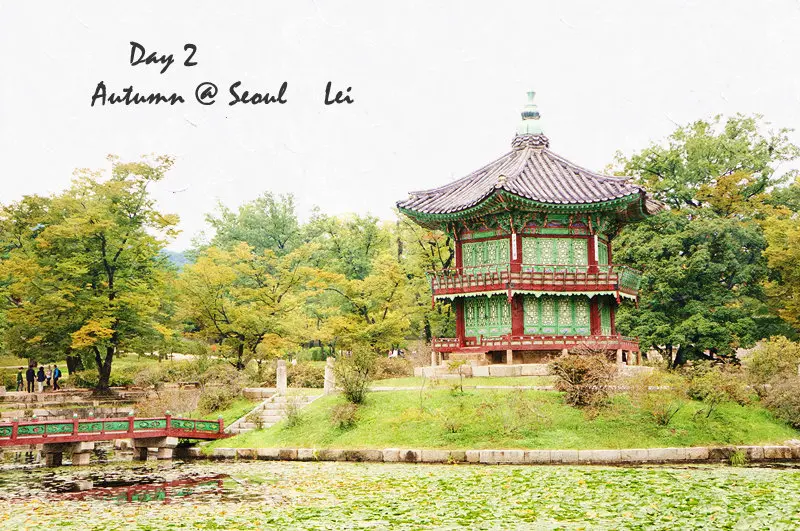
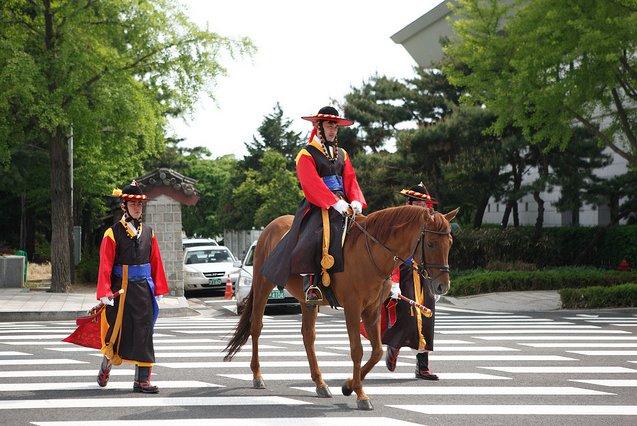
Gyeongbokgung Palace is the first palace built in the early days of the Joseon Dynasty, with a history of 600 years. It was once a grand palace and now showcases delicate beauty. Gyeongbokgung Palace is the largest of the Five Grand Palaces and features unique architecture such as Geunjeongjeon Hall and Gyeonghoeru Pavilion. In addition, there are the National Palace Museum and the National Folk Museum where visitors can explore and experience. Gyeongbokgung Palace is open to the public and there is a ticket office at the entrance of Gwanghwamun. Visitors can also watch the Changing of the Guard ceremony and take photos with the guards, immersing themselves in Korean classical culture.
The name Gyeongbokgung means "great blessings and prospering the nation," reflecting the early aspirations of the Joseon Dynasty. It was completed in 1395 and at its peak had over 390 buildings. During the Japanese invasion in the late 16th century, Gyeongbokgung Palace was burned down and remained abandoned for 273 years. It was restored during the reign of King Gojong but suffered significant damage during the Japanese colonial period, with some buildings demolished and replaced by the Government-General Building. After Korea's independence, Gyeongbokgung Palace gradually underwent restoration, with the completion of the restoration project of Gwanghwamun Gate in 2010. There are also guided tours available in Chinese, departing from the inside of the Geunjeongmun Gate at four designated times.
1
km
2
Blue House, the presidential office and political center of South Korea, gets its name from its unique blue tiled roof. Located in a beautiful area, Blue House is highly regarded among foreign tourists. To visit Blue House, one must apply in advance on the website and once approved, visitors must follow the staff's instructions. Photography is only allowed in designated areas and visitors are not allowed to bring food or record videos. Additionally, foreign tourists must carry their passports when visiting Blue House.
2
km
3
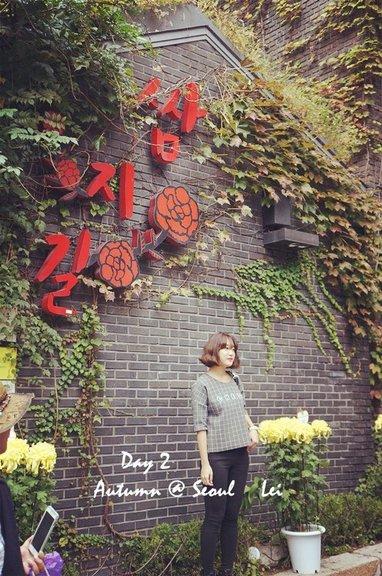
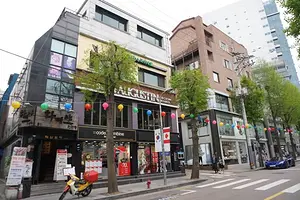
Insa-dong, like Shanghai's Tianzifang, is just a step away from Gyeongbokgung Palace. Although its area is not large, with only one main street and a few perpendicular alleys, it was once the residential area of the Joseon Dynasty's noble class. Today, Insa-dong is home to numerous art galleries, museums, and specialty shops. Walking on the stone-paved Insa-dong Street, history is solidified with every brick and tile underfoot, and you can experience the coexistence of classical and avant-garde Korean culture. Here, you can find a Starbucks with a Korean signboard, the most distinctive Korean souvenir store in Seoul, and traditional Korean tea shops, which are treasures of this place. It is definitely an unforgettable experience to have a cup of traditional Korean tea, taste various traditional snacks, and sit in a traditional tea house to feel the lovely atmosphere here. Moreover, you can find some Korean souvenirs that are not available elsewhere! Even locals may not be familiar with the objects in Insa-dong, but the movie "The Scandalous Lady W" by Jang Lee-yeong has added a touch of mystery and interest to this place, which is definitely worth a visit.
3
km
4
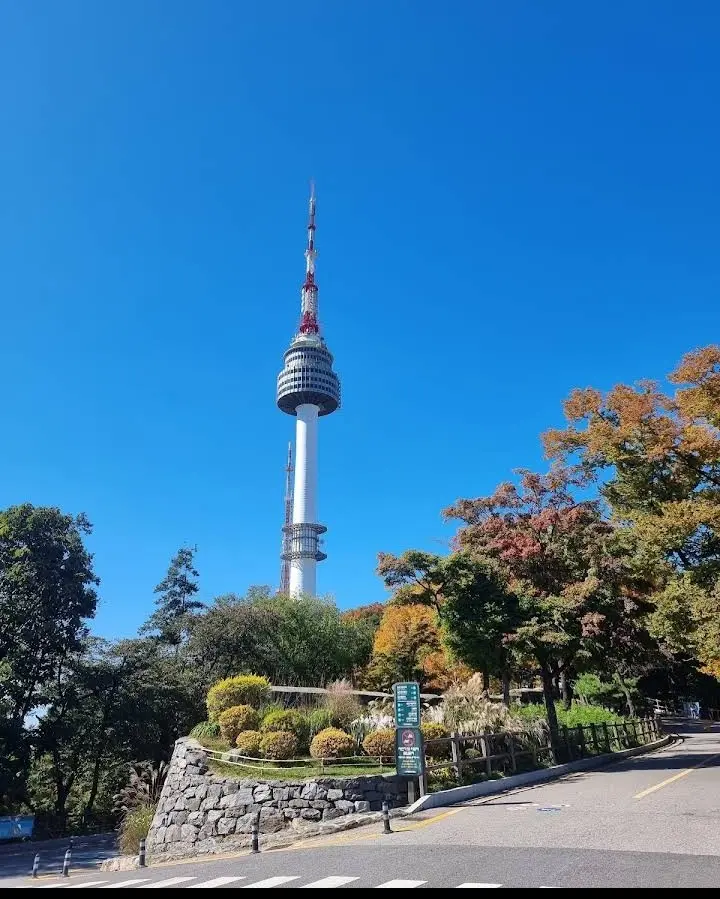
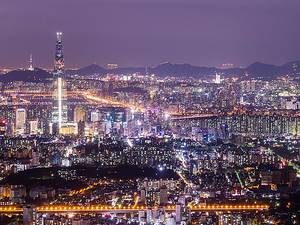
Opened in 1980, this iconic tower offers panoramic views of the city & a revolving restaurant.
Day3: Seoul > Incheon
6 attraction(s) ·
106 km
2
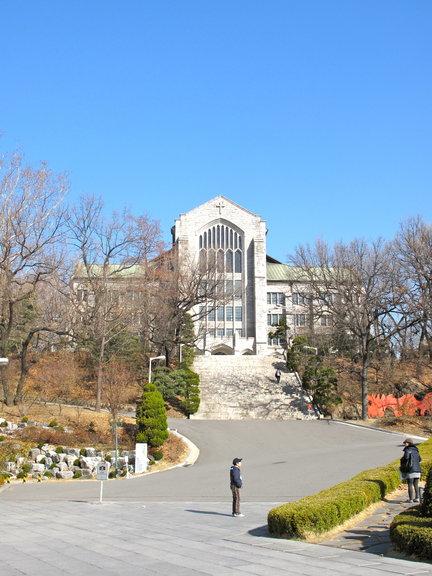
Ewha Womans University is one of the world-famous women's universities, attracting many foreign tourists with its beautiful campus and charming Ewha girls. The scenery here is colorful, with enchanting maple leaves in autumn and blooming cherry blossoms in spring. The entire campus is surrounded by greenery, with ancient teaching buildings coexisting harmoniously with trees, giving people a lively and beautiful feeling. There are many stone school buildings like those in fairy tales, quiet little gardens, campus avenues lined with ginkgo trees, and beautiful and captivating faces, making it hard for people to leave. The whole campus is filled with a faint romantic and aesthetic atmosphere, and a moment's stay here will be refreshing. The school also arranges campus tours led by students, and there are many unique shops and restaurants nearby, making it a great place for a leisurely stroll and to experience campus life.
6
km
5
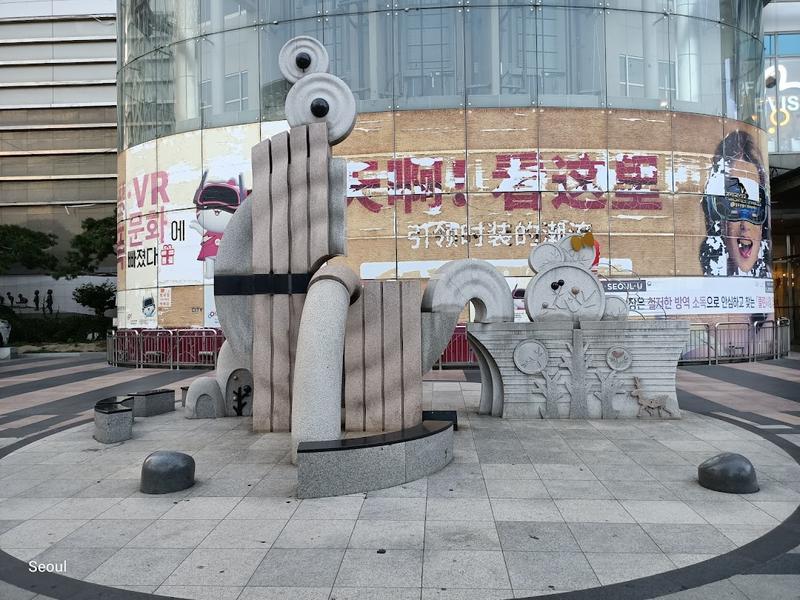
Many high-end international stores & restaurants draw crowds to this bustling retail district.
2
km
6
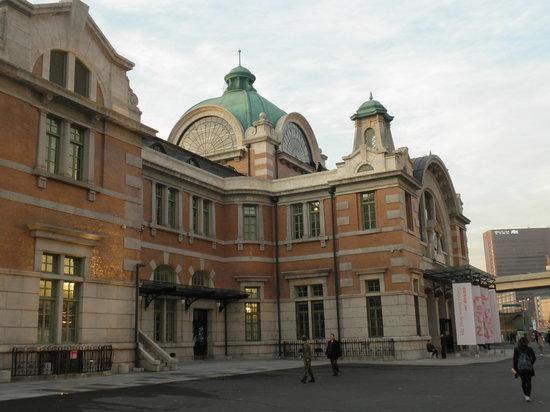
Seoul Station is located in the gateway of Seoul, the capital of South Korea, and more than 100,000 passengers pass through here every day. The station offers multiple lines, including the Gyeongbu Line KTX, the Sinseol-dong Train, the Uncheon Train, and the Nooriro Train, making it convenient for passengers to travel to various destinations. In addition, passengers can also take the Airport Railroad of the Korea Railroad Corporation directly to Incheon Airport. The station was completed in December 2003 and includes commercial facilities such as the Hana Department Store. There are also large discount stores such as Lotte Mart nearby, providing a perfect shopping and tourism experience for passengers. It is a complex station that combines tourism and shopping.