Xuzhou Han Terracotta Warriors Museum, A Glimpse into the Grandeur of Han Dynasty
No. 1 Bingmayong Road, Yunlong District, Xuzhou City, Jiangsu Province
4
Introduction

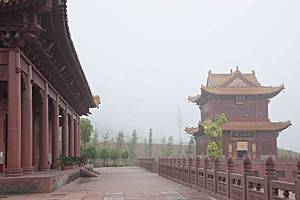
The typical symbol of Xuzhou's Han culture is the painted terracotta warriors and horses from the Western Han dynasty. In 1984, they were excavated about 300 meters west of the tomb of the Chu king. The underground army consisted of six pits filled with more than 5,000 terracotta pieces of infantry, chariots, cavalry, and war horses. The new museum has two floors and covers an area of about 6,000 square meters, featuring a "Xuzhou Han Military Exhibition Hall" where visitors can learn about the development of the terracotta warriors, their military formations, and crafting techniques. By comparing them with the Qin terracotta warriors, the Han Yangling terracotta warriors, and the Yangjiawan terracotta warriors in Xianyang, visitors can better understand the historical significance of Xuzhou's terracotta warriors. The only underwater terracotta warriors museum in China is located about 100 meters north of the Han terracotta warriors museum (in Shizitan), which consists of two square-shaped buildings resembling piles of buckets with the roofs of Han dynasty architecture, showing four sloping surfaces. On display are restored pits and carefully restored terracotta warriors and horses. Together, the two museums showcase a complete army formation from the Han dynasty more than 2,000 years ago and the advanced military, economic, technological, and cultural developments of that time. Address No. 1 Bingmayong Road, Yunlong District, Xuzhou City, Jiangsu Province
Opening hours 08:30-17:00 (summer) and 08:30-16:30 (winter) (Monday-Sunday from January 1 to December 31).