Rome Termini Station is the largest railway hub in Rome and one of the busiest stations in Italy, connecting the city center with the airport and major cities across the country. The station integrates trains, subways, long-distance and local buses, and features many restaurants and shops. It serves as the main gateway for most tourists entering and leaving Rome or transferring to places like Campobasso, Naples, Florence, and beyond.
Campobasso is the capital of the Molise region, situated in the hilly area of southern Italy. The city is quiet, with a slow pace of life, and retains a strong local charm. With fewer tourists, it is a better place to experience daily Italian life: strolling along cobblestone streets, enjoying authentic homemade cuisine at small restaurants, and meeting family and friends living or studying in the area.
The old town of Campobasso is located on a hillside, composed of narrow cobblestone streets and ancient houses, offering an authentic, unspoiled atmosphere without hoards of tourists. Small squares like Piazza Gabriele Pepe serve as gathering and strolling spots for locals, and corner cafés are perfect places to sit, have a coffee, and observe daily life in this small Molise town.
Monforte Castle stands on the hill above Campobasso and is one of the most prominent landmarks of the city, with origins dating back to the Middle Ages. The viewpoints around the castle provide panoramic views of Campobasso and the surrounding mountains, making it a great spot for photography, sunsets, and learning about the area's history and defense systems.
Termoli is a coastal town in the Molise region facing the Adriatic Sea, known for its well-preserved walled old town and sandy beaches. Its Borgo Antico is located on a small peninsula that juts into the sea, featuring winding streets and colorful houses. The town also boasts the Swabian Castle and a Romanesque Cathedral, and along its seaside promenade, visitors can walk, swim, or dine on seafood at beachfront restaurants.
The Swabian Castle of Termoli is a medieval defensive fortress overlooking the sea, the port, and the old town. Its thick stone walls and square towers are a symbol of the city. From the area around the castle, you can enjoy panoramic views of the Adriatic Sea and beaches.
Termoli Cathedral is a Romanesque church located in the heart of the old town. Though modest in appearance, it exudes medieval charm. Situated in a small square, it serves as a center of local religious life. Its simple and tranquil interior is a nice place to pause after visiting the seaside and town walls.
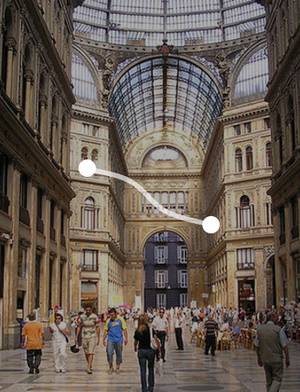
Naples is a major city in southern Italy, overlooking the Bay of Naples and near Mount Vesuvius. It is one of the birthplaces of pizza. The city combines a lively, slightly chaotic street atmosphere with rich historical sites, churches, and traditional markets. It’s also an important transportation hub for reaching Pompeii and the Amalfi Coast.
The historic center of Naples is a UNESCO World Heritage Site, known for its dense streets, Baroque churches, and palaces. Spaccanapoli and Via dei Tribunali cross through the heart of the city, lined with pizzerias, small shops, and churches. Squares like Piazza del Gesù Nuovo illustrate the blend of religious and local life, providing a core experience of authentic Naples.
Sorrento sits atop cliffs overlooking the Bay of Naples, famous for its stunning sea views and lemon-based products. It is a popular base for exploring the Amalfi Coast. The old town is filled with artisan shops and cafés, while the marina area offers boat trips. Several viewpoints allow for distant views of Mount Vesuvius and Naples, making it an ideal spot for an evening stroll and dining.
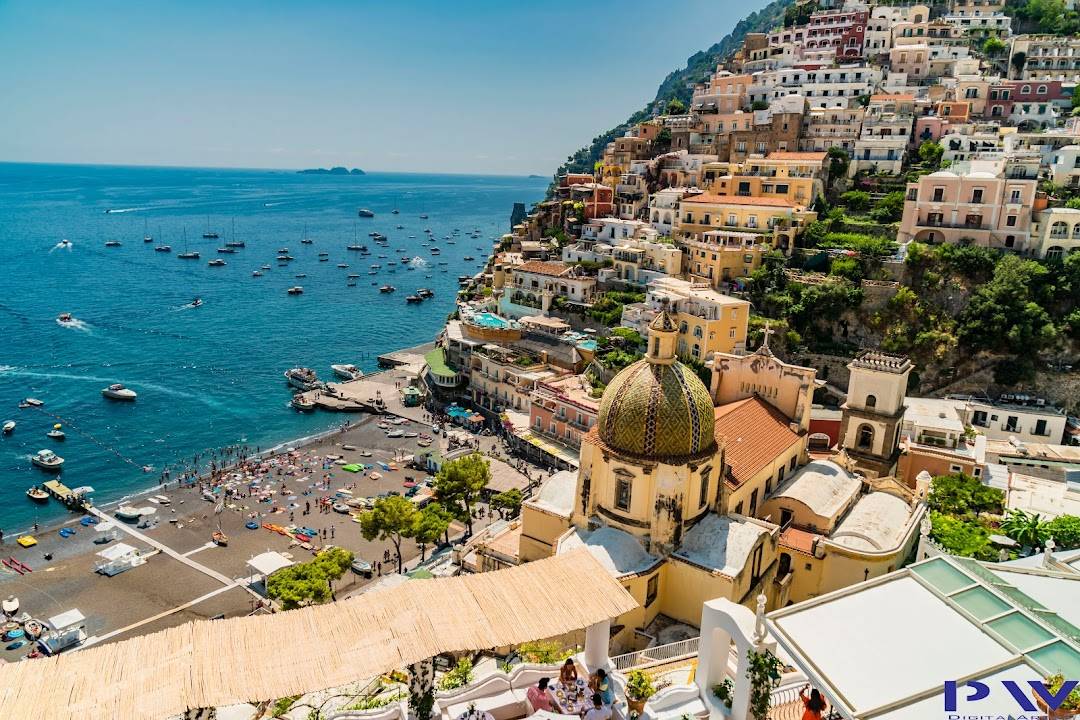
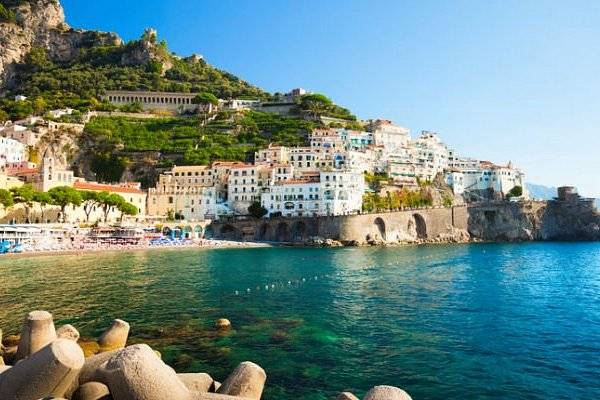
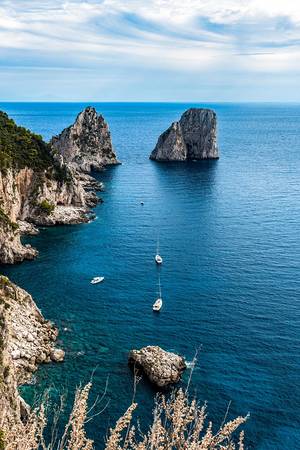
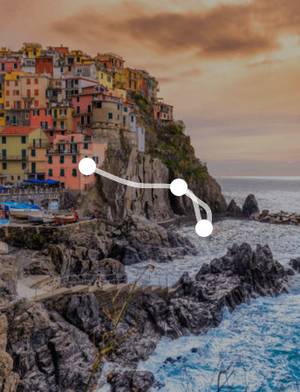
The Amalfi Coast stretches along the Tyrrhenian Sea, famous for its winding cliffside roads, colorful towns perched on steep hillsides, and deep blue waters. It’s one of Italy’s most iconic coastal landscapes. Small towns like Positano, Amalfi, and Ravello each have their unique charm, with scenic viewpoints accessible by car or bus, making it ideal for exploration.
Positano is one of the most iconic cliffside villages along the Amalfi Coast, with brightly colored houses cascading down to the beach. The town’s steep streets are mostly steps and slopes, lined with boutique stores, galleries, and restaurants. The beach area is the best place to view the coastline and the town’s picturesque panorama.
Amalfi was once one of the medieval maritime republics and is now the central town on the Amalfi Coast. It’s famous for its main square facing the sea and the impressive St. Andrew’s Cathedral. The town features a small port, seaside beach, and narrow alleyways extending into the hillside, making it a destination blending history, religion, and seaside leisure.
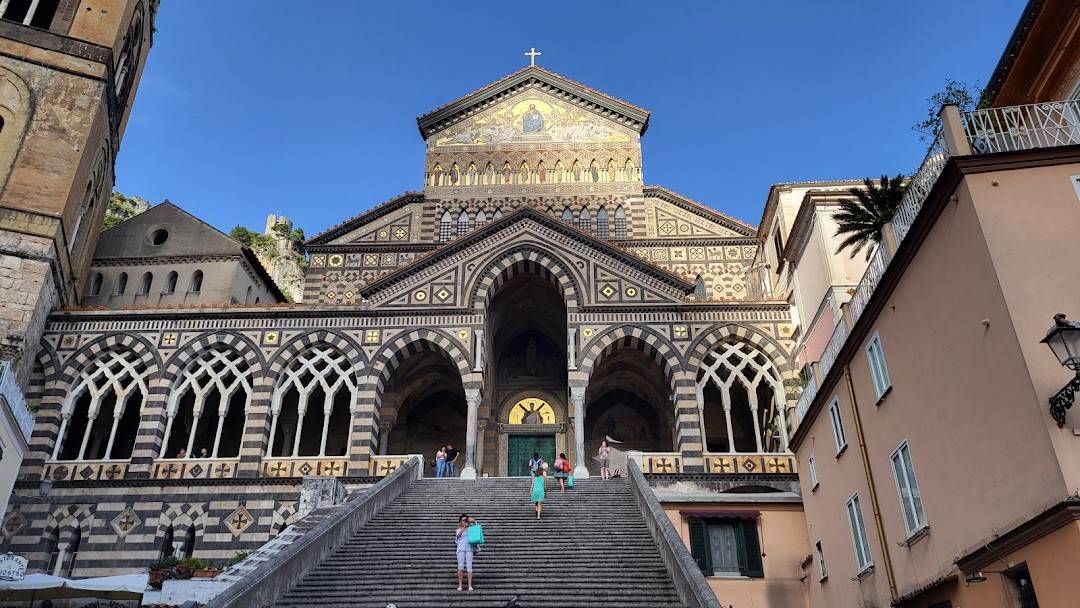
Amalfi Cathedral, located above the main square of Amalfi, is accessed by climbing a long staircase. It is renowned for its unique Arab-Norman and Baroque architectural style. The cathedral’s colorful façade and solemn, ornate interior house the relics of St. Andrew, symbolizing Amalfi’s spiritual and historical heritage.
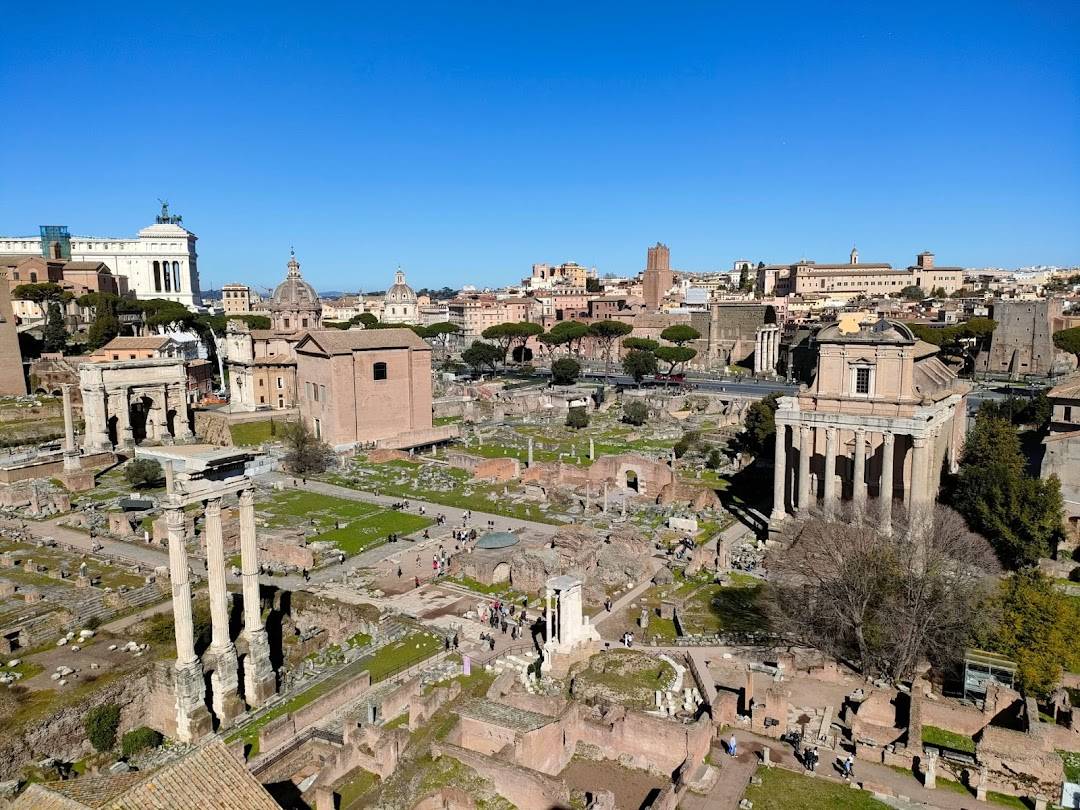
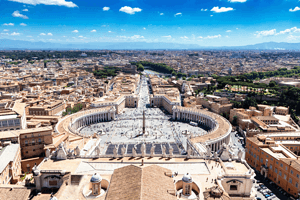
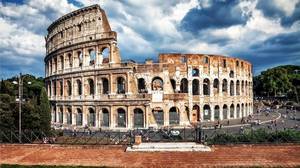
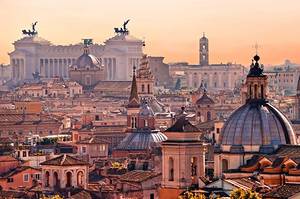
Rome is the capital of Italy and was the center of the ancient Roman Empire, often referred to as the 'Eternal City.' The city is filled with ancient ruins, Renaissance, and Baroque architecture. From the Colosseum to the Vatican, from fountains and squares to ancient alleyways, Rome offers layers of history, making it one of the most captivating cities in the world.
Piazza di Spagna gets its name from the Spanish Embassy. Its iconic Spanish Steps connect the lower square to the church on the hill above. It is one of Rome’s most famous gathering spots. The surrounding district is filled with high-end shops and elegant cafés, and in the evenings, street performers and visitors often relax on the steps.
Via del Corso is a major shopping street running through Rome’s historic center, connecting Piazza Venezia and Piazza del Popolo. Lined with various stores, brand outlets, and cafés, it’s also a pedestrian-friendly route linking several attractions, perfect for combining shopping and sightseeing.
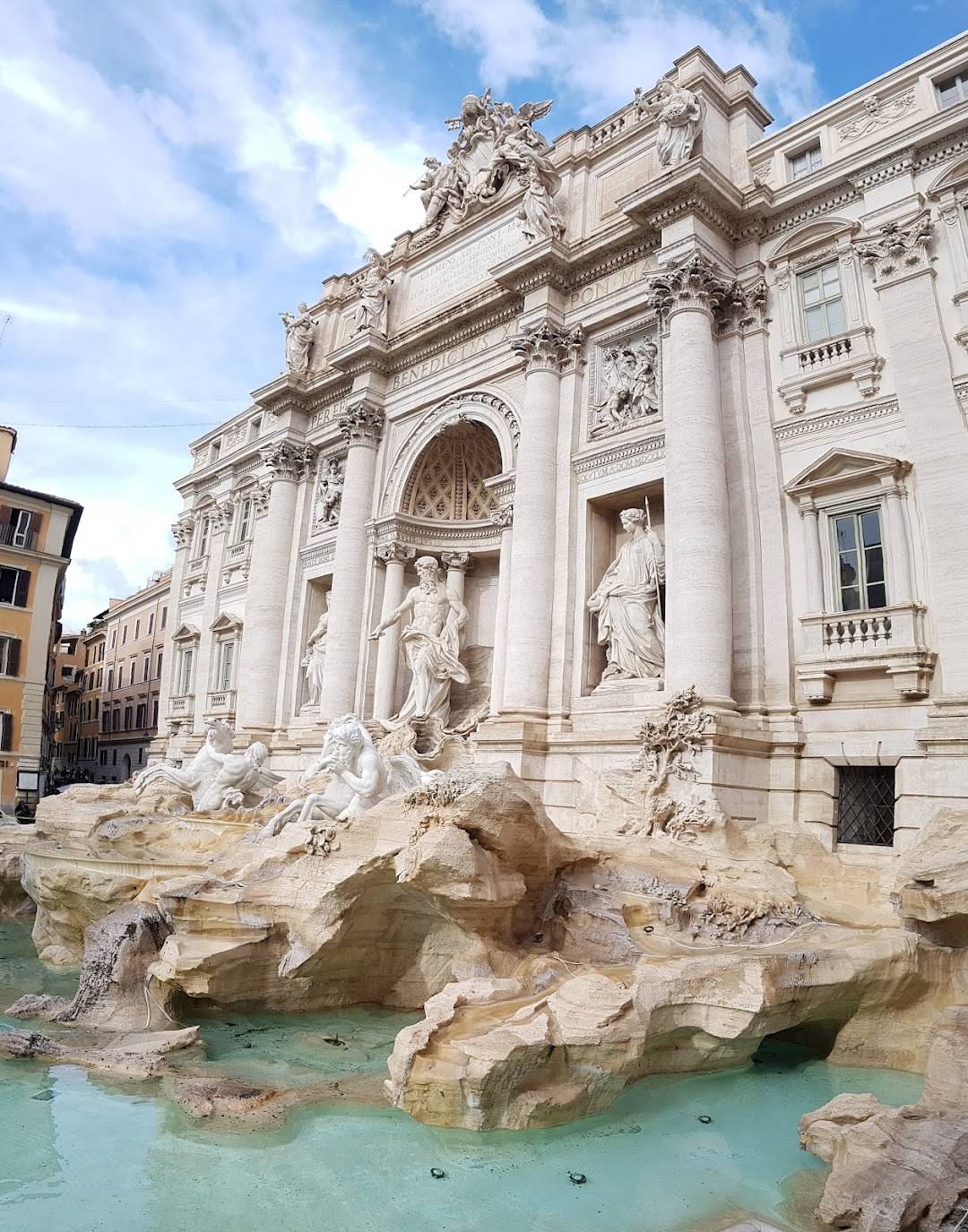
The Trevi Fountain is Rome’s largest and most famous Baroque fountain, featuring a grand sculpture of Neptune and mythological figures. Traditionally, visitors toss a coin into the fountain over their shoulder to wish for a return to Rome, making it one of the city’s most romantic symbols.
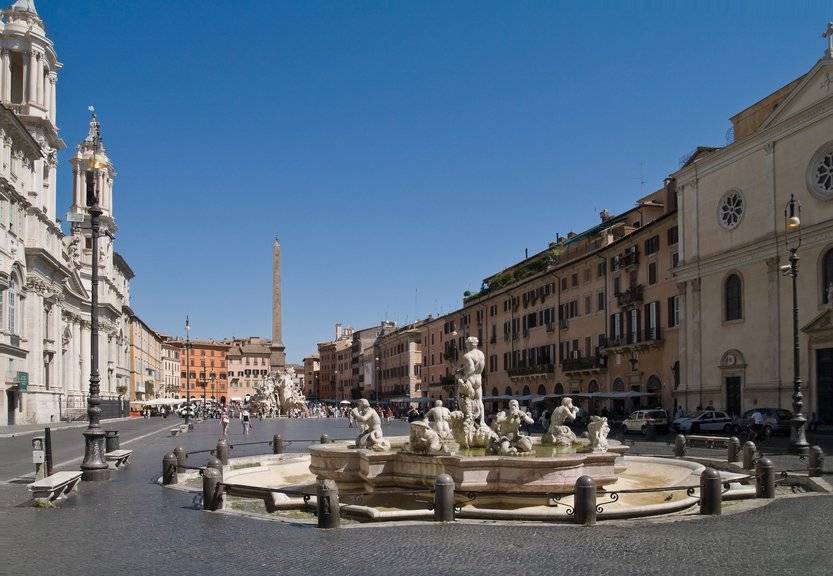
Piazza Navona is built on the site of an ancient Roman stadium and is one of Rome’s most beautiful Baroque squares. The central Four Rivers Fountain, designed by Bernini, is surrounded by churches, cafés, and restaurants. Frequented by street performers and artists, it’s an ideal place for an evening stroll to soak up the atmosphere of Roman life.
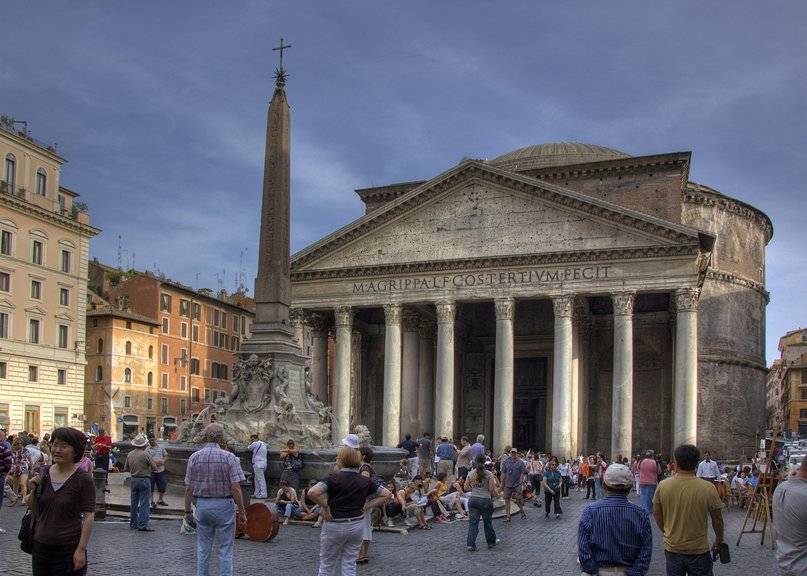
The Pantheon is one of the best-preserved ancient Roman buildings. Originally dedicated to all gods, it later became a church. Its massive dome and oculus are architectural masterpieces of engineering and design. Sunlight streaming through the oculus creates a solemn atmosphere, symbolizing ancient Roman innovation and religious transformation.
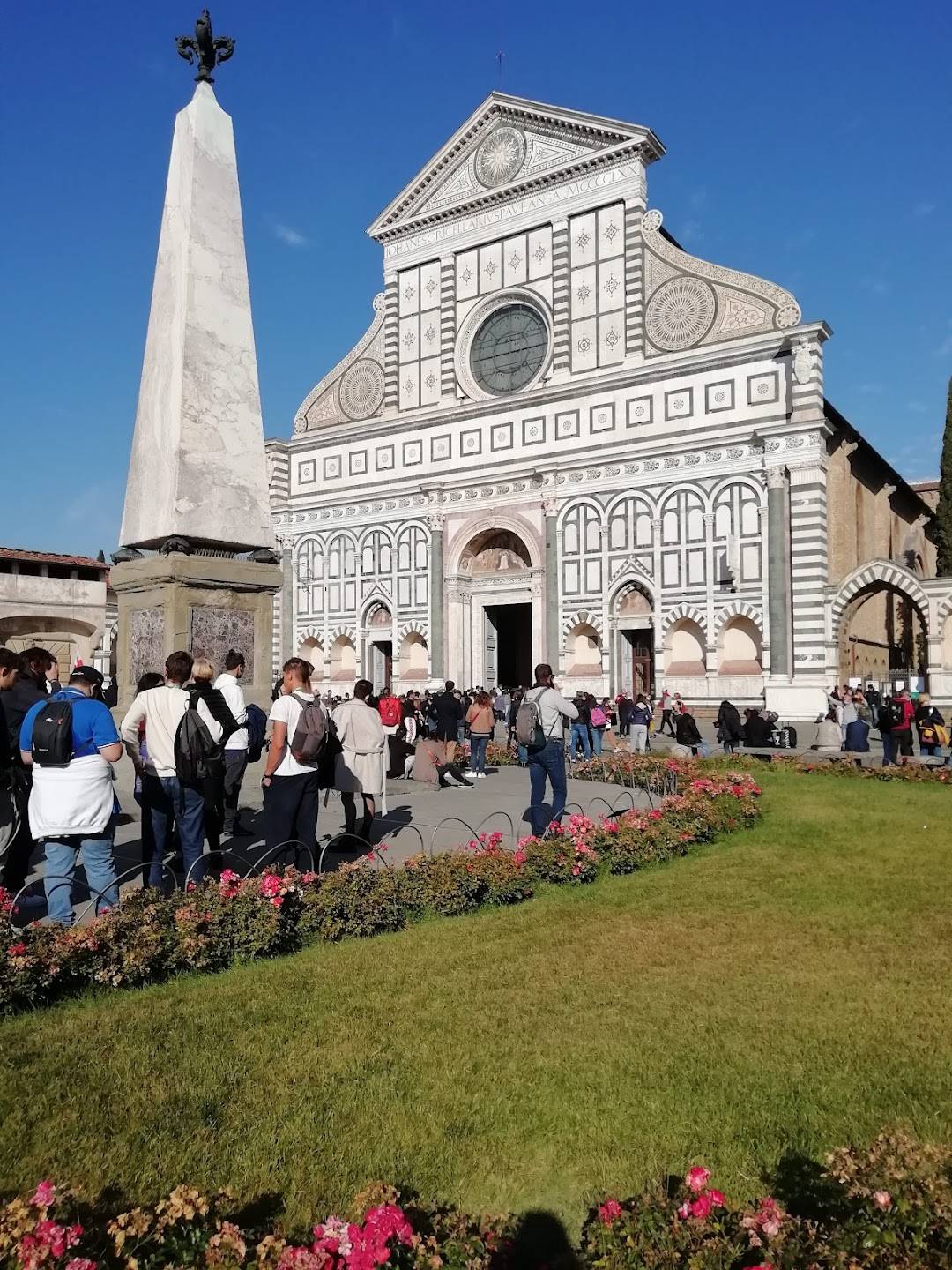
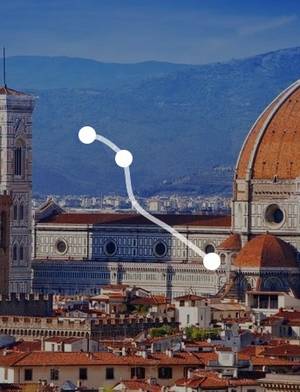
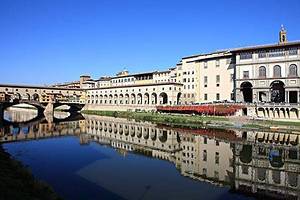
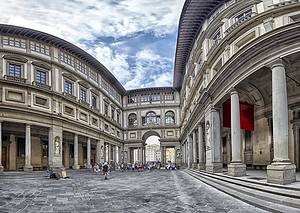
Florence, the capital of the Tuscany region, is the birthplace of the Renaissance, home to many great artists and scientists. The city’s unique skyline features red-roofed buildings, the Arno River, bridges, and church domes. Its museums and churches house countless world-class artworks, making it an ideal place to explore on foot.