Dakar is the capital and largest city of Senegal, located on the Atlantic coast and a major political, economic, and cultural hub in West Africa. Known for its bustling markets, coastal roads, colonial-era buildings, and vibrant nightlife, it is the first stop for most visitors entering Senegal.
Kermel Market is located in the center of Dakar and is famous for its circular architecture and colonial-style exterior. It mainly sells seafood, fruits, vegetables, and some handicrafts. The environment is relatively clean, making it ideal for leisurely market browsing and photography.
Anse Bernard Beach is situated by the Dakar coastline close to the city center. It is a small bay where locals and visitors relax, sunbathe, and swim in a laid-back atmosphere, with scenic views of the Atlantic.
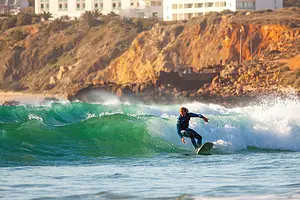
Virage Beach is a popular stretch of urban beach near Dakar’s airport area. It is perfect for walking, surfing, and watching sunsets, with numerous cafes and small restaurants nearby.
Almadies is located at the westernmost point of the African continent. It is one of Dakar's upscale residential areas and a trendy seaside dining zone, filled with seaside restaurants and bars. It is an ideal spot for seafood and viewing Atlantic sunsets.
The Museum of Black Civilizations is a significant cultural institution in Dakar, showcasing the history, art, and contemporary works of African and global Black civilizations. The collection includes sculptures, masks, textiles, and multimedia exhibits, making it a key location for understanding African cultural identity and historical memory.
IFAN Museum of African Arts is affiliated with the West African Research Institute and primarily displays traditional African artworks, including masks, sculptures, instruments, and ceremonial objects. It is an important museum for researching and appreciating West African artistic traditions.
Île de Gorée is located offshore from Dakar and can be reached by ferry in about 20 minutes. Once a transit point for the slave trade, it is now a UNESCO World Heritage Site. The island preserves colorful colonial buildings and peaceful streets, combining a heavy historical memory with charming island scenery.
The House of Slaves is one of the most important historic buildings on Gorée Island, once used to detain African slaves being trafficked. Today, it serves as a memorial. The cramped cells and 'Door of No Return' provide a visceral experience of the cruelty of the slave trade, symbolizing remembrance and reflection.
Saly is located south of Dakar on the Petite Côte and is one of Senegal’s most famous beachfront resort towns. It features numerous resorts, beach clubs, and water activities, making it ideal for visitors seeking relaxing vacations centered on beaches.
Somone is a tranquil coastal village on the Petite Côte, renowned for its protected lagoon. Visitors can explore the mangroves by canoe, birdwatch, and enjoy a quieter seaside atmosphere compared to Saly. It is a great spot for natural sightseeing and relaxation.
Popenguine is an unassuming seaside village on the Petite Côte, with cliffs and sandy landscapes that include a nature reserve. It is less frequented by tourists, making it suitable for those seeking a more authentic village atmosphere and serene beaches.
Saint-Louis Island is the historical center of Saint-Louis city, formerly the administrative capital of French West Africa. Now a UNESCO World Heritage Site, the island is filled with colorful colonial buildings, balcony houses, and narrow streets, blending a unique mix of French colonial and African vibes. It is perfect for walking and photography.
Djoudj National Bird Sanctuary is located to the north of Saint-Louis and serves as an important wetland reserve and migratory bird habitat, listed as a UNESCO World Heritage Site. During migration season, numerous pelicans, flamingos, and various water birds gather there. Visitors can explore the wetlands by boat and birdwatch, making it a paradise for bird enthusiasts.
Barbarie Spit is a long sandy peninsula near Saint-Louis that separates the Atlantic Ocean from the river mouth. It features expansive beaches, sand dunes, and some protected areas, suitable for beach walks, birdwatching, and enjoying leisure activities.
Cap Skirring is located in southern Senegal's Casamance region and is a renowned beachfront vacation spot. It boasts long stretches of golden beaches, coconut groves, and a relaxed atmosphere. With its wetter tropical climate, it is considered one of the most ‘tropical’ Senegalese beaches.
Casamance is a lush region in southern Senegal known for its rivers, mangroves, rice fields, and traditional Diola villages. The area offers river boating, countryside hiking, and visits to unique 'rain-catchment courtyard houses' (cases à impluvium), perfect for deep natural and cultural exploration.