California Coast & National Parks
11 cities |
22 attraction(s) |
total distance 3446
km
 TIPS
TIPS
Day1
Day2
Day3
Day4
Day5
Day6
Day7
Day8
Day9
Day10
Day11
Day12
Day13
Day14
Day1: San Francisco
1 attraction(s) ·
0 km
1
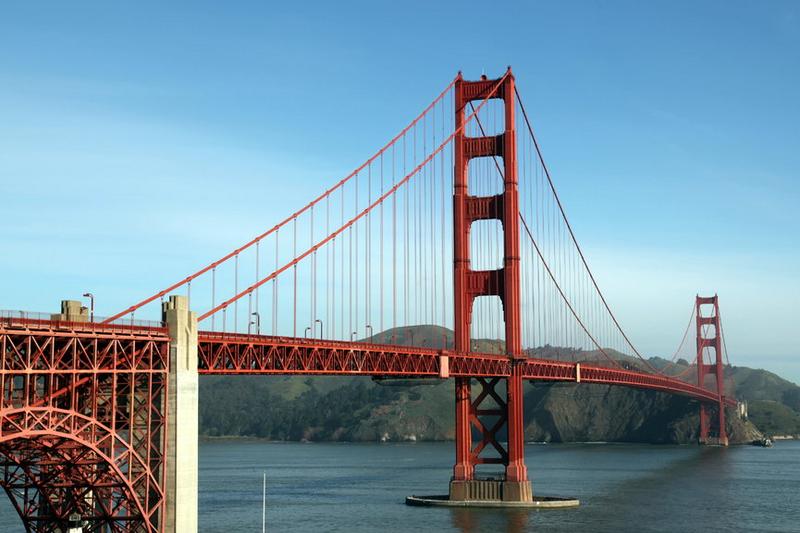
The Golden Gate Bridge is a famous landmark in San Francisco and also a modern engineering marvel. The bridge is approximately 2,737.4 meters long, 27.5 meters wide, and 227.4 meters high, spanning across the Golden Gate Strait and connecting San Francisco and Marin County. After four years of construction and costing 35.5 million dollars, the bridge became an excellent example of design and engineering. The Golden Gate Bridge features an international orange vibrant appearance, which can still be easily seen on top of the bridge even on foggy days.
Day2: San Francisco
2 attraction(s) ·
4 km
1
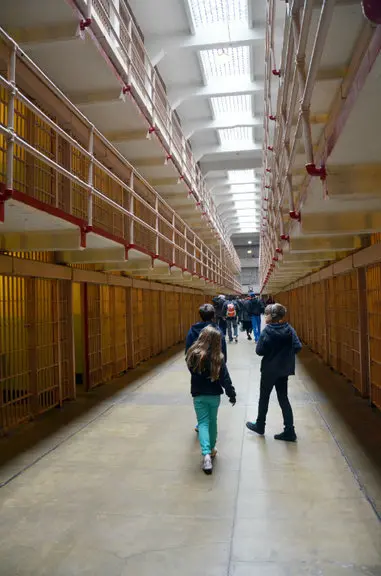
Alcatraz Island was once a federal prison that housed criminals like Al Capone and George Celino Barnes. Although the prison closed in the 1970s, its remains, including cellblocks, a cafeteria, a lighthouse, a water tower, and the warden's office, are still preserved today. Alcatraz Island is now recognized as a National Historic Landmark in the United States and is a must-visit destination for travelers seeking an eerie yet indispensable stop on their journey. The island is also one of the inspirations for the movie title "The Rock" and was featured in films like "X-Men Ⅲ".
4
km
Day3: Monterey
1 attraction(s) ·
0 km
1
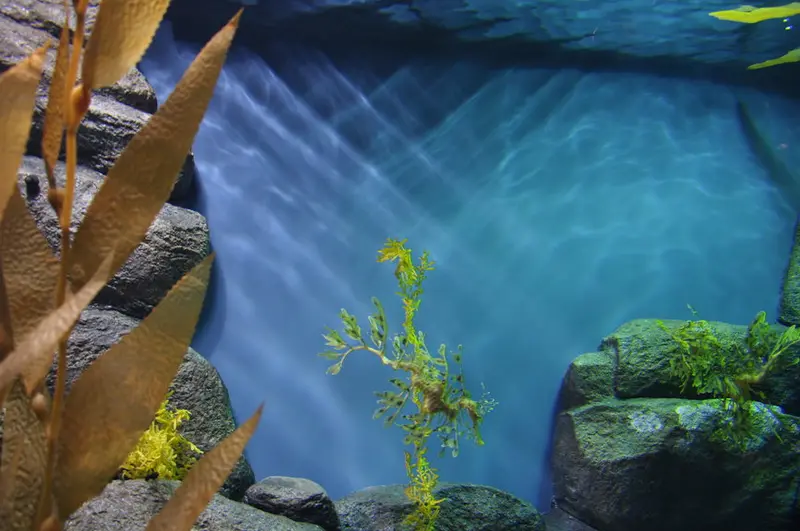
Monterey Bay Aquarium was established in 1984 and is a popular tourist attraction. The iconic feature of the aquarium is the California sea otter, and there are also many new members to explore such as seahorses. In addition, the aquarium showcases various tropical fish and other marine life loved by visitors. Daily activities include fixed performances and animal feeding times, where the audience can experience the interaction between caretakers and penguins, learn about their living environment and conservation status.
Day4: Monterey County > Big Sur
2 attraction(s) ·
4 km
2

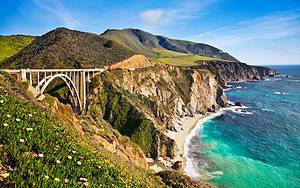
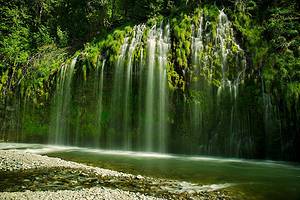
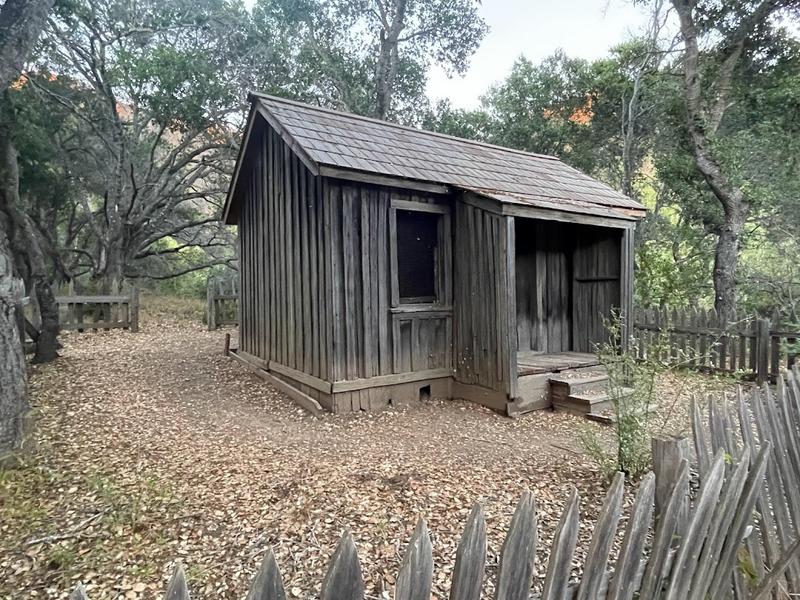
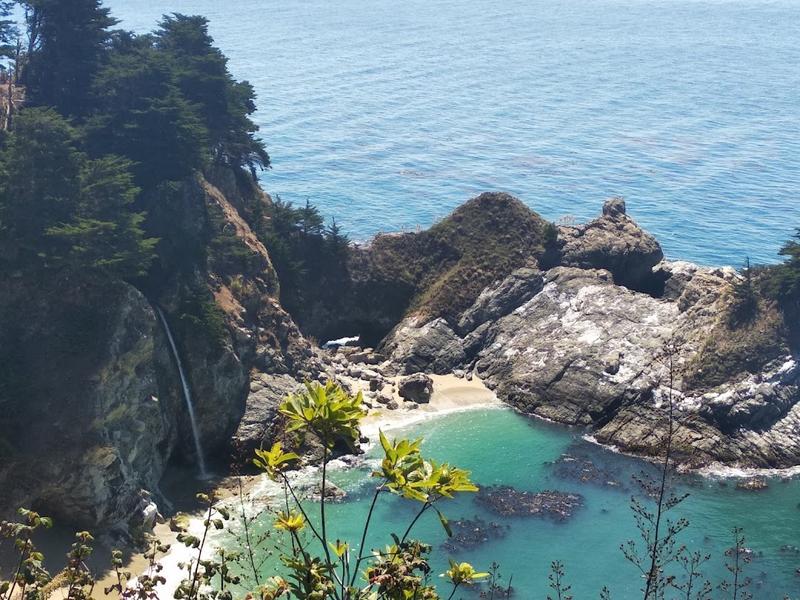
When you visit Big Sur, you will most likely go to two famous attractions, McWay Falls and Bixby Bridge. But don't forget about Pfeiffer Beach on your next visit! The beach is known for its fine purple-colored sand when illuminated by sunlight, making it the only purple beach according to National Geographic. And of course, don't forget about the giant beautiful natural rock standing on the far shore, with a cave in the middle. During sunset, the evening glow shines a beautiful picturesque scenery on the beach, making it a paradise for many photography enthusiasts!
Day5: Santa Barbara
2 attraction(s) ·
5 km
1
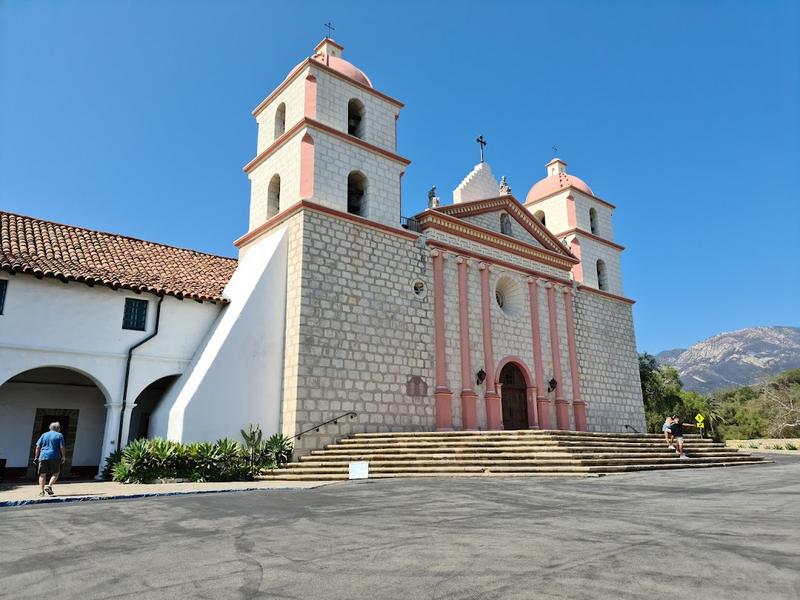
Landmark 1786 Spanish mission with period art & artifacts, gardens with ocean views & a gift shop.
5
km
2
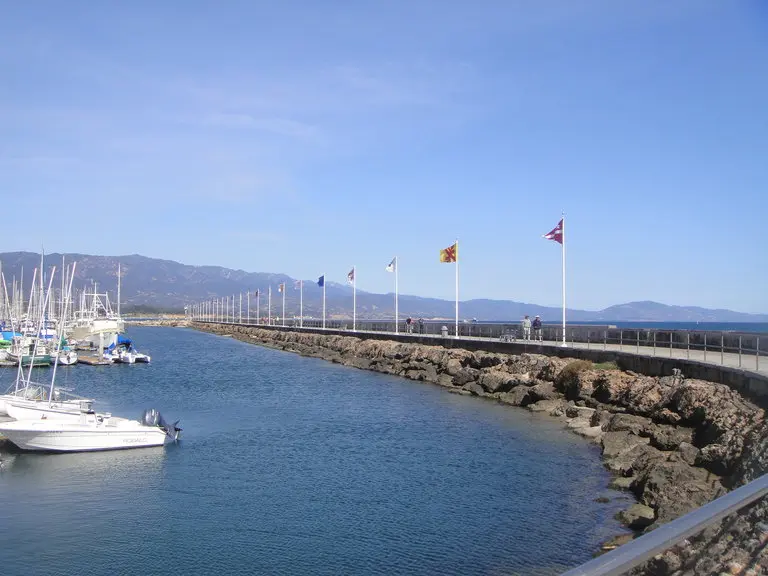
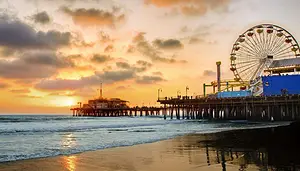
The Sterns Wharf, located at the Santa Barbara harbor, was built in 1872 and is the longest deep-water pier between San Francisco and Los Angeles. It was named after local lumberman John Sterns. After a fire in 1998, a new Sterns Wharf was constructed and has since become a landmark in Santa Barbara. It now serves as a tourist destination, featuring some small shops and several restaurants for visitors to rest and enjoy. At the other end is the Marine Center, which is a part of the Santa Barbara Museum of Natural History and provides an interesting and interactive ocean education experience. The reconstruction and development of the pier have made it a popular tourist destination.
Day6:
0 attraction(s) ·
0 km
Day7: Los Angeles
2 attraction(s) ·
4 km
1
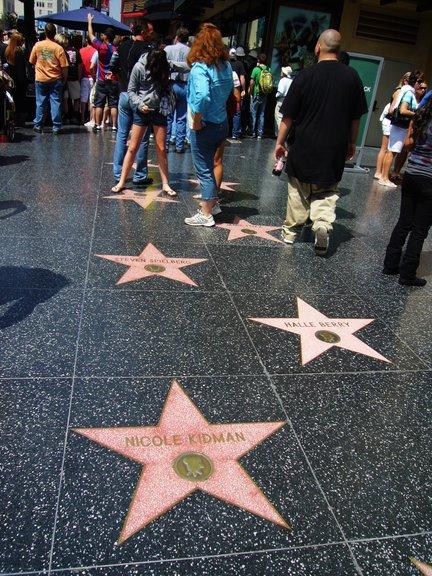
The Hollywood Walk of Fame is actually located on the pedestrian walkways on both sides of Hollywood Boulevard, stretching about 1.3 miles from Gower Street to La Brea Avenue. The avenue was first built in 1958, with 1500 stars representing celebrities from various fields such as film, TV, radio, theater, and music. Since 1968, new stars have been continuously added and there are now over 2500 stars.
4
km
2
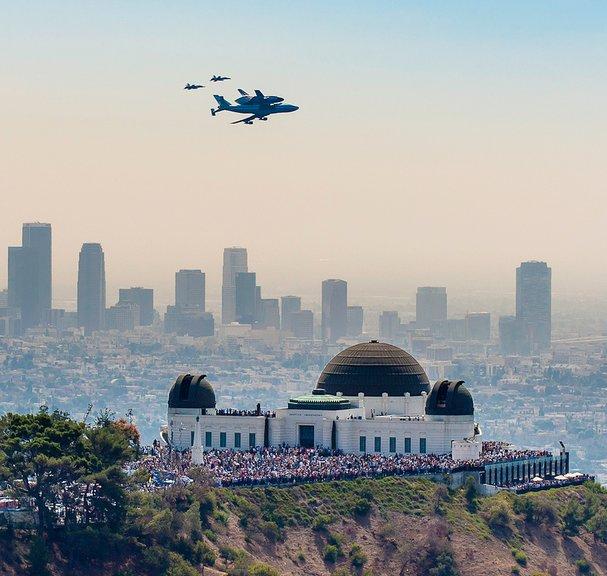
Located at the top of Hollywood Hills, the observatory has a panoramic view where visitors can view the Los Angeles cityscape and the brilliant stars in the sky at night. The observatory's science exhibit displays many photographs of astrophysics, giving visitors a glimpse into the mysteries of the universe. In addition, at the top of the observatory, there is a giant 12-inch telescope that provides the public and travelers with an infinite charm to observe the stars.
Day8: Monterey County > Los Angeles
2 attraction(s) ·
390 km
2
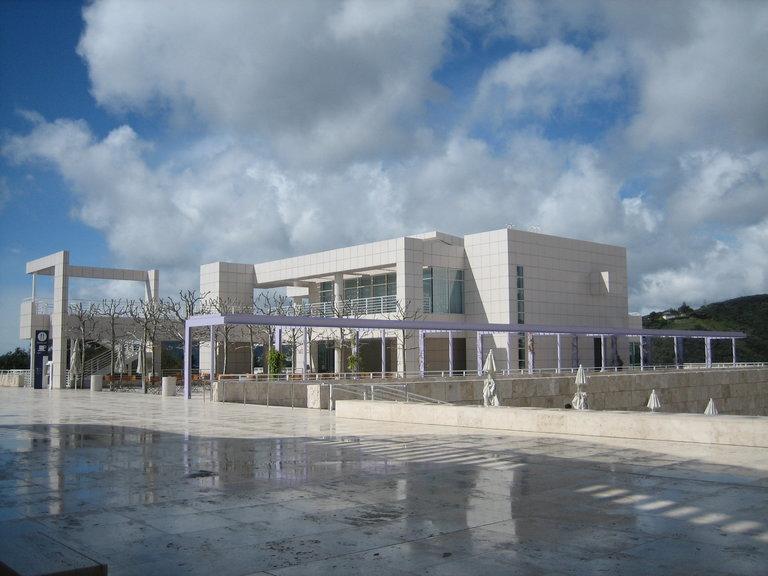
The Getty Center, located in the northwest suburbs of Los Angeles, is a complex covering an area of about 750 acres. It includes an extremely modern art museum, an art research center, and a beautiful garden. The museum houses original works by world-renowned painting masters such as Van Gogh, Ingres, and Lavoisier, as well as 14th to 19th century oil painting masters from France, the Netherlands, and Italy. The Getty Center is not only famous for its rich collections, but also for its unique architectural style, admired by architects worldwide. From the center, visitors can overlook the entire panorama of Los Angeles and appreciate the beauty of the city.
Day9:
1 attraction(s) ·
0 km

Day10:
0 attraction(s) ·
0 km
Day11: Oxnard > Tulare County
4 attraction(s) ·
287 km

2

Sprawling park filled with immense sequoia trees & offering hiking, camping & other activities.
20
km
3

Just under 275-ft tall, this landmark in Sequoia National Park is among the world’s largest trees.
5
km

Day12:
0 attraction(s) ·
0 km
Day13: Monterey County > Yosemite National Park > mariposa
5 attraction(s) ·
749 km
2
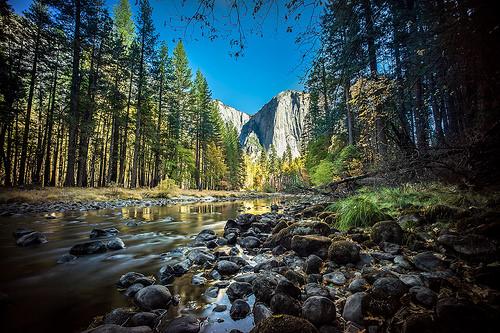
Yosemite National Park, located in the eastern part of central California, is a large national park covering an area of 747,956 acres (1,168.681 square miles; 302,687 hectares; 3,026.87 square kilometers). It spans parts of Mariposa, Tuolumne, and Madera counties, and extends to the western slopes of the Sierra Nevada. Each year, the park attracts over 3.8 million visitors, with most visiting the seven square miles (approximately 18 square kilometers) of Yosemite Valley. In 1984, Yosemite was designated as a World Heritage Site, recognized internationally for its magnificent granite cliffs, waterfalls, clear streams, giant sequoia groves, and biodiversity. About 95% of the park is designated as wilderness. Although Yosemite was not the first national park established in the United States, it played a vital role in the development of the concept, largely due to the efforts of Galen Clark and John Muir.
25
km
3
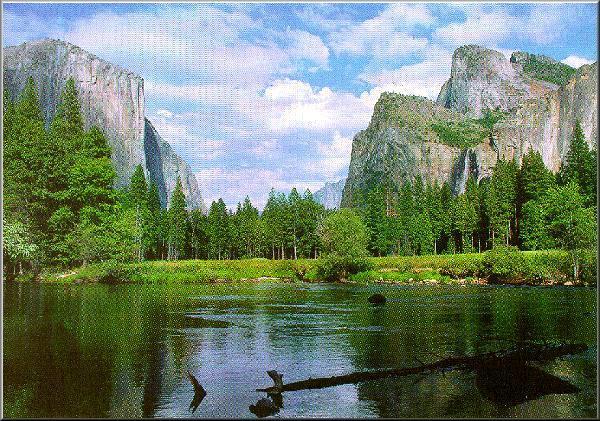
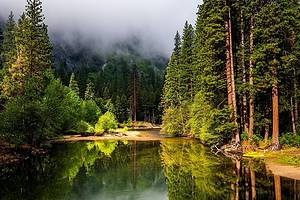
Yosemite National Park is a world-renowned photography destination. The canyon here is surrounded by peaks and is 13 km long and 1.6 km deep, resembling a semi-circular shape with granite cliffs as the boundary. The forests are lush, and streams join the Merced River, flowing through many waterfall groups, such as the Upper and Lower Yosemite Falls. Of these, the Yosemite Falls are the most famous. Standing on the canyon viewing platform, the scenery is breathtaking, as if in a fairyland.
3
km
4
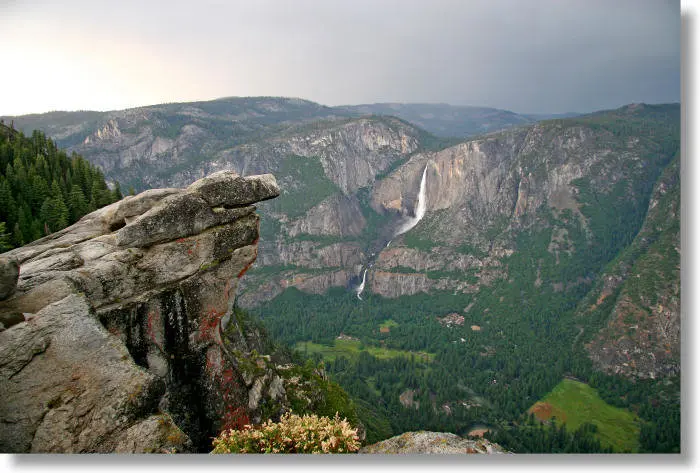
Glacier Point is a scenic spot located at the end of the mountain top road. From here, you can overlook the entire Yosemite Valley. If you drive there, as you approach the summit, you can stop at the Washburn Point scenic lookout on the side of the road to enjoy views of two famous waterfalls: the 97-meter-high Vernal waterfall in spring and the 181-meter-high Nevada waterfall in winter.
474
km
Day14: San Francisco
2 attraction(s) ·
2 km
1
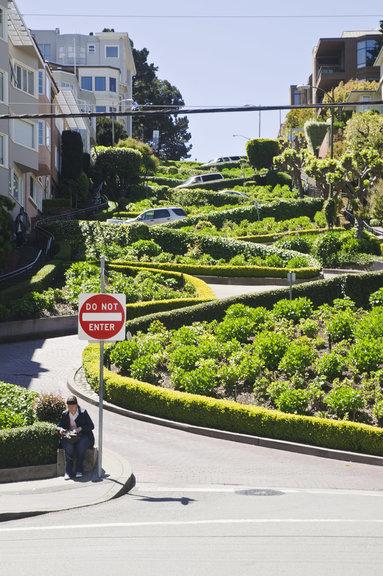
Lombard Street is one of the famous tourist attractions in San Francisco. Due to its eight sharp turns in a short section of road, the scenery is adorned with green plants and flowers along the road, creating a beautiful and pleasant view. Local Chinese people call it the "Crooked Flower Street", which has become one of the must-visit attractions for tourists.
2
km
2
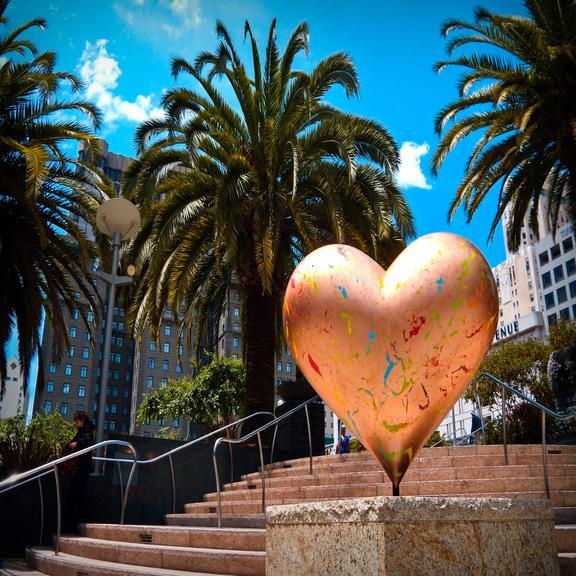
Union Square is located in the heart of San Francisco and is the city's busiest commercial and transportation hub. The monument to hawkish General Dewey, the Victory Goddess, marks the square, while the surrounding blocks feature hotels, theaters, and specialty stores, making for an interesting scene.