New York 2-Day Tour
1 cities |
12 attraction(s) |
total distance 23
km
 TIPS
TIPS
Day1
Day2
Day1: New York
4 attraction(s) ·
4 km
1
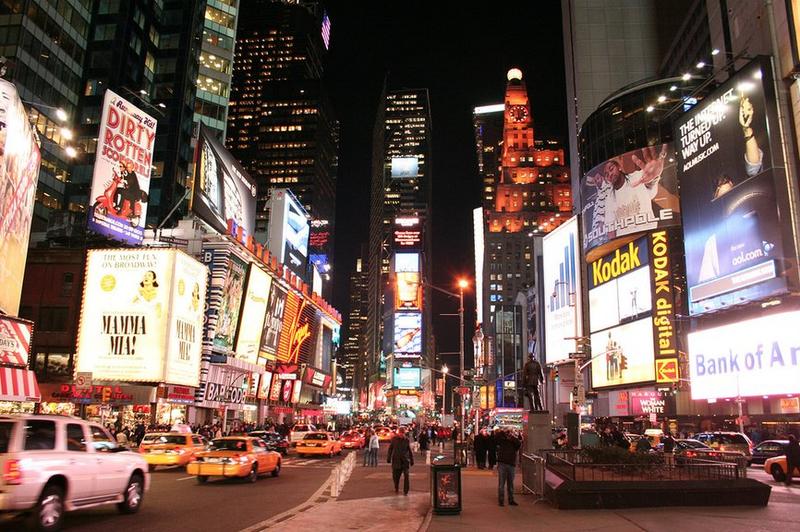
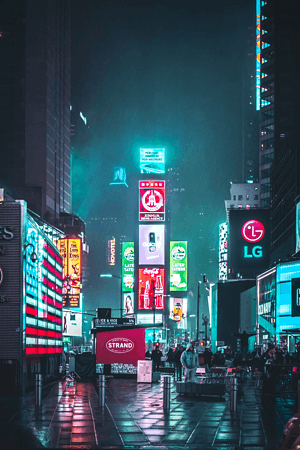
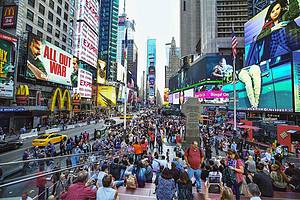
Times Square, located in Manhattan, New York City, is known as the "crossroads of the world". It is situated at the intersection of West 42nd Street and Broadway Avenue. Nearly 40 shopping malls and theaters are gathered around it, making it a prosperous entertainment and shopping center. Times Square is the only area within zoning regulations that requires property owners to hang eye-catching advertising boards, including various advertisements and promotional boards. In addition, Times Square is also the live broadcast location for the popular American TV show "Good Morning, America."
3
km
2
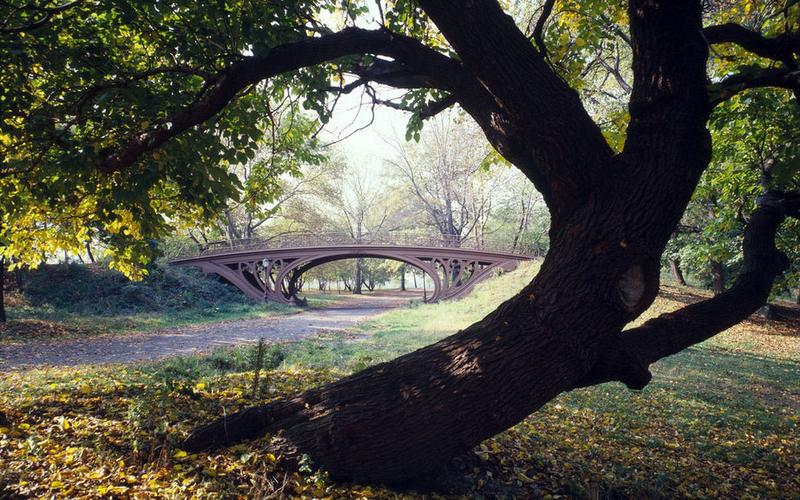
Central Park is a huge urban park located between 59th and 110th Streets in Manhattan. The park has a wide range of facilities including a zoo, children's playgrounds, theaters, a man-made lake, ice rinks, sports fields, and large lawns for visitors to relax on. In addition, the park's perimeter road is 10 kilometers long and is very popular with joggers. It is not easy to have such a beautiful park open to the public for free on such valuable land in Manhattan.
2
km
3
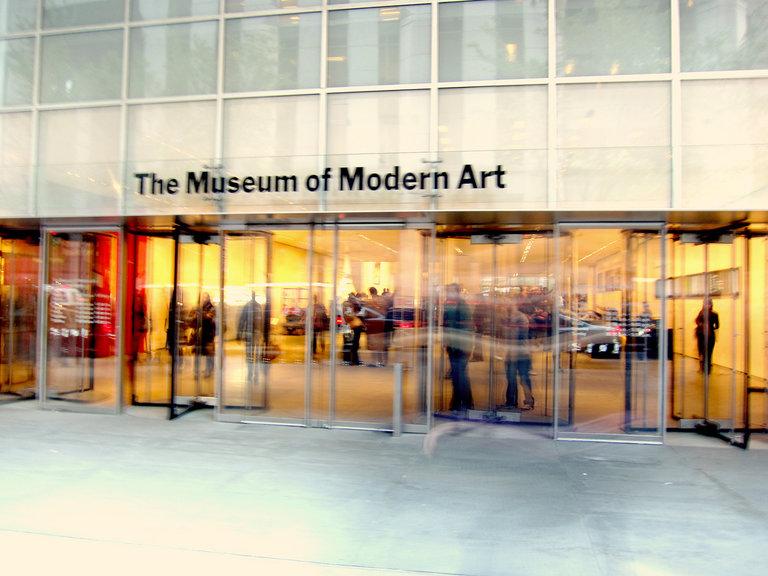
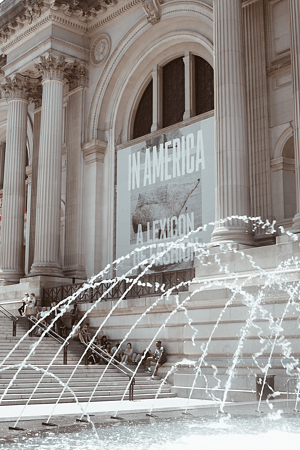
MoMA is one of the most important modern art museums in the world, located in New York City. The museum's collection covers a large number of modern art works and is the first museum established specifically for collecting modern art. The collection also includes works of film, photography, and industrial design, with a total of approximately 150,000 works, 20,000 films, and 4 million film stills.
1
km
4
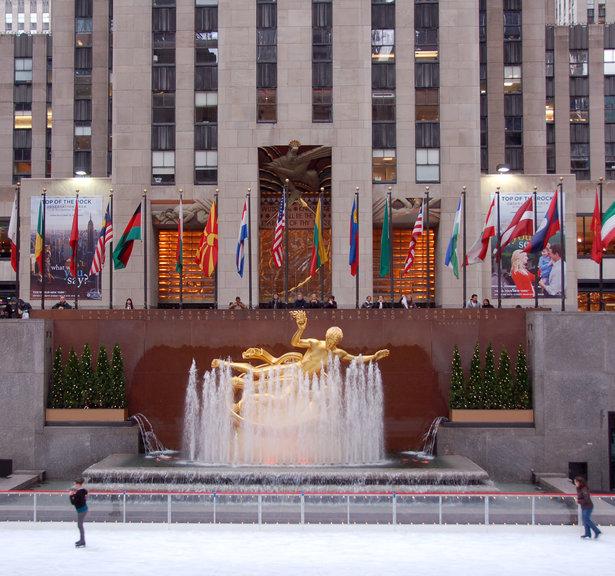
The Rockefeller Center is a complex of buildings located across from St. Patrick's Cathedral, funded and built by the Rockefeller family. Today, it consists of 19 large buildings with interconnected lower levels. The Top of the Rock is an observation deck located on the top floor of the main building, offering visitors a stunning view of Manhattan's beautiful scenery.
Day2: New York
8 attraction(s) ·
9 km
1
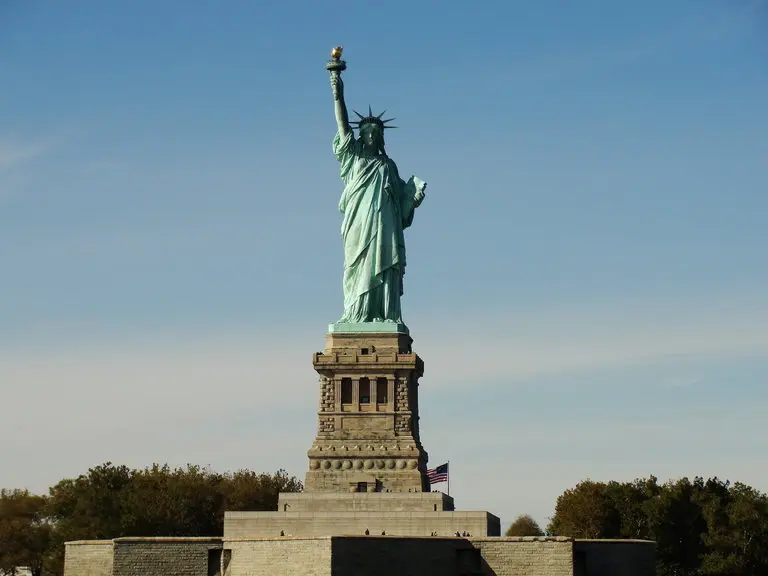
The Statue of Liberty is a national monument called "The Statue of Liberty Enlightening the World," erected on Liberty Island in New York Harbor on October 28, 1886. The pale green copper statue symbolizes the ideals of democracy and freedom pursued by the American people and has long been a symbol of New York City and even the entire United States. The entire statue weighs 225 tons and is made up of a steel frame weighing 120 tons and copper plates weighing 80 tons. Tourists can take a boat from the base of the statue to the top of the pedestal, and climb the 171 spiral stairs inside the Statue of Liberty to the crown. There is also a museum and staircase inside the statue. With prior reservation, tourists can climb to the crown and have a bird's-eye view of Manhattan.
2
km
3
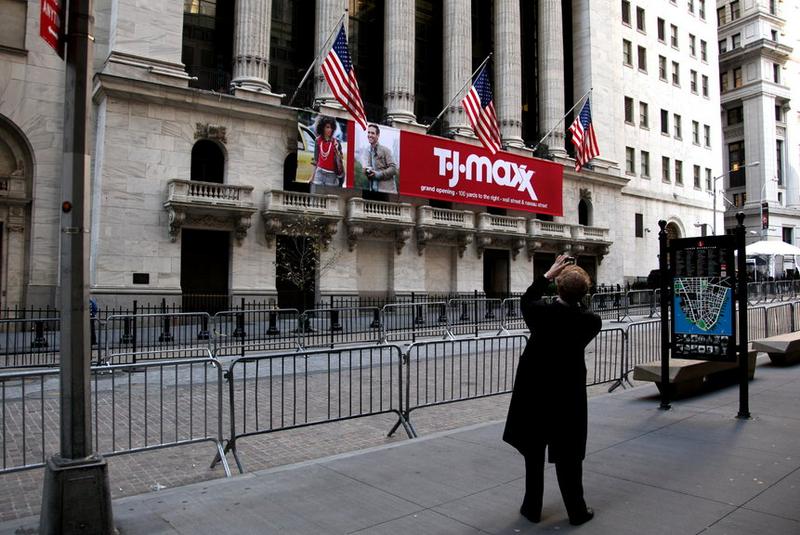
When it comes to New York, one cannot forget about Wall Street, the world's financial center. Located in Lower Manhattan, this narrow street is only 500 meters long and 11 meters wide, earning it the nickname "the Wall Street". The skyscrapers on both sides tower high, giving the illusion of a deep canyon. Despite the gradual decline in influence in the financial world after the 9/11 attacks, the headquarters of the New York Stock Exchange, NASDAQ, American Stock Exchange, New York Mercantile Exchange and New York Board of Trade still remain in Wall Street. Its influence cannot be ignored. In Bowling Green Park, there is a bronze statue of a bull which symbolizes the movement of the stock market and has become a symbol of Wall Street. The statue is always shiny due to the constant influx of visitors each year.
1
km
4
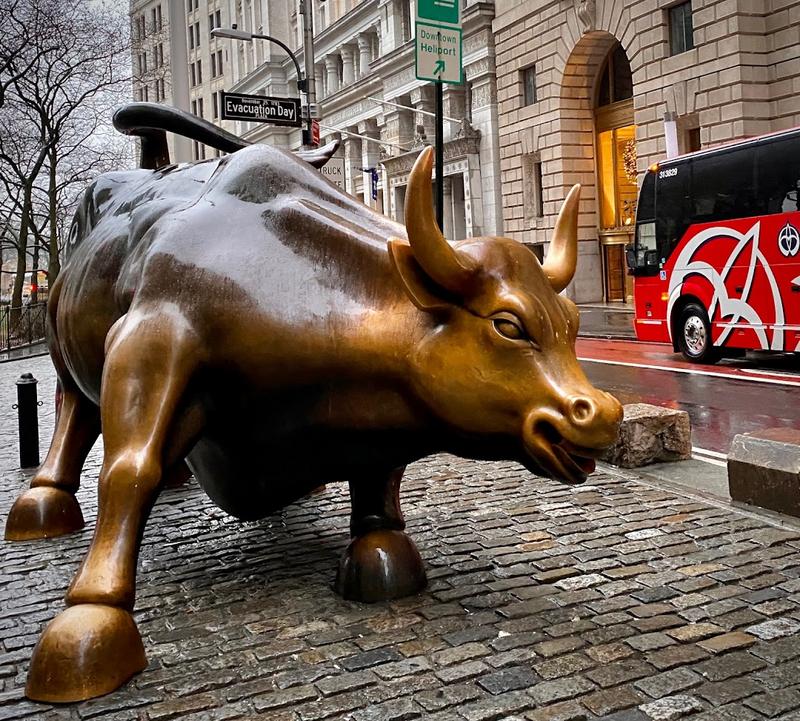
3-ton bronze sculpture of a bull located near Wall Street symbolizing New York's financial industry.
1
km
5
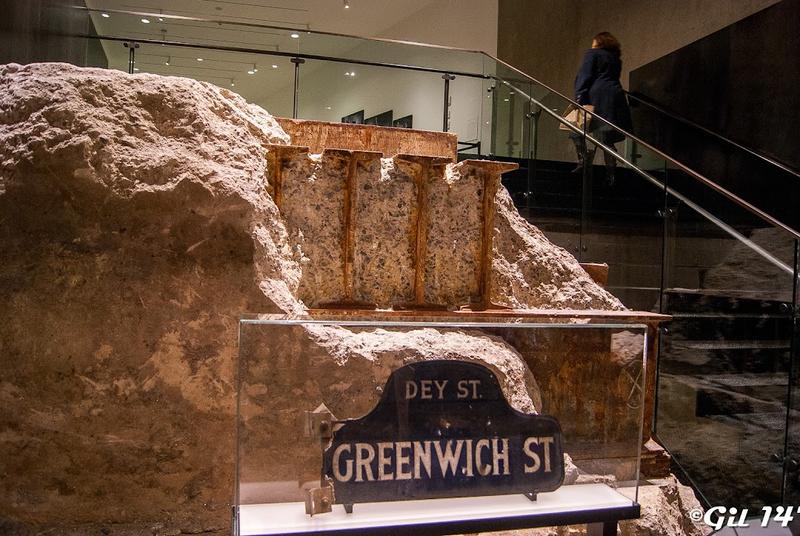
Plaza, pools & exhibits honoring victims of 1993 & 2001 WTC terrorist attacks. Free timed admission.
2
km
6
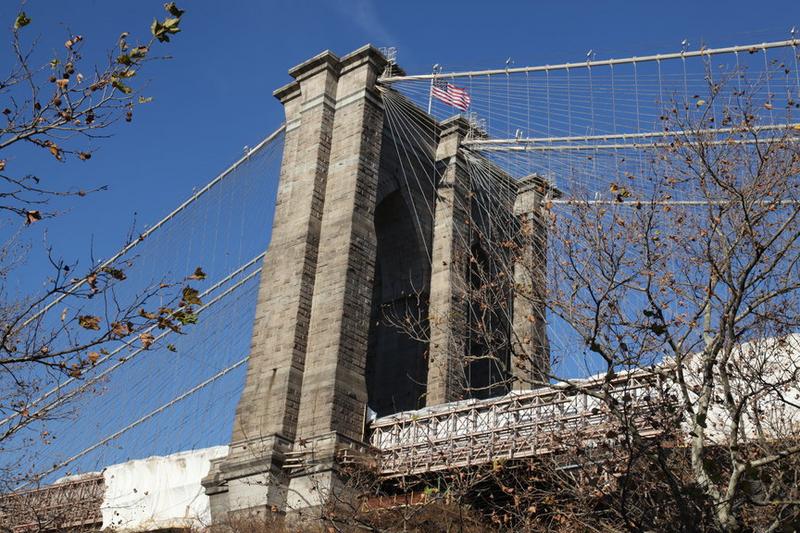
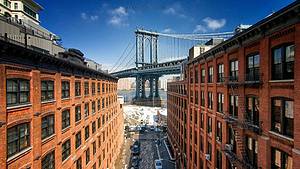
The Brooklyn Bridge, one of the oldest suspension bridges in the United States, was built in 1883 and serves as an important connection between Manhattan and Brooklyn. It is also one of the most iconic landmarks in New York City. With a length of 1,834 meters and a height of 41 meters above water, the bridge is supported by thousands of steel cables and was the longest suspension bridge in the world at the time of its construction. It is considered one of the seven wonders of the modern world for its technological innovation during the industrial revolution. To commemorate its centennial anniversary, the United States issued a 20-cent commemorative stamp featuring the bridge's grandeur and style. In addition, modern American poet Hart Crane wrote a long poem titled "The Bridge" about the Brooklyn Bridge.
1
km

8

In 2005, Brooklyn Bridge Park developed a master plan to transform a beautiful yet heavily polluted vacant waterfront site that was once a shipyard. This plan successfully integrated social diversity, flexibility, and psychological aspects to achieve multiple goals such as comprehensiveness, environmental sustainability, economic benefits, urban connectivity, and social vitality. The original site was an 85-acre industrial land that started being developed two centuries ago, leading to the disappearance of the natural shoreline due to the construction of power lines, dock platforms, and roads, as well as land filling. Additionally, the presence of major urban infrastructure, such as the "Brooklyn-Queens Expressway," disrupted the connection between this waterfront area and the city's everyday life. The construction of Brooklyn Bridge Park successfully mitigated the industrial impact on this area, restored its ecosystem, and reconnected the river with the city.