“Seoul 4-Day Tour: Timeless Elegance and Modern Vibes”
2 cities |
14 attraction(s) |
total distance 74
km
 TIPS
TIPS
Day1
Day2
Day3
Day4
Day1: Incheon > Seoul
4 attraction(s) ·
53 km
1
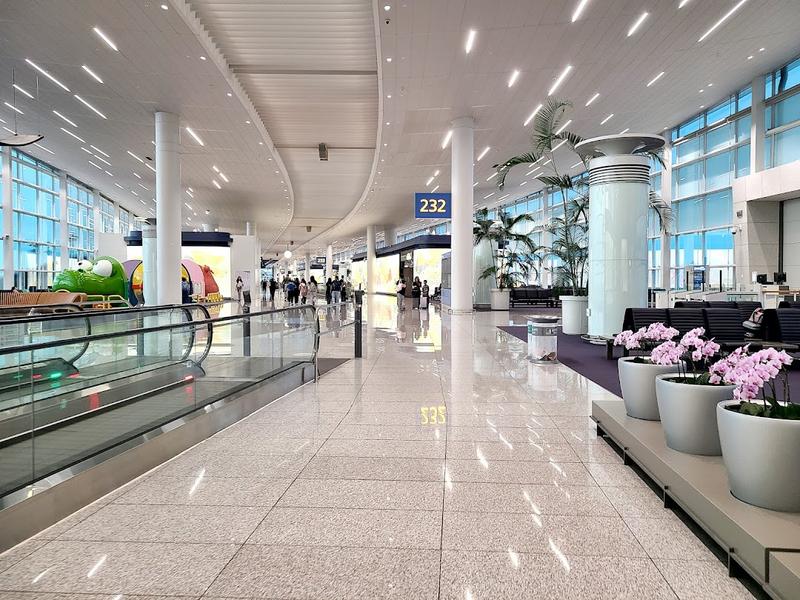
Seoul-area airport with diverse amenities such as a spa, a driving range & an ice-skating rink.
44
km
3

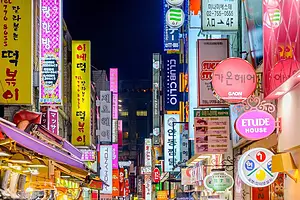
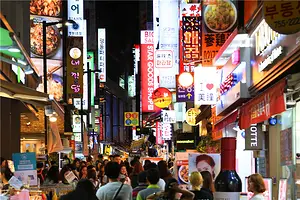
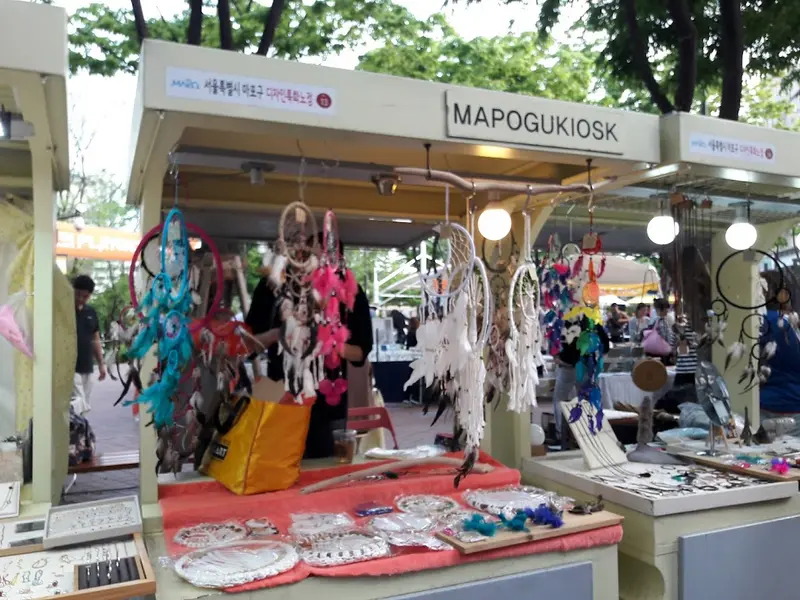
Bustling shopping area offering a wide array of traditional food items, plus clothing & souvenirs.
2
km
4
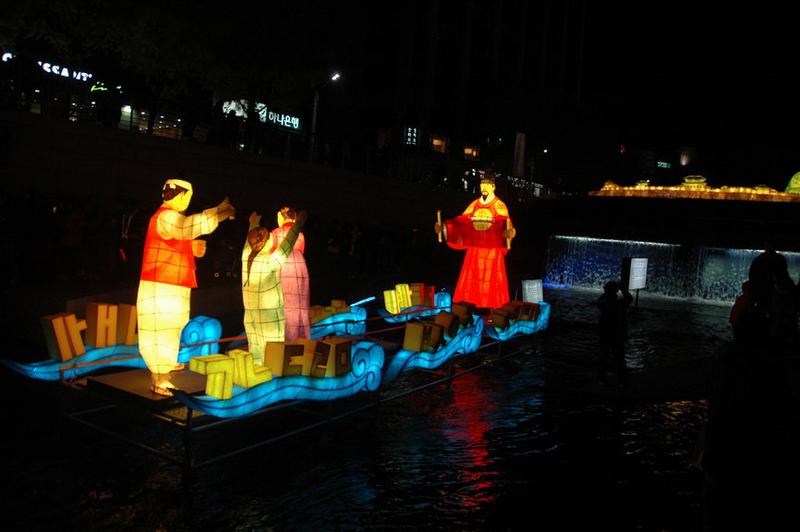
Cheonggyecheon is an artificial river in Seoul, South Korea, with a total length of about 13.7 kilometers. It was excavated in the Joseon Dynasty to solve the problem of rainwater accumulation in the city. Cheonggyecheon used to be used as a sewer, but it was transformed into a famous international tourist attraction in 2005. It is the second largest tributary of the Han River and flows into the Han River after merging with Jungnangcheon, the largest tributary, in the eastern part of the city.
Day2: Seoul
4 attraction(s) ·
6 km
1
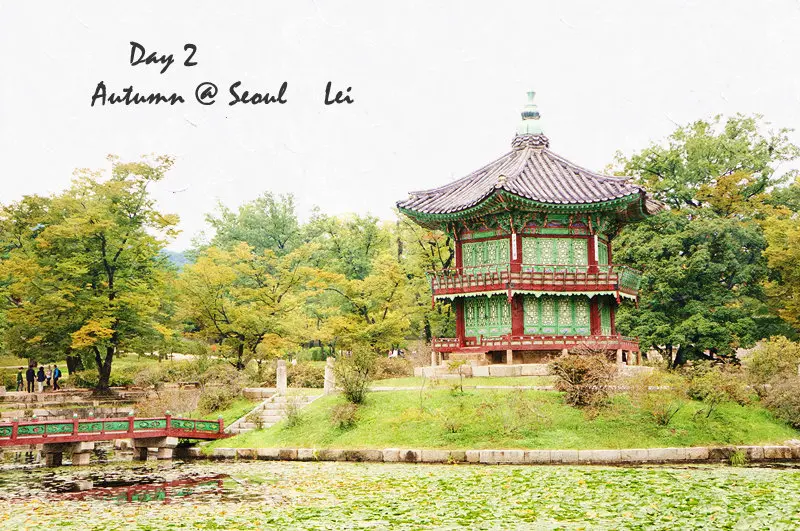
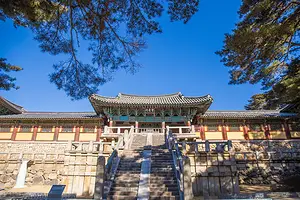
Gyeongbokgung Palace is the first palace built in the early days of the Joseon Dynasty, with a history of 600 years. It was once a grand palace and now showcases delicate beauty. Gyeongbokgung Palace is the largest of the Five Grand Palaces and features unique architecture such as Geunjeongjeon Hall and Gyeonghoeru Pavilion. In addition, there are the National Palace Museum and the National Folk Museum where visitors can explore and experience. Gyeongbokgung Palace is open to the public and there is a ticket office at the entrance of Gwanghwamun. Visitors can also watch the Changing of the Guard ceremony and take photos with the guards, immersing themselves in Korean classical culture.
The name Gyeongbokgung means "great blessings and prospering the nation," reflecting the early aspirations of the Joseon Dynasty. It was completed in 1395 and at its peak had over 390 buildings. During the Japanese invasion in the late 16th century, Gyeongbokgung Palace was burned down and remained abandoned for 273 years. It was restored during the reign of King Gojong but suffered significant damage during the Japanese colonial period, with some buildings demolished and replaced by the Government-General Building. After Korea's independence, Gyeongbokgung Palace gradually underwent restoration, with the completion of the restoration project of Gwanghwamun Gate in 2010. There are also guided tours available in Chinese, departing from the inside of the Geunjeongmun Gate at four designated times.
1
km
2
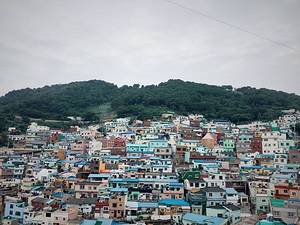
Bukchon Hanok Village is one of the most representative places to experience traditional Korean residential culture. Here, you can feel the authentic living atmosphere as it is a residential area. Therefore, when you visit here as a tourist, please keep quiet so as not to disturb their daily lives. Of course, taking photos here is also an excellent choice. If you want to find the eight major attractions of Bukchon and take beautiful pictures, don't worry about getting lost because there are ground signs to guide you to the best shooting spots. The services here are very thoughtful and convenient for tourists.
1
km
3
삼청동
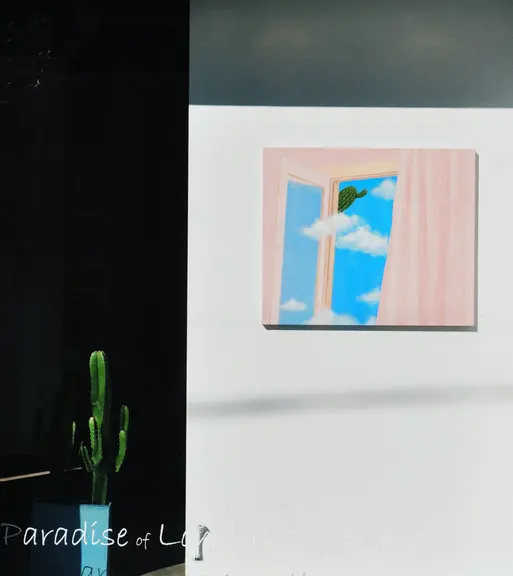
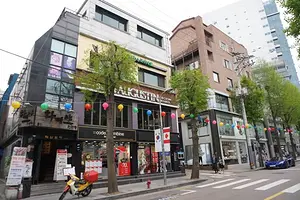
Samcheong-dong is located on the east side of Gyeongbokgung Palace in Seoul. It is a neighborhood filled with traditional Korean houses and modern cultural vibes. During the Joseon Dynasty, it was a residential area for high-ranking officials, leaving behind many traditional Korean houses. In the 20th century, the Korean government implemented regulations to prohibit the demolition of these houses, leading to strengthened maintenance and preservation efforts, as well as the ban on constructing high-rise buildings. This has made Samcheong-dong the area that best represents traditional Korean architecture, living environment, and traditional village scenery.
Since the 21st century, many businesses such as cafes, traditional tea houses, art galleries, museums, traditional restaurants, international dining establishments, clothing stores, jewelry shops, and leather goods stores have settled in the vicinity of Samcheong-dong, attracting a growing number of visitors. Together with nearby Gahoe-dong, Samcheong-dong boasts a total of 342 art galleries, 669 art galleries, 226 hotels, 3,157 jewelry stores, 54 traditional tea houses, and countless food shops. Therefore, when you step into this area for the first time, the astonishing unique scenery will pique your great interest, and it is impossible to visit all the attractions in just 3-4 hours.
4
km
4
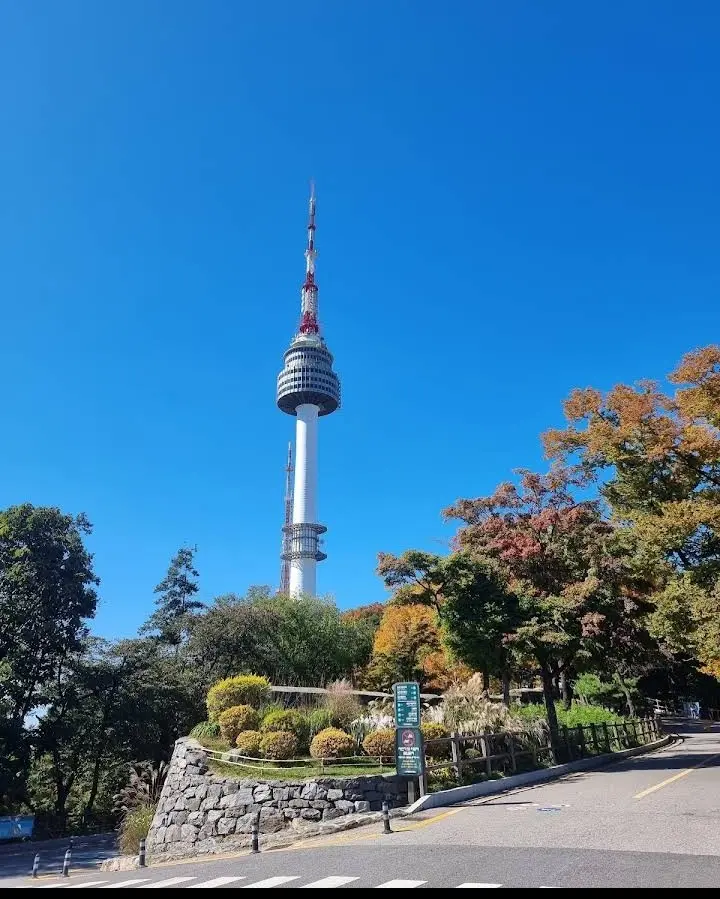
Opened in 1980, this iconic tower offers panoramic views of the city & a revolving restaurant.
Day3: Seoul
3 attraction(s) ·
4 km
1
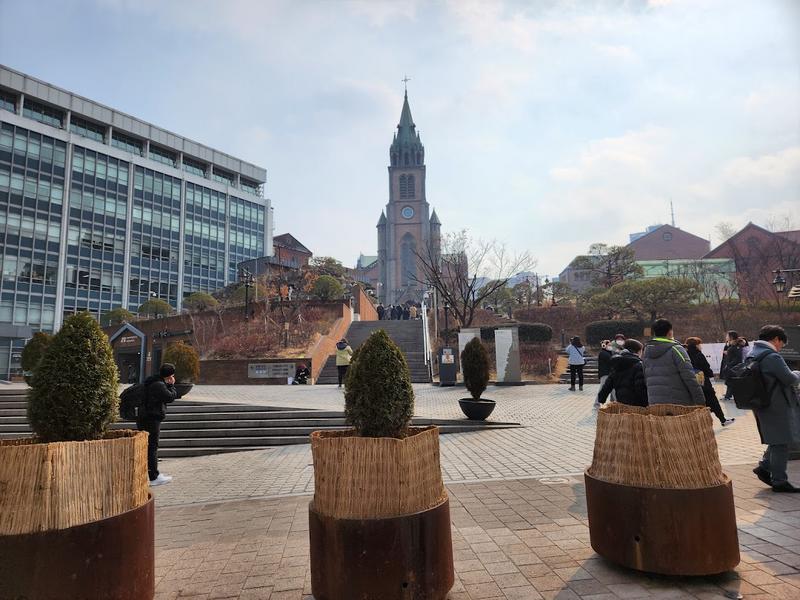
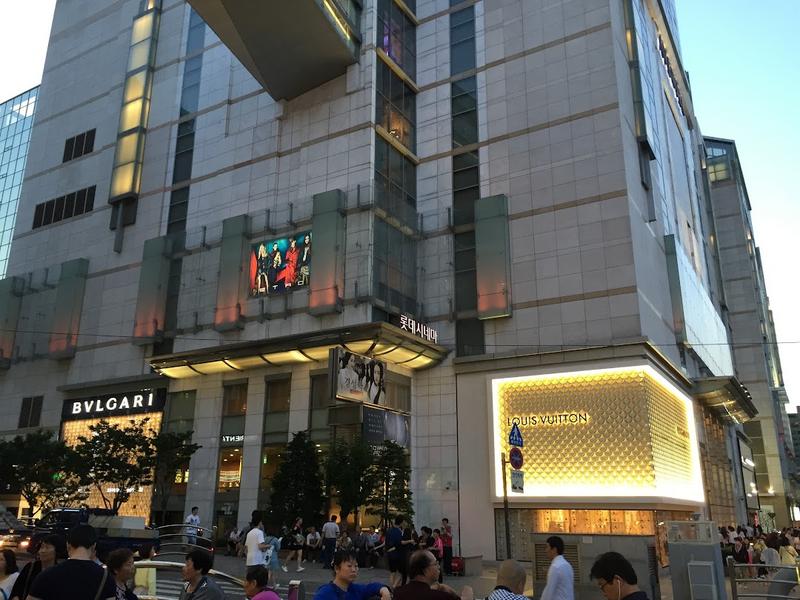
Many high-end international stores & restaurants draw crowds to this bustling retail district.
1
km
Day4: Seoul
3 attraction(s) ·
8 km
1

Chung-Ang University is one of Korea's long-established institutions of higher education, with a history dating back to the Joseon Dynasty in 1398. The main character, Kim Bumdo, in the Korean drama "The King's Woman" also comes from the ancient Chung-Ang. Today, Chung-Ang University is a private university that has been honored with the third place in Korea in the ARWU World Rankings and the 22nd place in Asia in the QS Rankings. It is worth mentioning that many well-known Korean artists, including Bae Yong-joon, Ji Hyun-woo, and Lee Min-jung, are graduates of Chung-Ang University, studying in different departments.
2
km
2
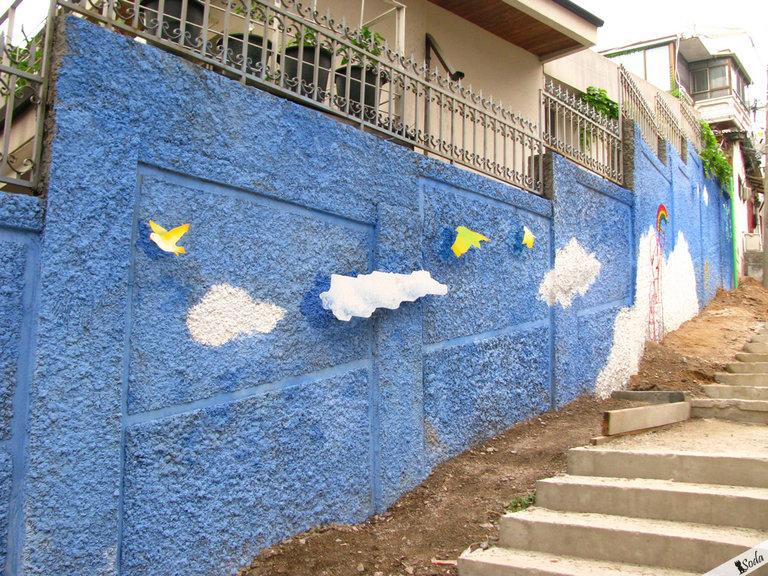
Insadong is a famous traditional neighborhood in Seoul, known for its hanbok rental shops, tea houses, and art galleries. It offers visitors a chance to experience traditional Korean culture and arts. The streets of Insadong are lined with shops selling traditional crafts, paintings, and antiques, making it a popular destination for tourists and locals alike. Don't miss the opportunity to explore the narrow alleyways and discover unique souvenirs or enjoy a cup of traditional Korean tea in one of the traditional tea houses.
7
km