Five-Day Tour of Osaka, Kobe, Kyoto, and Nara
4 cities |
18 attraction(s) |
total distance 189
km
 TIPS
TIPS
Day1
Day2
Day3
Day4
Day5
Day1: Osaka
3 attraction(s) ·
4 km
1
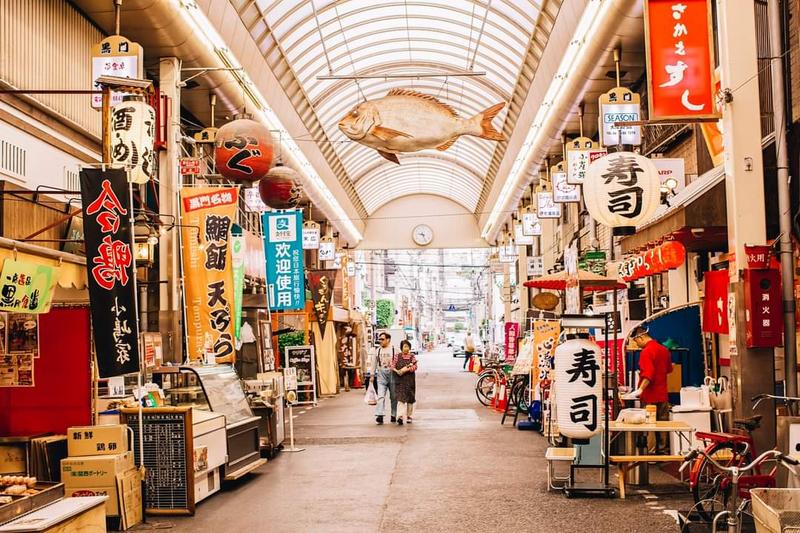
Spacious market with vendors selling street food, fresh produce & shellfish, plus souvenirs.
2
km
2

"America Mura" is an area located near Nishi-Shinsaibashi in Chuo Ward, Osaka, Japan. It is named after the gathering of many Americans in this area in the past. The area has a unique cultural atmosphere and is especially popular among young people, as it offers many fashionable shopping and entertainment venues, such as trendy fashion districts and music clubs. Visitors can immerse themselves in the cultural diversity of Japan and interact with an international community here.
3
km
3
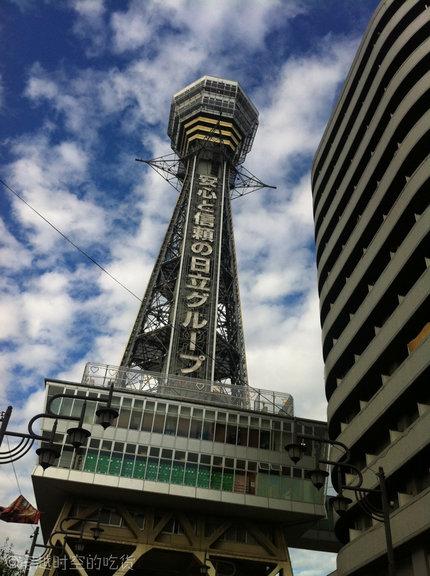
Tsutenkaku is a high-rise building that leads to the sky, inspired by the Arc de Triomphe and the Eiffel Tower in Paris. It was the tallest building in Japan at the time of its completion and is one of Osaka's iconic buildings, like Osaka Castle. On the top floor's observation deck, visitors can enjoy beautiful views of the surrounding area. On the fifth floor, there is a statue called "Fukusenzo" that is believed to bring good luck when you touch the soles of its feet. The neon lights on the top indicate the weather forecast, with white for sunny, orange for cloudy, blue for rain, and pink for snow.
The area near Tsutenkaku, called Shinsekai, is a paradise for local food in Osaka. Here, you can find a variety of specialty foods, including takoyaki, kushikatsu, motsunabe, and the more expensive fugu cuisine. These foods are all must-tries.
Day2: Kobe
3 attraction(s) ·
4 km
2
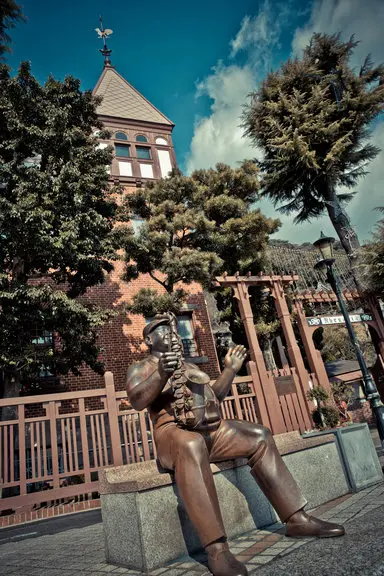
Foreigners' residences in Western-style architecture, known as Ijinkan, from the Meiji era are still preserved in the Kitano area of Kobe. With the expansion of Kobe Port in the 1960s, more Ijinkan were built, creating a street full of exotic charm. Visitors can now enjoy visiting around 20 open Ijinkan, which were once homes of Swiss traders transformed into restaurants and more. One of the most representative buildings is the "Weathercock House" built in 1909, known for its red brick exterior and harmonious Art Nouveau interior. Another notable example is the "Moegi House" built in 1903, which used to be the residence of the U.S. Consul General and attracts attention for its architectural style.
3
km
3
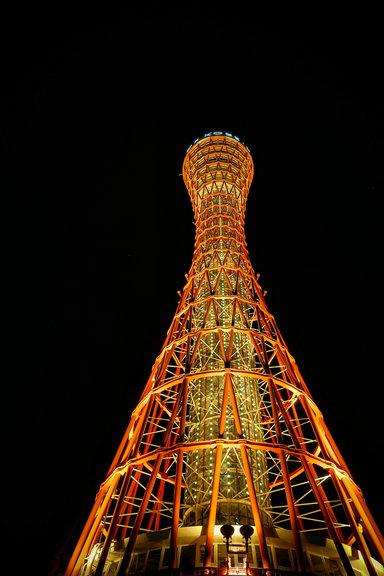
The Kobe Port Tower, completed in 1963, is one of Kobe's landmarks. Located in Meriken Park, it features facilities such as the Maritime Museum and hotels, making it a popular tourist attraction. This red tower is constructed using a truss structure, with a beautiful curved design. Standing at a height of 108 meters, the top observation deck offers a 360-degree view of the beautiful scenery, overlooking the bustling streets of Motomachi, Kitano, and Nanking, as well as views of Osaka, Awaji Island, Akashi Kaikyo Bridge, Kobe Airport, and Mount Rokko. Inside the tower, there is a revolving café and a souvenir market, providing convenience for visitors. Illuminated at night, the vibrant red exterior wall appears even more beautiful, creating a striking contrast with the neighboring white exterior of the Kobe Maritime Museum.
Day3: Kyoto
4 attraction(s) ·
11 km
1
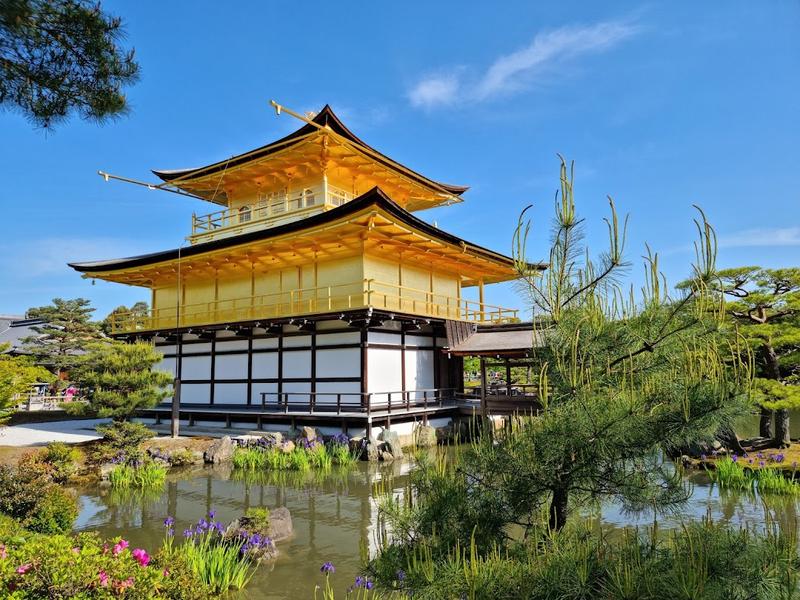
Historic, tranquil temple with a gold-leaf facade set amid landscaped gardens & a reflecting pond.
8
km
2
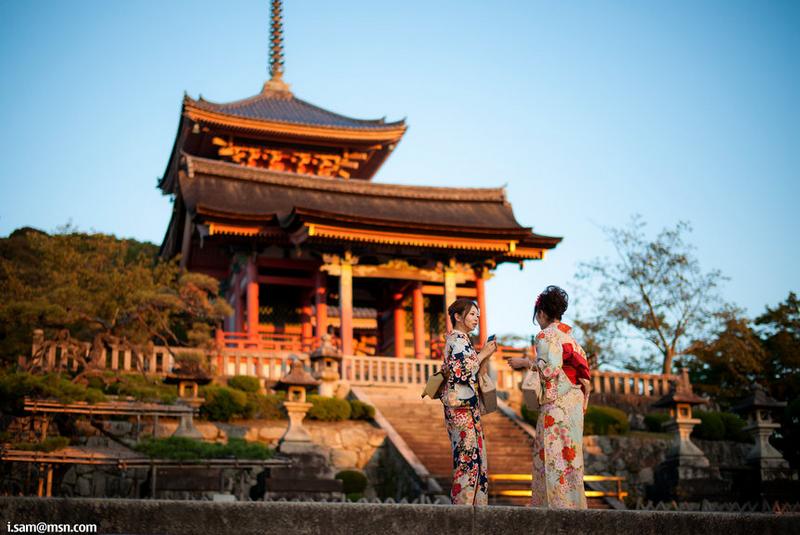
Kiyomizu-dera is a historical temple located on Mount Otowa in the eastern part of Kyoto. It was first built in 778 and has been rebuilt several times, with the current structures mostly dating back to the period between 1631 and 1633. The temple's main hall, Niomon Gate, Western Gate, Three-story Pagoda, and Bell Tower have been designated as national treasures and important cultural properties. The most famous feature of the temple is the Kiyomizu stage, a platform that was built without using a single nail and is located on a cliff, offering a panoramic view of the city of Kyoto. The temple also features the Otowa Waterfall, where three separate streams represent longevity, academic success, and finding love. In addition to the main temple, there are other buildings located throughout the grounds, such as the Three-story Pagoda and Zuigu-do Hall. Visitors can purchase tickets to participate in the "Womb World Walk," a prayer experience that symbolizes being inside the womb of a Bodhisattva. The upcoming "Kanji of the Year" event will take place at Kiyomizu-dera, and the Kyoto Kanji Association considers it a typical representative of Japanese temples. Kiyomizu-dera is designated as a UNESCO World Heritage Site and is considered one of the iconic landmarks of Kyoto due to its lush scenery and long history.
2
km
3
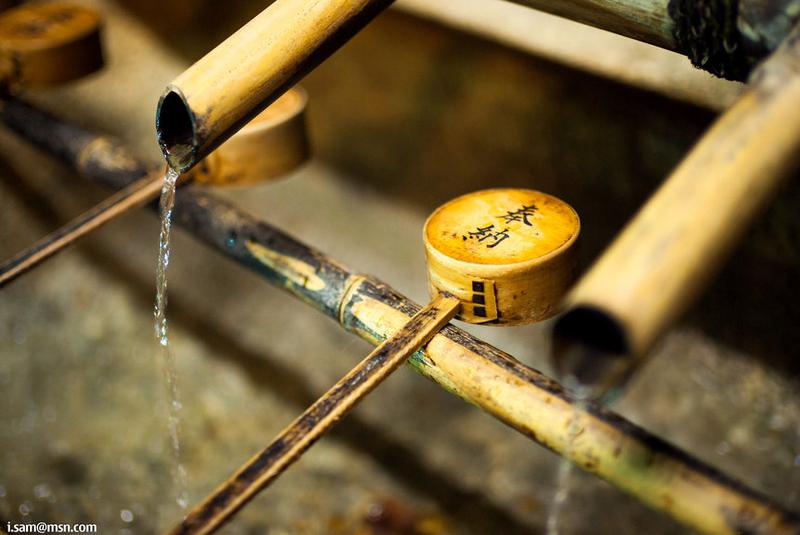
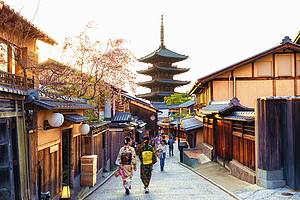
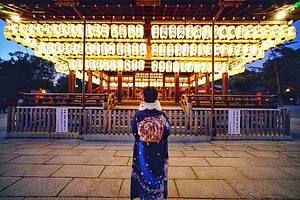
Yasaka Shrine is a shrine located in the Higashiyama ward of Kyoto, Japan. It is one of the 22 shrines that are collectively known as the Twenty-Two Shrines, and serves as the head shrine for approximately 3000 Yasaka Shrines across Japan. It is also commonly referred to as "Gion-san." The shrine is known for its annual festival called the "Gion Matsuri," which is one of the three major festivals in Japan along with the "Kanda Matsuri" in Tokyo and the "Tenjin Matsuri" in Osaka. The shrine was originally known by various names such as "Gion Shrine," "Gionsha," "Gionsanjin," and "Gion Tenjin." However, in 1868, due to the enforcement of the Separation of Shinto and Buddhism, the shrine was renamed to "Yasaka Shrine."
3
km
4

Scenic pedestrian path along a cherry tree–lined canal that passes by various temples & shrines.
Day4: Nara
4 attraction(s) ·
3 km
1
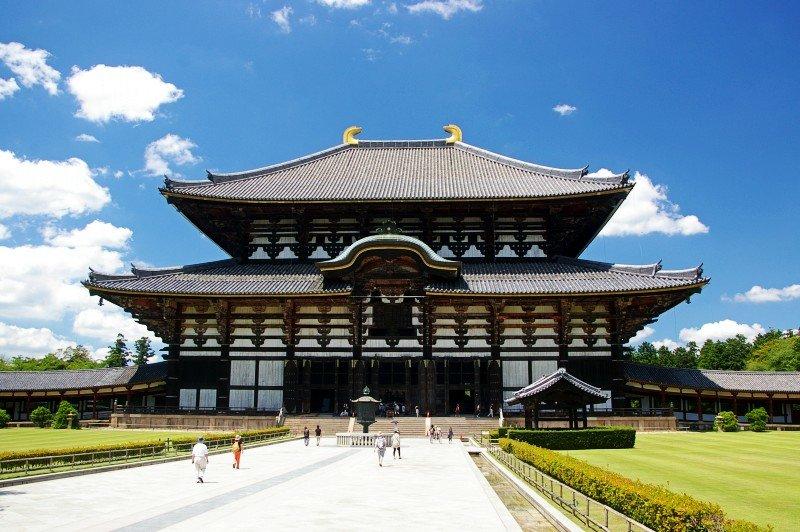
Todai-ji Temple is a famous temple of the Hua-yen Sect in Japan, also known as Da Hua-yen Temple, the Four Heavenly Kings Hall of the Golden Light Guard Temple, and so on. It is located in the eastern part of Heijo-kyo (now Nara), and is one of the seven great temples of the southern capital, with a long history of about 1200 years. In 1998, Todai-ji Temple was listed as a World Cultural Heritage Site as a part of the historical relics of ancient Nara. The Great Buddha Hall of Todai-ji is one of the largest wooden buildings in the world, with a frontage of 57 meters and a depth of 50 meters. Within the Great Buddha Hall stands the 15-meter-high Rushana Buddha. In addition, there are other famous buildings in the Todai-ji Temple complex such as the South Gate, the February Hall, the March Hall, and the Shoso-in Repository, all having extremely high historical, cultural, and artistic value.
1
km
2
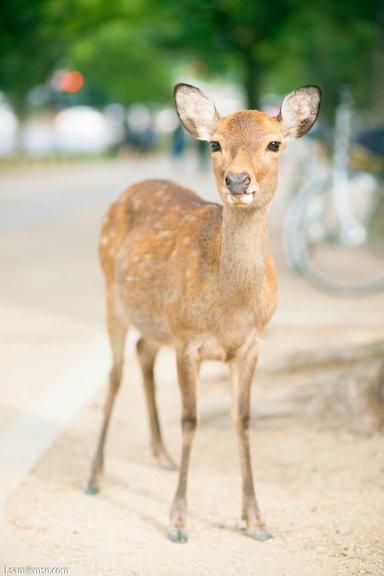
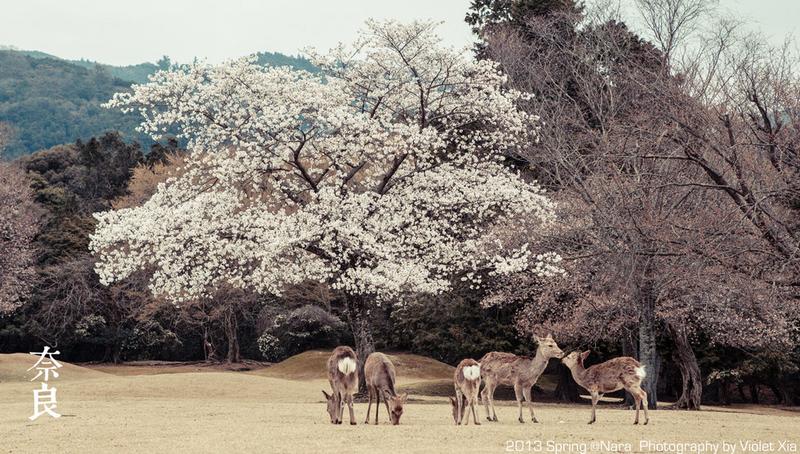
Encounter a fairy tale of deer and cherry blossoms, Nara Park is famous for its approximately 1,200 free-roaming deer. On the vast land area of 660 hectares, various cherry blossom trees, mainly including Yae-zakura, are planted.
1
km
3
The headquarters of Kasuga Shrine in Japan, the shrine is not very big, but it includes facilities such as Manyo Botanical Garden and Treasure Hall; it is a very charming shrine, with stone lanterns from various eras on both sides of the approach, creating a unique landscape. The presence of small deer adds to the lively atmosphere.
2
km

Day5: Osaka
4 attraction(s) ·
11 km
1
Osaka Castle Park is a large green space park in Chuo Ward, Osaka City. The park has multiple public facilities including Osaka Castle International Cultural Sports Hall, Sun Plaza, Softball Field, Open-air Music Hall, and Rugby/Football Field. In the center of the park stands Osaka Castle Tower, where visitors can go to the observation deck for a fee and visit the historical museum. From the top floor, you can overlook the beautiful scenery from Mt. Ikoma to Osaka Bay. Every Sunday during the day, there are amateur bands playing street music in the park. Various trees are planted in the park, and the cherry blossom and plum blossom seasons are good times to enjoy the flowers. The observation deck offers a view of wild birds feeding on the riverbank, making it a suitable place for family outings.
3
km
2
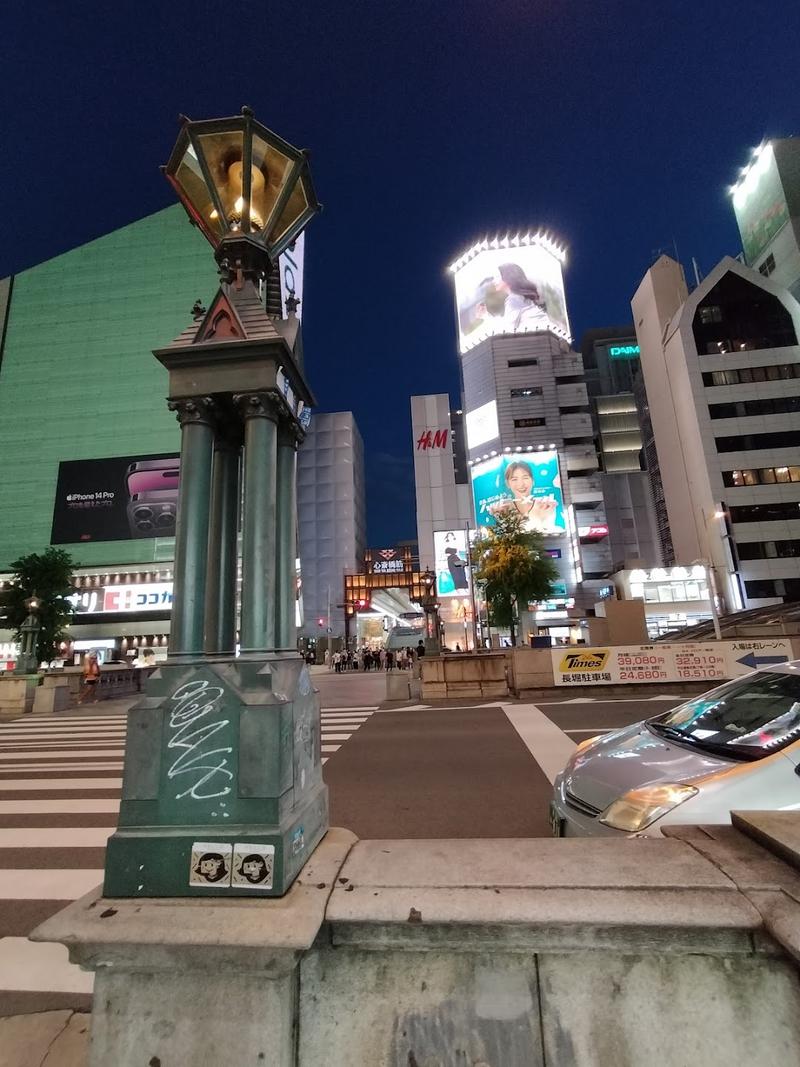
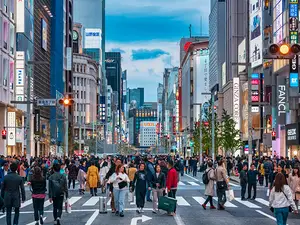
Urban arcade with a wide variety of stores amid bright advertising signage & pedestrian crowds.
4
km
3
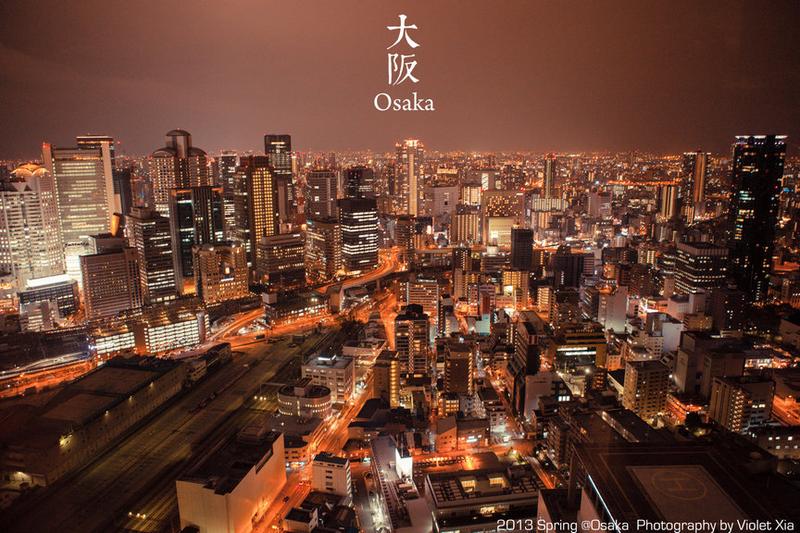
Umeda Sky Building is a connected building consisting of two towers, Tower East and Tower West. The top is connected by a circular Sky Garden observation deck, which is one of Japan's few 360-degree open roof observation decks. The observation deck of Umeda Sky Building is not only a popular viewing spot for Japan's Top 100 Sunset views, but also an excellent place to enjoy Osaka's bustling nightlife. Lovers can experience a romantic atmosphere in the special seats prepared for them in the observation deck and at the Sky Court Shrine, where they can pray for love. In addition, the fluorescent stone ground laid on the roof makes the entire garden full of romance and mystery. Most of the ATMs in the Umeda area also have Chinese interfaces, providing convenient operating methods, and more than half of the ATMs can withdraw Japanese yen cash using UnionPay cards. Therefore, Umeda Sky Building has become a popular dating spot beloved by travelers and lovers.
5
km
4
どうとんぼり
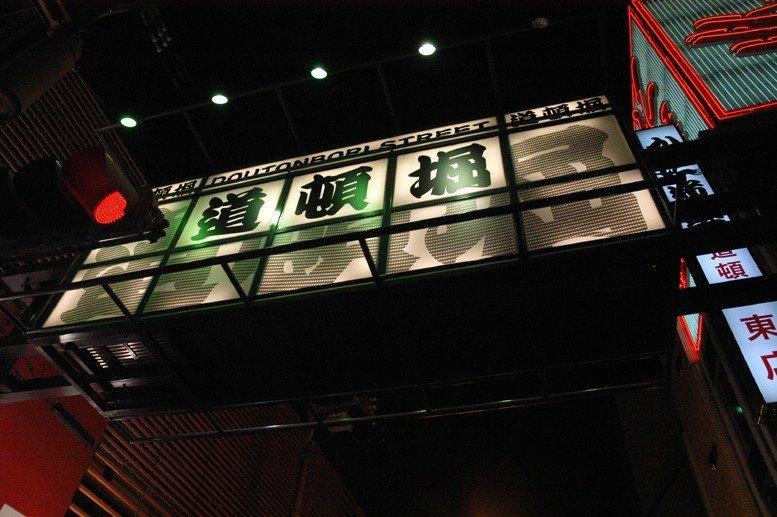
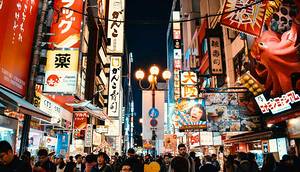
Dotonbori is Osaka's most bustling district and also the local food center. It is the birthplace of Osaka's food culture and attracts many travelers who come to taste the cuisine. From takoyaki, teppanyaki, yakiniku, kushikatsu, revolving sushi to fugu cuisine, it covers almost all of Osaka's characteristic cuisine, even inconspicuous small shops can serve delicious food. This longing food culture fully demonstrates the appetite of the people of Osaka, and it's not uncommon to eat until bankrupt.
If you want to recommend a few stores, it is recommended to try the “Kinryu Ramen” with always-long queues in front of the store, the teppanyaki original “Botechu” and the famous store “Konamon Museum”, where you can experience the experience of tasting and making takoyaki. In addition, “Osaka Ohsho” and “Kani Douraku” are also worth trying. The most authentic taste of these two nationally known chains is in their main stores.
In addition to food, you can also visit Hozenji Temple, go to the Matsuzakaza to enjoy Kabuki performances, take a walk along Dotonbori River at night, enjoy the colorful neon lights, and experience the feel of the Edo period.