13-Day In-depth Malaysia Experience
6 cities |
24 attraction(s) |
total distance 1367
km
 TIPS
TIPS
Day1
Day2
Day3
Day4
Day5
Day6
Day7
Day8
Day9
Day10
Day11
Day12
Day13
Day1: Nilai > Kuala Lumpur
3 attraction(s) ·
47 km

2
Tantanmen is a spicy Chinese noodle soup. It originated in Japan and is known for its bold and fiery flavors. The dish typically consists of ramen noodles served in a rich and spicy broth, topped with ingredients like ground pork, vegetables, and a soft-boiled egg. Tantanmen is beloved by many for its addictive spiciness and satisfying taste.
2
km
3
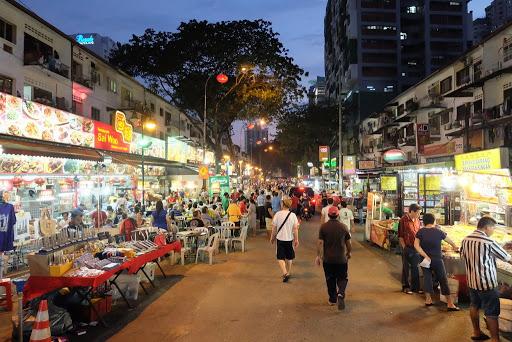
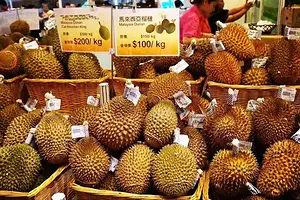
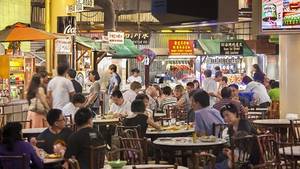
Bukit Bintang's neighboring 200-meter long food street is also home to durian stalls, making it perfect for lazy foodies who don't want to go too far, as you can have a taste of Malay cuisine and durian in one place.
Day2: Kuala Lumpur
3 attraction(s) ·
2 km
1
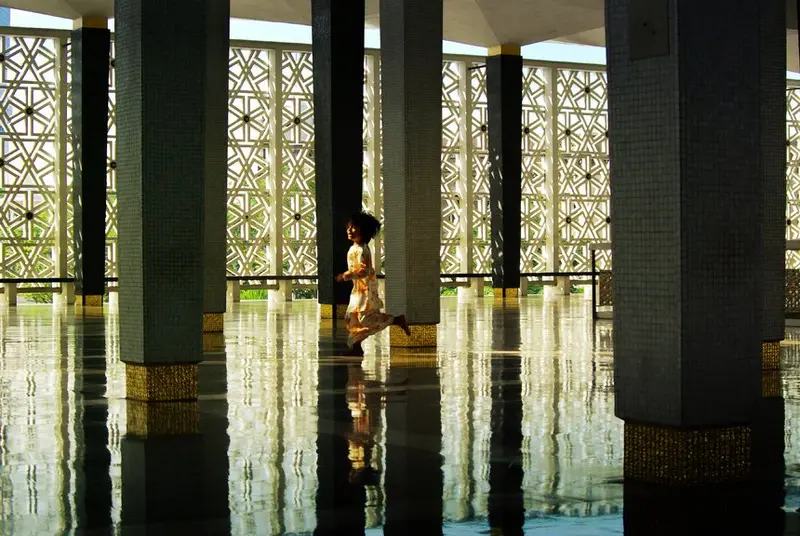
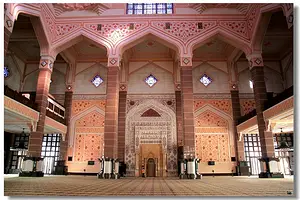
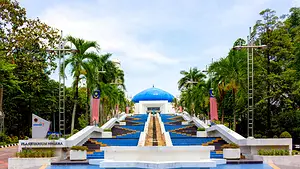
The National Mosque, built in 1974, features a modern and stylish architectural style. With a towering minaret reaching 73 meters, it plays the call to prayer, while its unique blue star-shaped roof stands out from the traditional onion dome design, symbolizing the aspirations of an independent nation. The mosque has a total of 18 domes, representing the 13 states of Malaysia and the 5 principles of Islam. The overall design of the mosque is inspired by the Great Mosque of Mecca, particularly the interior decoration, which bears a striking resemblance to that of Mecca. The prayer hall can accommodate up to 15,000 people, making it the largest mosque in Southeast Asia.
1
km
2
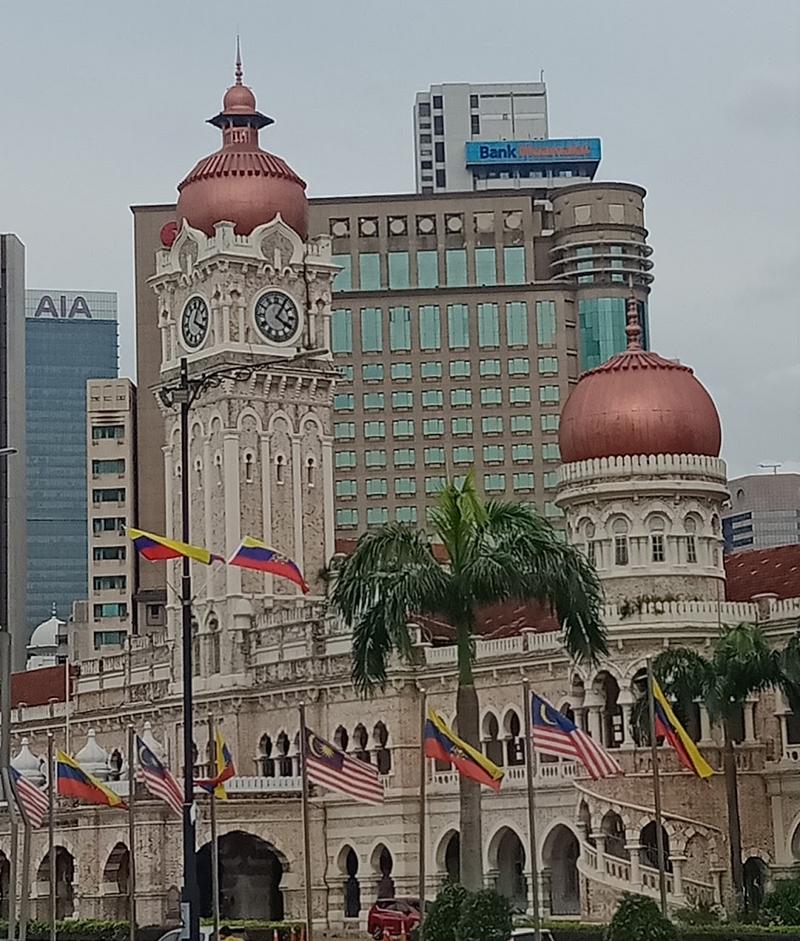
This landmark square has a 95m flagpole to mark the site of the first Malayan flag-raising.
2
km
3
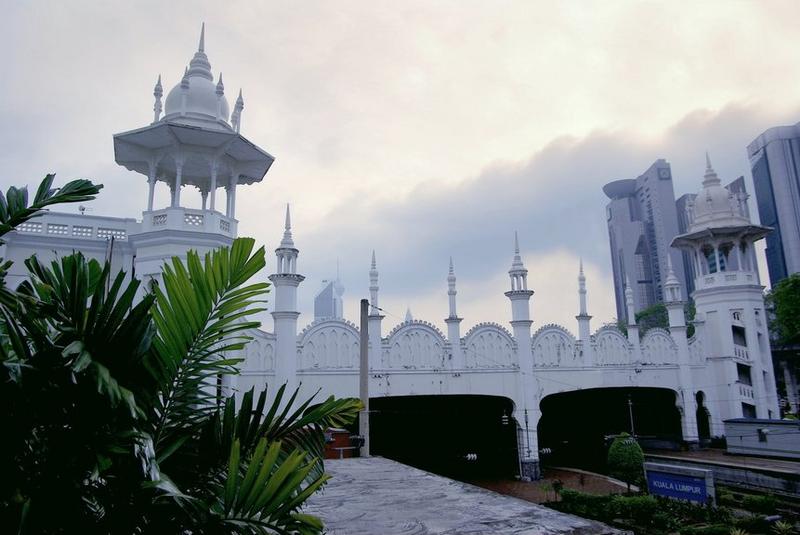
Before KL Sentral, this was a train station for traveling to various towns in Malaysia, Singapore, and Thailand. Although the busy scene is no longer there, the Moorish-style building still attracts travelers to capture beautiful photos. Inside the station, there is also a charming heritage hotel, called Heritage Hotel, which is popular among locals and a favorite location for wedding photo shoots.
Day3: Melaka
2 attraction(s) ·
1 km

2
The most popular recreational park in Kuala Lumpur is located in the southwest of the city, surrounded by four hills and offering beautiful natural scenery. The park is built around an artificial lake, with abundant flowers and plants, providing a pleasant view. Inside the park, there are children's playgrounds, jogging tracks, sports fields, and an outdoor theater for the entertainment and relaxation of the citizens. There are also attractions nearby such as Butterfly Park, Deer Park, Bird Park, Orchid Park, and National Monument, where visitors can enjoy the beautiful scenery and experience the charm of nature.
The park is built around an artificial lake.
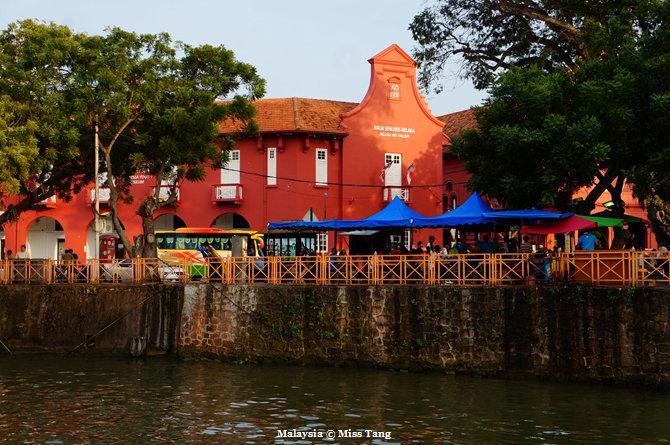
The Dutch Red House in Malacca, Malaysia, built in 1650, is one of the oldest Dutch buildings in Southeast Asia. It was once the residence and administrative center of the Dutch governor, then transformed into the administrative center of the British, and now serves as the Malacca Museum, displaying historical artifacts related to the Malacca Dynasty, the Dutch, the British, and the Portuguese. Although the building has Dutch-style brick walls, windows, and doors, the decoration of the bedroom on the top floor is filled with elements of Chinese mythology.
The Dutch Red House Museum actually consists of six museums, known as the "Stadthuys Museums Complex". One ticket allows visitors to visit all the museums. The History and Ethnography Museum (Museum Sejarah dan Etnografi) displays artifacts from the Malacca Dynasty period, including knowledge about royalty, currency, navigation, and marriage customs. In addition, there are five smaller museums: the Literary Museum (Museum Sastera), the Zheng He Museum (Galeri Laksamana Cheng Ho), the Democracy Museum (Museum Pemerintahan Demokrasi), the Muslim Museum (Museum T.Y.T), and the Education Museum (Museum Pendidikan).
Day4: Melaka
2 attraction(s) ·
3 km
1
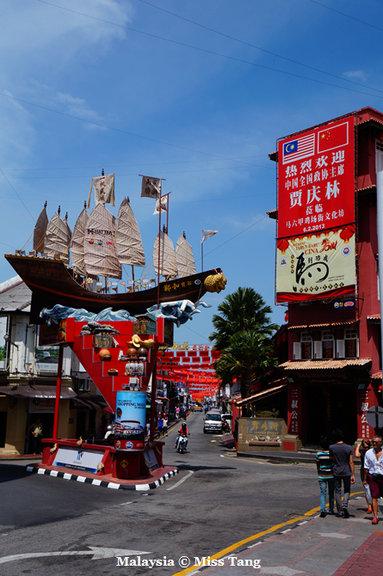
Jonker Street is one of the busiest streets in the center of Melaka, and it is particularly lively at night. It refers to the area known as Jonker Street, Antique Street, Clan Street, and Dutch Street in the Chinese community. It used to be the residence of wealthy Peranakan families in Melaka and still retains many historical buildings and characteristics, attracting many tourists. On weekends, motor vehicles are prohibited from entering Jonker Street. Tourists from all over the world and locals gather here, filling the street with various stalls offering a variety of food, exotic fruits, and other goods. There are people singing on stage, and the audience sits below, enjoying snacks and drinks, savoring the beauty of life. The most famous souvenir from Jonker Street is the San Shu Gong pastry shop, and the Hainan chicken rice and Nyonya kuih are also favorites among travelers. When you visit Jonker Street, you can experience the perfect blend of traditional culture and modern vibes.
3
km
2
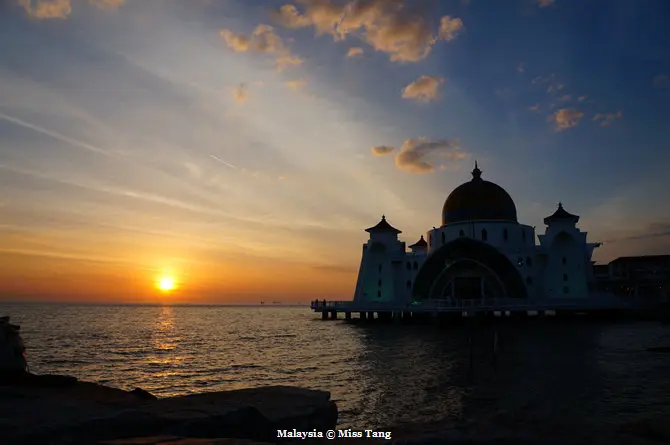
The Mosque by the Straits is a mosque located in Malacca, Malaysia, built on the artificially constructed Malacca Island. This mosque is notable for its unique appearance, which gives the impression of a floating structure when the water level rises. Every evening, as the sun sets, the Mosque by the Straits becomes incredibly captivating in the glow of the setting sun. From the sound of the prayer chants echoing from the speakers to the soothing sound of the waves, the picturesque scenery is both relaxing and delightful. After dusk, the entire mosque is illuminated by remotely controlled lights, showcasing a different color and creating a magnificent spectacle under the moonlit sky. It is truly a sight worth seeing.
Day5: Penang
2 attraction(s) ·
13 km
1
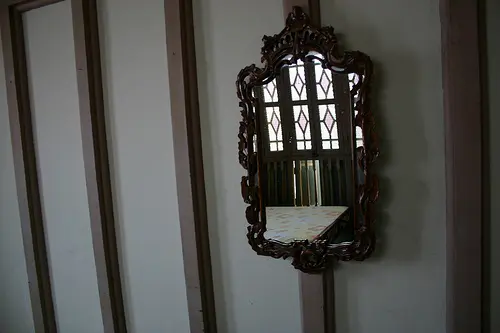
Ennis is a 25-year-old young artist from Lithuania. He created a street artwork called "Mirrors Georgetown" for the George Town Festival 2012. The artwork consists of two sets of four pieces: one set combines murals and installations, including the bicycle siblings and the wind chasing boy, which are integrated into the surroundings for people to immerse themselves in; the other set is large-scale murals created on high walls, including the wall jumping girl and the skillful uncle. These artworks are carefully crafted and lifelike, allowing visitors to step into the scenes and experience the emotions within.
13
km
2
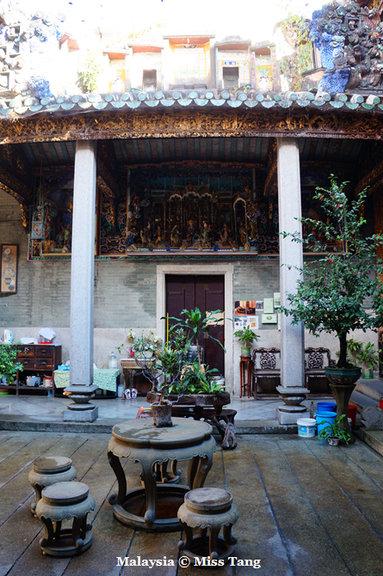
Penang Museum is a Nanyang-style museum, built in 1821 and originally a school. Located on Armenian Street, it is decorated with a statue of Francis Light and the original cable car from Penang Hill at the entrance. The museum houses a collection of antiques and heritage items related to various ethnic cultures, including currency issued by the Japanese colonial government during World War II, documents from the Japanese army, and graduation certificates from Japanese language schools. The nearby art gallery showcases different art styles.
In addition, outside the museum, there are the old flag-raising cable car from the colonial era and the official car of the state's head. According to legend, there are several indentations on the governor's official car caused by a gun attack, but whether this story is true or not cannot be verified. Penang Museum is the best starting point to learn about the rich cultural heritage of Penang.
Day6: Penang
3 attraction(s) ·
31 km
1
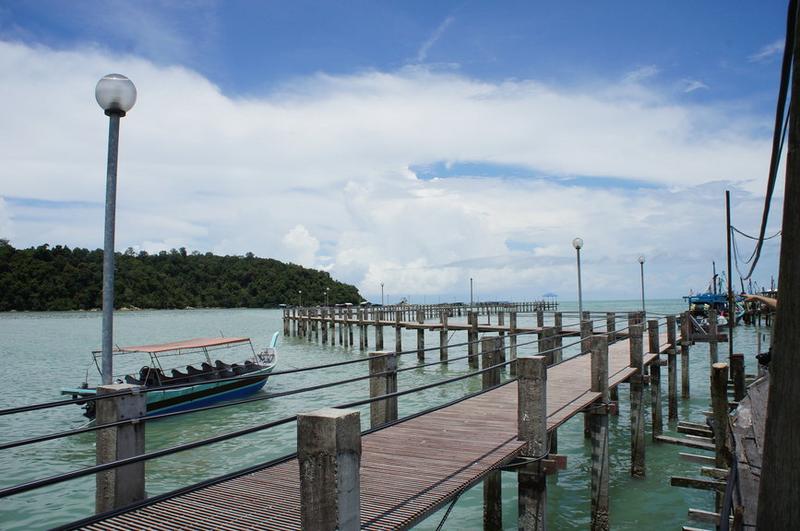
Traveling to this national park only requires 2,300 hectares and is renowned as the smallest national park in the world. Not only does it offer a short visit, but also an unforgettable experience. Many hotels provide half-day tours to this place, and it is also easily accessible for independent travelers. This national park boasts many attractions, such as the enchanting Tukun Beach, Monkey Beach, lighthouse, and turtle conservation area. Additionally, boat tours are also available for your enjoyment.
19
km
2

The Fu Xing Palace, also known as the Snake Temple or Green Dragon Temple, is a Taoist temple with a history of over 100 years. It is located 14 kilometers south of Penang and is only 3.2 kilometers away from the Bayan Lepas Airport. The main gate is engraved with the words "Qing Yun Yan" and houses the statue of the Qing Shui Patriarch. Legend has it that in the 19th century, a monk from China brought a statue of the Qing Shui Patriarch, whose miraculous powers cured the illnesses of the local people. As a result, the temple became known as the Snake Temple because during the Buddhist birth period around the 19th century, some green snakes invaded the temple, stole offerings, and reproduced. Although these green snakes are venomous, they remain motionless during the day and only come out at night. Due to long-term exposure to incense, the snakes have lost their ability to survive in the wild and rely on humans for food.
The Snake Temple is a famous tourist attraction in Malaysia, attracting visitors all year round, and is also one of Malaysia's top ten attractions. However, in recent years, the number of snakes has decreased, reducing its visibility. Most of the snakes for viewing are kept in cages, and there are also some large pythons for tourists to take photos with. Despite the hundreds of years of history of the temple, there has never been an incident of a person being bitten by a snake. However, visitors should be careful not to touch the snakes randomly to avoid accidents.
13
km
3
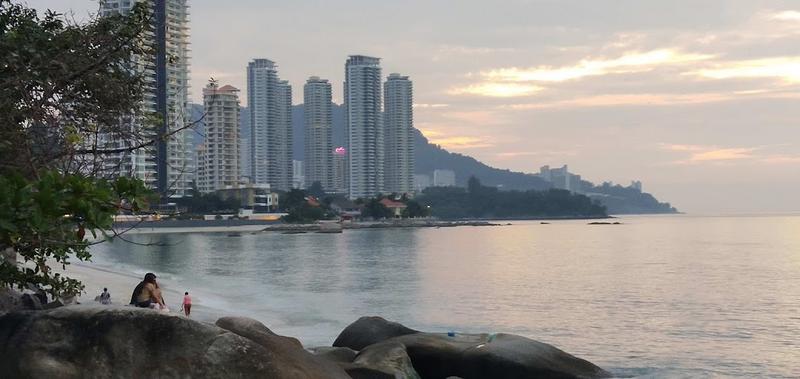
Day7: Langkawi
1 attraction(s) ·
0 km
1
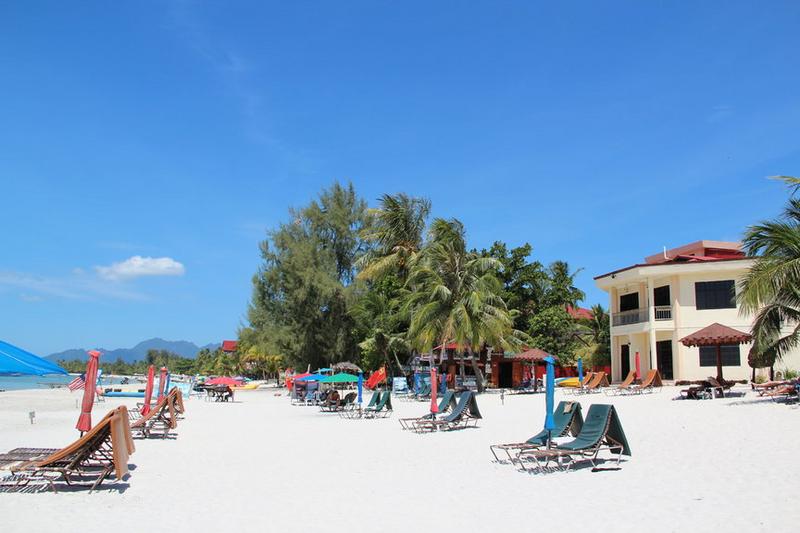
Tanjung Rhu Beach is one of the most beautiful beaches on Langkawi Island, attracting many European tourists for vacation every year. The beach here is clean with clear water and beautiful scenery. At the same time, it has complete and advanced tourism facilities, and tourists can participate in water sports such as speedboats and jet skis to enjoy the fun of the ocean. In addition, Tanjung Rhu Beach provides high-end hotels and rustic wooden houses for tourists to stay. There are also some restaurants specializing in seafood and Malay cuisine where tourists can taste delicious food and enjoy a wonderful beach trip.
Day8: Langkawi
2 attraction(s) ·
2 km
1
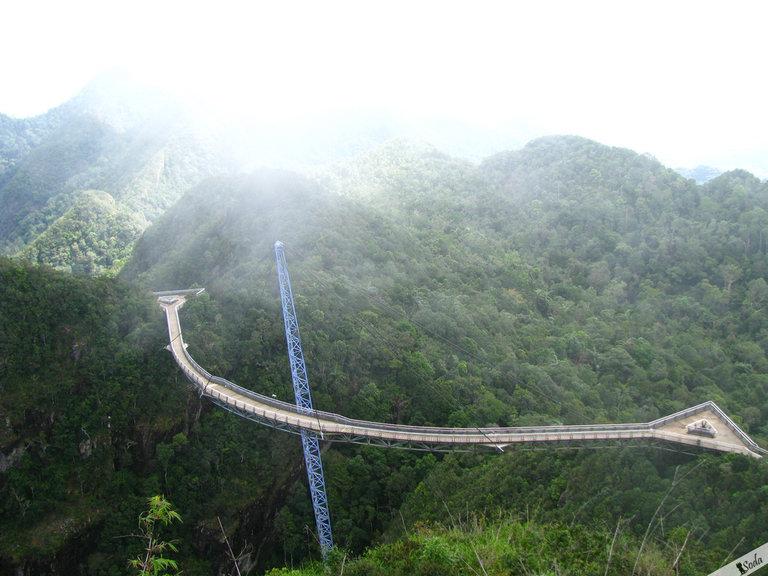
The Langkawi Sky Bridge is a bridge located in the Langkawi Archipelago in Malaysia. It was completed in October 2004 and is 125 meters long with a curved steel structure. Interestingly, this massive steel structure is supported by only one pillar, which is 87 meters high and fixed to the mountainside, then pulled by 8 steel cables to "float" in the sky at an altitude of 687 meters, connecting two mountain peaks. Therefore, this bridge was named the Langkawi Sky Bridge. The construction of this bridge was a challenge and one of the great achievements of human engineering technology.
2
km
2
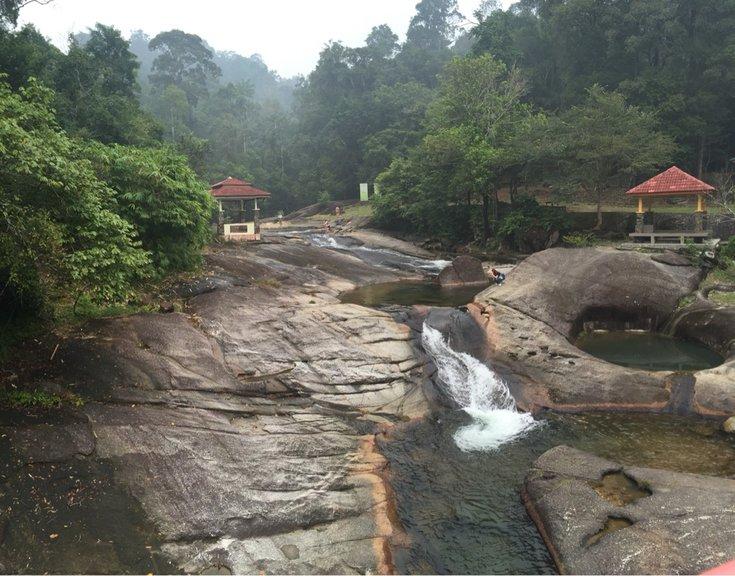
The Seven Wells of the northwest corner of Langkawi Island are a famous geological wonder, with waterfalls divided by mountains into seven sections. Each section forms a clear pool. It is said that many fairies once bathed and played here. Surrounded by lush forests, it adds to the beauty of the area. However, it is worth noting that the rocks here are smooth and can be climbed, but visitors must be careful. After years of water erosion, the rocks are slippery, and visitors may slip and fall into the water. Accidents have occurred in the past where visitors have fallen into the water.
Day9: Kuala Lumpur
1 attraction(s) ·
0 km
1

Visitor centre taking guests through the history of Royal Selangor's pewter manufacturing.
Day10: Kuala Lumpur
2 attraction(s) ·
2 km
1
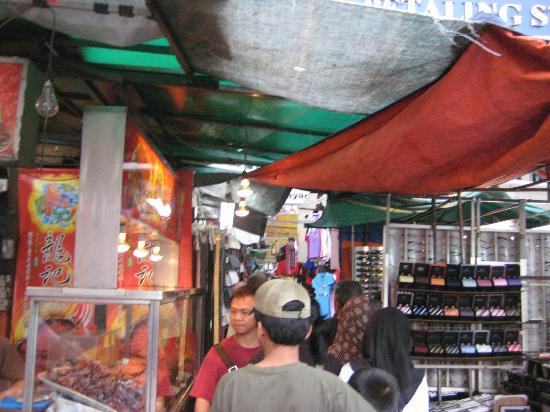
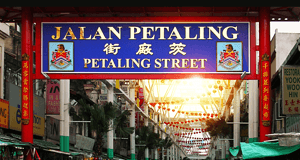
Petaling Street is Chinatown in Kuala Lumpur, Malaysia, known for selling pirated DVDs, watches, clothes, and jewelry. It is also a must-visit tourist attraction for both locals and foreigners. Petaling Street has many famous restaurants and hawker centers, offering local delicacies such as Hokkien fried noodles, grilled fish, laksa, and curry noodles, attracting a large number of visitors to taste. The hawkers in Petaling Street are mainly Chinese, but also include Indians, Malays, and other ethnicities.
2
km
2
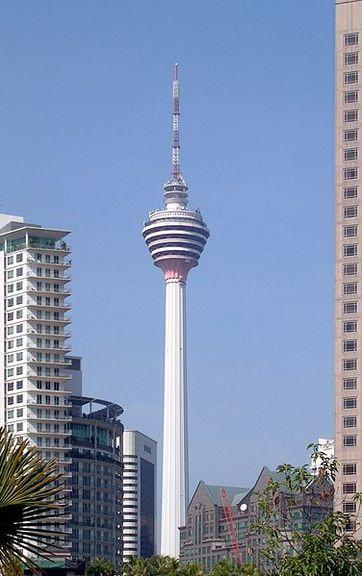
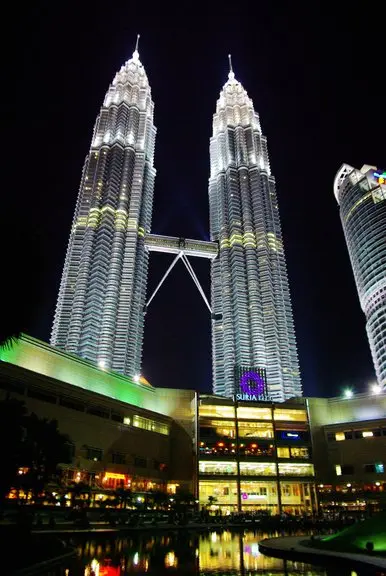
Kuala Lumpur Tower is the 7th tallest telecommunications tower in the world. Although not as famous as the Petronas Twin Towers, it offers one of the best viewpoints in Kuala Lumpur. From the observation deck of the tower, you can enjoy magnificent views of the city from a height of about 100 meters higher than the observation bridge of the Twin Towers. Visitors can indulge in delicious food at the 360-degree revolving restaurant at the top of the tower at 276 meters while enjoying the panoramic view of Kuala Lumpur.
Day11: Pulau Ketam
1 attraction(s) ·
0 km
1

Mangrove forest & wetland park with hiking trails & observation platforms for wildlife viewing.
Day12: Kuala Lumpur
2 attraction(s) ·
1 km
2
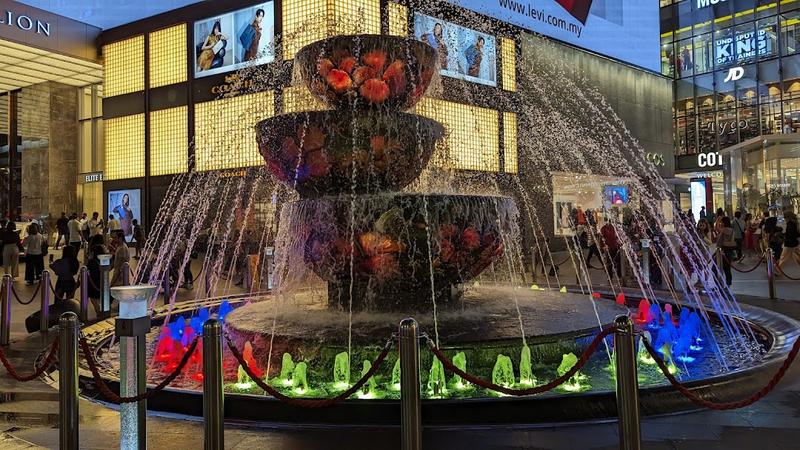
Vast, upscale indoor mall home to luxury & mainstream retailers & dozens of global eateries.
Day13: Nilai
1 attraction(s) ·
0 km