7-Day Seoul and Busan Tour【Exciting Itinerary!】
3 cities |
16 attraction(s) |
total distance 765
km
 TIPS
TIPS
Day1
Day2
Day3
Day4
Day5
Day6
Day7
Day1: Incheon
1 attraction(s) ·
0 km
1
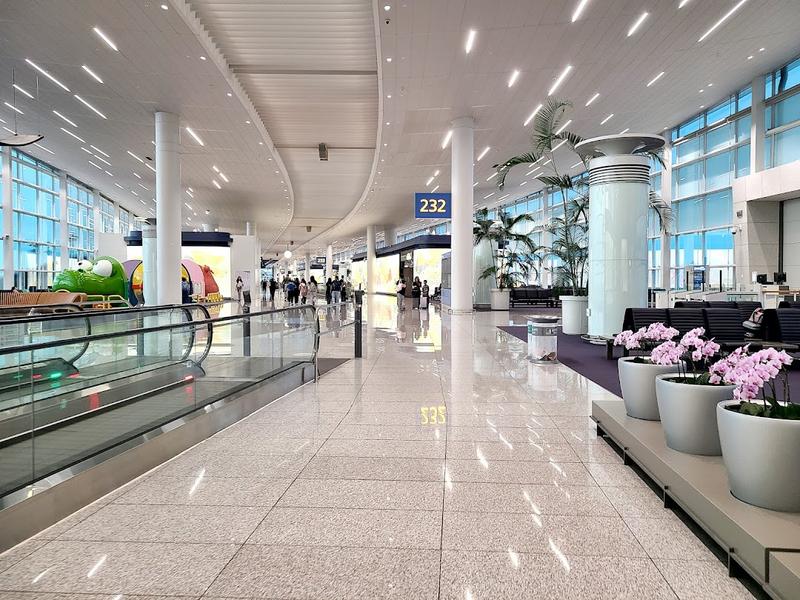
Seoul-area airport with diverse amenities such as a spa, a driving range & an ice-skating rink.
Day2: Seoul
3 attraction(s) ·
1 km
1
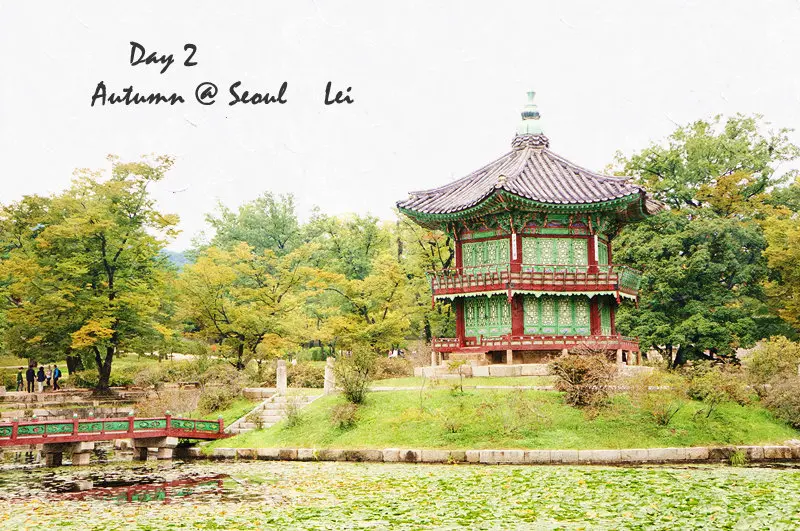
Gyeongbokgung Palace is the first palace built in the early days of the Joseon Dynasty, with a history of 600 years. It was once a grand palace and now showcases delicate beauty. Gyeongbokgung Palace is the largest of the Five Grand Palaces and features unique architecture such as Geunjeongjeon Hall and Gyeonghoeru Pavilion. In addition, there are the National Palace Museum and the National Folk Museum where visitors can explore and experience. Gyeongbokgung Palace is open to the public and there is a ticket office at the entrance of Gwanghwamun. Visitors can also watch the Changing of the Guard ceremony and take photos with the guards, immersing themselves in Korean classical culture.
The name Gyeongbokgung means "great blessings and prospering the nation," reflecting the early aspirations of the Joseon Dynasty. It was completed in 1395 and at its peak had over 390 buildings. During the Japanese invasion in the late 16th century, Gyeongbokgung Palace was burned down and remained abandoned for 273 years. It was restored during the reign of King Gojong but suffered significant damage during the Japanese colonial period, with some buildings demolished and replaced by the Government-General Building. After Korea's independence, Gyeongbokgung Palace gradually underwent restoration, with the completion of the restoration project of Gwanghwamun Gate in 2010. There are also guided tours available in Chinese, departing from the inside of the Geunjeongmun Gate at four designated times.
1
km
2
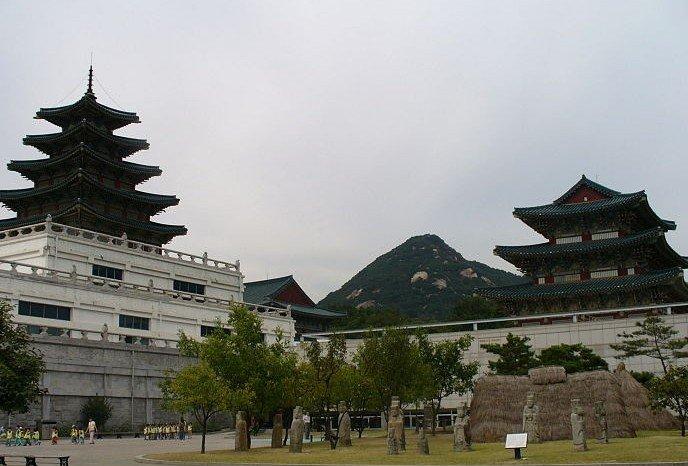
Korean National Folk Museum, established in 1945, was initially located in Namsan, Seoul, showcasing Korean folk history from prehistoric times to 1910. In 1975, the museum was relocated to the grounds of Gyeongbokgung Palace, and the current building was constructed in 1972 in the traditional Korean architectural style. The building was previously used as the National Museum of Korea and underwent renovations in 1986 before reopening in 1993. The museum features three exhibition halls, a children's museum, and an outdoor exhibition area.
1
km
3
삼청동
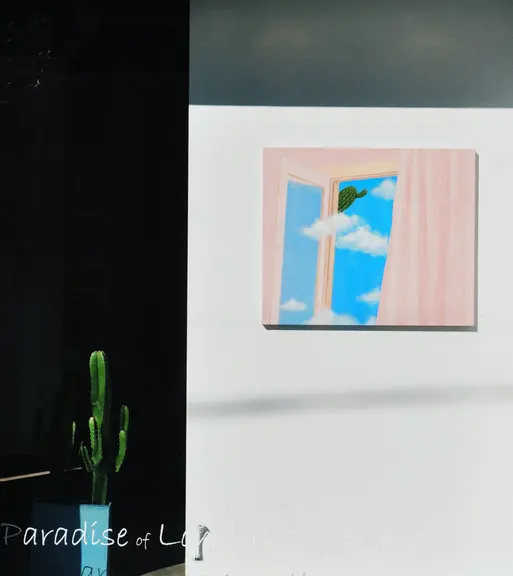
Samcheong-dong is located on the east side of Gyeongbokgung Palace in Seoul. It is a neighborhood filled with traditional Korean houses and modern cultural vibes. During the Joseon Dynasty, it was a residential area for high-ranking officials, leaving behind many traditional Korean houses. In the 20th century, the Korean government implemented regulations to prohibit the demolition of these houses, leading to strengthened maintenance and preservation efforts, as well as the ban on constructing high-rise buildings. This has made Samcheong-dong the area that best represents traditional Korean architecture, living environment, and traditional village scenery.
Since the 21st century, many businesses such as cafes, traditional tea houses, art galleries, museums, traditional restaurants, international dining establishments, clothing stores, jewelry shops, and leather goods stores have settled in the vicinity of Samcheong-dong, attracting a growing number of visitors. Together with nearby Gahoe-dong, Samcheong-dong boasts a total of 342 art galleries, 669 art galleries, 226 hotels, 3,157 jewelry stores, 54 traditional tea houses, and countless food shops. Therefore, when you step into this area for the first time, the astonishing unique scenery will pique your great interest, and it is impossible to visit all the attractions in just 3-4 hours.
Day3: Seoul
3 attraction(s) ·
8 km
1
Bukchon Hanok Village is one of the most representative places to experience traditional Korean residential culture. Here, you can feel the authentic living atmosphere as it is a residential area. Therefore, when you visit here as a tourist, please keep quiet so as not to disturb their daily lives. Of course, taking photos here is also an excellent choice. If you want to find the eight major attractions of Bukchon and take beautiful pictures, don't worry about getting lost because there are ground signs to guide you to the best shooting spots. The services here are very thoughtful and convenient for tourists.
4
km
2
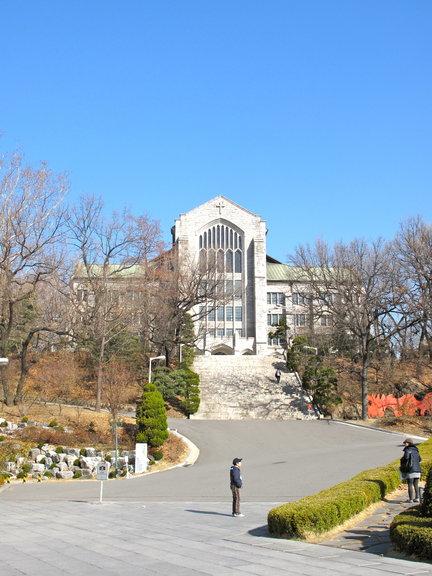
Ewha Womans University is one of the world-famous women's universities, attracting many foreign tourists with its beautiful campus and charming Ewha girls. The scenery here is colorful, with enchanting maple leaves in autumn and blooming cherry blossoms in spring. The entire campus is surrounded by greenery, with ancient teaching buildings coexisting harmoniously with trees, giving people a lively and beautiful feeling. There are many stone school buildings like those in fairy tales, quiet little gardens, campus avenues lined with ginkgo trees, and beautiful and captivating faces, making it hard for people to leave. The whole campus is filled with a faint romantic and aesthetic atmosphere, and a moment's stay here will be refreshing. The school also arranges campus tours led by students, and there are many unique shops and restaurants nearby, making it a great place for a leisurely stroll and to experience campus life.
4
km
3
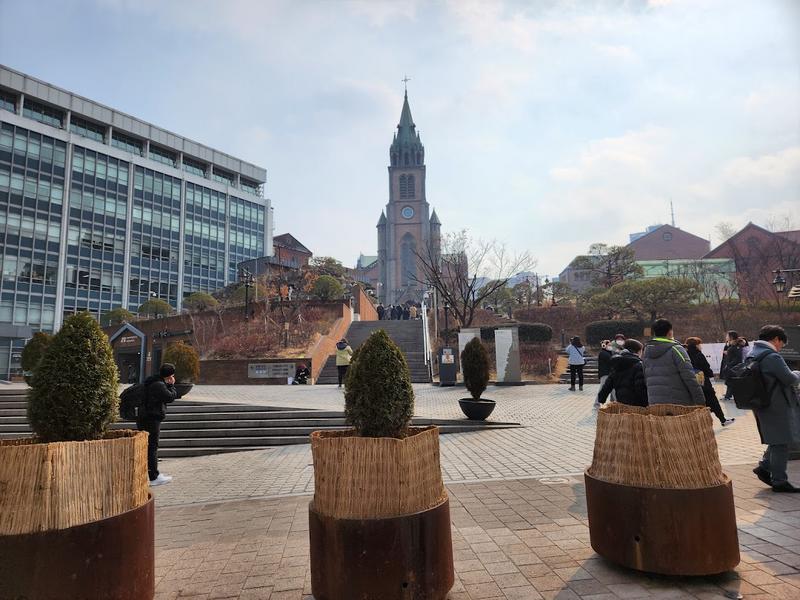
Many high-end international stores & restaurants draw crowds to this bustling retail district.
Day4: Seoul > Busan
3 attraction(s) ·
341 km
1
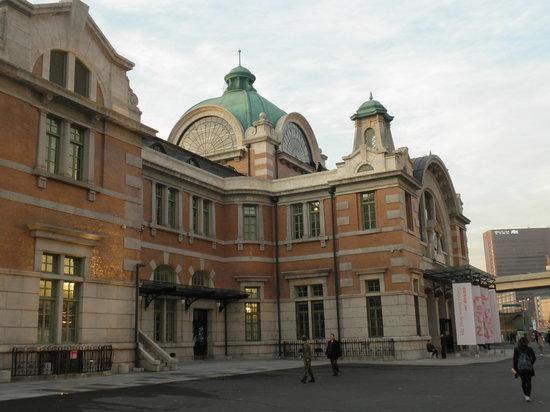
Seoul Station is located in the gateway of Seoul, the capital of South Korea, and more than 100,000 passengers pass through here every day. The station offers multiple lines, including the Gyeongbu Line KTX, the Sinseol-dong Train, the Uncheon Train, and the Nooriro Train, making it convenient for passengers to travel to various destinations. In addition, passengers can also take the Airport Railroad of the Korea Railroad Corporation directly to Incheon Airport. The station was completed in December 2003 and includes commercial facilities such as the Hana Department Store. There are also large discount stores such as Lotte Mart nearby, providing a perfect shopping and tourism experience for passengers. It is a complex station that combines tourism and shopping.
329
km
3
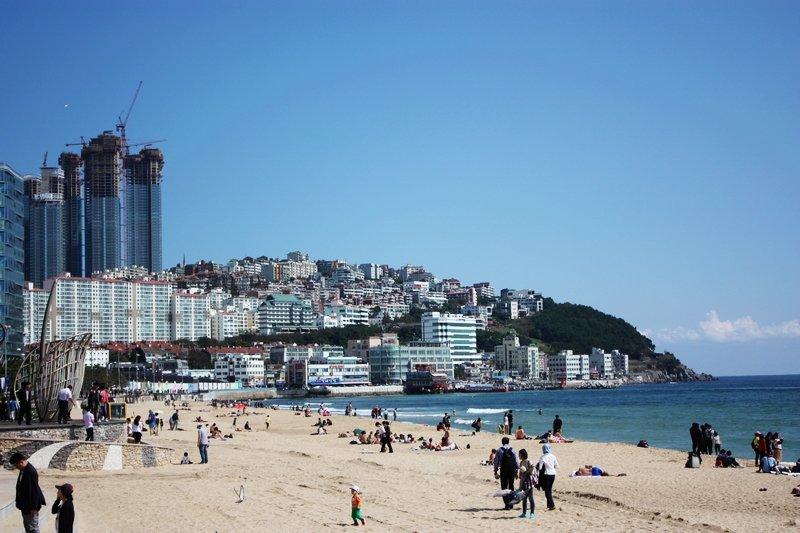
Haeundae Beach is a famous coastal resort in South Korea, known as the representative beach of Busan. It stretches 1.5 kilometers long and is 30-50 meters wide, with an average water depth of 1 meter and an area of 58,400 square meters. The long white sandy beach, beautiful coastline, and calm waters attract a large number of visitors seeking relaxation and summer retreat. It is not only popular during the summer, but also attracts domestic and international tourists in every season. Haeundae Beach also hosts various festivals and events throughout the year, such as the Lunar New Year's Day moon viewing celebration, Polar Bear Winter Swimming Competition, sand sculpture exhibition, and Busan Sea Festival. With complete surrounding attractions and facilities, visitors can fully enjoy their vacation here. In addition, Haeundae is also recognized as one of the Eight Scenic Spots of South Korea and is considered an international-level beach resort. The hot spring foot bath pools are particularly popular among tourists, offering free services and receiving multiple awards and nominations. The 2009 movie "Haeundae" also added a touch of mystery to Haeundae Beach.
Day5: Busan
3 attraction(s) ·
1 km
1
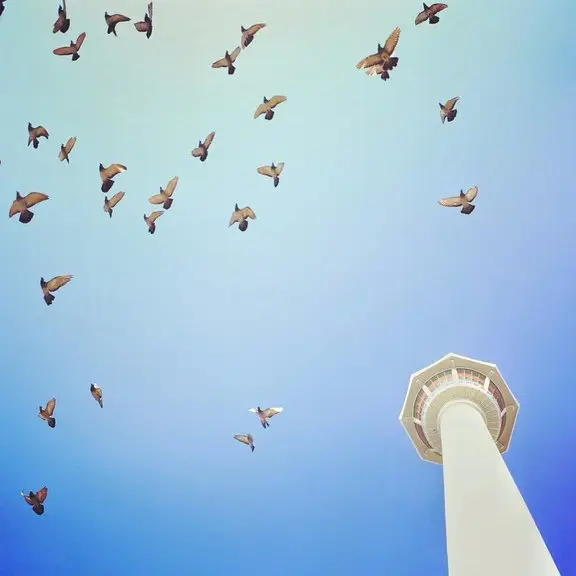
Longtoushan Park is a great place to view the panoramic view of Busan city. From here, you can have a 360-degree view of the spectacular scenery of the city, including the vast harbor, the sea and the blue sky. The buildings here are numerous and full of vitality, definitely worth a visit. In addition, there is a small store that offers coffee and other drinks. You can enjoy the beautiful scenery while savoring delicious food, which is great.
1
km
2
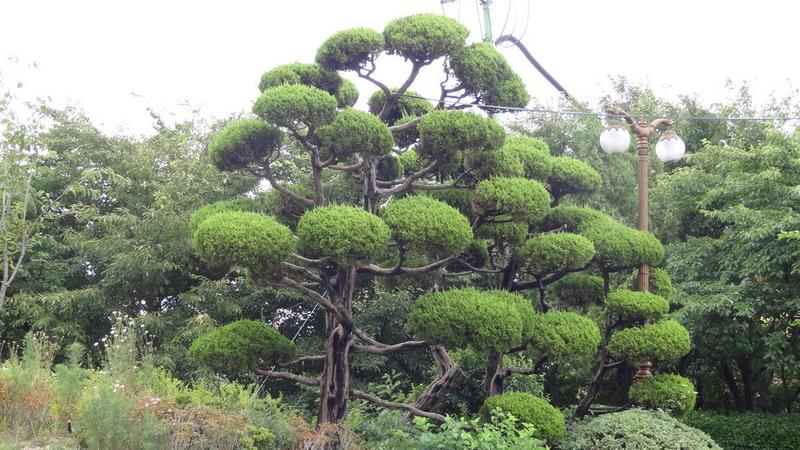
Haeundae Beach is a popular tourist destination with a long sandy beach and calm waters. The beach is approximately 1.5 kilometers long and 30-50 meters wide, with an average depth of 1 meter. It attracts visitors from both domestic and international travelers throughout the year, not just during the summer. Haeundae Beach also hosts various festivals and events, such as the Lunar New Year Moon Viewing Festival, the Polar Bear Winter Swim Festival, sand sculpture exhibitions, and the Busan Sea Festival. The beach area is also surrounded by a variety of attractions and amenities, providing a great vacation experience for visitors. Additionally, Haeundae Beach is considered one of the top eight beaches in South Korea and offers a free foot bath with hot spring water. It was featured in the 2009 movie "Haeundae," adding to its popularity.
1
km
3
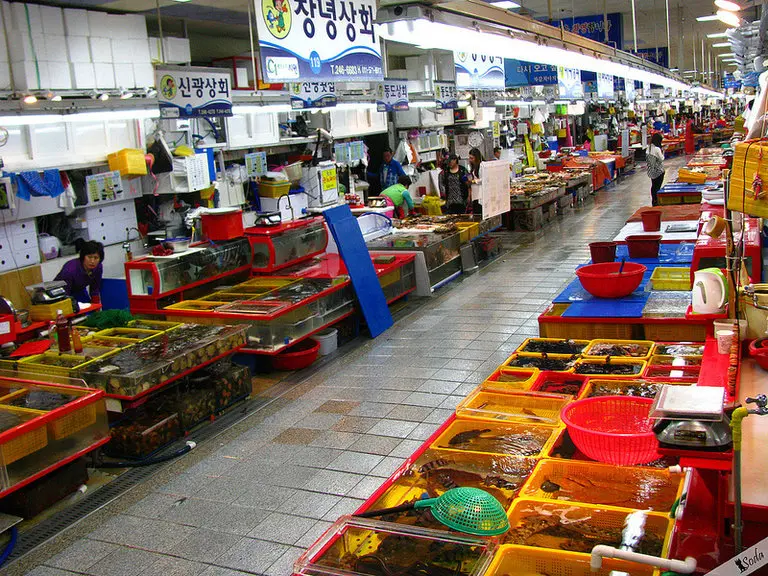
Jagalchi Market is the largest fish and seafood market in Korea, offering the freshest seafood daily. As one of the must-visit tourist attractions in Busan, it is a popular destination for foreign visitors. The enthusiastic ajummas (middle-aged women) in the market, speaking in their strong dialect, invite tourists to taste the seafood. The market showcases the charm of Busan. Every year in October, the Jagalchi Festival takes place here, featuring a variety of activities, including experiential events and cultural performances.
Day6: Busan
2 attraction(s) ·
12 km
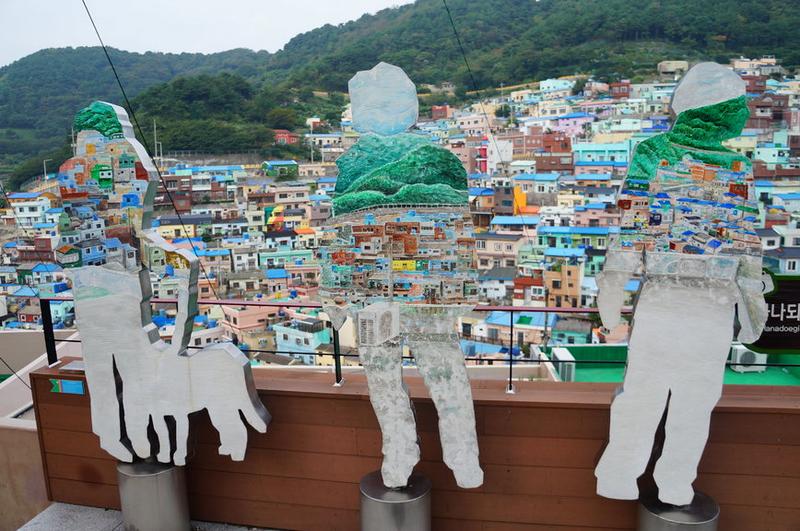
2
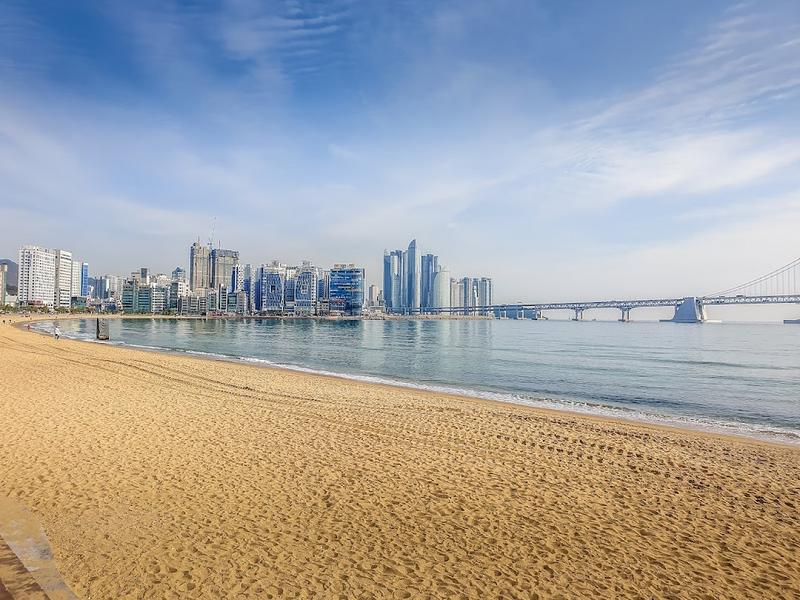
Popular, curved golden-sand beach lined with tiki umbrellas providing views of the Gwangan Bridge.
Day7: Busan > Seoul
2 attraction(s) ·
329 km
2