Busan Seven-Day Leisure Tour
1 cities |
13 attraction(s) |
total distance 114
km
 TIPS
TIPS
Day1
Day2
Day3
Day4
Day5
Day6
Day7
Day1: Busan
1 attraction(s) ·
0 km
1
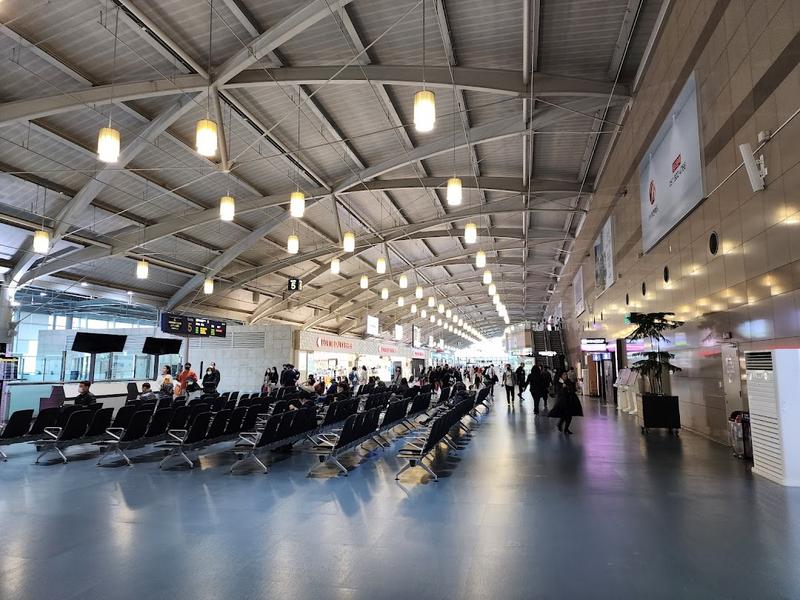
This airport serving the Basan area since 1976 offers restaurants & direct rail service.
Day2: Busan
3 attraction(s) ·
16 km
2
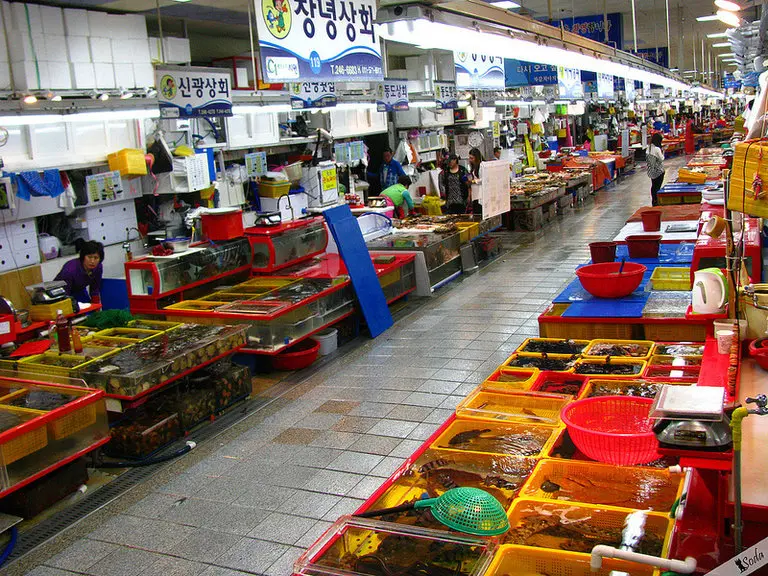
Jagalchi Market is the largest fish and seafood market in Korea, offering the freshest seafood daily. As one of the must-visit tourist attractions in Busan, it is a popular destination for foreign visitors. The enthusiastic ajummas (middle-aged women) in the market, speaking in their strong dialect, invite tourists to taste the seafood. The market showcases the charm of Busan. Every year in October, the Jagalchi Festival takes place here, featuring a variety of activities, including experiential events and cultural performances.
14
km
3
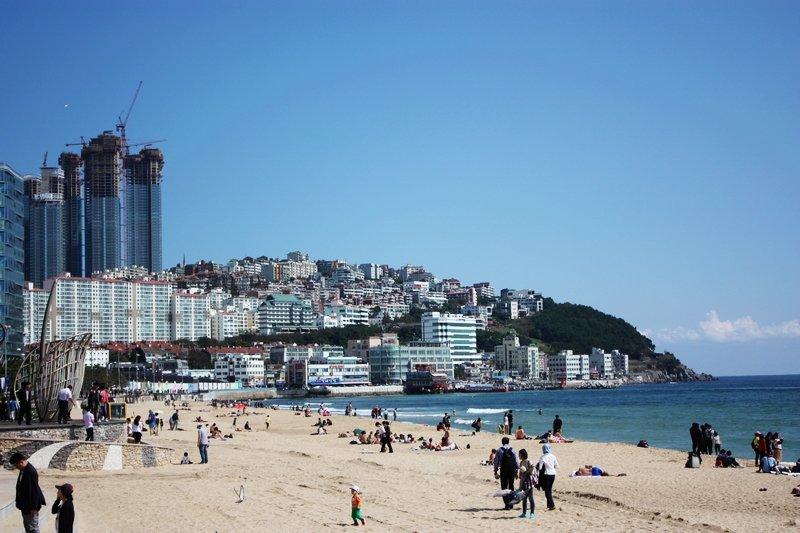
Haeundae Beach is a famous coastal resort in South Korea, known as the representative beach of Busan. It stretches 1.5 kilometers long and is 30-50 meters wide, with an average water depth of 1 meter and an area of 58,400 square meters. The long white sandy beach, beautiful coastline, and calm waters attract a large number of visitors seeking relaxation and summer retreat. It is not only popular during the summer, but also attracts domestic and international tourists in every season. Haeundae Beach also hosts various festivals and events throughout the year, such as the Lunar New Year's Day moon viewing celebration, Polar Bear Winter Swimming Competition, sand sculpture exhibition, and Busan Sea Festival. With complete surrounding attractions and facilities, visitors can fully enjoy their vacation here. In addition, Haeundae is also recognized as one of the Eight Scenic Spots of South Korea and is considered an international-level beach resort. The hot spring foot bath pools are particularly popular among tourists, offering free services and receiving multiple awards and nominations. The 2009 movie "Haeundae" also added a touch of mystery to Haeundae Beach.
Day3: Busan
2 attraction(s) ·
7 km
1
태종대
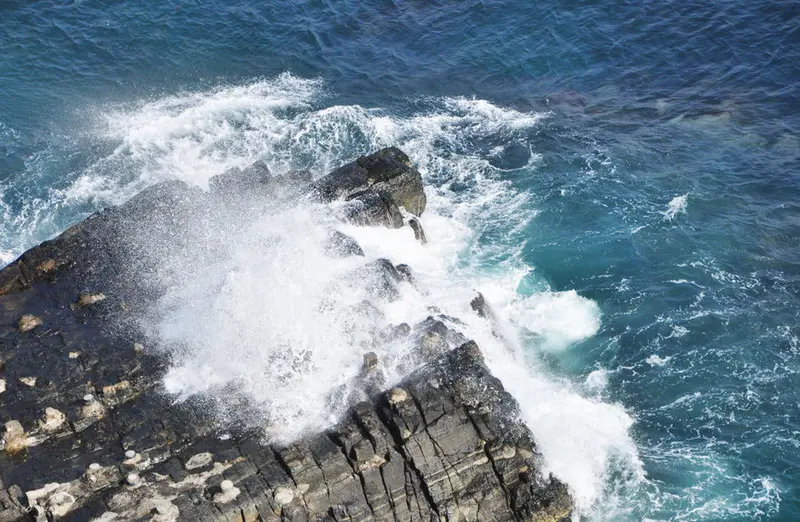
Feel the refreshing scent of the sea as you close your eyes and let the silver-white waves wash over you. This beautiful masterpiece is created by the waves, wind, and the passage of time. When you open your eyes, the captivating scenery of Taejongdae unfolds before you, leaving you in a state of enchantment.
7
km
2

Yeongdo Bridge is one of the historic sea-crossing bridges in South Korea, built in 1934 to connect Busan Central District and Yeongdo District. It is the first sea-crossing bridge in South Korea and the only single-arm movable bridge. When a medium or large-sized ship needs to pass, one end of the bridge will be raised to allow smooth passage of the ships. This efficient and convenient design has made Yeongdo Bridge an important transportation project in South Korea at that time, and it is still widely used today.
Day4: Busan
2 attraction(s) ·
6 km
1
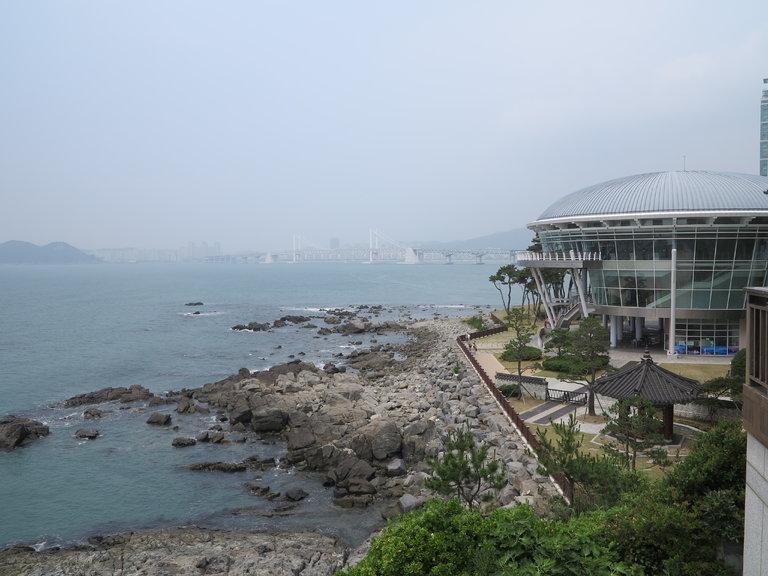
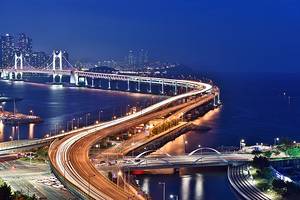
Gwangan Bridge is the largest sea bridge in South Korea, located between Suyeong Square and Centum City in Haeundae, Busan. It spans approximately 7.4 kilometers and offers a unique and beautiful night view of the surrounding cityscape and the sea. The bridge is surrounded by attractions such as Yeongdo Island and Hwangnyeongsan Mountain, allowing visitors to enjoy even more breathtaking scenery, including Gwanganli Beach and Dongbaek Island.
6
km
Day5: Busan
2 attraction(s) ·
4 km
1
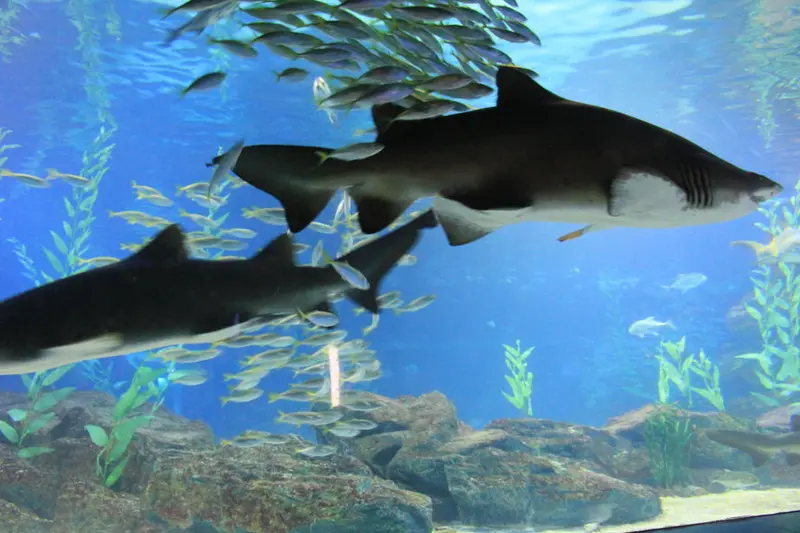
This aquarium is ordinary, but it has a rare fish - the triggerfish, which is very intriguing. If you are a fan, you might want to check it out.
4
km
Day6: Busan
3 attraction(s) ·
22 km
1
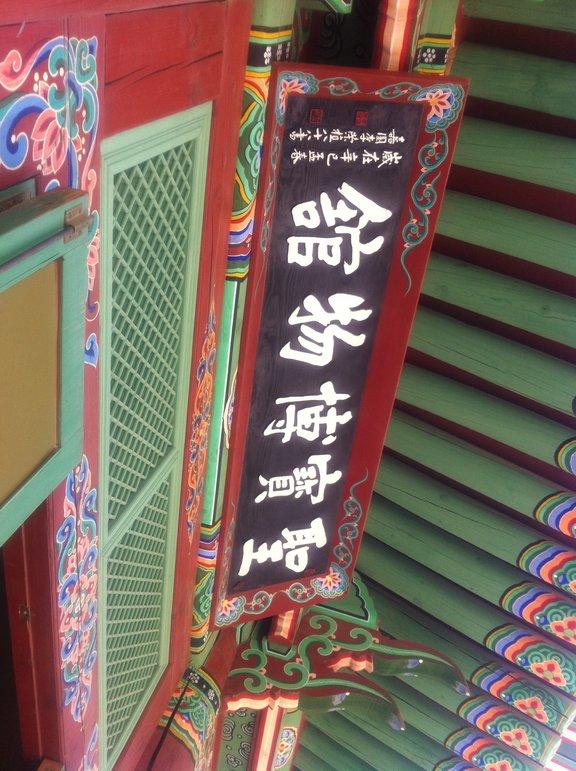
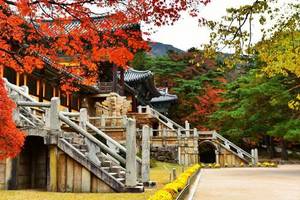
Bosu Temple is located at the foot of Mt. Geumjeong in Busan, South Korea. It is one of the major Buddhist temples in Korea. The temple was built by Master Yihyang during the 18th year of King Munmu of Silla. According to the historical record "Dongguk Yeoji Seungnam," there is a golden well on the ridge of Mt. Geumjeong, and golden fish descend from the sky to play in the well, which is how the mountain and temple got their names. However, during the Japanese invasions of Korea in 1592, the temple was burned down. The current temple buildings were reconstructed in 1713 and represent the latest version of the temple.
Bosu Temple has a long history, and the Daeungjeon Hall and the three-story stone pagoda, which are of significant historical value, have been designated as national treasures in Korea.
21
km
3
Day7: Busan
1 attraction(s) ·
0 km
1
This airport serving the Basan area since 1976 offers restaurants & direct rail service.