5 Days in Taipei: A Memorable Adventure
1 cities |
13 attraction(s) |
total distance 76
km
 TIPS
TIPS
Day1
Day2
Day3
Day4
Day5
Day1: Taipei
2 attraction(s) ·
6 km
1

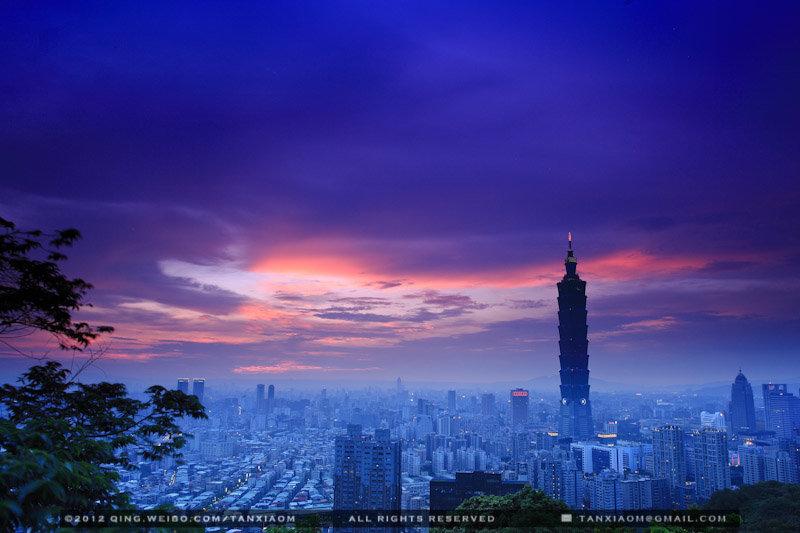
Observation Deck has two elevators that have been included in the world record. They are among the fastest elevators, with a maximum speed of 1010 meters per minute, equivalent to a speed of 60 kilometers per hour. At the same time, the indoor elevator at the Observation Deck is also one of the elevators with the longest travel distance in the world, allowing visitors to enjoy the beautiful scenery while effortlessly riding the elevator.
6
km
2

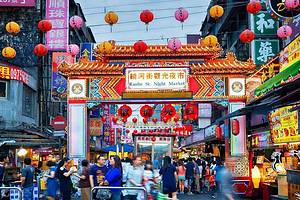
Ximending is a popular shopping district in Wanhua District, Taipei City, consisting of sections of Wuchang Street, Hanzhong Street, and Emei Street. This area is known as the heart of Ximending, attracting young students and international tourists with its vibrant atmosphere and trendy elements. It is a bustling pilgrimage site.
Ximending is renowned as a popular fashion district and unique pedestrian shopping street in Taipei. It offers various famous attractions such as Ximending Red House, Tattoo Street, Movie Street, KTV, Wannian Building, Wu Fen Pu Wholesale Market, and Eslite Bookstore. In addition, there are many
Day2: Taipei
2 attraction(s) ·
3 km
1
Taipei National Palace Museum is known as the "Treasure House of Chinese Culture" and houses a rich collection of artifacts from the Song, Yuan, Ming, and Qing dynasties. With a total of 655,000 exhibits, the museum also features the Chih-shan Garden, the Chi-te Garden, and the Chang Dai-chien Memorial Gallery, all designed with traditional Chinese garden aesthetics. The museum's architecture resembles a Chinese palace, with three floors dedicated to exhibitions and a fourth floor for a tea house. Visitors can preview the exhibits on the museum's website before their visit to better appreciate the museum's highlights. Treasures such as Fan Kuan's "Travelers Among Mountains and Streams," Guo Xi's "Early Spring," and Li Tang's "Wanhaosong Fengtu" can only be seen during special exhibitions. The busiest periods for visitors are from 10:00 to 12:00 and 14:00 to 16:00, with tour groups often focusing on the jade, porcelain, and bronze sections. For a quieter experience, it is recommended to visit the calligraphy and painting galleries during these peak times and then explore the popular exhibits when the crowds thin out. The quietest visiting hours are during the evening sessions on Fridays and Saturdays, as the number of visitors decreases after 17:00.
3
km
2
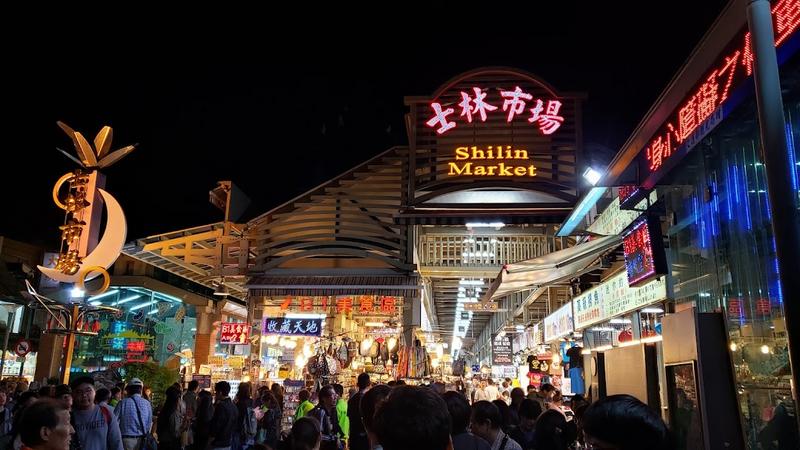
Traditional night market with a large array of vendors selling street food, clothes & jewelry.
Day3: Taipei
2 attraction(s) ·
5 km
1

Popular hiking trail with walking paths & stairs offering a panoramic view of Taipei from its peak.
5
km
2

Cultural hub in an old sake winery featuring shops & showcasing local art, film, crafts & events.
Day4: Taipei
5 attraction(s) ·
12 km
1

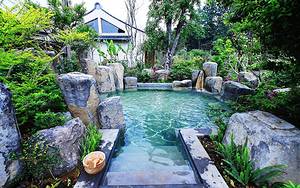
The Beitou Hot Springs is a hot spring resort located in Beitou District, Taipei City, Taiwan. With a large area, it can be defined broadly or narrowly. Broadly speaking, the Beitou Hot Springs refers to the Shamao Mountain, Datun Volcano Group, Qixing Mountain volcanic rock layers, and Jinshan Fault in the northern region of Taiwan. These areas are home to many hot springs, including the Geothermal Valley Hot Springs, Sulfur Valley Hot Springs, Dingbeitou Hot Springs, Shuangjieshi Hot Springs, and Longfeng Valley Hot Springs. On the other hand, narrowly speaking, the Beitou Hot Springs refers to a specific area in Beitou District with abundant hot spring resources. Whether defined broadly or narrowly, the Beitou Hot Springs is a highly recommended place to visit.
1
km
2
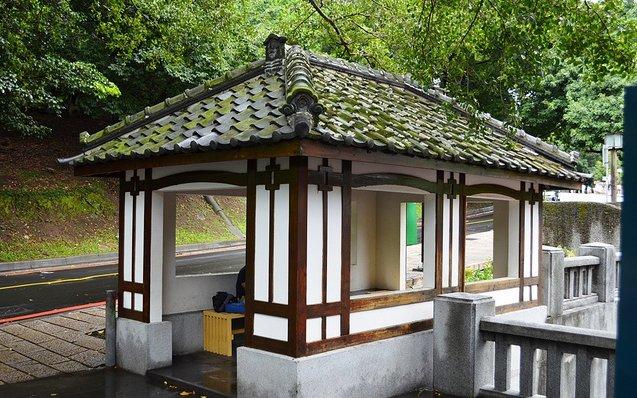
The Beitou Hot Spring Museum is located in the Beitou Hot Spring area and is free for visitors. The museum has two floors, with the first floor showcasing areas such as Beitou Hot Spring Bath, Beitou Stone, and Beitou Hot Spring, while the second floor showcases the development history of Beitou Hot Spring Township, Beitou Indigenous Peoples, Tatami Activity Hall, Multimedia Audio-Visual Room, Beitou Industry, and Taiwan Hollywood. By visiting the Beitou Hot Spring Museum, visitors can gain a deeper understanding of the history and development of Beitou Hot Spring.
5
km
3
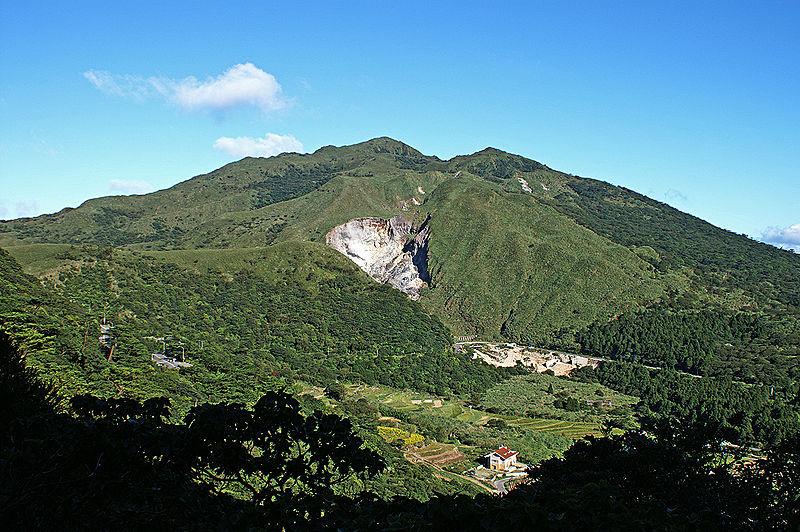
Yangmingshan National Park is one of the most popular flower-viewing and tourist destinations near Taipei. The spring season attracts large numbers of visitors to admire the azaleas and cherry blossoms, while the summer and autumn scenery is also breathtaking. The park buses are the most convenient way to explore, passing by many attractions and trails including Yangming Shuwu, Calla Lily Fields, Bamboo Lake, and Xiaoyoukeng Sulfur Vents. Qingtian Hill is a great place to relax, play on the grass, and enjoy the beautiful natural scenery. Lengshuikeng is another popular spot, featuring hidden and free public hot spring baths, perfect for relaxation and rejuvenation. The park buses often travel on narrow and thrilling mountain roads, allowing tourists to enjoy the stunning landscapes. In summary, Yangmingshan National Park is definitely worth a visit.
4
km
4

Grassy, hilly lava plateau, home to wild buffalo & a popular destination for hiking.
4
km
5
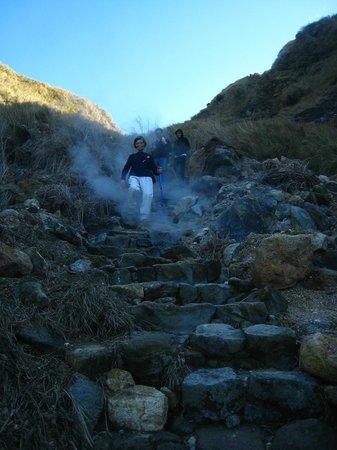
Xiaoyoukeng is located at the northwest foothills of Qixing Mountain. You can take the observation trail on the right side of Xiaoguanyin Station on Yangjin Highway, which offers beautiful scenery along the way. Xiaoyoukeng, with an altitude of about 800 meters, has many unique landscapes, including volcanic fumaroles, hot springs, collapsed terrains, and sulfur crystals. It is a perfect natural classroom for families to explore together.
Day5: Taipei
2 attraction(s) ·
8 km
1
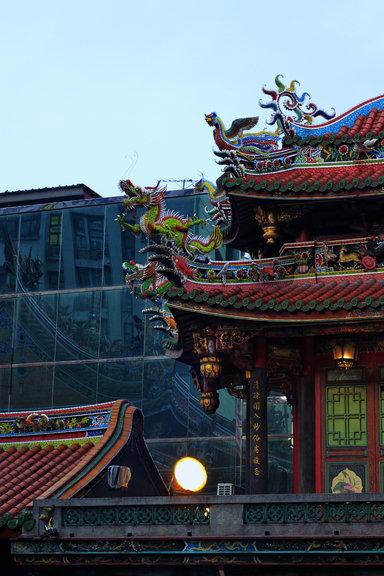
Longshan Temple is the first temple in Taipei, located at the intersection of Guangzhou Street and Xiyuan Street in the Wanhua District. The area was once known as Bangka, and it was plagued by poor conditions and epidemics. To improve the local situation, immigrants from Quanzhou, Fujian Province, brought the deity of Guanyin from the Longshan Temple in Anhai, Quanzhou, and began building Longshan Temple in Taiwan. Since its construction began in 1738 during the Qing Dynasty, Longshan Temple has been destroyed and repaired multiple times. During World War II, the temple was also destroyed and later restored. The present-day Longshan Temple is beautifully constructed, with a intricately designed temple courtyard, and is considered a highlight of Taiwanese temple art. In the early days, foreign travelers to Taipei would visit the National Palace Museum, Chiang Kai-shek Memorial Hall, and Longshan Temple for a visual feast. Every year from the 15th day of the first lunar month to the 19th day of the second lunar month, the temple holds traditional lantern exhibitions and activities such as peace lanterns. Longshan Temple is close to attractions such as Huaxi Night Market, Bangka Qingshan Temple, and Ximending.
8
km
2
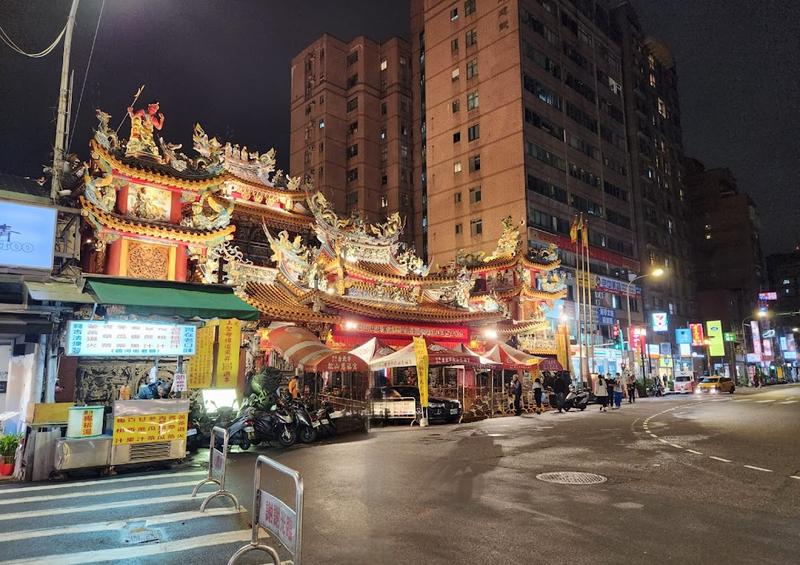
Buzzing, venerable nighttime street market offering shops & street food vendors.