Slovenia-Croatia 13-Day Tour
8 cities |
23 attraction(s) |
total distance 1332
km
 TIPS
TIPS
Day1
Day2
Day3
Day4
Day5
Day6
Day7
Day8
Day9
Day10
Day11
Day12
Day13
Day1: Ljubljana
1 attraction(s) ·
0 km

Day2: Ljubljana
3 attraction(s) ·
1 km
1
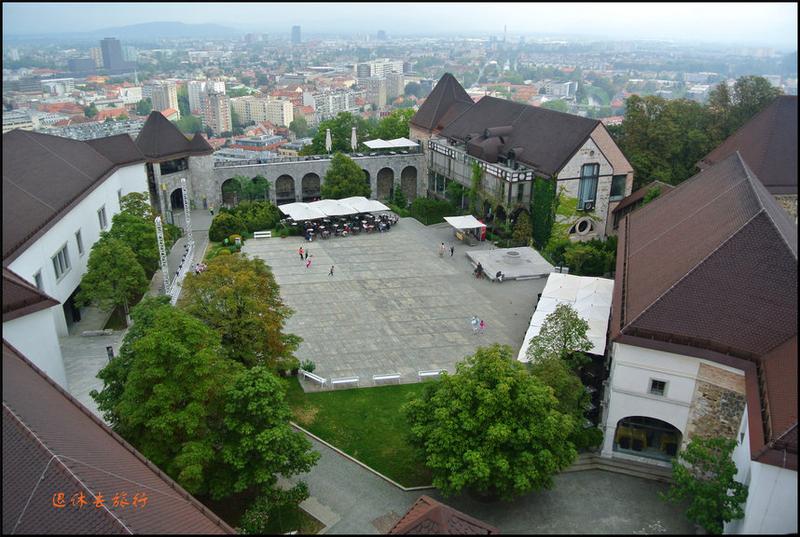
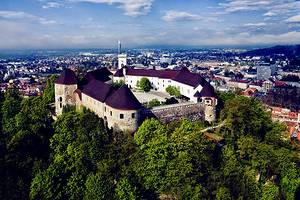
Ljubljana Castle is located at the top of Castle Hill in the Slovenian capital. Initially, it was only a wooden fortress built in the early Middle Ages. Archaeologists have discovered two lead coins dating the castle's history back to 1164-1185. Over the centuries, the military strategic significance of Castle Hill meant that it was always used as a military fortress. It wasn't until 1335 that the castle was controlled by the House of Habsburg. In the 15th century, due to the invasion of the Turkish army, the defensive function of the castle became particularly important, so the castle was reinforced. The Chapel of St. George was built in 1489, while other buildings in the castle were built in the 16th and 17th centuries. In the mid-17th century, the castle was used as an arsenal, and from the 19th century until the end of World War II, it was used as a prison. During World War II, it was used to imprison Italian and German prisoners of war.
1
km
2
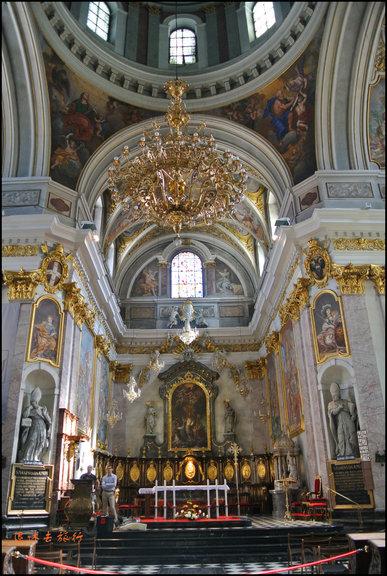
From 1163 to 1710, the Cathedral underwent a final reconstruction, forming its current appearance. The Cathedral is a landmark building in Paris, France, and a world-famous tourist attraction. Its 400-year history witnesses the rise and fall of France, as well as the cultural development of Europe. It is not only a religious building, but also a human cultural heritage. The Cathedral's architectural style is full of exoticism, combining Gothic and Renaissance styles, and is one of the representatives of medieval European architectural masterpieces. Standing in front of it, you will be overwhelmed by its momentum, constantly imagining the changes in its history and the prosperity and decline of countless people. As a cultural symbol of France, the beauty, history and significance of the Cathedral belong not only to the French, but also to all mankind.
1
km
3
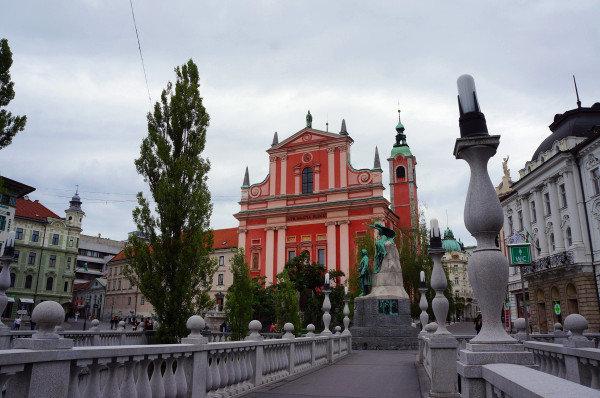
Triple Bridge is a historic stone bridge located in the center of the capital city of Slovenia, Ljubljana. It was built in 1842, replacing a medieval wooden bridge that spanned the Ljubljanica River and has become an important landmark of the city. From 1929 to 1932, the famous Slovenian architect, Jože Plečnik, renovated and upgraded the original bridge by adding two side bridges, creating today's Triple Bridge. Today, this bridge has become one of the most popular attractions in Ljubljana, attracting countless tourists to admire and take photos.
Day3: Bled
4 attraction(s) ·
2 km
1
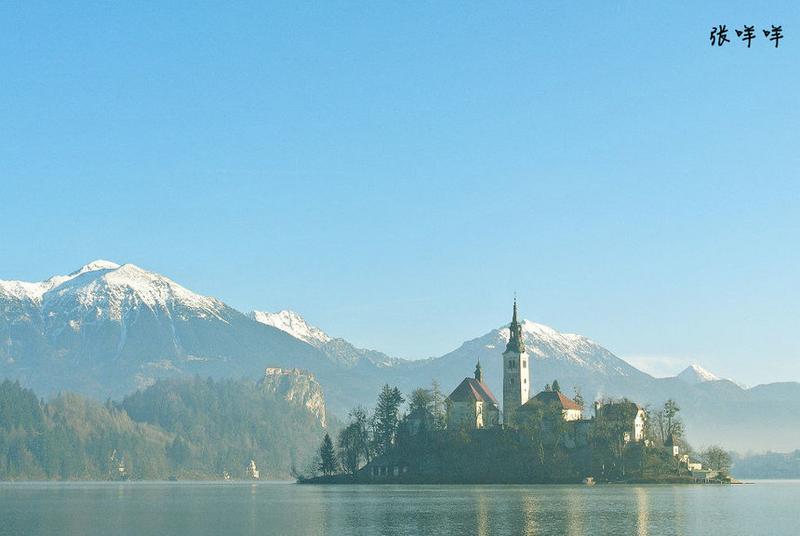
Lake Bled, located in Slovenia, is one of the most famous lakes in the country. The lake was formed about 14,000 years ago by the geological movement of glaciers in the Alps, and is therefore known as an "ice lake". The beauty of Lake Bled is like a fairyland, and the church building in the lake is more like a mirage.
1
km
2
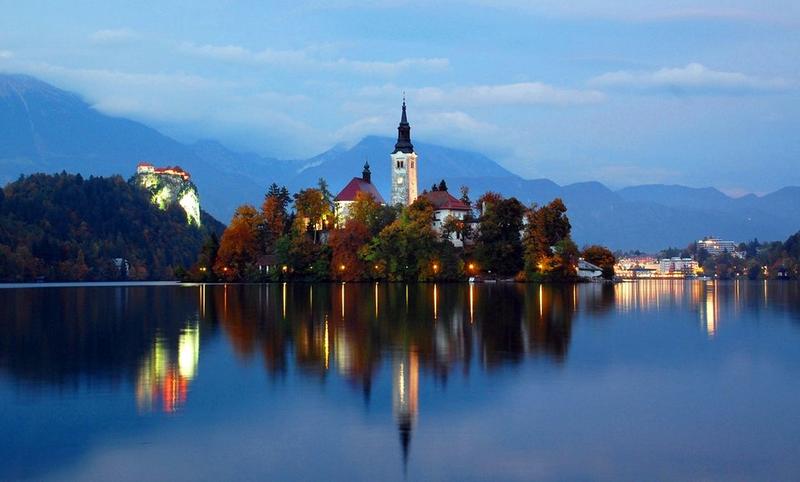
Bled Island is the only natural island in Slovenia, located in the beautiful Lake Bled. The island has many buildings, the most magnificent of which is the Church of the Assumption, with a 52-meter tower and 99 steps that are breathtaking.
1
km
3

The Church of the Assumption, located on Bled Island, is an iconic building. After taking a ferry to the island, visitors need to climb 99 steps to reach the platform where the church is located. The building was constructed in 1509 and underwent reconstruction after an earthquake. Visitors can also enjoy the beautiful sight of the church's bell tower chiming on the hour.
2
km
4
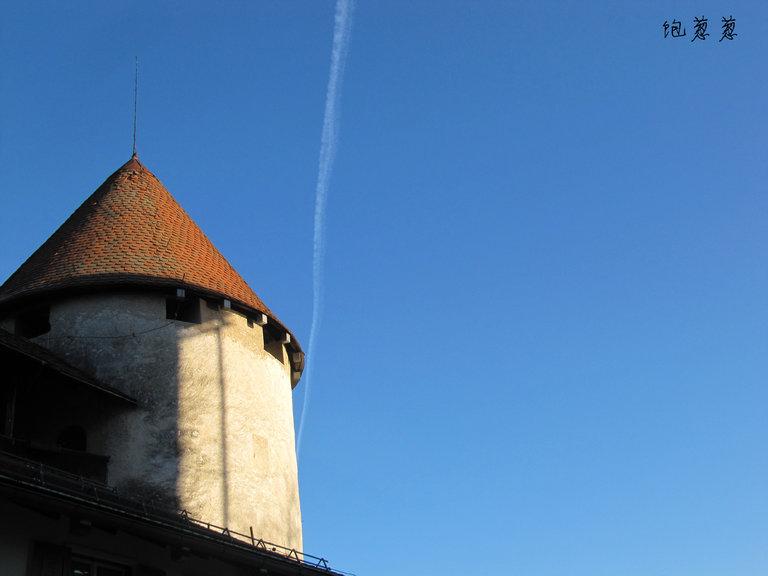
Predjama Castle is located in the middle of Lake Bled, towering over steep cliffs for excellent views of the surrounding area.
Day4: Bled > Zagreb
5 attraction(s) ·
160 km
1
Lake Bled, located in Slovenia, is one of the most famous lakes in the country. The lake was formed about 14,000 years ago by the geological movement of glaciers in the Alps, and is therefore known as an "ice lake". The beauty of Lake Bled is like a fairyland, and the church building in the lake is more like a mirage.
159
km
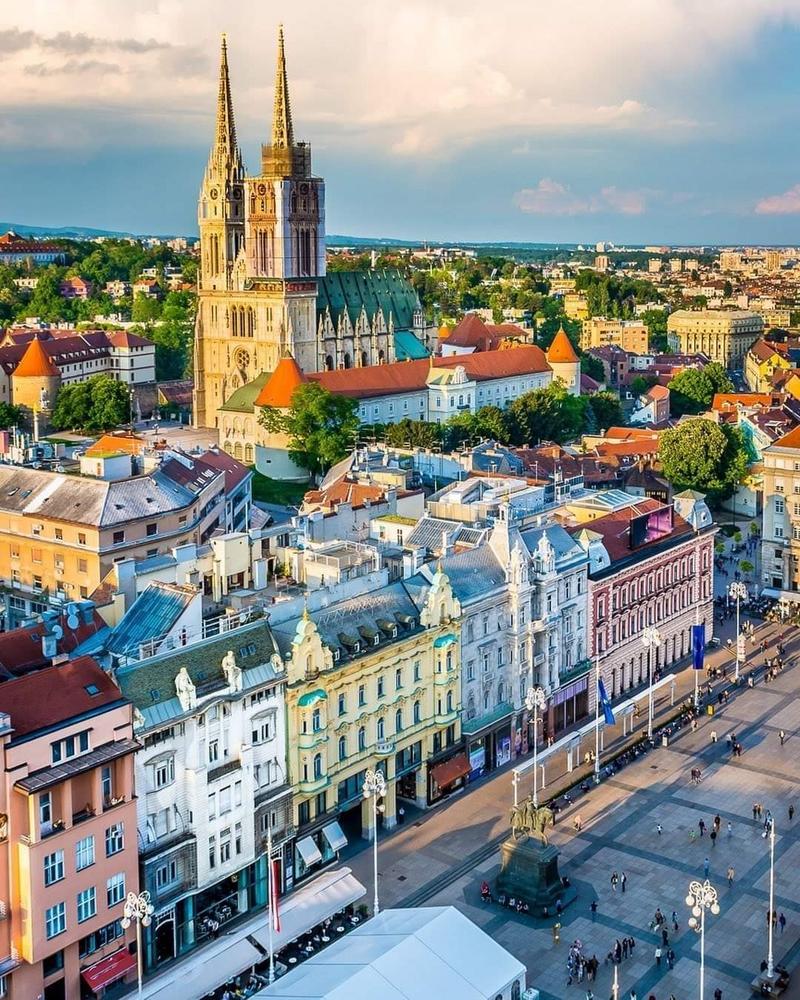
3
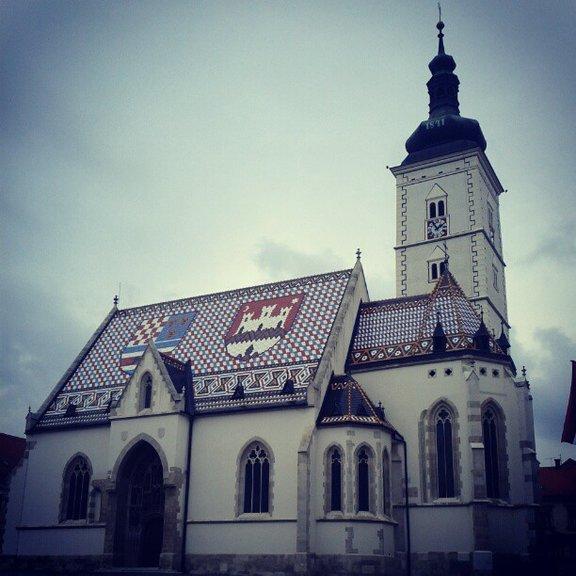
St. Mark's Church is a masterpiece of Gothic architecture, with its colorful tiled roof attracting much attention. The church displays works by Croatia's famous sculptor Mestrovic, which are breathtaking.
1
km
4
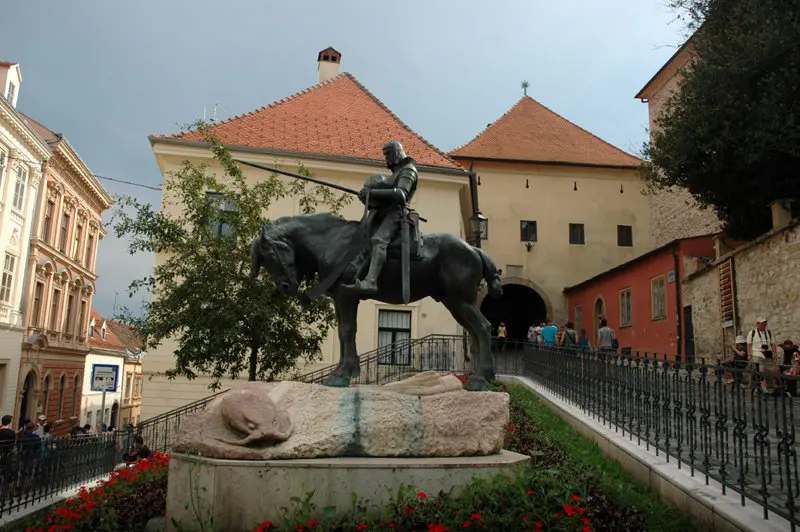
Zagreb has an ancient city gate named Stone Gate, located near the St. Mark's Church. Stone Gate is one of the only surviving gates of the old city area and was built during the Roman era, remaining in good condition.
1
km
5

Large tower with daily cannon blasts & an observation area providing panoramic city views.
Day5: Lika-Senj County
1 attraction(s) ·
0 km
1

National park known for lakes, alpine forests, waterfalls & caves, plus hiking trails.
Day6: Lika-Senj County > Zadar
2 attraction(s) ·
88 km
1
National park known for lakes, alpine forests, waterfalls & caves, plus hiking trails.
88
km
2

Large experimental musical instrument mounted beneath a staircase & played by the waves on the sea.
Day7: Split
1 attraction(s) ·
0 km
1
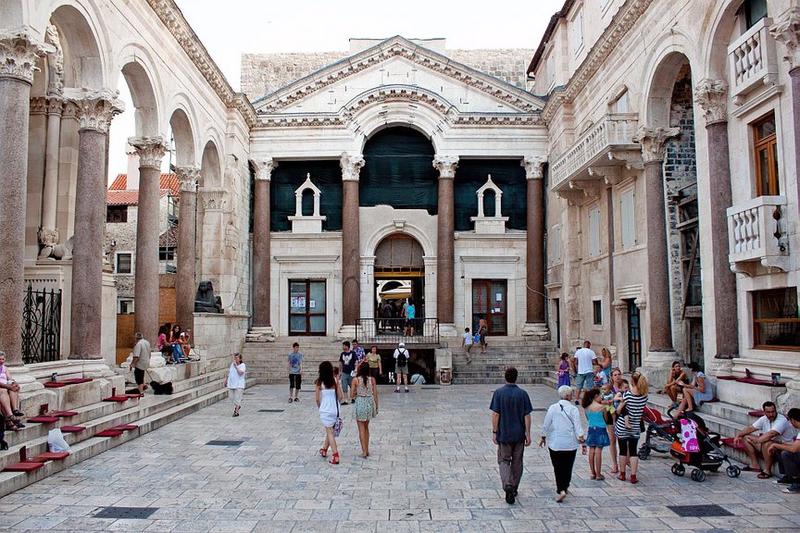
Diocletian's Palace is a palace built by the Roman Emperor Diocletian between AD 295 and AD 305, located in Split, Croatia, covering an area of nearly four hectares. As the residence of Diocletian after his abdication, the palace is a typical representative of Roman imperial autocratic rule, with a strong castle structure and uniform architectural plan crowned with unparalleled prestige. The south of the palace faces the Adriatic Sea, with high walls on the east, west, and north sides for protection, and the palace gate is also in the form of a castle tower. A long row of classical arches was built on the seaside to make the palace more grand. Within the palace city, a cross-shaped avenue intersects at the center, with the sleeping palace and tomb on the south side and the guesthouse and barracks on the north side. The huge arches on both sides of the avenue and the large arch gate in the center of the sleeping palace all give people a sense of unparalleled grandeur and prestige. Although the palace suffered serious damage in the 7th century, the central arch gate still survives to this day. In 1979, the ruins of this Roman imperial palace were listed as a world cultural heritage site by UNESCO, showcasing the typical features of Roman imperial autocratic rule and strong governance in the past.
Day8: Split
1 attraction(s) ·
0 km
1

Quaint studios & an apartment, all with kitchenettes, in a quaint building near Diocletian's Palace.
Day9: Dubrovnik
2 attraction(s) ·
1 km
1
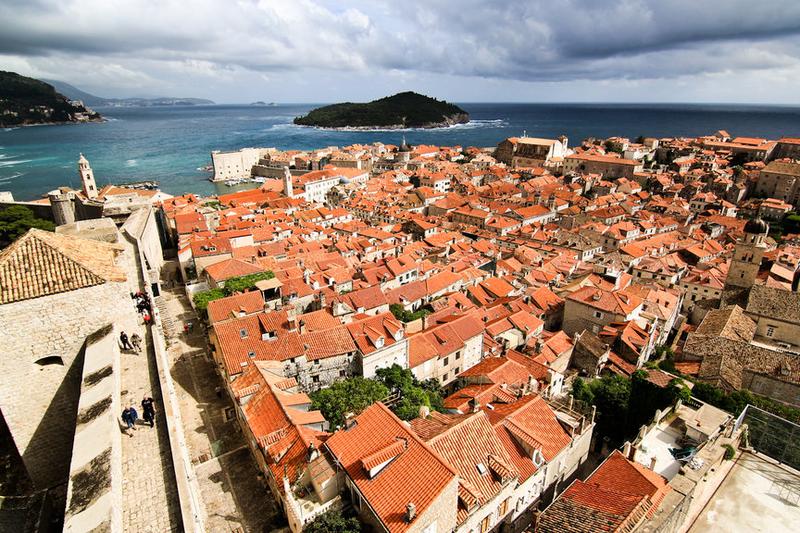
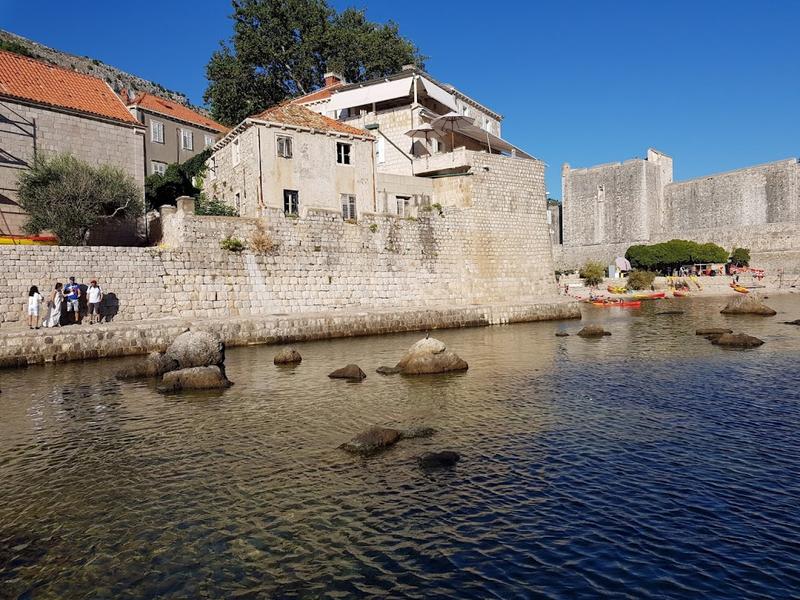
Dubrovnik city walls are a historical landmark that surrounds the old city. They were built in the 7th century and have always been one of the greatest defense systems in southern Croatia, never having been attacked by enemy forces. In 1979, UNESCO added Dubrovnik's old town and most of the city walls to its list of world cultural heritage sites. The walls have gone through many years of history, with the oldest city defense system being built with wooden barricades. Today, the walls we see were mostly built between the 12th and 17th centuries and stretch for 1,940 meters, almost surrounding the entire city. The highest point is about 25 meters, making it the largest and most intact building in Europe. Most importantly, it has protected Dubrovnik's peace and prosperity for five centuries. Walking on the walls offers perfect scenery, with the main entrance to the walls located next to Inner Pile Gates. Minceta Fortress, located in the northwest corner of the walls, is one of the most popular cultural sites in the city, while St. Luke's Tower historically guarded the entrance to Dubrovnik harbor. St. John's Fortress, built in the 16th century, is an aquarium on the first floor and a marine museum on the second and third floors.
1
km
2
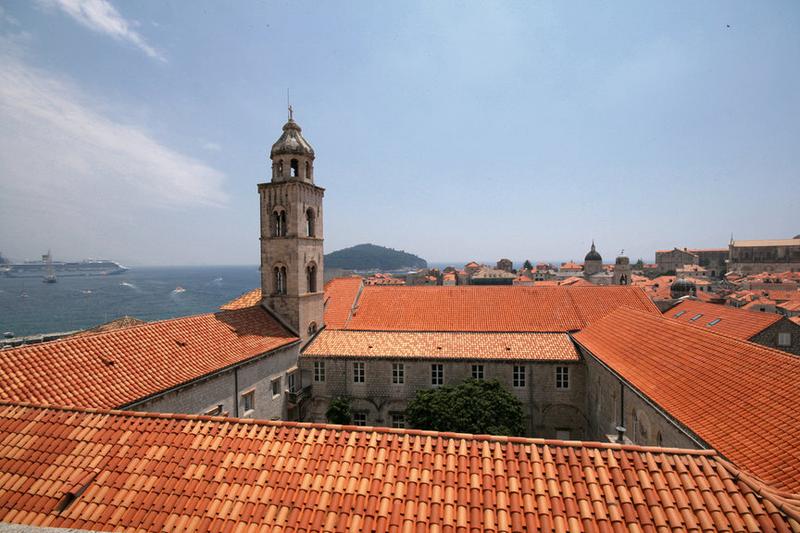
The Dominican monastery, built in 1315, was severely damaged in the 1667 earthquake, but was later rebuilt. The monastery combines Gothic and Renaissance styles and is almost entirely built of stone. The internal cloister of the monastery is particularly beautiful, with exquisitely crafted details that reflect the craftsmanship of the artisans. The construction of the bell tower began in 1390 and was not completed until 1531. Photo provided by Flickr user "Intiaz Rahim" and released under a Creative Commons license.
Day10: Dubrovnik
2 attraction(s) ·
1 km
1
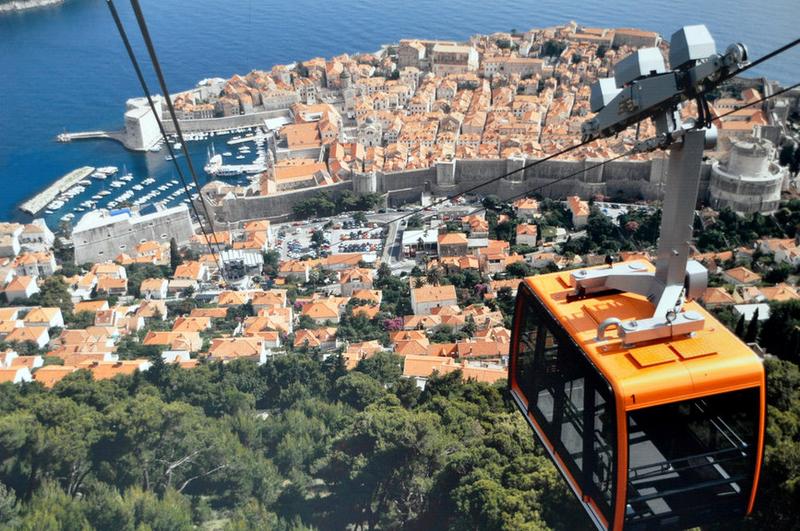
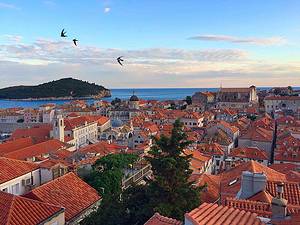
The summit of Srd is the best spot to admire the beauty of Dubrovnik. From here, you can see the unique 360° panoramic view of the entire city, especially on a sunny day where you can even see the sea 60 kilometers away. Standing at the summit and looking out at the distant red roofs and blue ocean makes you feel infinitely vast and deeply stirred. The Srd cable car was built in 1969, connecting the ridge and the summit station at an altitude of 405 meters.
1
km
2
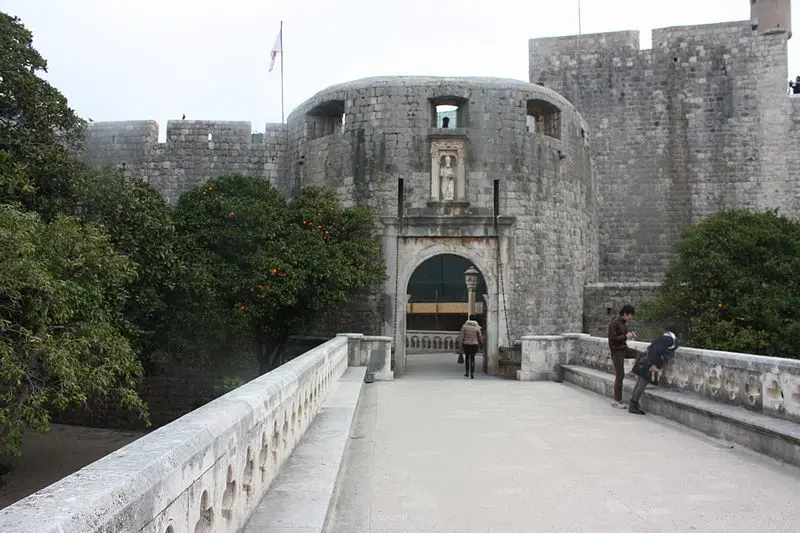
The Pile Gate in Dubrovnik is one of the main entrances to the Old City, located in the western region. This outer gate was built in 1537 and features a Renaissance-style arch with a sculpture of the city's patron saint, St. Blaise, on top. A three-arch stone bridge leads to the inner gate, which was built in 1460 and is a Gothic-style structure directly connected to the city walls. The statue of St. Blaise was carved by Ivan Mestrovic, the greatest Croatian sculptor of the 20th century.
Day11: Dubrovnik
1 attraction(s) ·
0 km
1
Dubrovnik city walls are a historical landmark that surrounds the old city. They were built in the 7th century and have always been one of the greatest defense systems in southern Croatia, never having been attacked by enemy forces. In 1979, UNESCO added Dubrovnik's old town and most of the city walls to its list of world cultural heritage sites. The walls have gone through many years of history, with the oldest city defense system being built with wooden barricades. Today, the walls we see were mostly built between the 12th and 17th centuries and stretch for 1,940 meters, almost surrounding the entire city. The highest point is about 25 meters, making it the largest and most intact building in Europe. Most importantly, it has protected Dubrovnik's peace and prosperity for five centuries. Walking on the walls offers perfect scenery, with the main entrance to the walls located next to Inner Pile Gates. Minceta Fortress, located in the northwest corner of the walls, is one of the most popular cultural sites in the city, while St. Luke's Tower historically guarded the entrance to Dubrovnik harbor. St. John's Fortress, built in the 16th century, is an aquarium on the first floor and a marine museum on the second and third floors.
Day12: Dubrovnik
1 attraction(s) ·
0 km
Day13: Vienna
2 attraction(s) ·
5 km
2
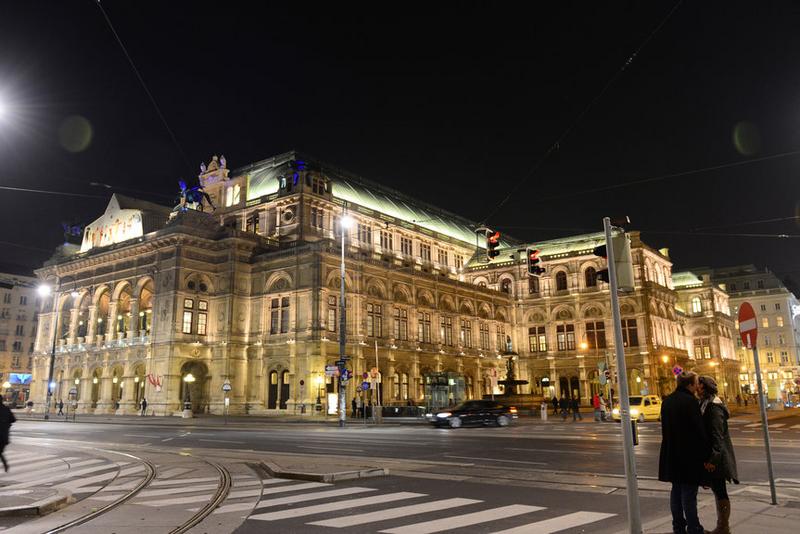
Vienna State Opera, located on the Ringstrasse in the heart of Vienna, is one of the world's most renowned opera houses and a major symbol of Vienna. Built in 1869, its inaugural performance was Mozart's "Don Giovanni," and it quickly became the center of the opera world, earning the nickname "the world's opera capital."
The State Opera is a grand neoclassical building constructed with yellow marble. It features five arches on the main entrance, each representing heroism, drama, imagination, art, and love, with bronze statues of the five opera goddesses.
Spanning 9,000 square meters, the opera house has 6 tiers of seating. The walls of the foyers and corridors are adorned with magnificent oil paintings depicting scenes from the most famous works of celebrated composers, including Mozart's "The Marriage of Figaro," "The Magic Flute," and "Don Giovanni," Beethoven's "Fidelio," Rossini's "The Barber of Seville," and more.
During World War II, the stage of the Vienna State Opera was destroyed by Allied bombing, and in 1945, the entire building was consumed by fire. The opera house we see today is a reconstruction, completed in 1955 with over 2,200 seats, and it premiered with Beethoven's "Fidelio" conducted by Karl Böhm on November 5th.