Korea 3-Day Tour: Highlights of Seoul & Jeju Island
3 cities |
9 attraction(s) |
total distance 554
km
 TIPS
TIPS
Day1
Day2
Day3
Day1: Seoul
3 attraction(s) ·
3 km
1
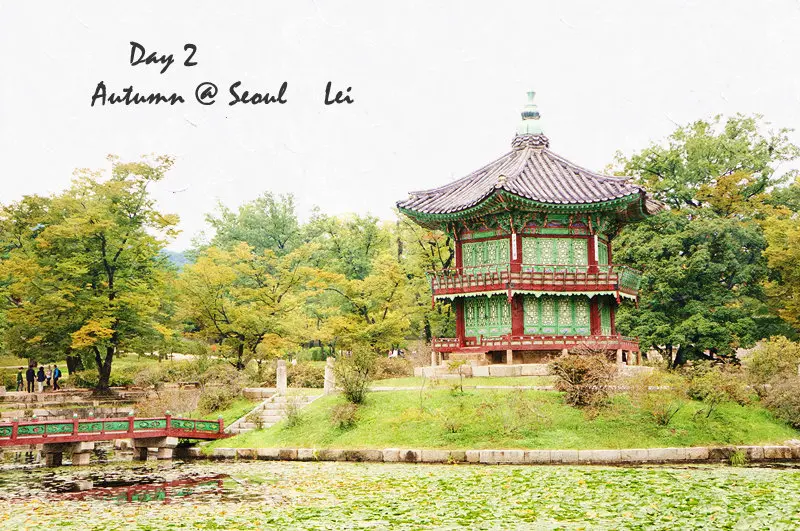
Gyeongbokgung Palace is the first palace built in the early days of the Joseon Dynasty, with a history of 600 years. It was once a grand palace and now showcases delicate beauty. Gyeongbokgung Palace is the largest of the Five Grand Palaces and features unique architecture such as Geunjeongjeon Hall and Gyeonghoeru Pavilion. In addition, there are the National Palace Museum and the National Folk Museum where visitors can explore and experience. Gyeongbokgung Palace is open to the public and there is a ticket office at the entrance of Gwanghwamun. Visitors can also watch the Changing of the Guard ceremony and take photos with the guards, immersing themselves in Korean classical culture.
The name Gyeongbokgung means "great blessings and prospering the nation," reflecting the early aspirations of the Joseon Dynasty. It was completed in 1395 and at its peak had over 390 buildings. During the Japanese invasion in the late 16th century, Gyeongbokgung Palace was burned down and remained abandoned for 273 years. It was restored during the reign of King Gojong but suffered significant damage during the Japanese colonial period, with some buildings demolished and replaced by the Government-General Building. After Korea's independence, Gyeongbokgung Palace gradually underwent restoration, with the completion of the restoration project of Gwanghwamun Gate in 2010. There are also guided tours available in Chinese, departing from the inside of the Geunjeongmun Gate at four designated times.
1
km
2
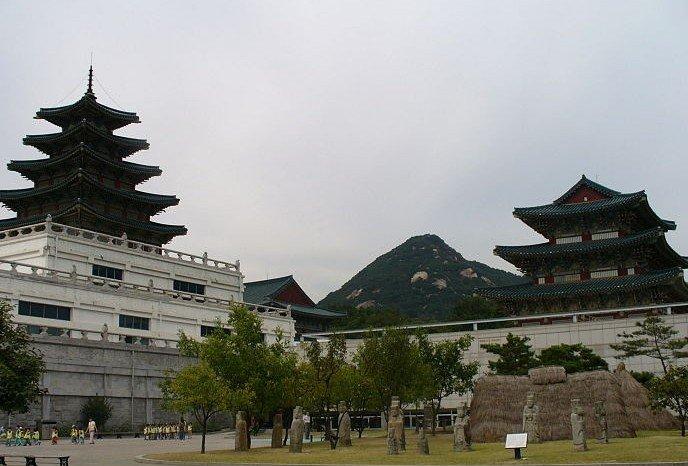
Korean National Folk Museum, established in 1945, was initially located in Namsan, Seoul, showcasing Korean folk history from prehistoric times to 1910. In 1975, the museum was relocated to the grounds of Gyeongbokgung Palace, and the current building was constructed in 1972 in the traditional Korean architectural style. The building was previously used as the National Museum of Korea and underwent renovations in 1986 before reopening in 1993. The museum features three exhibition halls, a children's museum, and an outdoor exhibition area.
3
km
3
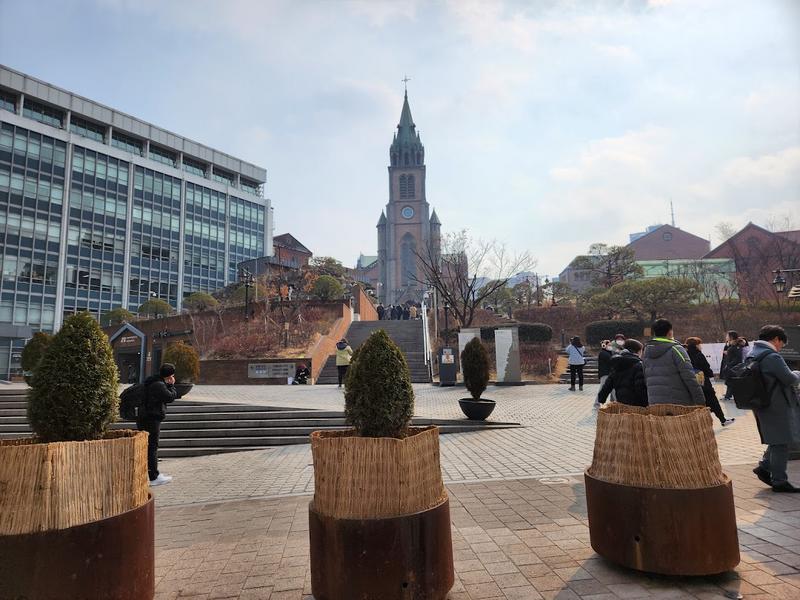
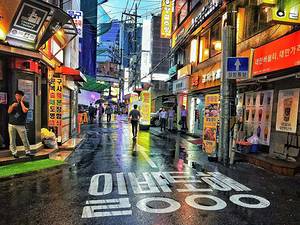
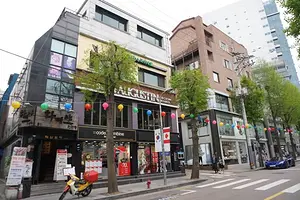
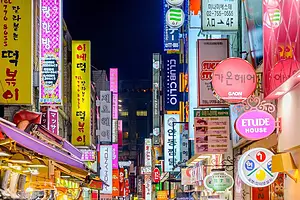
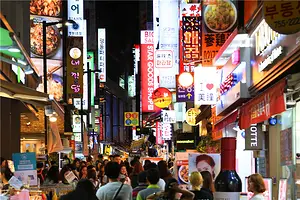
Many high-end international stores & restaurants draw crowds to this bustling retail district.
Day2: Seoul
3 attraction(s) ·
10 km
1
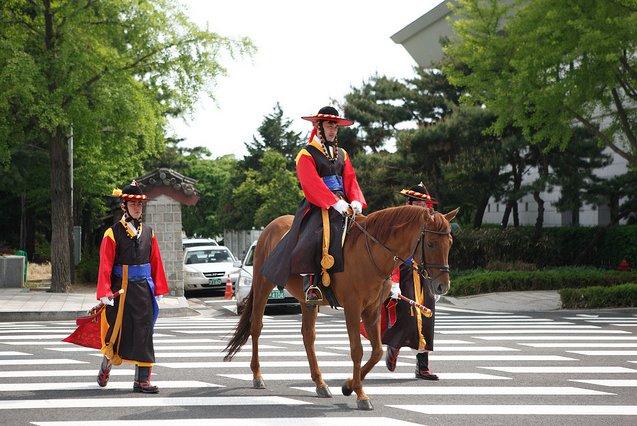
Blue House, the presidential office and political center of South Korea, gets its name from its unique blue tiled roof. Located in a beautiful area, Blue House is highly regarded among foreign tourists. To visit Blue House, one must apply in advance on the website and once approved, visitors must follow the staff's instructions. Photography is only allowed in designated areas and visitors are not allowed to bring food or record videos. Additionally, foreign tourists must carry their passports when visiting Blue House.
5
km
2
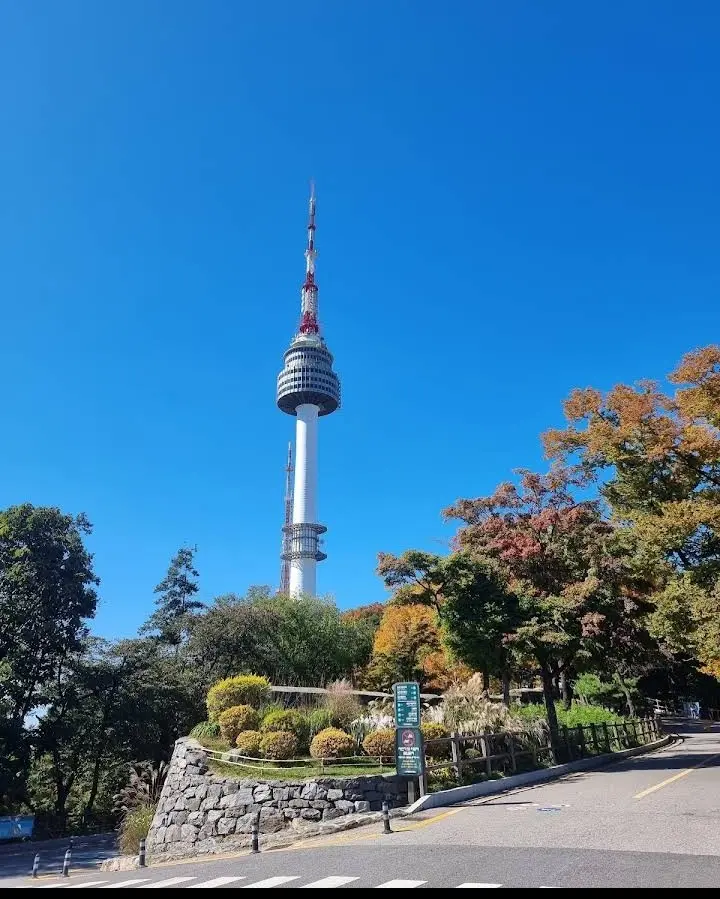
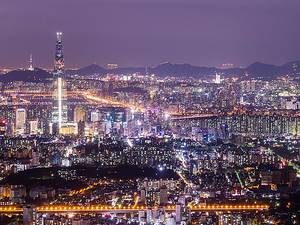
Opened in 1980, this iconic tower offers panoramic views of the city & a revolving restaurant.
6
km
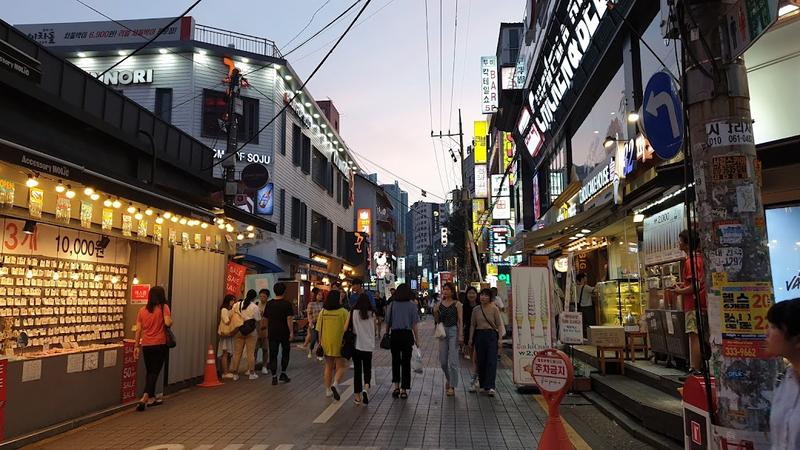
Day3: Jeju-do > Seogwipo
3 attraction(s) ·
71 km
1

Hiking is allowed during daytime only on this shield volcano, the highest peak in South Korea.
17
km
2
주상절리
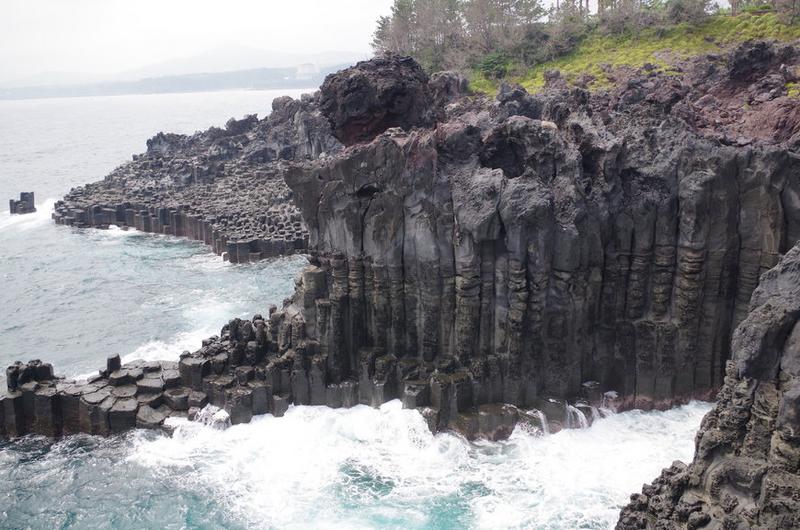
Jeju Island's columnar jointing belt is a natural reserve made up of hexagonal rock pillars formed when lava from Hallasan Mountain flowed into the sea and cooled. These pillars vary in height and shape, and are awe-inspiring in their beauty as if they were intricately carved.
55
km
3

Formed by volcanic eruptions, this unique, crater-style peak is said to resemble an ancient castle.