Singapore 3-Day Free Travel Guide
2 cities |
14 attraction(s) |
total distance 39
km
 TIPS
TIPS
Day1
Day2
Day3
Day1: Singapore
5 attraction(s) ·
21 km
1
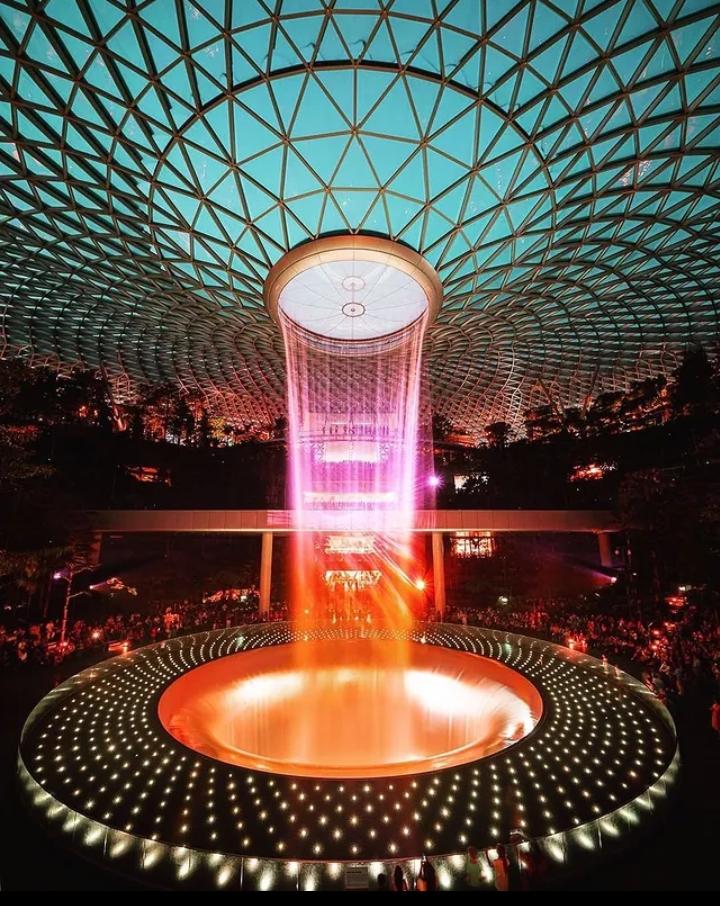
Passenger & cargo hub with 4 modern terminals plus buses & trains to the city center.
18
km
2
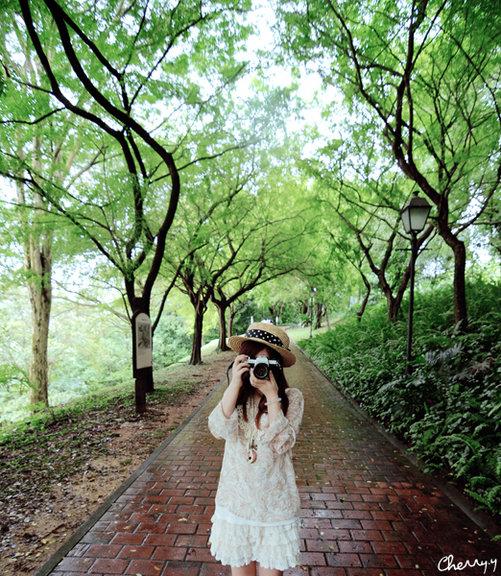
Fort Canning Park is a hill park in the city area of Singapore, with significant historical significance for the local indigenous people. According to historical records, this small hill was once the residence of the royal family of the island nation's Sultan in the 14th century. Today, Fort Canning Park also hosts some fantastic music events from time to time.
1
km
3
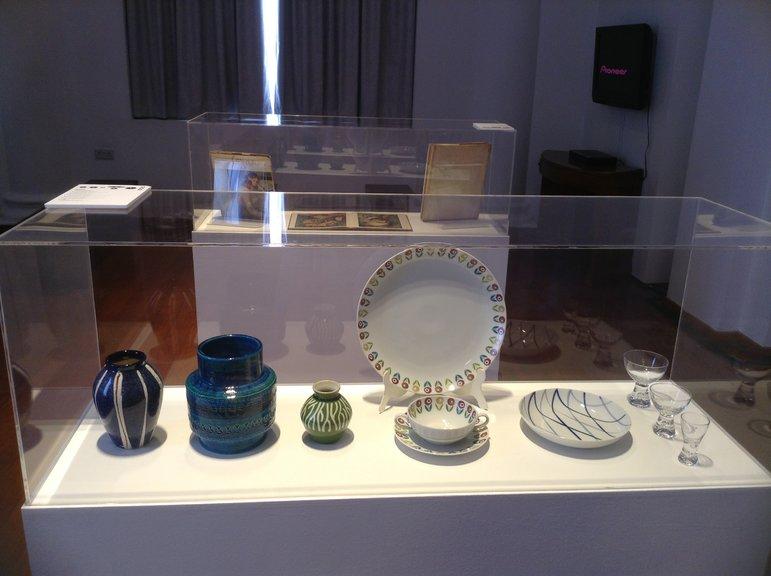
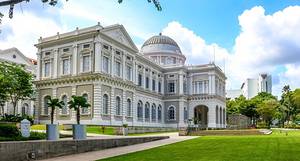
In 1849, the National Museum of Singapore was officially opened, and it remains one of the oldest museums in Singapore to this day. The museum focuses on showcasing Singapore's cultural and historical heritage. As part of a recent renovation project, the Singapore History Gallery, Singapore Living Galleries, and temporary exhibition spaces were added. Visitors must use audio guides to learn about the historical stories behind the exhibits. In addition, the Singapore Living Galleries showcase Singapore's unique local culture and diversity through cuisine, fashion, film, and photography. Interactive elements such as touch screens, old film reels, and oral history exhibits provide a memorable experience for visitors.
2
km
4
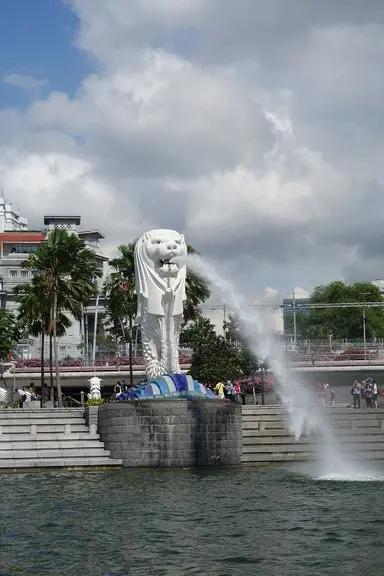
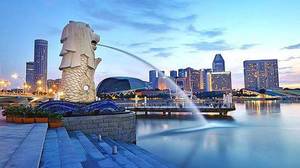
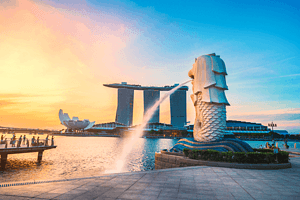
The Merlion is an iconic landmark in Singapore, located on the Singapore River in the city center. It symbolizes the country's development from a small fishing village. The design of the Merlion is inspired by a legend in the Malay Annals. In the 11th century, a prince named Sang Nila Utama saw a lion while patrolling Singapura. The lion's head on the Merlion represents that lion, and the fish tail symbolizes the ancient city of Temasek (meaning "sea" in Javanese). Today, the area around Merlion Park has developed into Singapore's financial and commercial center with a skyline of high-rise buildings.
2
km
5
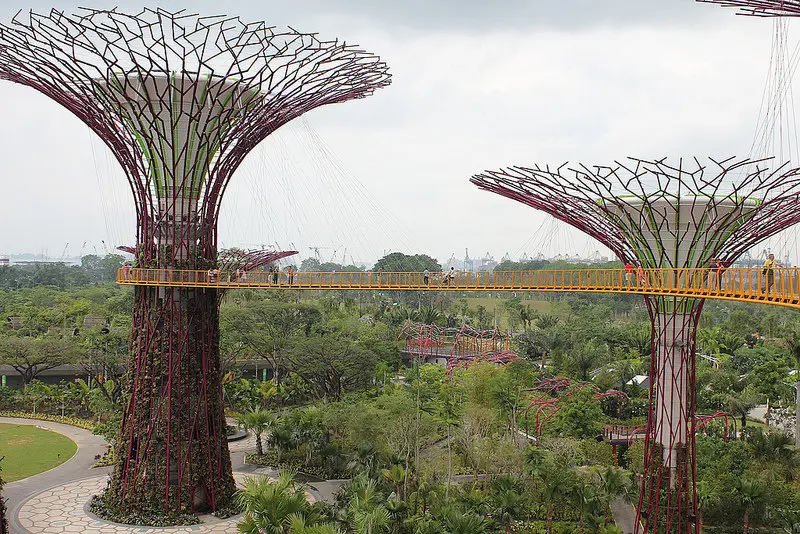
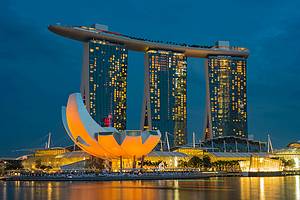
Singapore has a new landmark that won the 2012 World Building of the Year Award. It is composed of the Flower Dome, Cloud Forest, 18 Supertrees, Heritage Gardens, World of Plants, Dragonfly and Kingfisher Lakes. The Children's Garden is the latest addition, designed specifically for children.
The garden covers an area of 101 hectares and has over 250,000 rare plants. It is divided into three parts: Bay South, Bay East, and Bay Central. Walking along the waterfront pathway, you can see the entire city skyline of the Marina Bay Financial District, which is very charming. Here, you can take a night walk or have a picnic with family and friends, which is very comfortable and pleasant.
Day2: Clarke Quay Central > Singapore
7 attraction(s) ·
6 km
2
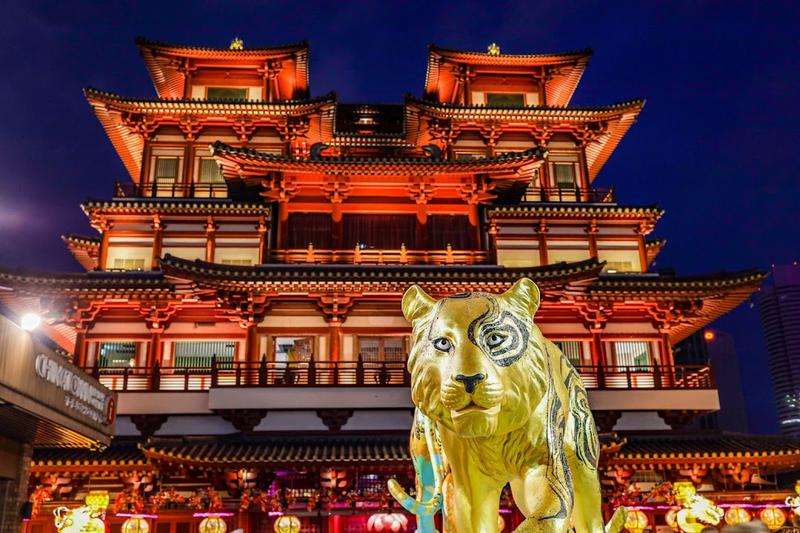
Tang dynasty–style temple housing religious relics, with ornate rooms & a tranquil rooftop garden.
3
km
3
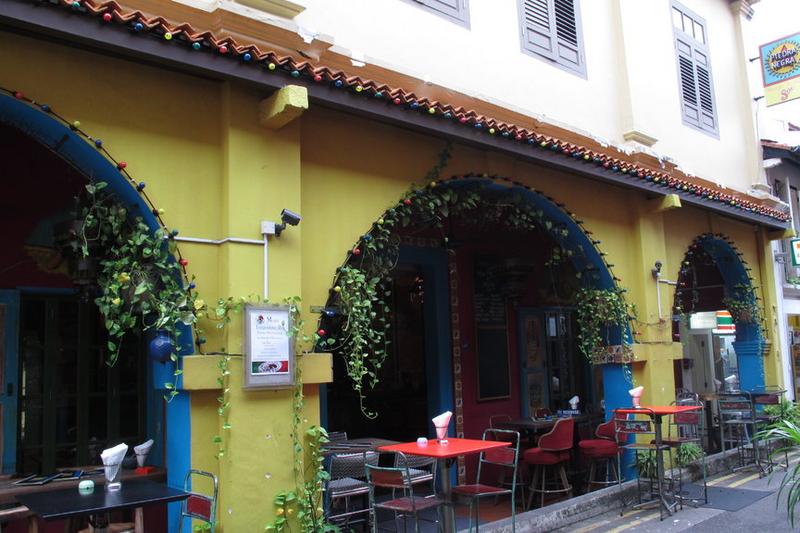
Haji Lane is located in Kampong Glam, Singapore. It is a tranquil alley with many unique small shops that are worth exploring. In the past, this lane was an empty street with pre-war buildings on both sides. Today, the influx of local designers and young entrepreneurs has brought new vitality to this old lane. Many designers and entrepreneurs have opened personalized boutique fashion stores here, specializing in selling various fashionable accessories and items with a Singaporean local flavor.
1
km
4
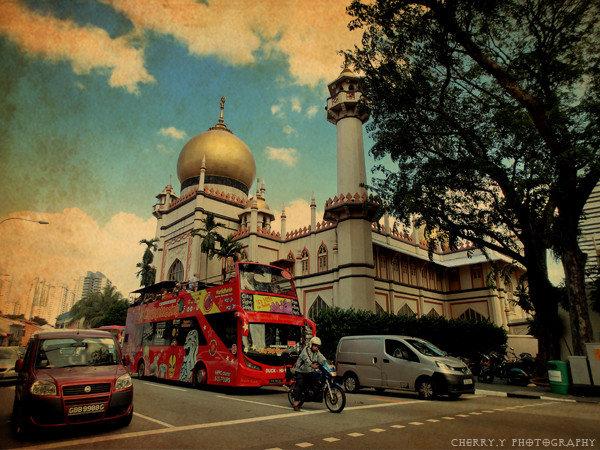
Sultan Mosque is one of the famous mosques in Singapore, built in the early 18th century. This historic building was declared a national monument of Singapore on March 14, 1975. Sultan Mosque is located at the end of Bussorah Street, which offers the best view of the architecture. Bussorah Street is a popular tourist destination for locals and visitors, as it is home to many cafes, antique shops, and traditional clothing stores.
2
km
5
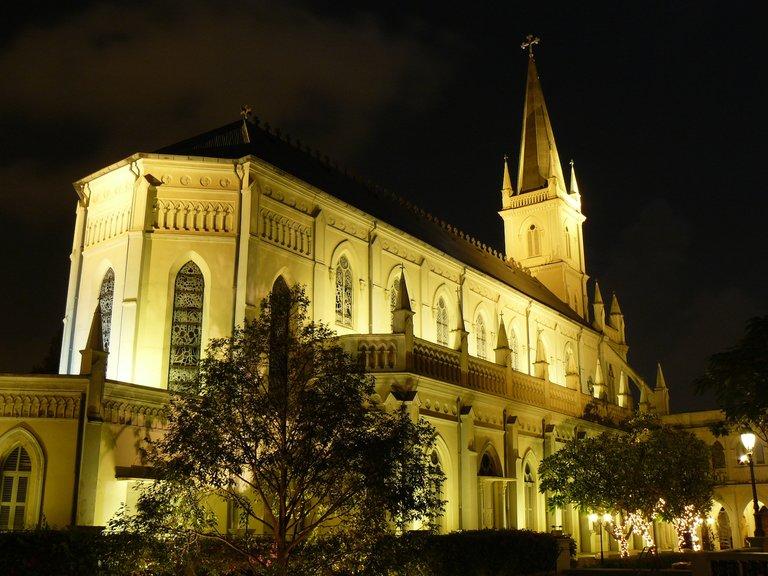
One of Singapore's important historical landmarks, Chijmes, formerly known as the Convent of the Holy Infant Jesus, is a beautiful venue that was once an old church. It is located next to the Raffles Hotel and exudes a London Covent Garden countryside atmosphere. There are various restaurants, shops, and entertainment venues here. The exquisite Gothic architecture attracts a large number of photography enthusiasts. Every year, it also hosts musicals, solo concerts, and other theatrical performances. As one of the few remaining female monasteries in the world, climbing up the steps and entering here is like traveling back in time to ancient times.
1
km
6
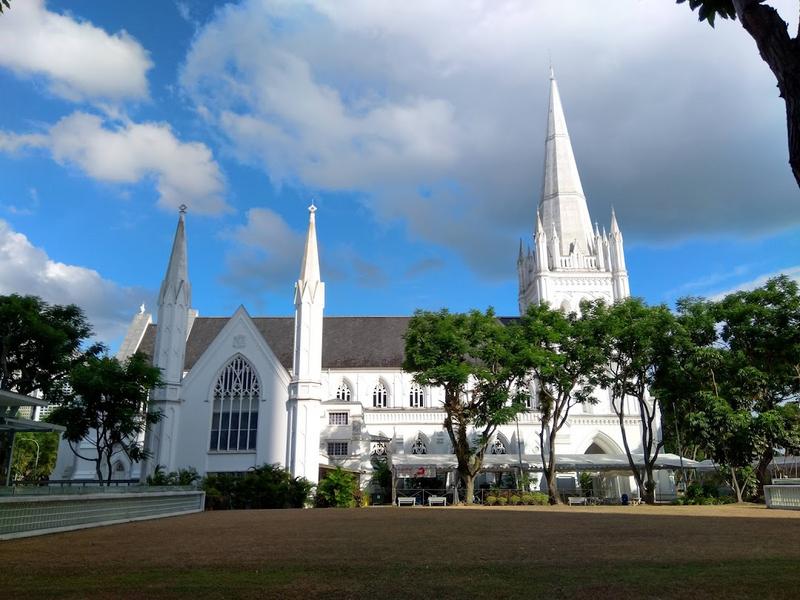
This expansive cathedral offers complimentary guided tours of its sanctuary in early Gothic style.
1
km
7
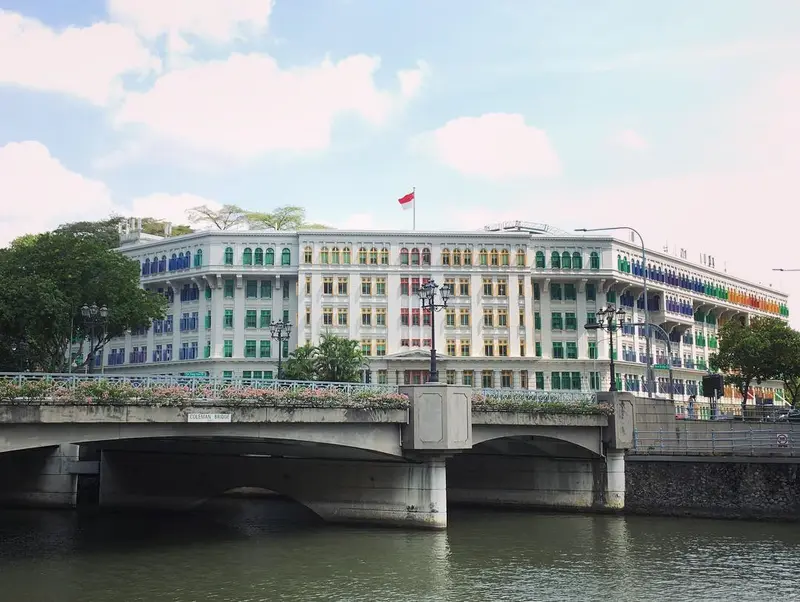
The Old Hill Street Police Station was built in 1934 and served as both a police station and barracks. At the time, it was the largest government building and was considered a modern skyscraper. In 1998, it was declared a national monument and became the office location for the Ministry of Information, Communications and the Arts (now the Ministry of Communications and Information). Since 2000, the building has been renamed the Old Hill Street Police Station and houses the Department of Culture, Community, and Youth. Prior to this, it was a public hall that was used as a theater and school. The entire building has 927 vibrant and mesmerizing rainbow-like windows, with the first four floors having the same intensity of colors, showcasing a strong sense of vitality. The colors gradually deepen on the fifth and sixth floors, highlighting the unique charm of the cantilevered terraces. These features greatly impress visitors.
Day3: Singapore
2 attraction(s) ·
6 km
1
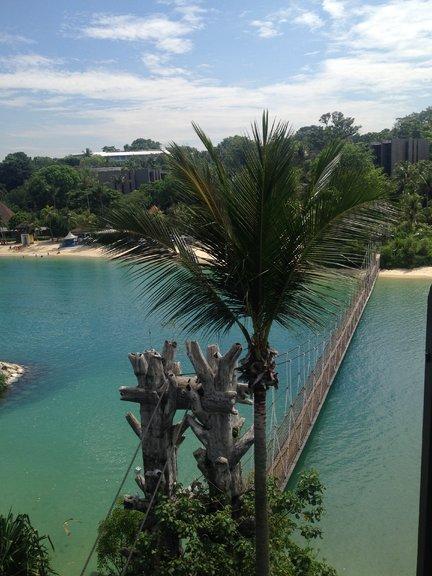
Walking along the suspension bridge, you will arrive at the southernmost and highest beach in Singapore, Palawan Beach, which is located closest to the Equator and has a unique geographical location. This is a great place for family fun, with shops and restaurants catering to a variety of tastes for adults and children, allowing you to enjoy endless fun. Whatever you want to do or play, this is the place for you.
6
km
2
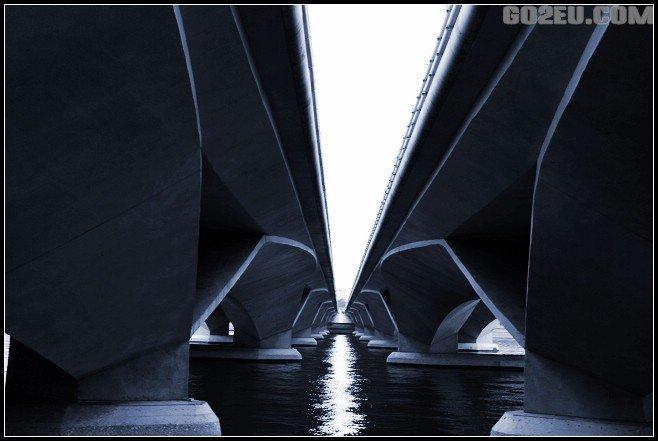
The Singapore River is one of the important rivers in Singapore, with a length of 3 kilometers. It is known as the "lifeblood of Singapore" as early migrant settlers relied on it for their livelihoods. On February 29, 1819, British colonizer Stamford Raffles landed at the mouth of the Singapore River, and gradually the riverbank became the center of commerce in Singapore. There are many famous attractions along the riverbank, such as the Merlion Park, the landing site of Raffles, the Arts House, and religious institutions such as the Omar Mosque. You can also experience the Singapore River Cruise here, with the starting point at the landing site of Raffles, offering guided tours. For more information, please visit www.rivercruise.com.sg.