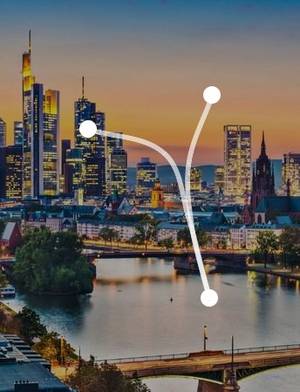
12-Day Self-Driving Tour Across Europe: From FrankFurt To Scenic Lakeside
12 cities |
22 attraction(s) |
total distance 38067
km
 TIPS
TIPS
Day1
Day2
Day3
Day4
Day5
Day6
Day7
Day8
Day9
Day10
Day11
Day12
Day1: Frankfurt
2 attraction(s) ·
1 km
1
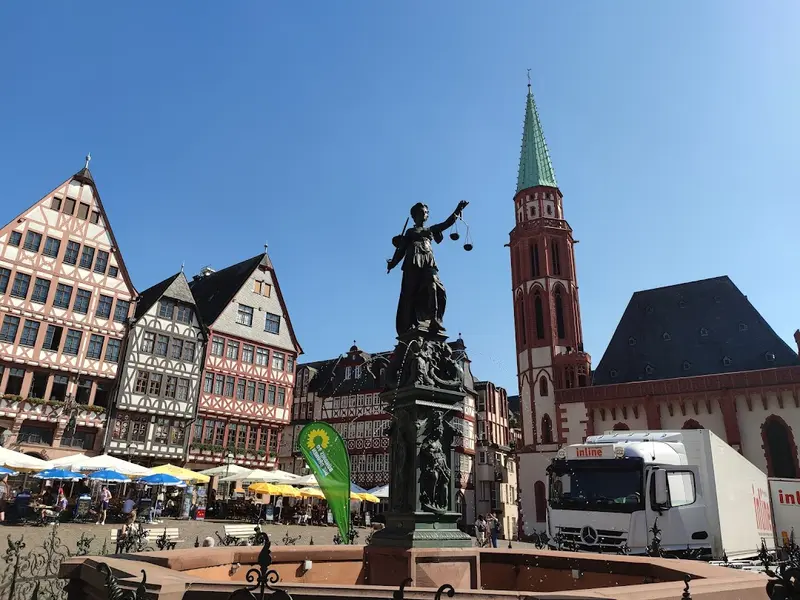
Reconstructed timber houses lining the cobbled town square, also home to a museum & Gothic church.
1
km
2
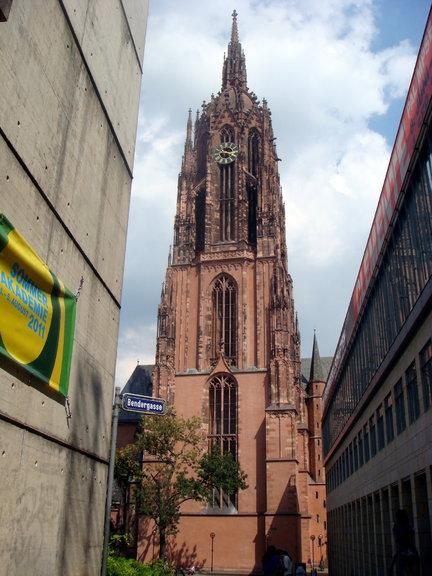
St. Bartholomew's Church is one of the famous historical buildings in Frankfurt, Germany. It was originally built in 1239 dedicated to St. Bartholomew. In 1365, it became the official coronation site for the Holy Roman Empire's elected emperors, a tradition that lasted until the late 18th century. However, a fire in 1867 almost destroyed the entire building, and it was restored in a new Gothic style. During World War II, it was again heavily damaged. The current structure was rebuilt between 1950 and 1953.
In the summer, you can buy an ice cream cone from the shops on the square in front of this historic building and leisurely sit for a while, enjoying the slow-paced European life.
Day2: Heidelberg
2 attraction(s) ·
1 km
1
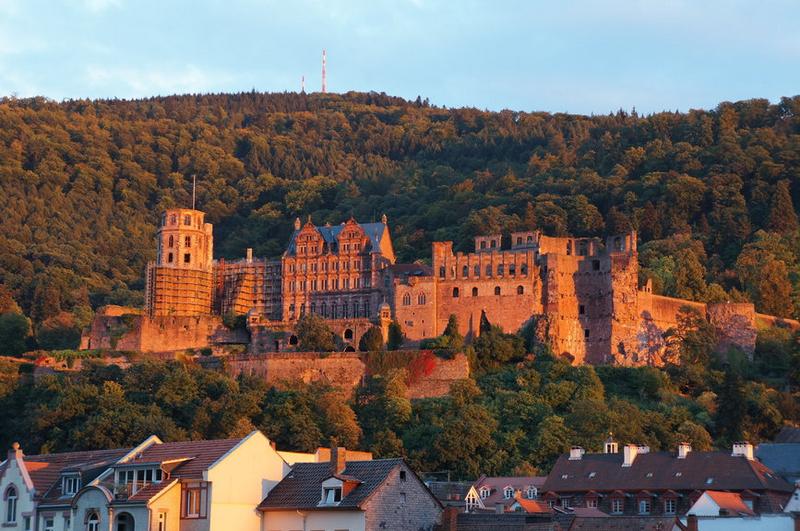
Heidelberg Castle is an ancient building constructed of red sandstone, situated on the green throne of King's Hill, overlooking the old town of Heidelberg and the Neckar River. Built in the 13th century, the castle has undergone multiple lightning strikes and war damages, evolving into its current layout. The most famous attraction within the castle is the world's largest wine barrel, built in 1751, with a capacity of 221,726 liters. The castle also houses a pharmacy museum showcasing centuries-old pharmaceutical practices, as well as a red triumphal arch, which is considered romantic. This triumphal arch was a birthday gift from Friedrich V to his 20-year-old wife in 1615. Although not large in scale, its astonishingly fast construction speed is remarkable.
1
km

Day3: Stuttgart
2 attraction(s) ·
5 km
1
This museum is mainly dedicated to the history of Mercedes-Benz automobiles. You can learn about the development of Mercedes-Benz automobiles in the exhibition.
5
km
2
Translating into English, outputting only the translated content:
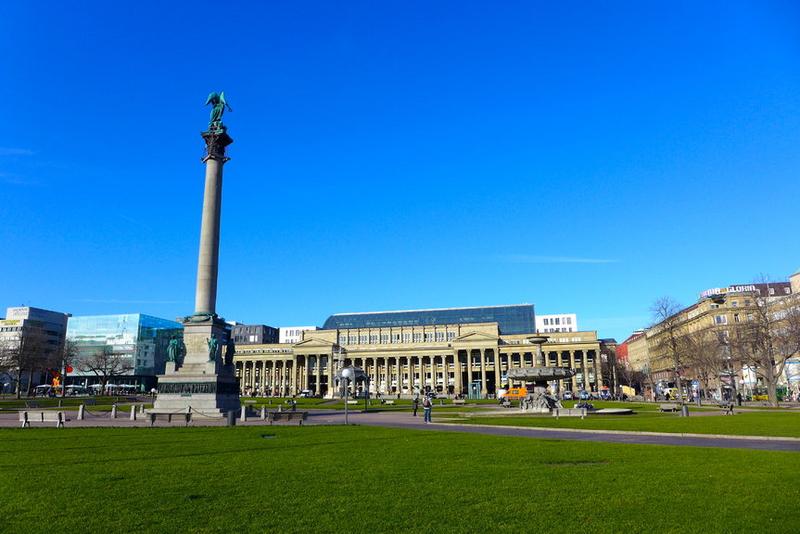
The Palace Square is a historically significant square, dating back to 1350 AD, originally serving as the garden of the Old Palace. Throughout history, the square has undergone several renovations and is now commonly used for various gatherings and festive celebrations.
As an iconic landmark in the city center, the square is home to multiple attractions, including fountains, concert halls, and monuments. Visitors can admire the Baroque style of the New Palace, the Renaissance charm of the Old Palace, as well as the remnants of the medieval Old Court and the modern glass exterior of the Contemporary Art Museum. The square preserves many historical relics, showcasing the local traditional culture and architectural art.
Day4: Munich
1 attraction(s) ·
0 km
1
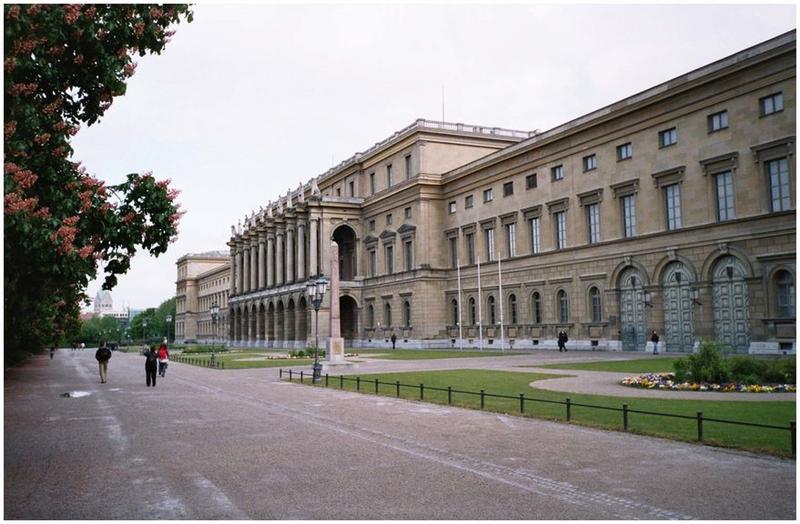
The Wittelsbach Palace in the center of Munich, Germany, was built in 1385 and has gradually expanded over time. It was the residence of the rulers, dukes, and kings of Bavaria until 1918. Today, the palace is open to visitors, showcasing its architecture, interior decorations, and royal collections. The Munich Palace consists of ten courtyards and museums, with 130 exhibition rooms. It is divided into three main parts: the King's Building (Königsbau) near Max-Joseph-Platz, the Old Residence (Alte Residenz) facing the Palace Street, and the Festsaalbau, Altes Residenztheater, and Schatzkammer facing the Palace Garden. The Palace Treasure House exhibits a remarkable collection of gold and silverware, enamel crafts, crystal, ivory products, and more, representing the heritage of royal residences over five centuries. Visitors can also admire the reconstructed King's Suite at the Palace Museum. If you plan to visit multiple attractions, it is recommended to purchase a combination ticket from the Bavarian Palace Department (refer to their website: http://www.schloesser.bayern.de/englisch/palace/objects/jahresk.htm).
Day5: Innsbruck
1 attraction(s) ·
0 km
1
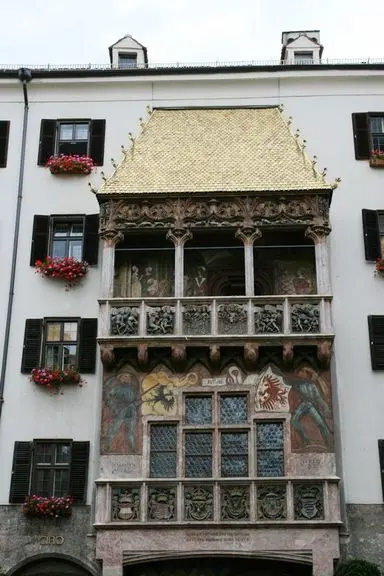
Goldenes Dachl is an old building located at the end of Herzog-Friedrich-Strasse in the old town of Innsbruck, Austria. Built in 1500, it is an example of late Gothic architecture. Originally known as the New Residence, it was constructed to commemorate the engagement of Maximilian I. It was converted by Nikolaus during 1494-1496 from a previously dilapidated arcade into a loggia with Gothic vaulting, providing a vantage point to observe the square below and for watching games and theatrical performances. The loggia of the Goldenes Dachl spans a width of 16 meters, with a roof height of only 3.7 meters, but its roof is covered with 3,450 gilded copper tiles, hence its name. The eaves are adorned with ornate animal figures, and the columns are decorated with intricate reliefs, including statues of Emperor Maximilian I and his wife. The façade features the coats of arms of Austria and Hungary, the double-headed eagle and the king's eagle, as well as the coats of arms of Burgundy and Milan, Styria and Tyrol. The wall paintings on the Goldenes Dachl depict two guards carrying the flags of the Holy Roman Empire and Tyrol, and the original is preserved in the Tyrolean State Museum.
Day6: Innsbruck > Venice
4 attraction(s) ·
27538 km

3
8119
km
Day7: Mestre > Florence
4 attraction(s) ·
205 km
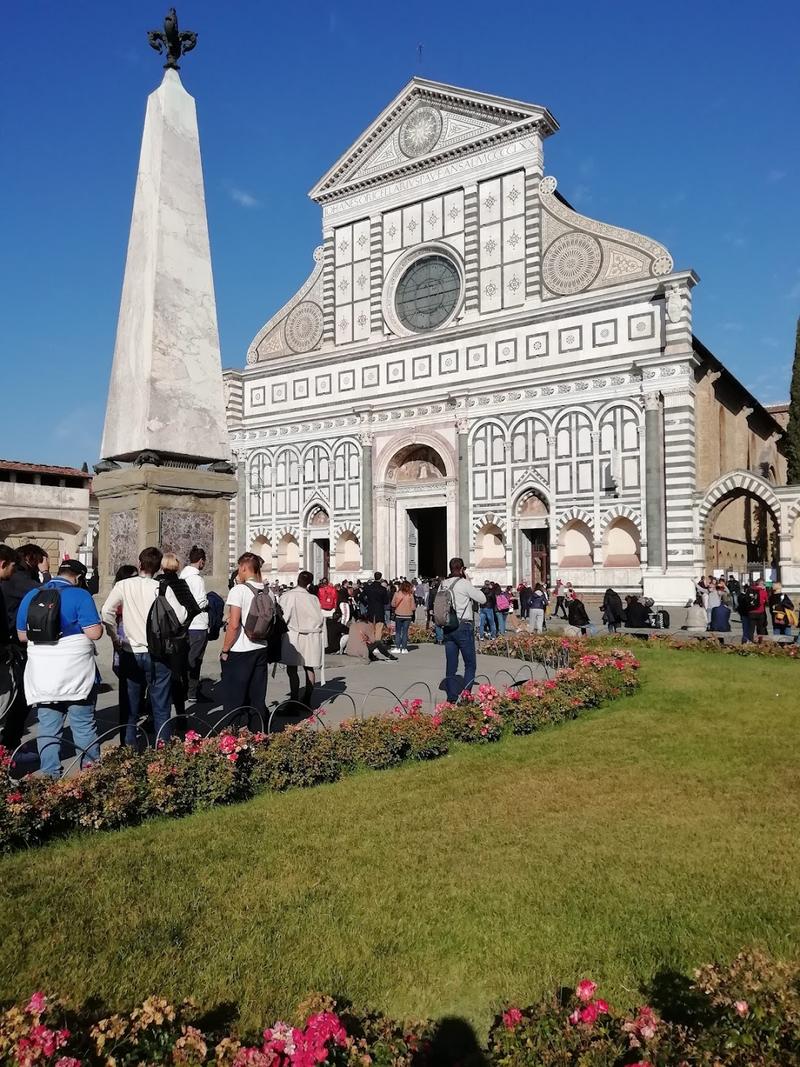
3
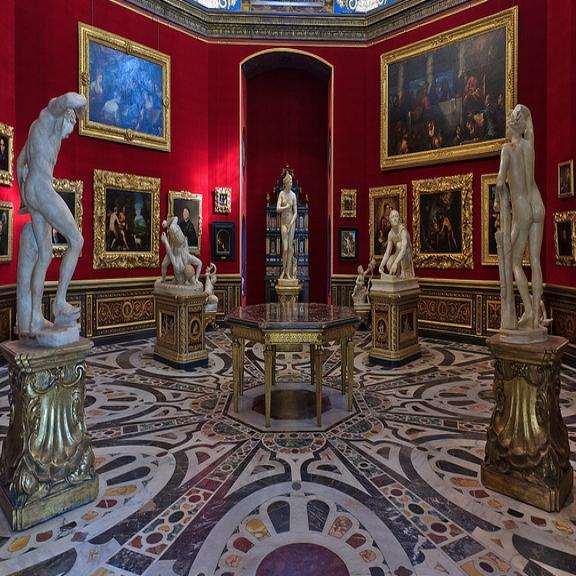
One of Italy's most important art museums, the Uffizi Gallery is also one of the most important art museums in Europe. It displays the richest and most precious treasures left by the Medici family, who funded Renaissance artists such as Leonardo da Vinci, Michelangelo, and Donatello, hence the rich collection of their artworks. The museum has over 100,000 exhibits divided into 46 halls, each of which is worth visiting. However, if time is limited, it is best to visit a few key exhibition halls. The most famous exhibits at the Uffizi Gallery include Botticelli's "Primavera" and "The Birth of Venus," Leonardo da Vinci's "The Adoration of the Magi," as well as Michelangelo's "The Holy Family" and Titian's "Venus of Urbino." The name "Uffizi" means "offices" in Italian, and this was once the Medici family's office. Later, the family descendants donated all their collections to the government, making it a public art museum. Today, the museum mainly displays paintings, while other sculptures are housed in the Bargello Museum. If travelling during peak season (May to September), it is best to book online in advance and arrive early, otherwise the queues will be very long.
1
km
4
Day8: Rome
2 attraction(s) ·
2 km
1
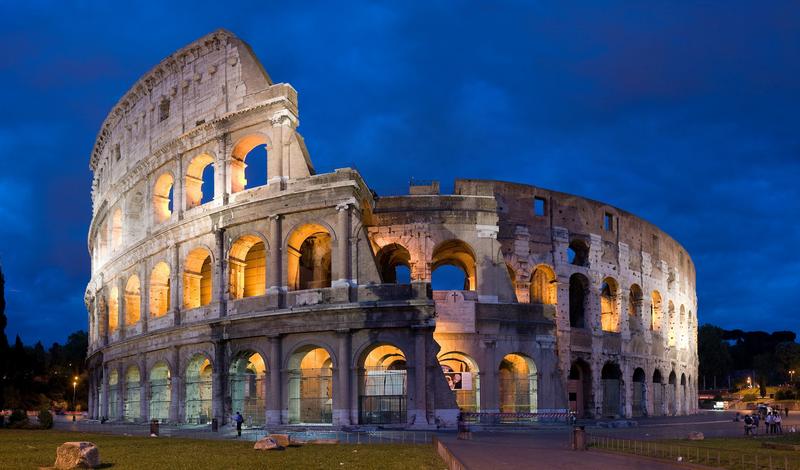
The Colosseum is one of the most famous buildings of ancient Rome and the largest circular amphitheater of the empire. Built between 72 AD and 82 AD on the site of Nero's Golden House, it could accommodate up to 50,000 people. The Colosseum was commissioned by Emperor Vespasian and completed under his son Titus, with later renovations by Domitian. It served as a venue for animal hunts and gladiator games until 523 AD. According to Cassius Dio, the opening ceremonies lasted 100 days and 11,000 animals were killed. Earthquakes in 442 AD and 508 AD caused severe damage to the structure, and it was further destroyed during the Middle Ages and used as a fortress. In the 15th century, the Vatican began protecting the Colosseum as a holy site due to early Christian martyrs who were said to have been killed there. The design of the Colosseum was based on Greek theaters, but with the addition of arches, spectators' seats were built on top to form a circular amphitheater. There were also canopies suspended by cables to shade spectators and aid ventilation. Under the arena were various tunnels and chambers for storing props, animals, and gladiators, which could be lifted onto the stage during performances. The Colosseum even had a water channel to create a lake for naval battles.
2
km
2
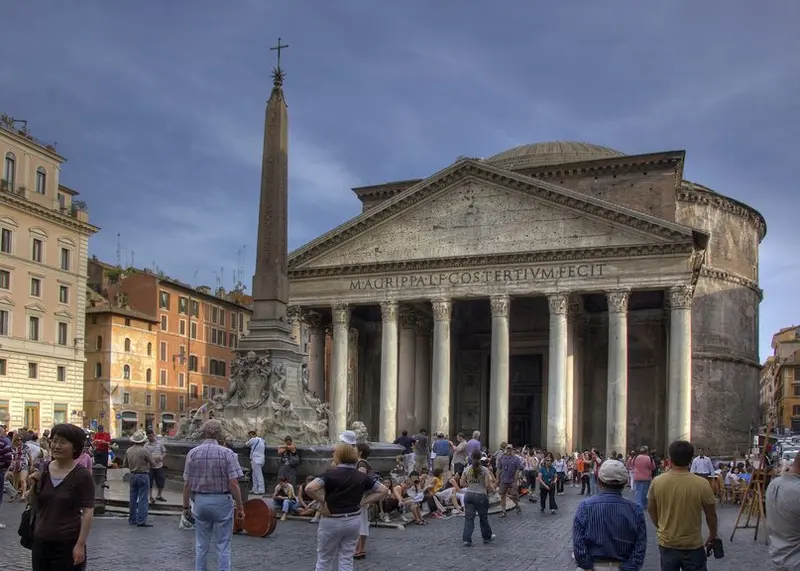
The Pantheon, located in Rome, is a religious building from ancient Roman times which was later converted into a church known as the Church of Santa Maria ad Martyres. The Pantheon was initially built in 27 BC to commemorate the victory of Octavian over Antony and Cleopatra. However, the original temple was destroyed by fire in 80 AD and was not rebuilt until 125 AD. Inscriptions on the colonnade wrongly attributed the building to the assistant of Octavian, Agrippa, until it was discovered in 1892 that the entire structure was built by Roman Emperor Hadrian. During the Renaissance, the Pantheon became a study point for Italian architects and had a significant influence on western architectural history. The building's structure is simple and circular, topped with a 43.3-meter diameter dome, which was the largest in the world until 1436. The interior of the dome has five tiers of recesses, giving a sense of upward movement. The colonnade of the building is made up of 16 granite columns, each 12.5 meters tall with a base diameter of 1.43 meters. The entire structure of the Pantheon was constructed using poured concrete, with the dome gradually thinning out to reduce the weight. The concrete used by the ancient Romans was a mix of natural volcanic ash from near Naples and various aggregates. The Pantheon is a testament to ancient Roman architecture and has influenced the design of many public buildings. It has also been a burial site for important figures since the Renaissance, including artists Raphael and Annibale Carracci.
Day9: Rome > Naples
2 attraction(s) ·
190 km
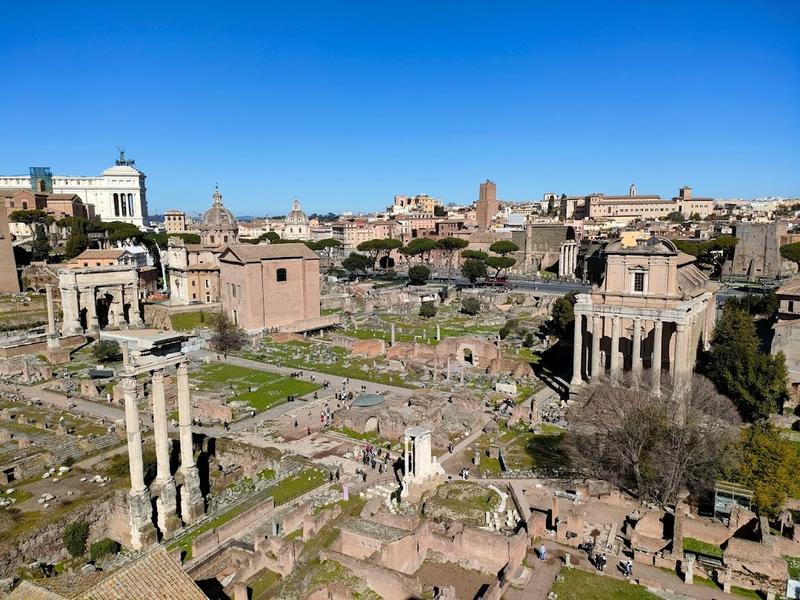

Day10: Milan
1 attraction(s) ·
0 km
1
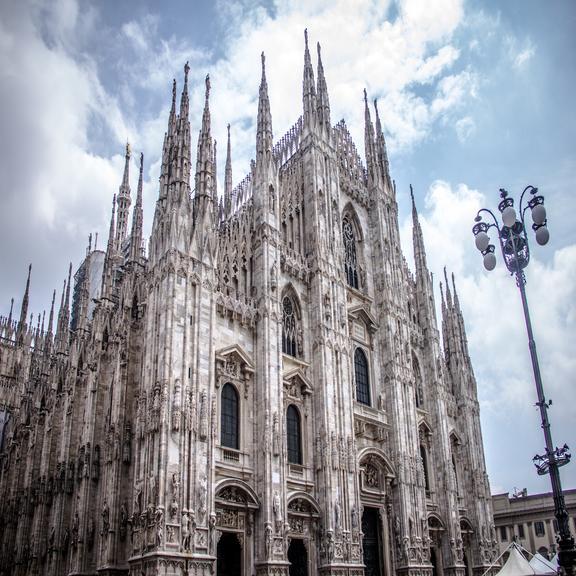
Milan Cathedral, also known as Duomo, is the iconic building in the center of Milan and the city's main cathedral. Construction of the cathedral began in 1386 and took over four centuries to complete, finally reaching completion in 1812. The intricate detailing continued until 1960, when the final bronze doors were installed. Over time, the cathedral has become a combination of multiple styles, with baroque decorations complementing gothic-style spires, creating an extravagantly divine atmosphere from top to bottom. The gilded statue of the Virgin Mary stands guard over the city, while the basement glass coffin inside the cathedral houses the remains of the red-robed archbishop San Carlo Borromeo, who passed away in 1584. In 1805, Napoleon was coronated as King of Italy in the cathedral. However, during World War II, the cathedral's front door was bombed, leaving visible scars to this day.
Day11: Kriens-Luzern
1 attraction(s) ·
0 km
1
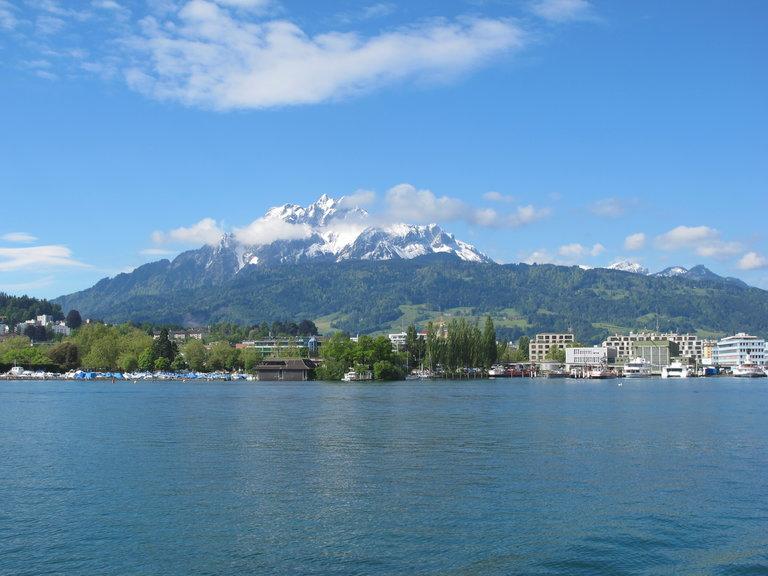
This scenic park is naturally pristine and particularly worth a visit. Its lake is crystal clear and can reflect the spectacular views of the Pilatus mountains and the cityscape of Lucerne. It is truly breathtaking.
Day12: Kriens-Luzern > Frankfurt
2 attraction(s) ·
342 km
1
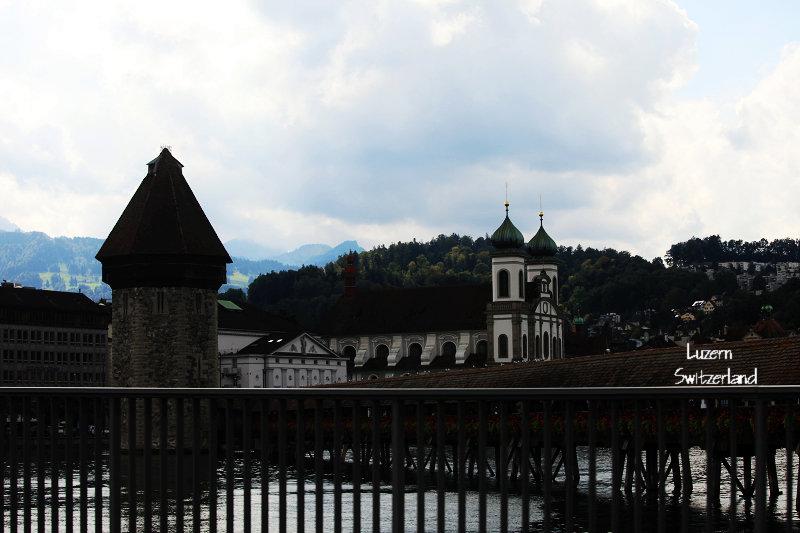
The Jesuit Church overlooking the Louis River and facing the city hall was built from 1666 to 1673 to commemorate St. Franz Xaver. The altar inside the church is decorated with red marble and was completed in 1681. This is the first baroque style religious building in Switzerland, with two striking arch decorations on the exterior walls completed in the mid-18th century. Brother Klaus was the earliest donor to this church and was buried inside after his death.
342
km