Egypt 8-Day Classic Tour
6 cities |
18 attraction(s) |
total distance 2761
km
 TIPS
TIPS
Day1
Day2
Day3
Day4
Day5
Day6
Day7
Day8
Day1: Cairo
2 attraction(s) ·
3 km
1
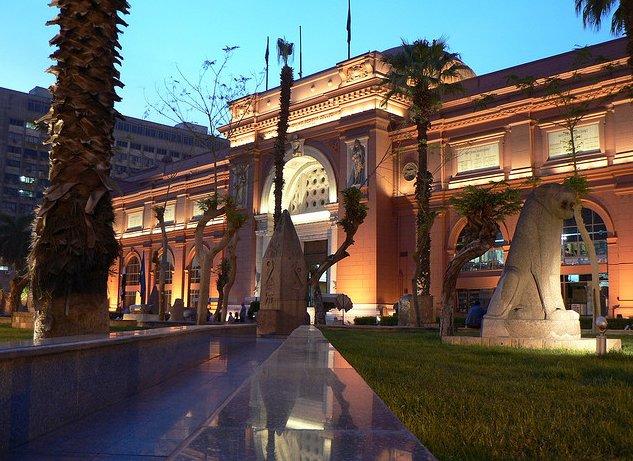
The Egyptian Museum is located next to Liberation Square and was built by the French. It has a rich collection of exhibits, with the most famous being the gold mask of Tutankhamun. Ancient Egyptian culture was completely destroyed after the Arab occupation, resulting in severe loss of artifacts. It was not until the Frenchman Mariette established the museum to help the Egyptians preserve their cultural relics that the loss was halted. The museum is divided into two floors and has over 300,000 items, but only around 60,000 are displayed to the public. The exhibits are mainly made of stone, with the majority being funerary items of Tutankhamun made of gold. Visitors may feel aesthetic fatigue during the exhibition and should allocate enough time for the visit. All the exhibits are authentic, except for a single fake Rosetta Stone, which is housed in the British Museum. The aim of the museum is to hope that the authentic stone can be returned to the homeland and replace the fake one.
3
km
2

Large souk in the bazaar district selling souvenirs & crafts plus jewelry, clothing & spices.
Day2: Cairo
3 attraction(s) ·
3 km
2
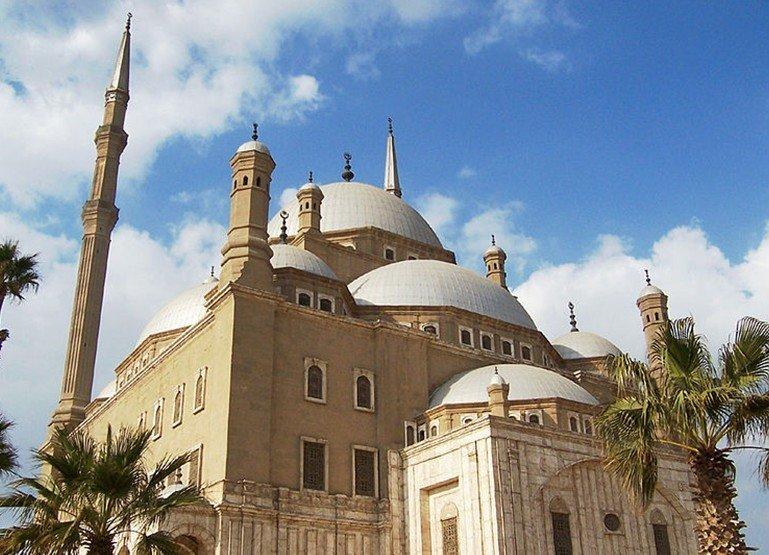
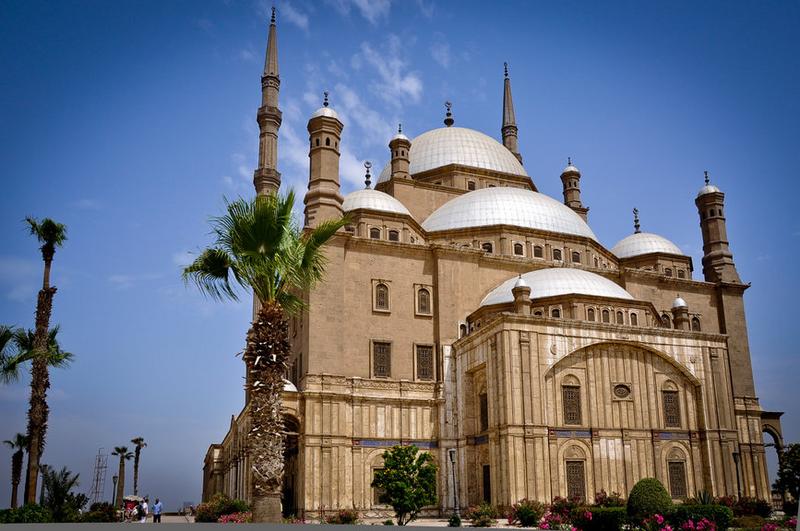
This mosque was built during the Ottoman Empire by Muhammad Ali Pasha in memory of his deceased eldest son. After Muhammad Ali's death, he was also buried here, so the mosque was named after him. This Turkish-style mosque was one of the largest of its kind in the first half of the 19th century. Its towering twin minarets and magnificent overall style make it one of the most impressive buildings in Cairo.
2
km

Day3: Aswan
3 attraction(s) ·
13 km
1
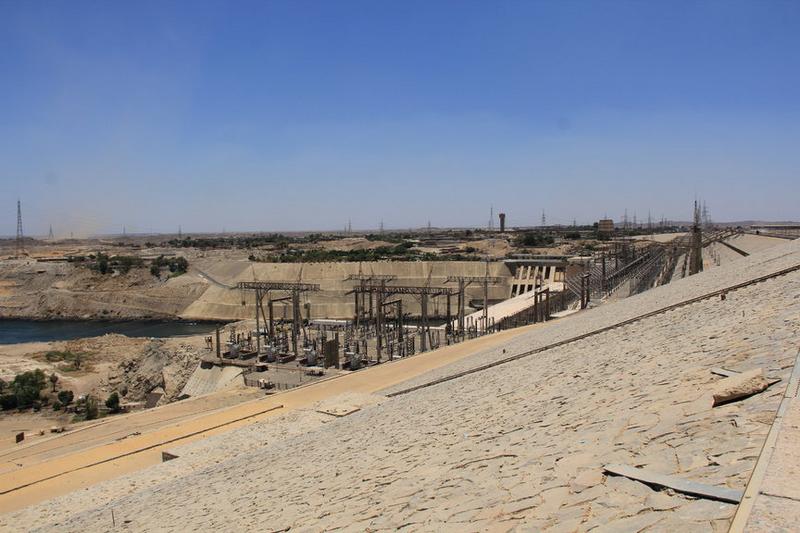
Aswan Dam is a set of dams located below the first cataract of the Nile River in Egypt. It consists of the Aswan Low Dam (also known as the Old Aswan Dam or the Smaller Aswan Dam) and the Aswan High Dam (also known as
7
km
2
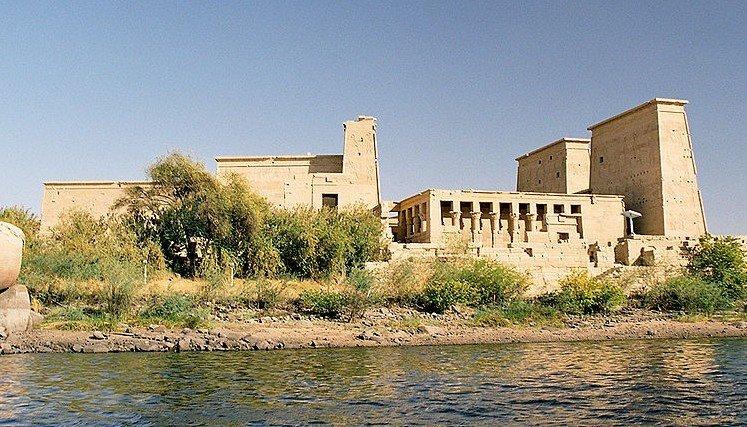
Philae Temple is an ancient structure located on Philae Island in the southern part of Aswan, Egypt. It is dedicated to the goddess Isis and is renowned for its stone carvings and wall reliefs depicting mythical stories. However, in the late 19th century, as the construction of the Old Aswan Dam was completed, the temple began to be submerged. A further Aswan Dam was built in the 1960s, exacerbating the problem. To protect this historical site, the Egyptian government, with the assistance of UNESCO, began construction of a cofferdam around the temple in 1972 to drain the water and subsequently dismantled and relocated the temple to Agilkia Island, over 500 meters away from its original location. The reconstruction was completed in March 1980, and the temple was reopened. Today, Philae Temple remains one of Egypt's most important religious and cultural heritage sites.
6
km
3

Tourists can learn about the historical development of the Nubia region from prehistoric times to the present by visiting the Nubia Museum. The Nubia region refers to the area between the first waterfall of the Nile River in Aswan, Egypt and the fourth waterfall in Wadi Halfa, Sudan. The museum provides a large model of the Nile Valley, allowing visitors to mark the locations of major temples. In addition, the museum showcases the changes in the Nile River through various methods, as well as the migration and impact on archaeological sites during the construction of the Aswan Dam.
Day4: Unorganized in Aswan > Aswan
3 attraction(s) ·
308 km
1

Huge 13th-century BC monument to Ramesses II, one of two temples relocated when Aswan dam was built.
270
km
2

Riverside Ptolemaic-era temple, known for its unique double structure & mummified sacred crocodiles.
38
km

Day5: Luxor
2 attraction(s) ·
2 km
1
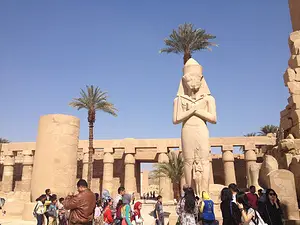
Luxor Temple, located on the banks of the Nile River, is the royal residence of Amun during the Opet Festival. It is renowned for its stunning artwork and architecture, making it one of the masterpieces of ancient Egyptian civilization. Most of the construction was completed by Amenhotep III, while Ramses II added the gates, courtyards, and erected six statues of himself at the entrance (only three remain today). A massive obelisk stands in front of the temple, with one replaced by a clock, while the other still stands tall. Upon entering the temple, visitors are captivated by the double row of columns surrounding the central court, with the northern entrance colonnade being particularly beautiful. Inside the temple are many statues of pharaohs, though most have been damaged or destroyed due to the Christian tradition of defacing the worship of pharaohs. A mosque stands on the front half of the temple's colonnade, dating back to the 19th century when the temple was buried under Nile silt, and locals unknowingly built a mosque on top. The temple takes on a captivating allure at night, especially during the Sound and Light Show performance.
2
km
2
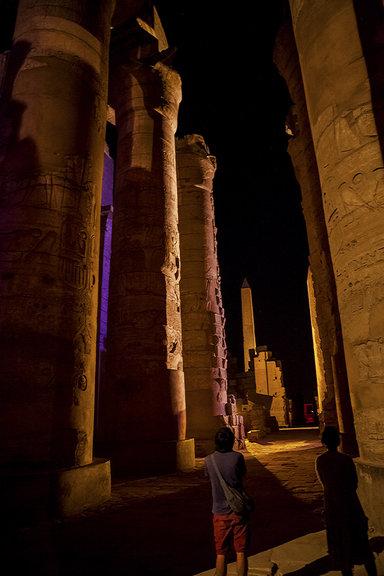
Karnak Temple, located 5 kilometers north of Luxor, is one of the most magnificent temples left by the ancient Egyptian Empire. It covers an area of over 30 hectares, with a large part of it well-preserved. The temple complex consists of three main parts: the Temple of Amun, dedicated to the sun god Amun; the Temple of Mut, dedicated to the war goddess Mut, wife of Amun; and the Montu Temple, with a processional avenue adorned with sphinxes leading to the Luxor Temple. The complex contains over 20 temples, the most notable of which are the colossal gateway measuring 44 meters high and 131 meters wide, and the Great Hypostyle Hall measuring 102 meters wide and 53 meters deep. The hall features 134 massive columns, with the largest 12 columns reaching a height of 23 meters and a circumference of 15 meters, capable of accommodating 50 people standing on top. Visitors can also enjoy a spectacular sound and light show in the evening, where colorful lights illuminate the temple ruins while accompanied by narration and music, providing a deeper understanding of the daily life of the ancient Egyptians.
Day6: Luxor
3 attraction(s) ·
6 km
1
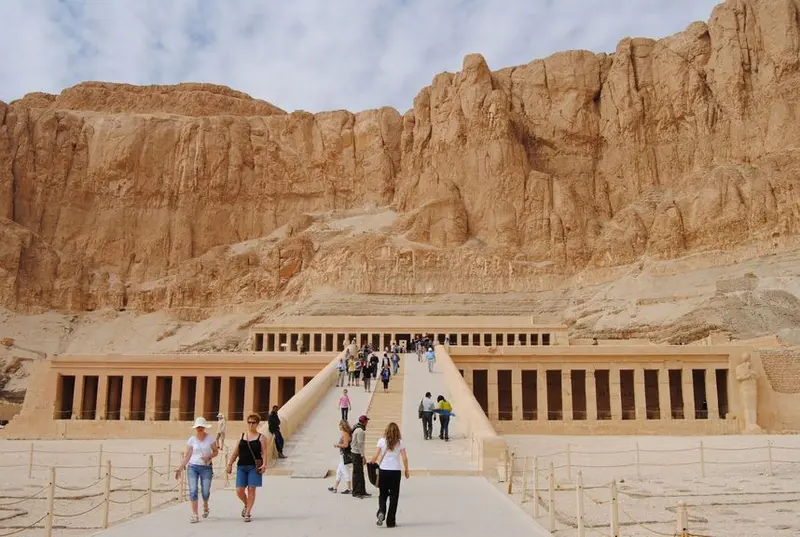
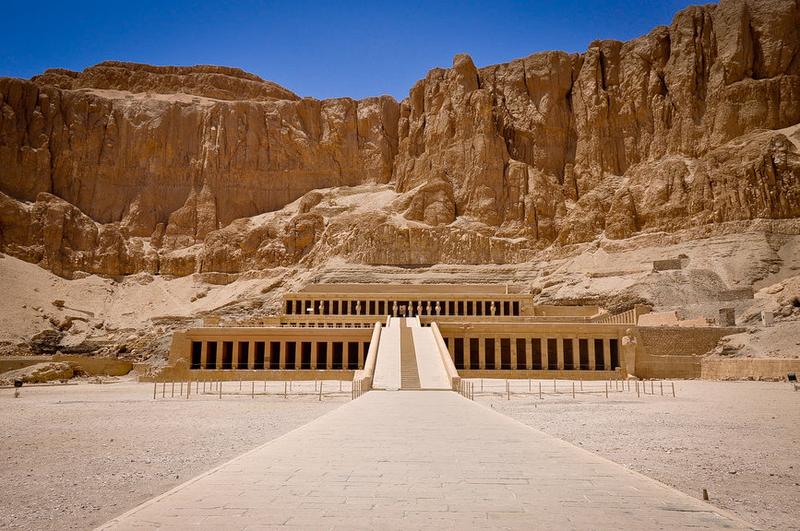
Hatshepsut, the first female pharaoh of ancient Egypt, built a temple located north of the Valley of the Kings. It was designed in a modern and minimalist style. She was the only daughter of a pharaoh and married her brother. After her husband's death, she seized the throne from her stepson and declared herself king. However, after her death, her stepson reclaimed the throne and spent a great deal of effort and time destroying her palaces and erasing all historical materials about her. The name Hatshepsut means "the most respected" in ancient Egyptian. She was the pharaoh of the 18th dynasty, reigning from around 1479 BC to 1458 BC. Her temple is located in the central part of the Deir el-Bahari necropolis on the west bank of the Nile River, carved into the side of a mountain, and is truly magnificent.
2
km
2

Pair of huge Egyptian statue figures, the only remains of the ancient temple of King Amenhotep III.
4
km
3

The Luxor Museum is located between Luxor and the Karnak Temple, showcasing a large collection of artifacts from the late Mamaluca Dynasty. The majority of these artifacts come from the Temple of Deir el-Bahari, displaying the cultural and artistic achievements of this period.
Day7: Cairo > Hurghada
2 attraction(s) ·
409 km

Day8: Cairo
1 attraction(s) ·
0 km