Explore Osaka and Kyoto in 3 Days
2 cities |
6 attraction(s) |
total distance 67
km
 TIPS
TIPS
Day1
Day2
Day3
Day1: Osaka
2 attraction(s) ·
3 km
1
どうとんぼり
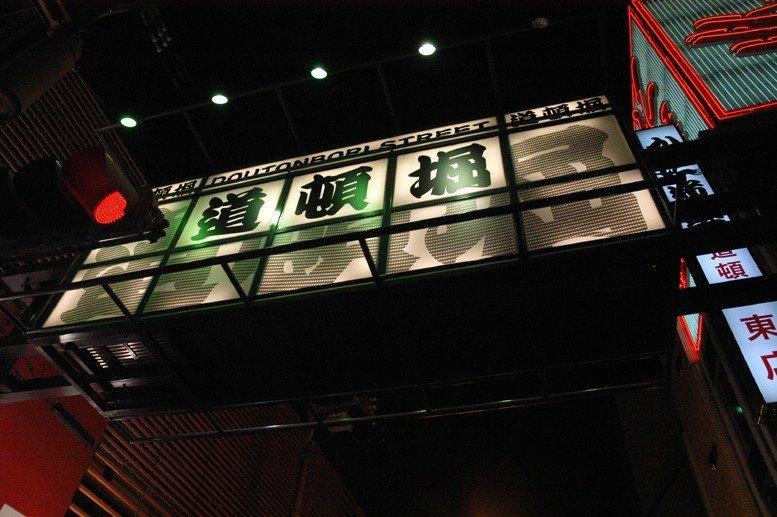
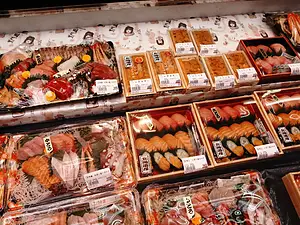
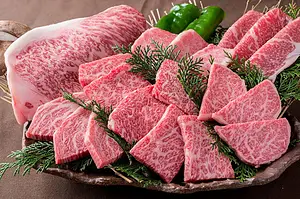
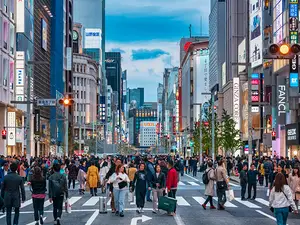
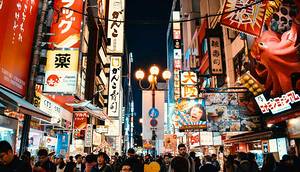
Dotonbori is Osaka's most bustling district and also the local food center. It is the birthplace of Osaka's food culture and attracts many travelers who come to taste the cuisine. From takoyaki, teppanyaki, yakiniku, kushikatsu, revolving sushi to fugu cuisine, it covers almost all of Osaka's characteristic cuisine, even inconspicuous small shops can serve delicious food. This longing food culture fully demonstrates the appetite of the people of Osaka, and it's not uncommon to eat until bankrupt.
If you want to recommend a few stores, it is recommended to try the “Kinryu Ramen” with always-long queues in front of the store, the teppanyaki original “Botechu” and the famous store “Konamon Museum”, where you can experience the experience of tasting and making takoyaki. In addition, “Osaka Ohsho” and “Kani Douraku” are also worth trying. The most authentic taste of these two nationally known chains is in their main stores.
In addition to food, you can also visit Hozenji Temple, go to the Matsuzakaza to enjoy Kabuki performances, take a walk along Dotonbori River at night, enjoy the colorful neon lights, and experience the feel of the Edo period.
3
km
2
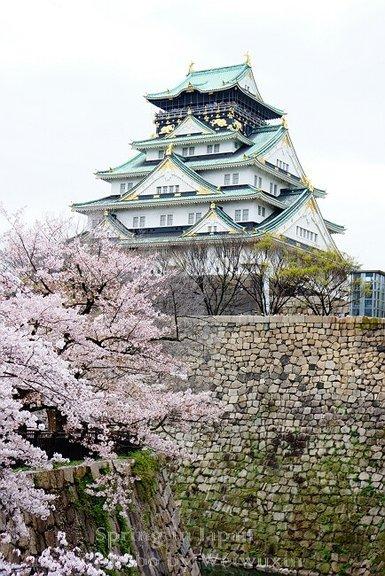
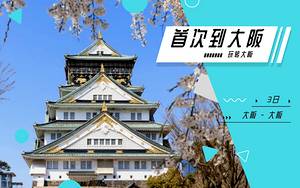
Osaka Castle is a famous scenic spot located in Osaka Castle Park in Chuo Ward, Osaka City, and is one of Japan's three famous castles in history. It was the residence of Toyotomi Hideyoshi during the Momoyama Period, and was therefore also known as the "Golden Castle" or the "Castle of Brocade". After experiencing two battles at Osaka, Tokugawa Ieyasu defeated the Toyotomi family and Osaka Castle became an important stronghold for the Tokugawa shogunate to control western Japan. The fortress and the surrounding town of Osaka Castle have a total length of about 7.8 kilometers, which is comparable to the size of the inner castle of Edo Castle in its early period. In the late Edo period, including the outer castle town, the circumference was about 15.8 kilometers, similar in size to the Old Shanghai County City and Suzhou Prefecture.
Day2: Kyoto
2 attraction(s) ·
9 km
1
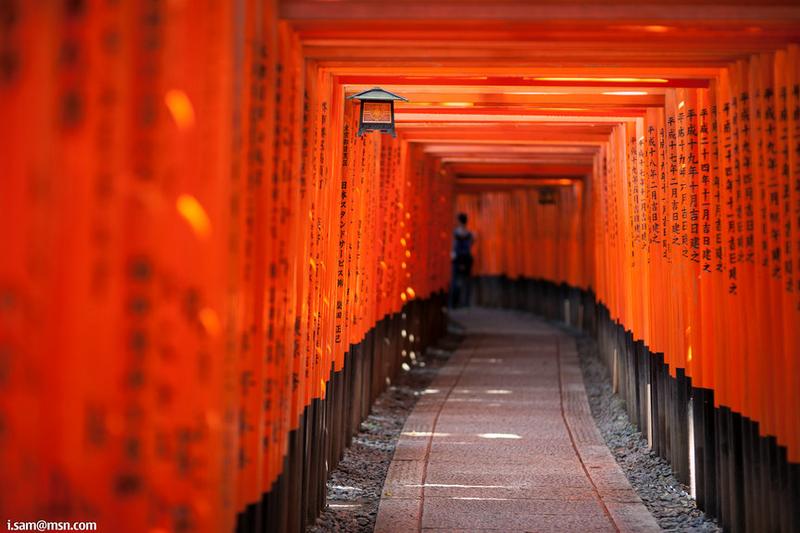
Fushimi Inari Taisha is located at the foot of Mount Inari in the southern part of Kyoto, with a long history. Legend has it that the agricultural deity Inari enshrined here can bless business prosperity and abundant harvest, attracting many pilgrims to worship. Foxes are considered messengers of the gods, so there are many different-shaped fox stone statues and fox-faced prayer plaques, showing people's reverence for foxes. Fushimi Inari Taisha is not only worth visiting for its main building, but also known for its "Senbon Torii" or "Thousand Torii Gates". This path to the mountaintop is lined with hundreds of vermilion-colored torii gates, spanning about 4 kilometers in total. It takes 2-3 hours to walk round trip to the mountaintop. This route is one of the representative landscapes of Kyoto and has appeared in the movie "Memoirs of a Geisha", leaving a deep impression with the scenes featuring the backdrop of the thousand torii gates.
9
km
2
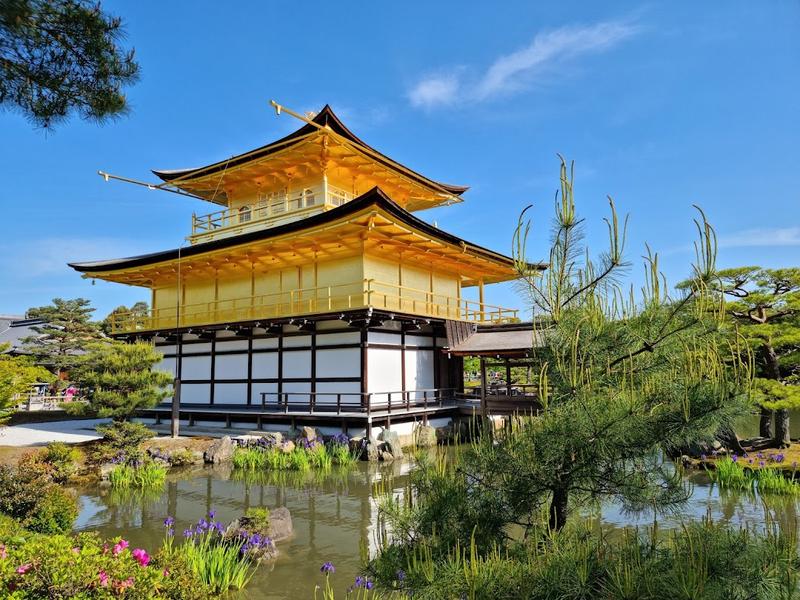
Historic, tranquil temple with a gold-leaf facade set amid landscaped gardens & a reflecting pond.
Day3: Kyoto
2 attraction(s) ·
11 km
1
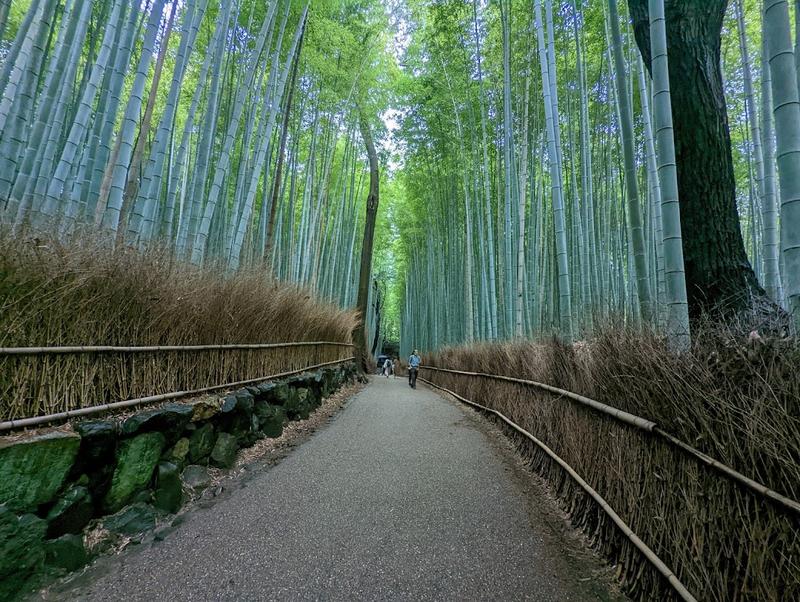
A popular sightseeing path runs uphill through this forest of towering bamboo stalks.
11
km
2
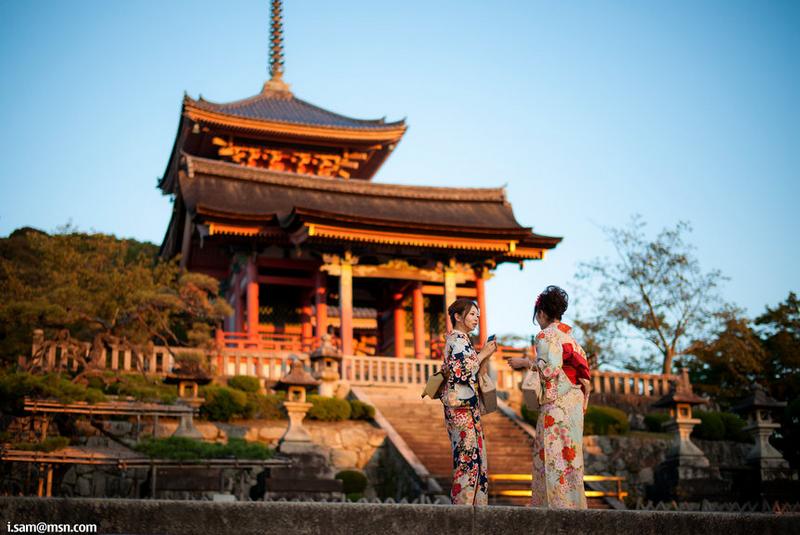
Kiyomizu-dera is a historical temple located on Mount Otowa in the eastern part of Kyoto. It was first built in 778 and has been rebuilt several times, with the current structures mostly dating back to the period between 1631 and 1633. The temple's main hall, Niomon Gate, Western Gate, Three-story Pagoda, and Bell Tower have been designated as national treasures and important cultural properties. The most famous feature of the temple is the Kiyomizu stage, a platform that was built without using a single nail and is located on a cliff, offering a panoramic view of the city of Kyoto. The temple also features the Otowa Waterfall, where three separate streams represent longevity, academic success, and finding love. In addition to the main temple, there are other buildings located throughout the grounds, such as the Three-story Pagoda and Zuigu-do Hall. Visitors can purchase tickets to participate in the "Womb World Walk," a prayer experience that symbolizes being inside the womb of a Bodhisattva. The upcoming "Kanji of the Year" event will take place at Kiyomizu-dera, and the Kyoto Kanji Association considers it a typical representative of Japanese temples. Kiyomizu-dera is designated as a UNESCO World Heritage Site and is considered one of the iconic landmarks of Kyoto due to its lush scenery and long history.