April Adventure Awaits
1 cities |
7 attraction(s) |
total distance 5
km
 TIPS
TIPS
Day1
Day2
Day3
Day4
Day1: Rome
2 attraction(s) ·
1 km
1
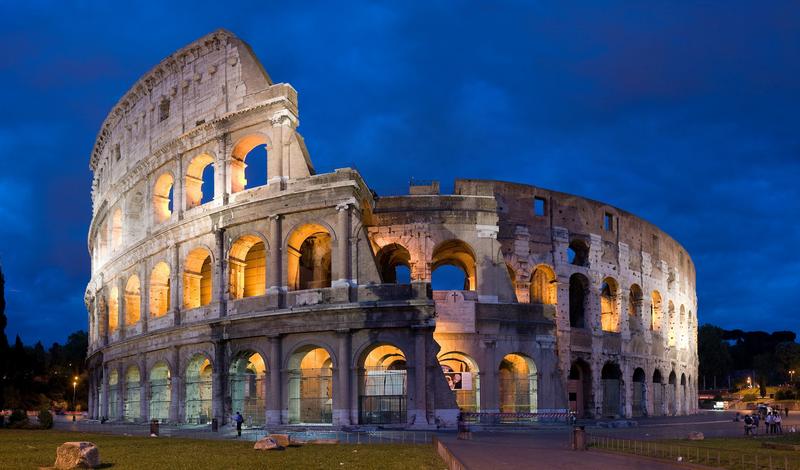
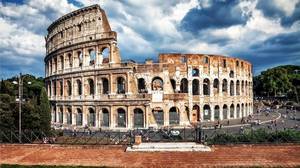
The Colosseum is one of the most famous buildings of ancient Rome and the largest circular amphitheater of the empire. Built between 72 AD and 82 AD on the site of Nero's Golden House, it could accommodate up to 50,000 people. The Colosseum was commissioned by Emperor Vespasian and completed under his son Titus, with later renovations by Domitian. It served as a venue for animal hunts and gladiator games until 523 AD. According to Cassius Dio, the opening ceremonies lasted 100 days and 11,000 animals were killed. Earthquakes in 442 AD and 508 AD caused severe damage to the structure, and it was further destroyed during the Middle Ages and used as a fortress. In the 15th century, the Vatican began protecting the Colosseum as a holy site due to early Christian martyrs who were said to have been killed there. The design of the Colosseum was based on Greek theaters, but with the addition of arches, spectators' seats were built on top to form a circular amphitheater. There were also canopies suspended by cables to shade spectators and aid ventilation. Under the arena were various tunnels and chambers for storing props, animals, and gladiators, which could be lifted onto the stage during performances. The Colosseum even had a water channel to create a lake for naval battles.
1
km
Day2:
0 attraction(s) ·
0 km
Day3: Rome
2 attraction(s) ·
1 km
1
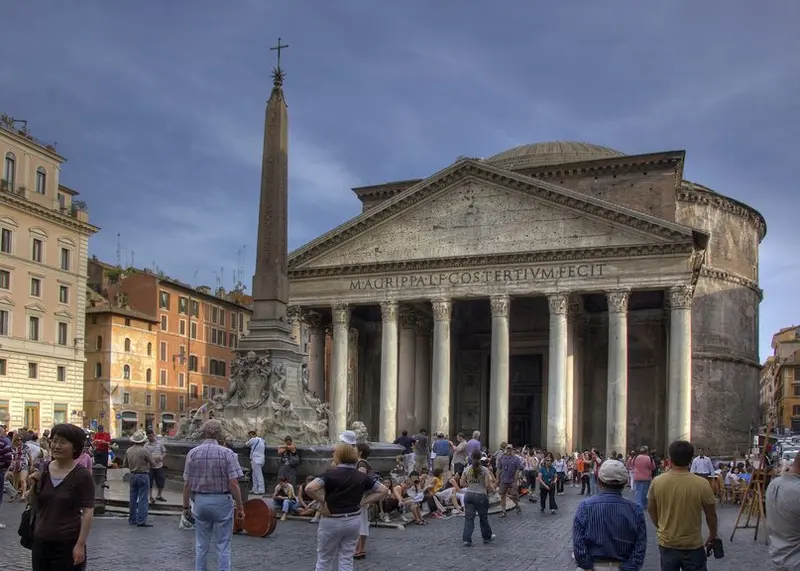
The Pantheon, located in Rome, is a religious building from ancient Roman times which was later converted into a church known as the Church of Santa Maria ad Martyres. The Pantheon was initially built in 27 BC to commemorate the victory of Octavian over Antony and Cleopatra. However, the original temple was destroyed by fire in 80 AD and was not rebuilt until 125 AD. Inscriptions on the colonnade wrongly attributed the building to the assistant of Octavian, Agrippa, until it was discovered in 1892 that the entire structure was built by Roman Emperor Hadrian. During the Renaissance, the Pantheon became a study point for Italian architects and had a significant influence on western architectural history. The building's structure is simple and circular, topped with a 43.3-meter diameter dome, which was the largest in the world until 1436. The interior of the dome has five tiers of recesses, giving a sense of upward movement. The colonnade of the building is made up of 16 granite columns, each 12.5 meters tall with a base diameter of 1.43 meters. The entire structure of the Pantheon was constructed using poured concrete, with the dome gradually thinning out to reduce the weight. The concrete used by the ancient Romans was a mix of natural volcanic ash from near Naples and various aggregates. The Pantheon is a testament to ancient Roman architecture and has influenced the design of many public buildings. It has also been a burial site for important figures since the Renaissance, including artists Raphael and Annibale Carracci.
1
km
2
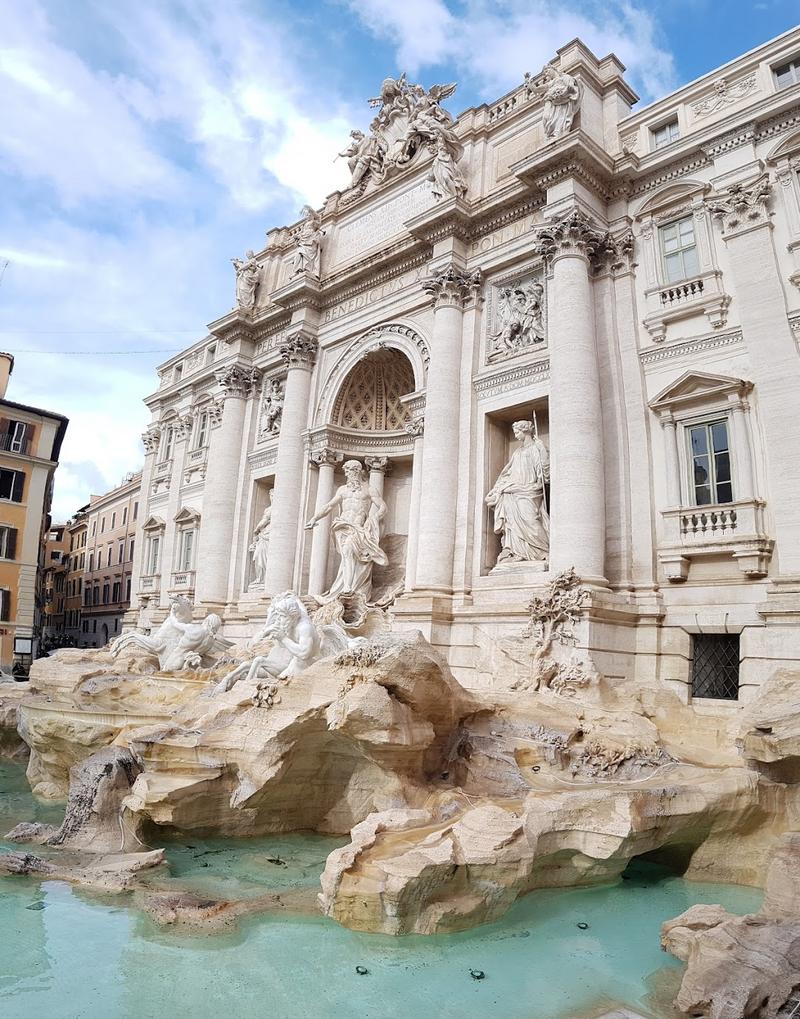
Aqueduct-fed rococo fountain, designed by Nicola Salvi & completed in 1762, with sculpted figures.
Day4: Rome
3 attraction(s) ·
2 km
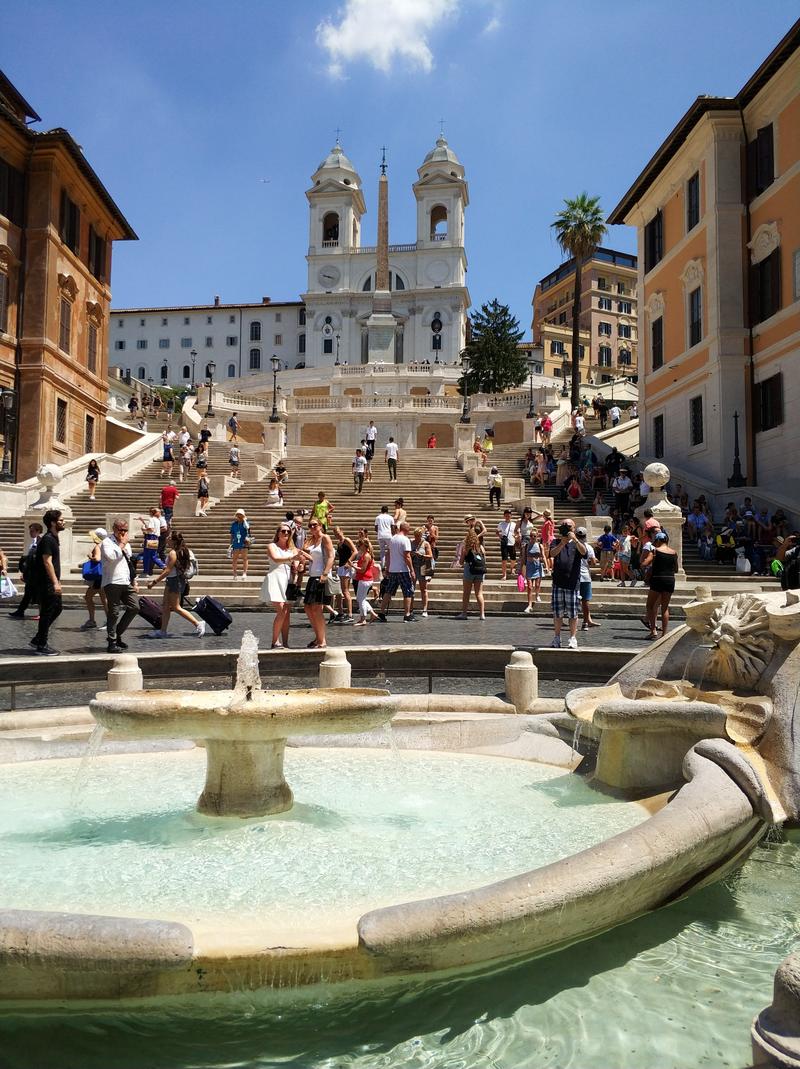
2

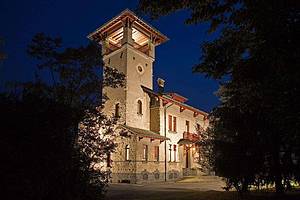
The Borghese Gallery is located in the Borghese Villa in Rome. Originally built in 1613 as the residence of the Borghese family, it was completed in 1616. The gallery mainly houses a collection of outstanding art from the Italian Renaissance and Baroque periods. Since 1903, this building has been the National Gallery of Italy, providing rich cultural experiences for art enthusiasts.
1
km
3
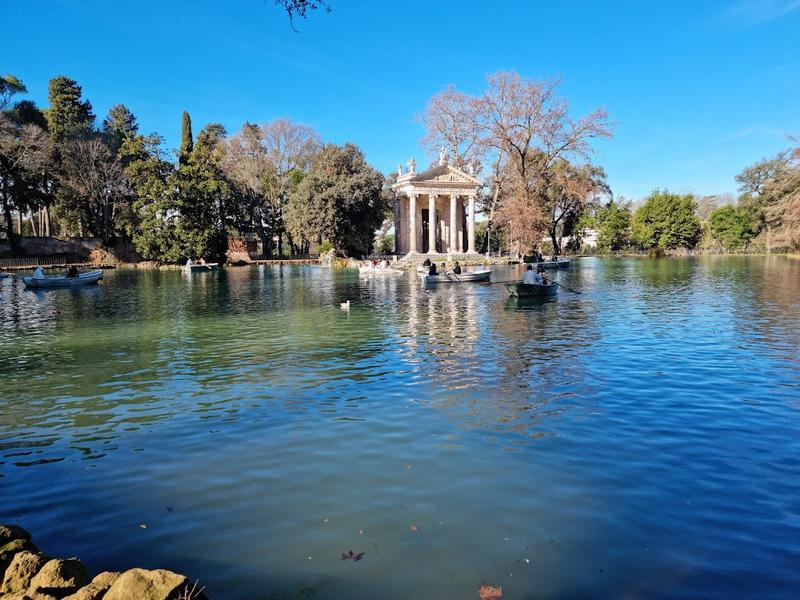
Vast urban park with formally landscaped gardens, a lake & villas now housing important museums.