Exploring Iceland's Beauty: A Tour of Auroras and Glaciers [Under 50 words].
4 cities |
10 attraction(s) |
total distance 712
km
 TIPS
TIPS
Day1
Day2
Day3
Day1: Reykjavik
4 attraction(s) ·
42 km
2
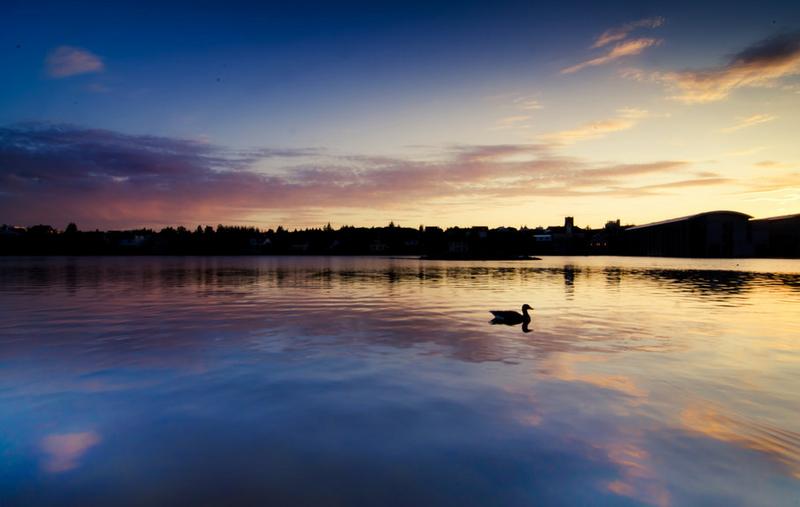
Tjörnin Lake, located in the center of Reykjavik, is not the largest lake in Iceland, but it is the most famous one. When tourists visit Reykjavik, they often come here because it is close to the City Hall, museums, and the University of Iceland. The lake is home to many wildlife, such as ducks, seagulls, and swans. In winter, the lake usually freezes, but geothermal water keeps some areas open for water birds to roam.
2
km
3
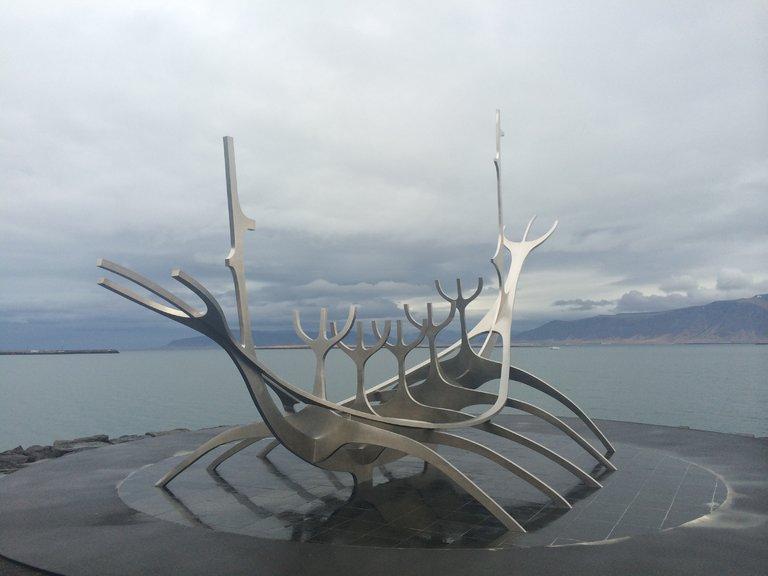
The Sun Voyager is a pirate ship skeleton sculpture located next to the northern coast of Reykjavik. It is an important symbol of this "smoke-free city" and takes the form of a giant insect. The sculptor Arnarson(Jón Gunnar Árnason, 1931-1989) is the author of this work.
40
km
4
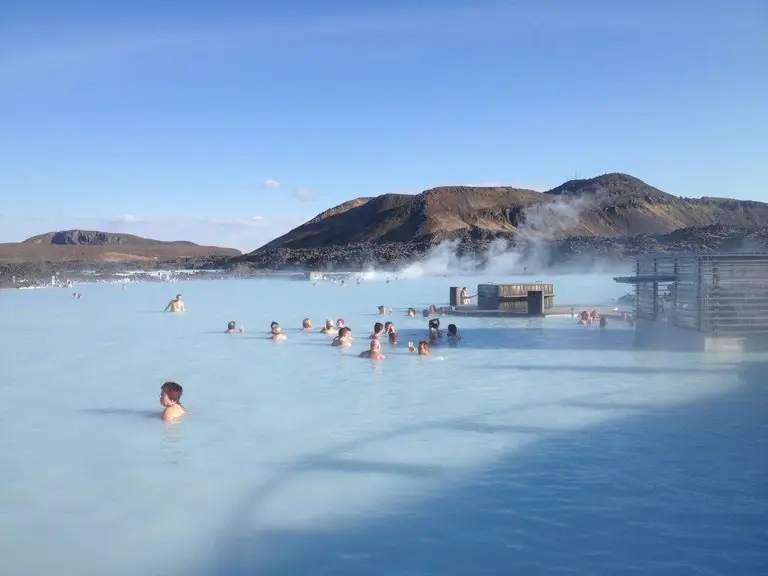
The famous geothermal hot spring in Iceland, Blue Lagoon (also known as Blue Lake), is located on the Reykjanes Peninsula. Formed by volcanic lava, the water temperature is around 37-39℃ and rich in minerals such as silicon and sulfur. Soaking in the hot springs allows one to not only admire the beauty of the aurora borealis, but also to treat skin conditions such as psoriasis. It is approximately 13 kilometers from Keflavík International Airport and only 39 kilometers from the capital city of Reykjavik.
Day2: Reykjavik
3 attraction(s) ·
50 km
1
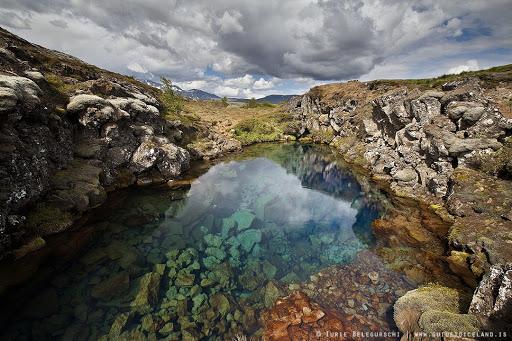
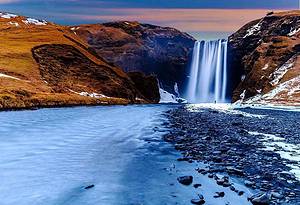
Sinquefield National Park has waterfalls and Parliament Lake. As a photography enthusiast, you can wait here for the best aurora.
41
km
2
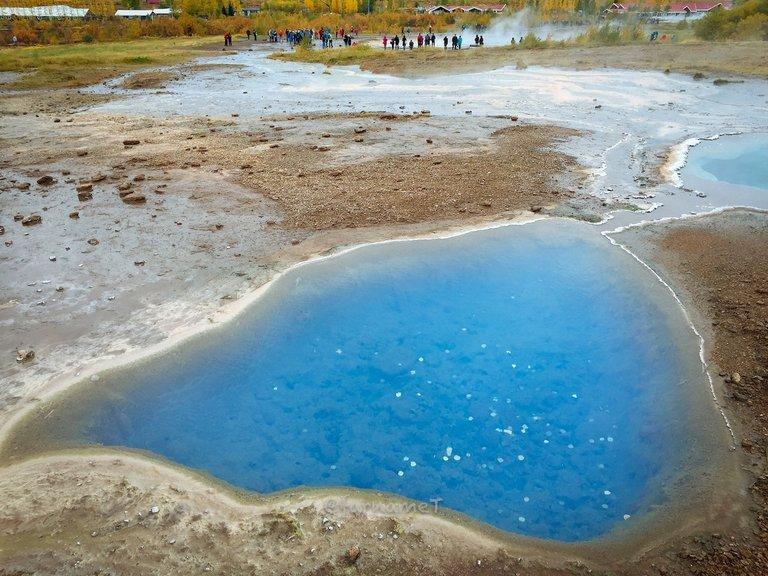
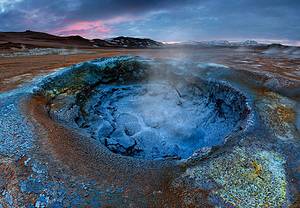
Geyser is one of the famous geysers in Iceland, named for its explosive eruptions. It has the highest water column among all geysers and geothermal springs in Iceland, known worldwide. The entire eruption process can be clearly observed from the vent, especially when the boiling water forms a bowl shape before the eruption, and then the water column turns into steam, shooting up to about 20 meters high, which is very magnificent. In addition, the nearby Strokkur geyser erupts approximately every eight minutes, shooting water columns up to 20 meters high, which is also very spectacular. Geyser is a large circular pool with a diameter of about 18 meters, and in the center of the pool, there is a cave-like opening with a diameter of more than 10 centimeters. The water inside the cave can reach temperatures above 100 degrees Celsius. During each eruption, the water in the cave starts to rumble, gradually boiling, and then it shoots out of the opening, soaring into the sky as a steam column, about 20 meters high. It then splashes down, sparkling like pearls and jade. Each eruption lasts about 1 to 2 minutes and then subsides, repeating this cycle continuously, creating a beautiful and magnificent scenery.
9
km
3
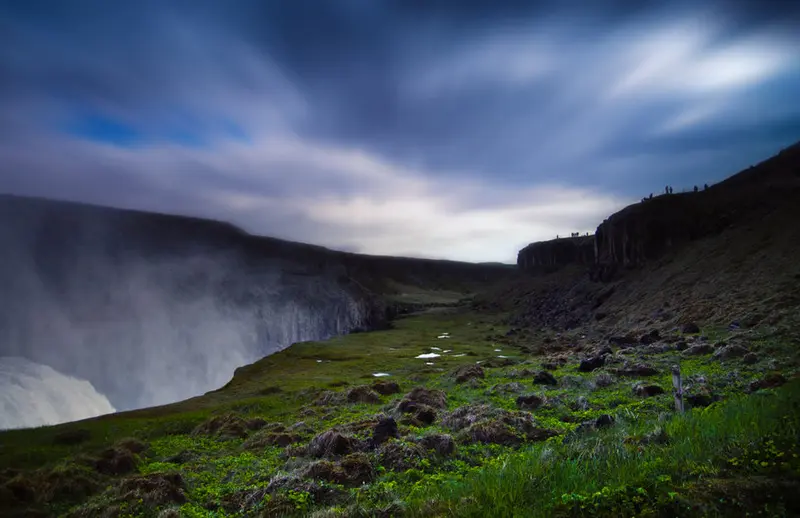
Day3: Vatnajokull National Park > Vik Handelssted > Hofn
3 attraction(s) ·
350 km
1
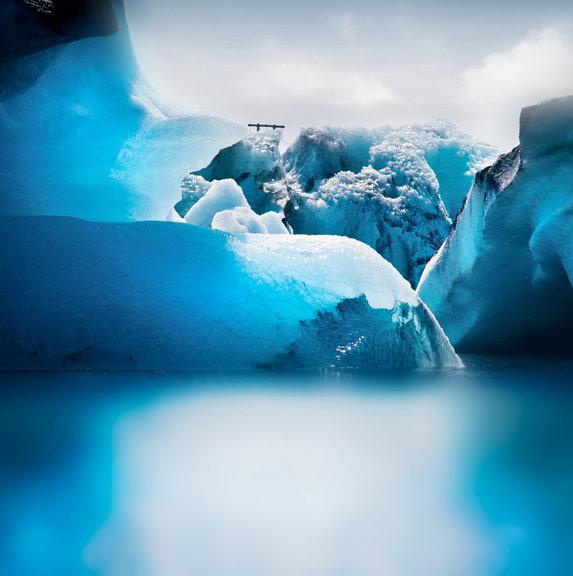
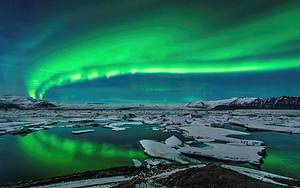
Jökulsárlón, also known as Glacier Lagoon, is one of the largest and most famous lakes in Iceland, located at the southern end of the Vatnajökull glacier. With a depth of up to 200 meters, it is the second deepest lake in Iceland. The lake water is a deep blue and clear, filled with variously-shaped large icebergs. One of the highlights of visiting here is taking a tour on an amphibious boat to admire the floating ice blocks. Many famous movies have been filmed here, including "Tomb Raider", "Batman Begins", and two James Bond movies, "Die Another Day" and "A View to a Kill".
160
km
2
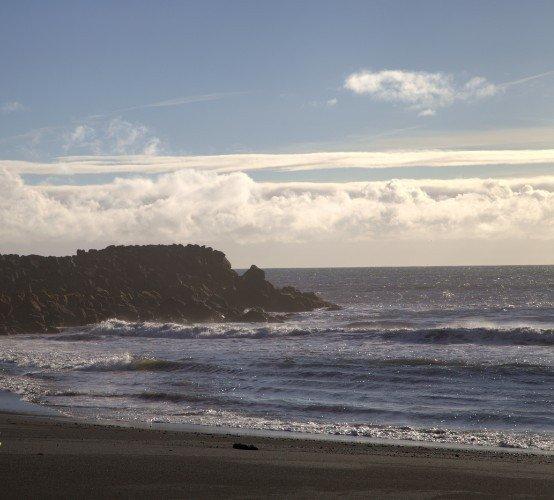
Translated to English:
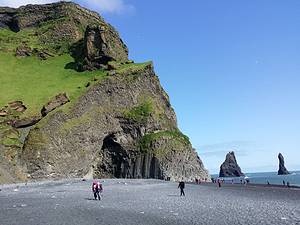
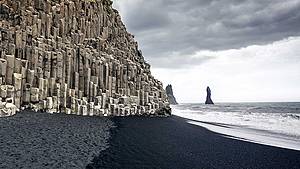
In 1991, the black sand beach of Vik, Iceland, was listed as one of the top ten most beautiful beaches in the world by Islands Magazine. The "sand" of the black beach is formed by volcanic lava and has been shaped by sea winds and waves, turning the basalt into black sand. Among the black sand beaches in Iceland, Vik is uniquely characterized by its peculiar-shaped rocks under the cliffs, a long stone-made seawall extending into the sea, and a lava mountain in the vicinity. These elements add to the mysterious and eerie atmosphere of the beach. Many film and television production crews choose this location to shoot scenes of otherworldly planets. Local legends attribute the black color of the beach to witchcraft, but it is actually a natural phenomenon, and the columnar basalt formations under the cliffs are the result of natural geological processes. When you hold the black sand in your hand and let it slip through your fingers, your hands do not get stained with any black color. The black sand beach is highly-translucent and uniquely beautiful.
190
km
3
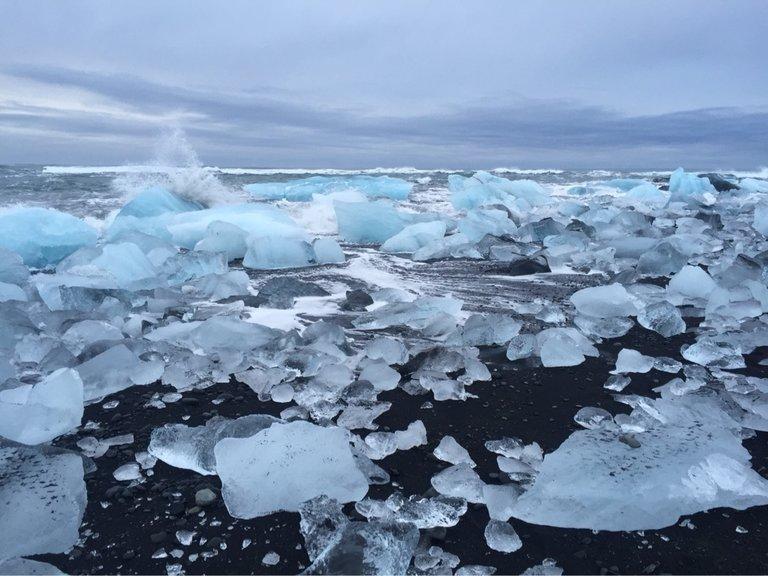
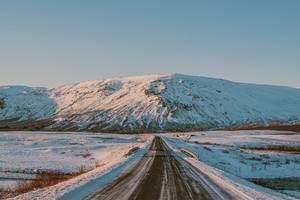
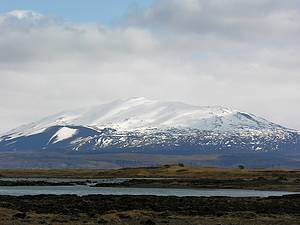
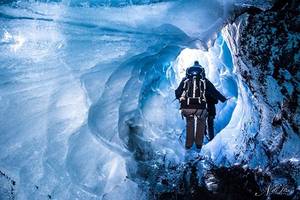
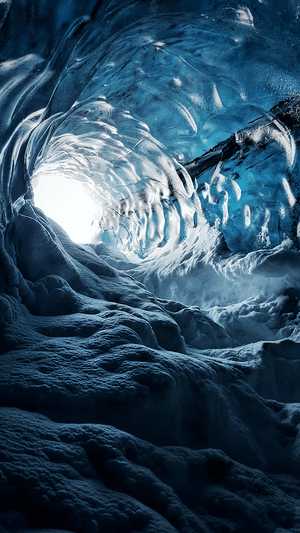
Iceland is known as the "Land of Ice and Fire", and the largest ice cap in the country is Vatnajökull, covering an area of 8,420 square kilometers, which is about one twelfth of the total area of Iceland. What's even more astonishing is that beneath the ice, there are unique volcanic calderas, hot springs, and lava flows.