3 Days in Venice: Water City Island Hopping
1 cities |
9 attraction(s) |
total distance 23
km
 TIPS
TIPS
Day1
Day2
Day3
Day1: Venice
5 attraction(s) ·
2 km
1
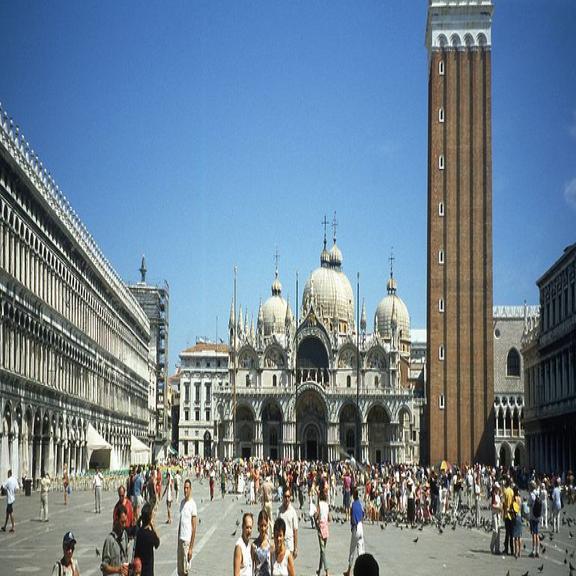
St. Mark's Square is a landmark of Venice, Italy, located in the city center. It is the only square in Venice that is referred to as a "Piazza," while others are referred to as "Campi." St. Mark's Square is unique among European cities because it is located in the city center yet is frequently traversed by relaxed water traffic, free from the noise of vehicles. It has become one of Venice's most iconic landmarks, attracting numerous tourists, photographers, and pigeons. In the 19th century, French Emperor Napoleon praised St. Mark's Square as the "most beautiful drawing room in Europe."
1
km
2
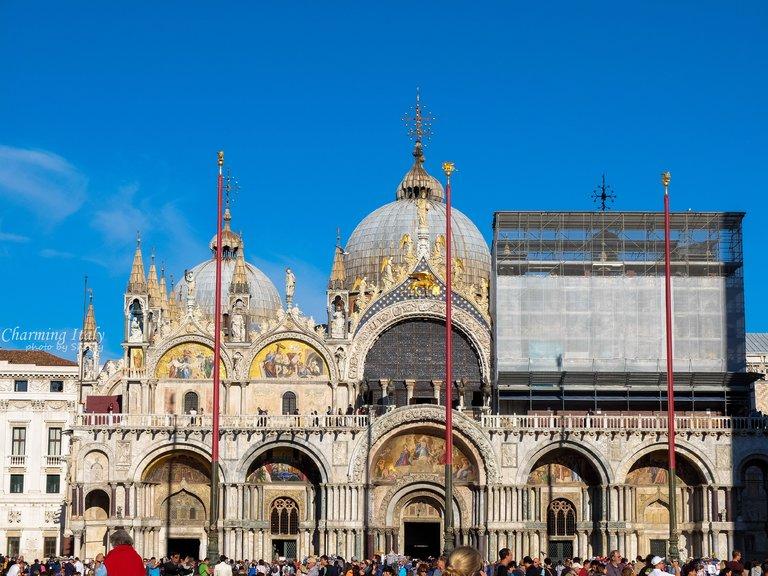
St. Mark's Basilica, located in Venice, Italy, is a famous Catholic cathedral and a papal basilica. It is renowned as one of the world's most famous churches and is known for its Byzantine architectural style. The cathedral serves as the final resting place of St. Mark, the patron saint of Venice, and was once the largest church in medieval Europe. It is also considered a classic example of Venetian architectural art and houses a rich collection of artworks. The church is famous for its Greek cross exterior design and five domes, following the Byzantine style. After multiple renovations, it has become a masterpiece that combines Byzantine, Gothic, Islamic, and Renaissance art. The most famous feature of the cathedral is its mosaic-covered facade, decorated with gold. The interior is also renowned for its golden altar and mosaic decorations. When the sunlight shines on it, the cathedral glows with a golden brilliance, earning it the nickname "Golden Cathedral."
1
km
3

This historic bridge connects the governor's mansion and the prison, and it is named after the prisoners who were sentenced to death and passed over this bridge to meet the executioner.
1
km
4
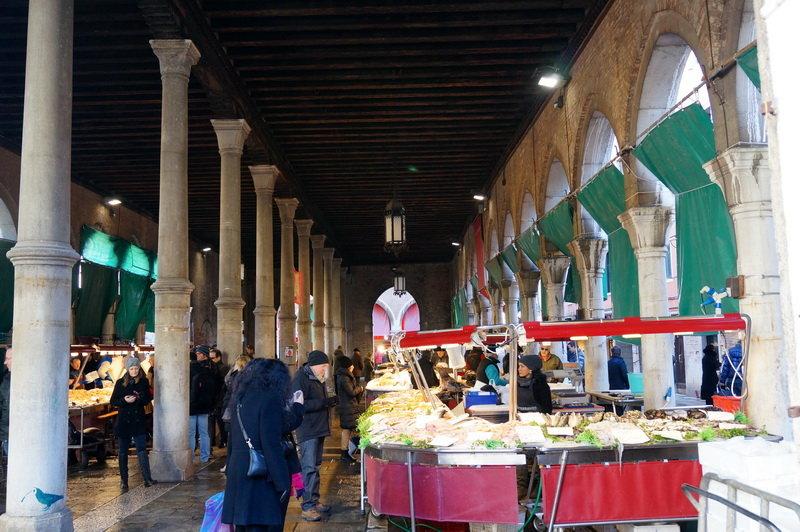
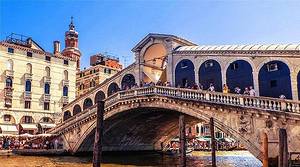
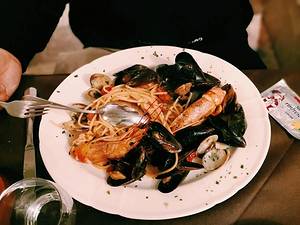
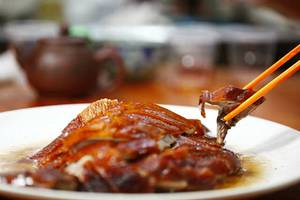
Near the Rialto Bridge, there is a fruit market and a fish market. At the fish market, you can buy all kinds of fresh seafood, while also seeing many seagulls fighting over these delicious foods. Next to the seafood market is a small shop that sells various cooked seafood dishes, but customers must stand to enjoy these delicacies. Although the small shop is popular, it seems to only serve Chinese cuisine.
1
km
5

Day2: Venice
2 attraction(s) ·
6 km
1
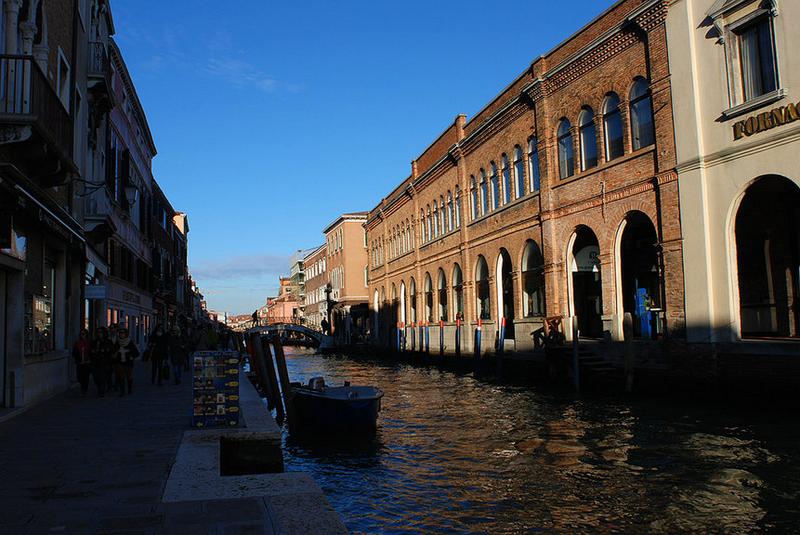
This area is famous for its glass products, which have unique manufacturing techniques, and the most famous of which is glass blowing. There is also a glass museum on the island, which displays a variety of glass products, especially those from the 14th and 15th centuries.
6
km
2
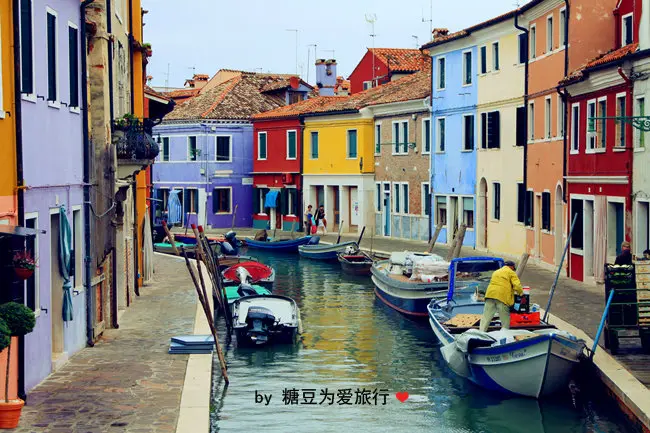
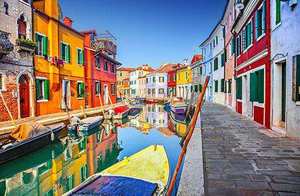
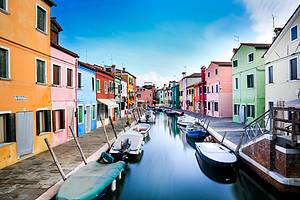
Color Island, also known as Burano Island, is located 7 kilometers from Venice. It is known for its lace textiles and colorful houses, and has been recognized by international magazines as one of the most colorful places in the world. Many artists, such as Baldassarre Galuppi and Remigio Barbaro, have been inspired on this island. Visitors can appreciate the reflection of the colorful houses in the surrounding canals – a paradise of colors. It is recommended to visit the island in the evening to enjoy the beautiful sunset casting a warm glow over the colorful houses.
Day3: Venice
3 attraction(s) ·
4 km
1
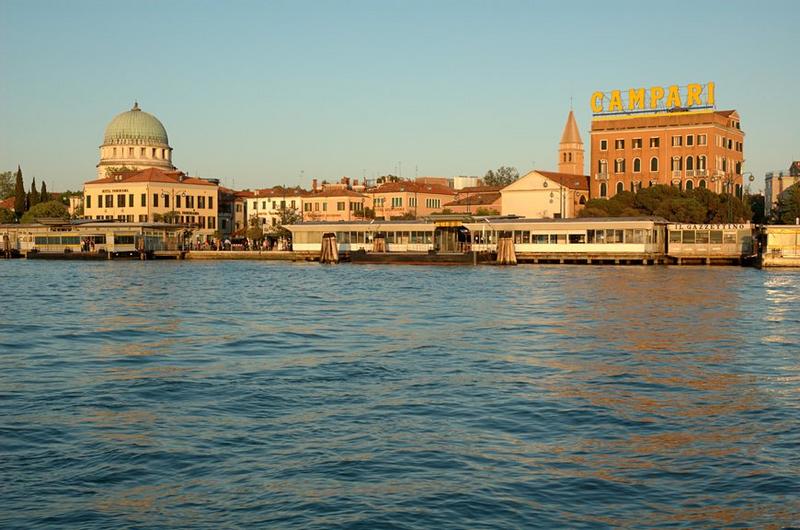
At the end of August and beginning of September each year, the Venice Film Festival is held on the largest outer island of Venice. At this time, the entire island becomes very lively as many famous movie stars gather here. If you are lucky, you might have the chance to see them. Apart from this time, the island is usually quite peaceful.
4
km
2
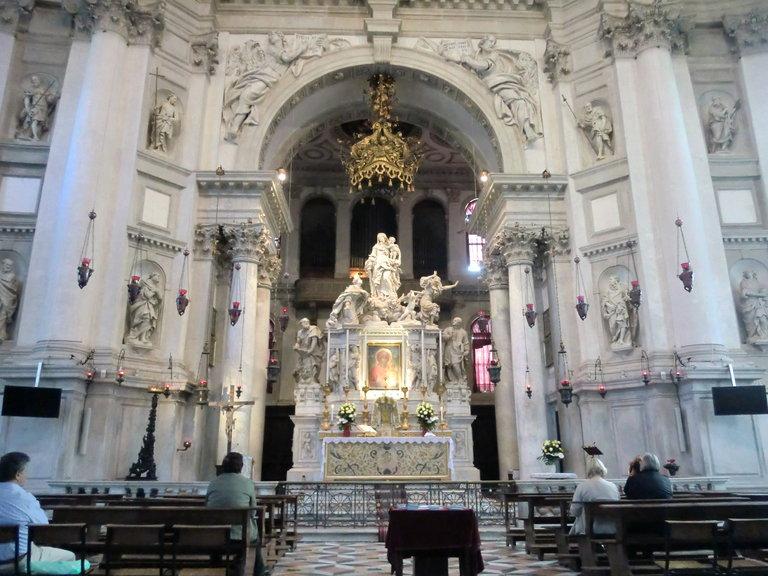
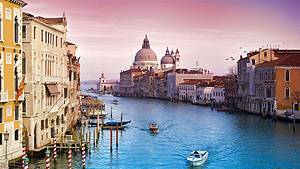
To thank the protection of the Virgin Mary during the outbreak of the Black Plague, the Republic of Venice decided to build a church in 1630, which was officially completed in 1687. The church was designed by the famous architect Baldassare Longhena and is a typical Venetian Baroque building. The main hall is an octagonal shape with a huge dome and is surrounded by six chapels. Inside the sacristy, there are murals depicting stories from the Old Testament, such as "David and Goliath", as well as masterpieces of art such as the ceiling painting by Titian and "The Wedding at Cana" by Jacopo Tintoretto.
The Black Plague struck Venice twice, claiming many lives. To commemorate this disaster, thank the Virgin Mary for the protection of Venice and pray for health and well-being, the Venetians spent 56 years building this church and named it the "Basilica of Our Lady of Health". Today, visitors can admire the stunning Baroque art and the charm of historical culture here.
3
To thank the protection of the Virgin Mary during the outbreak of the Black Plague, the Republic of Venice decided to build a church in 1630, which was officially completed in 1687. The church was designed by the famous architect Baldassare Longhena and is a typical Venetian Baroque building. The main hall is an octagonal shape with a huge dome and is surrounded by six chapels. Inside the sacristy, there are murals depicting stories from the Old Testament, such as "David and Goliath", as well as masterpieces of art such as the ceiling painting by Titian and "The Wedding at Cana" by Jacopo Tintoretto.
The Black Plague struck Venice twice, claiming many lives. To commemorate this disaster, thank the Virgin Mary for the protection of Venice and pray for health and well-being, the Venetians spent 56 years building this church and named it the "Basilica of Our Lady of Health". Today, visitors can admire the stunning Baroque art and the charm of historical culture here.