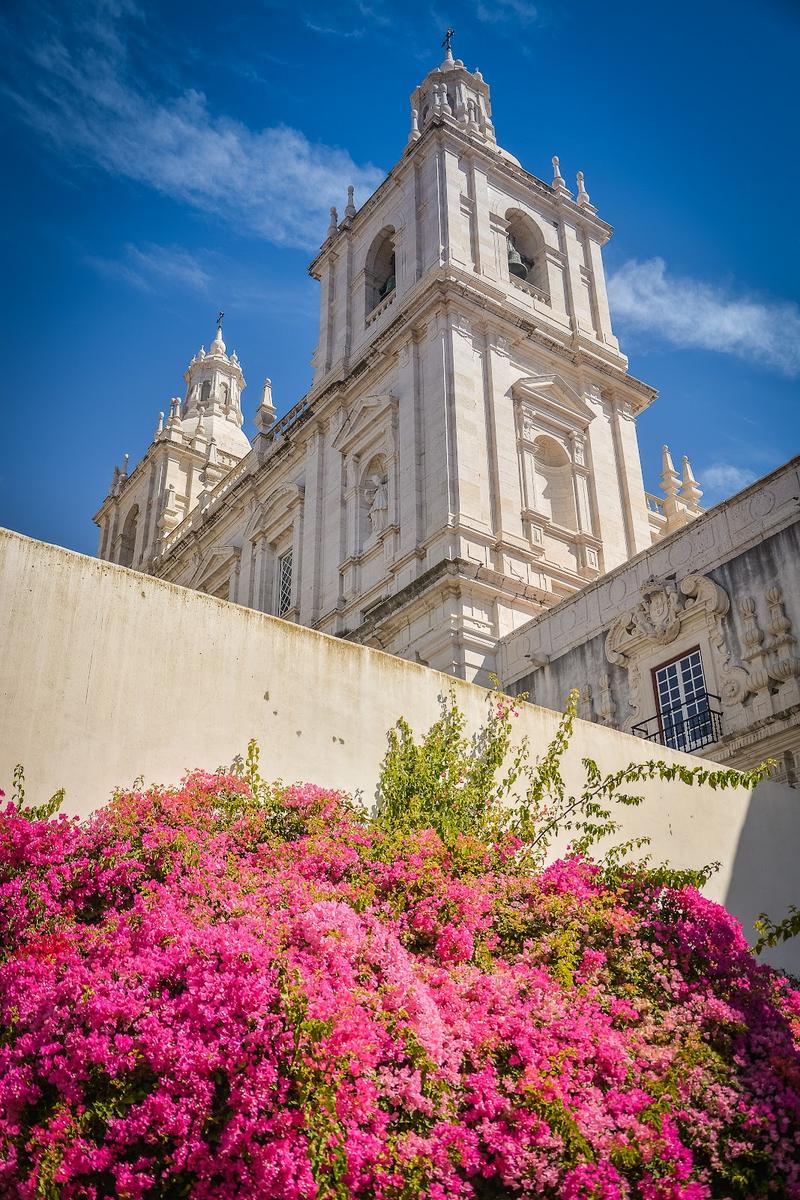
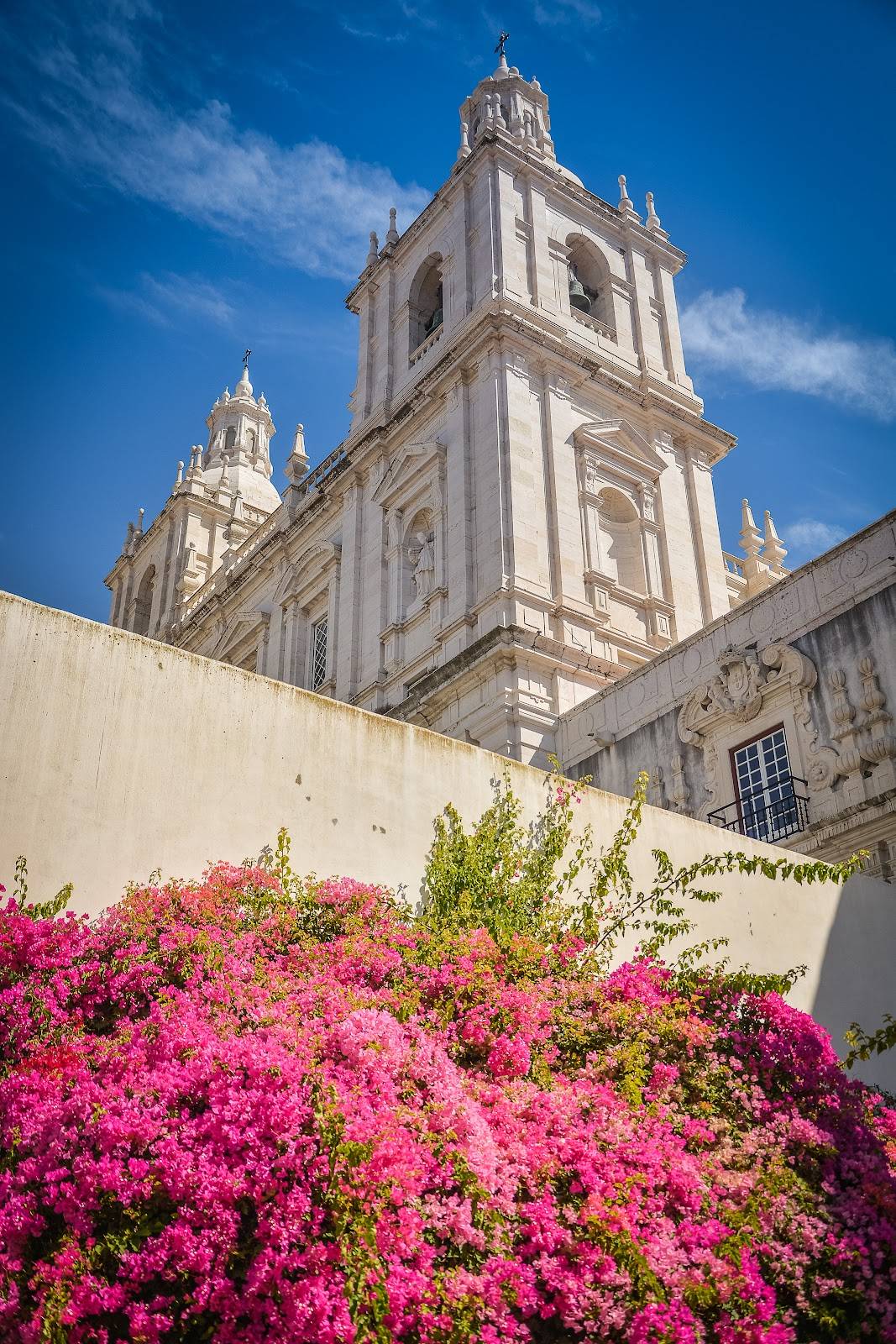
The capital of Portugal, built on seven hills, famous for the historic Alfama district, Belém Tower, Jerónimos Monastery, and the yellow vintage Tram 28. It has both historic quarters and viewpoints, as well as modern waterfront areas and the family‑friendly Lisbon Oceanarium.
One of Lisbon’s oldest neighborhoods, where narrow winding alleys, red‑roofed houses, and viewpoints create a highly atmospheric old‑town scene. It is also a traditional hub for Fado music and is ideal for getting pleasantly lost while wandering on foot.
Lisbon’s famous historic riverside area, home to landmarks such as Belém Tower, the Monument to the Discoveries, and Jerónimos Monastery. It is also the birthplace of the traditional “Pastéis de Belém” custard tarts.
Lisbon’s most iconic yellow vintage tram route, running through steep slopes and narrow streets in older districts such as Graça, Alfama, Baixa, and Estrela. It is a classic route for visitors to experience the city’s character.
A large aquarium located in Lisbon’s Parque das Nações district, one of Europe’s best‑known oceanariums, famous for its huge central tank and diverse marine ecosystem displays. Very suitable for family trips.
A World Heritage hill town in the outskirts of Lisbon, known for the colorful Pena Palace, the Moorish Castle, and romantic palaces and gardens. Set amid forested hills with a cool climate, it is a very popular day‑trip destination.
A seaside town west of Lisbon that was once a royal retreat, featuring fine sandy beaches, a marina, and a scenic coastline. With its relaxed atmosphere, it is a favorite summer escape for locals and visitors alike.
A famous resort town near Cascais, known for its long seaside promenade, beaches, and the historic Estoril Casino. Ideal for seaside walks and relaxation.
A coastal town on the Alentejo coast within the Southwest Alentejo and Vicentine Coast Natural Park, where a river estuary meets the Atlantic. It offers quiet beaches and whitewashed houses and is a popular, laid‑back spot for families and road‑trippers.
A small village along the Costa Vicentina, whose signature beach sits at a river mouth. The scenery changes dramatically with the tides, and the wide sandy beach is suitable for families and surfing.
A cliff‑bay village near Aljezur, famous for its crescent‑shaped beach and steep cliffs. Very popular with surfers and visitors who enjoy unspoiled coastal scenery.
A historic coastal city in western Algarve with a well‑preserved old town, serving as an ideal base for exploring nearby famous beaches and coastal rock formations such as Praia Dona Ana, Praia do Camilo, and Ponta da Piedade.
An important port city in the Algarve, renowned for the wide golden sands of Praia da Rocha and its lively nightlife. It is also one of the departure points for boat tours to sea caves and along the coastline.
One of the Algarve’s most popular resort towns, featuring a charming old town, beaches framed by cliffs, and a wide range of restaurants and bars. Suitable for holidays with family and friends.
A traditional town in eastern Algarve, where historic architecture, churches, and a Roman bridge create a tranquil atmosphere. Nearby Tavira Island offers long, fine sandy beaches, perfect for a quieter seaside escape.
An iconic beach in Lagos, famous for its golden cliffs, clear waters, and coves enclosed by rock formations. It has been repeatedly ranked among the most beautiful beaches in Europe.
A small but exquisite cove beach near Lagos, reached by a long wooden staircase. Known for its clear water and striking rock pillars, it is excellent for photography and snorkeling.
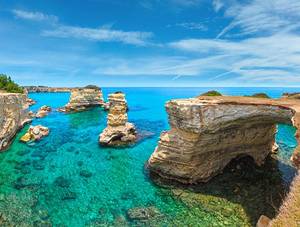
A famous coastal headland at the southern tip of Lagos, formed by golden rock pillars, arches, and sea caves. You can walk along the clifftop paths or explore by boat or kayak; it is one of the Algarve’s classic sights.
One of the most famous sea caves along the Algarve coast, with a huge natural skylight in the roof. Sunlight pours onto a small beach inside the cave, and it is typically accessed by boat, kayak, or stand‑up paddleboard.
Another large water park in the Algarve region, known for its variety of slides and family‑friendly facilities. A good option for planning a full day of water fun during your trip.
The capital city of the Algarve, with a well‑preserved old town, city walls, and a cathedral. It is also the main gateway for exploring the Ria Formosa wetlands and nearby islands.
A protected lagoon and island system in eastern Algarve, composed of sand islands, lagoons, and wetlands. It is home to numerous bird species, and boats can take you to islands and secluded beaches.
One of the uninhabited sand islands within the Ria Formosa, known for its almost untouched long sandy beach and peaceful environment. It can be reached by boat from Faro.
One of the islands in the Ria Formosa, known for its lighthouse, small fishing village, and beaches. Ideal for getting away from the crowds and relaxing by the sea.
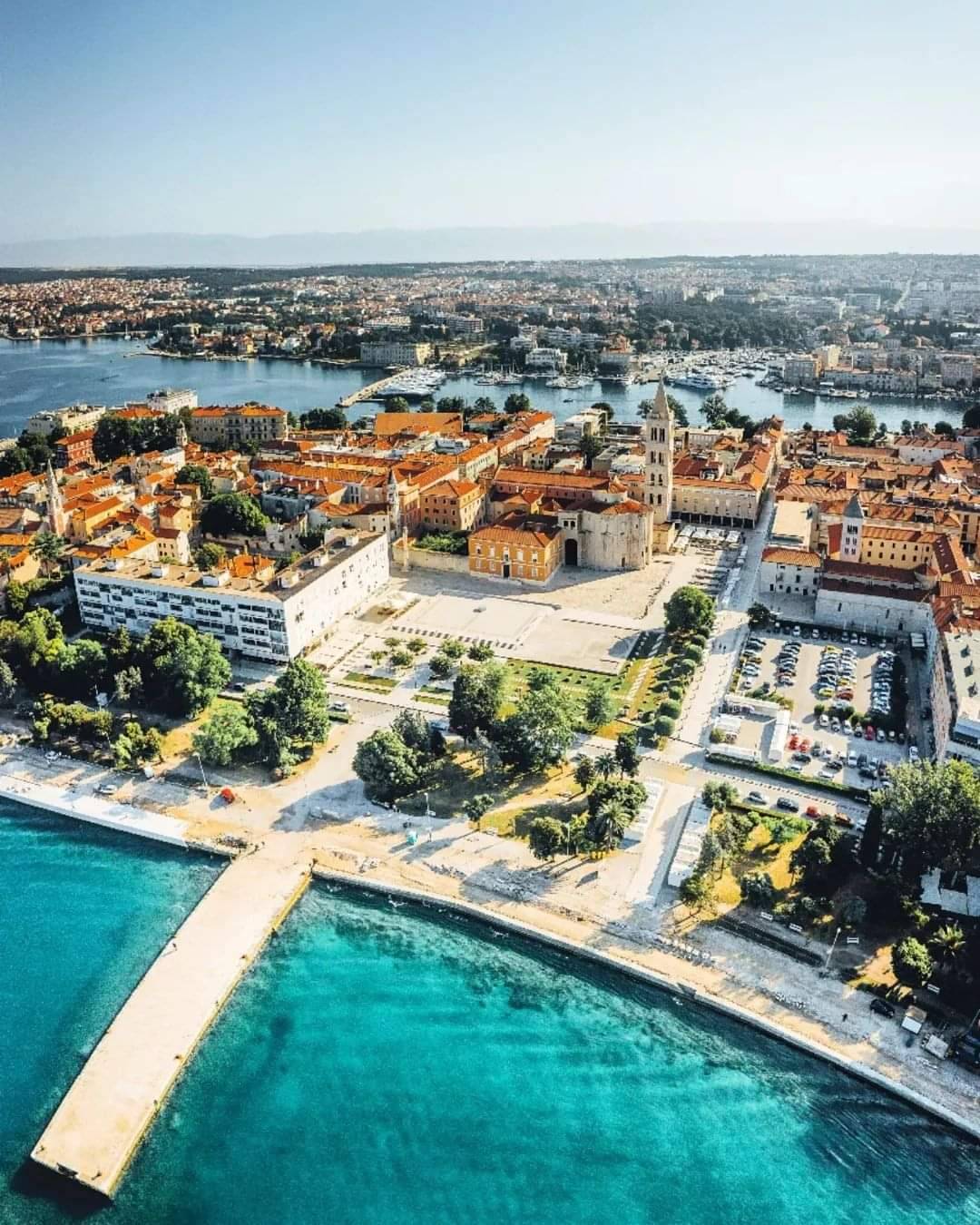
A coastal city in northern Dalmatia, Croatia, with Roman ruins, medieval churches, and stunning seaside sunsets. It blends old and new and is a good starting point for exploring the surrounding coastline.
A modern art installation on Zadar’s seafront, where sea waves push air through pipes hidden beneath the steps, creating the unique sounds of a “sea organ,” which is great fun to experience.
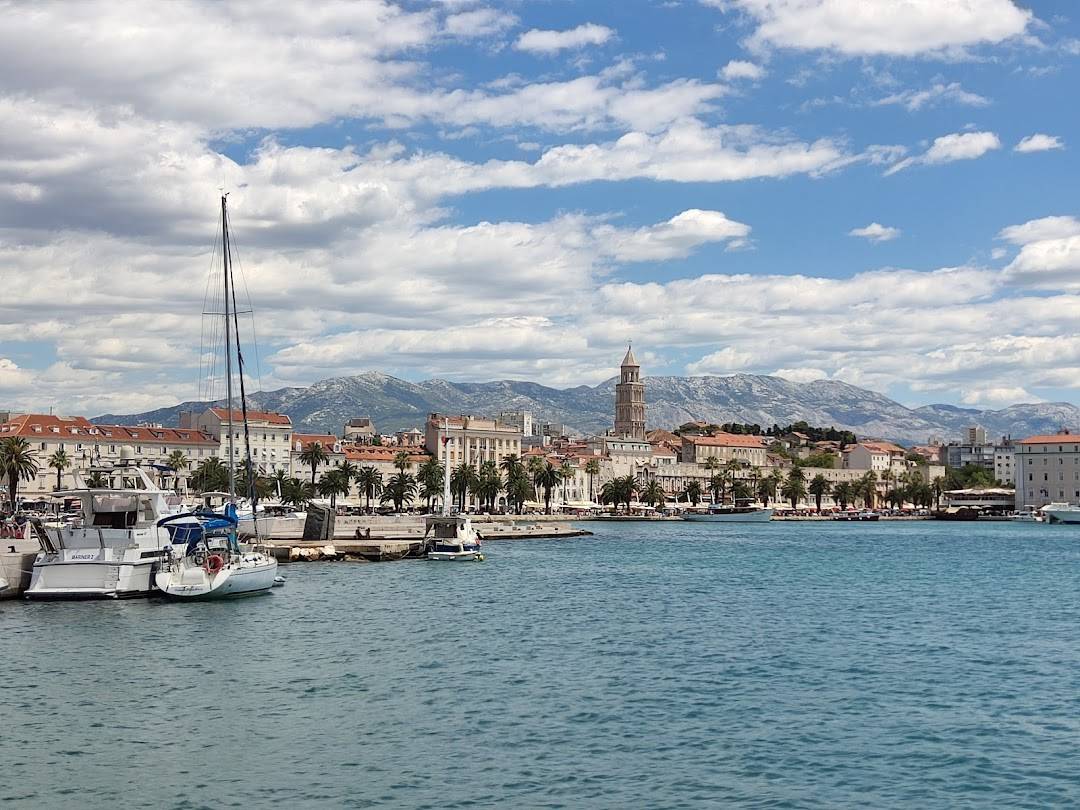
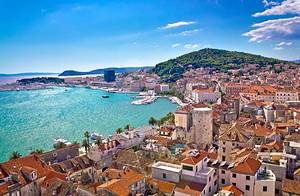
The largest city in Dalmatia, built around the ancient Roman Diocletian’s Palace. The old town alleys merge with the palace walls, and the lively seafront promenade makes it a major transport hub for trips to the nearby islands.
A UNESCO World Heritage Site consisting of the remains of a Roman imperial palace, now fully integrated into Split’s old town. The maze of alleys, shops, and homes within the walls forms the very heart and soul of the city.
One of Dalmatia’s most popular islands, famous for abundant sunshine, lavender fields, crystal‑clear waters, and a stylish nightlife scene. It is great both for beach relaxation and for exploring inland towns.
Croatia’s third‑largest island, known for pebble beaches such as Zlatni Rat (Golden Horn) and pristine waters, making it a hotspot for snorkeling and water sports.
A coastal town at the foot of Mount Biokovo, where the signature scenery is the mountain range rising directly behind the beaches, creating a unique landscape where mountains meet the sea. Ideal for combining hiking with a beach holiday.
A peninsula extending into the sea north of Dubrovnik, known for its wineries, quiet bays, and small fishing villages. It is less visited than the main coastal hotspots and has a more relaxed atmosphere.
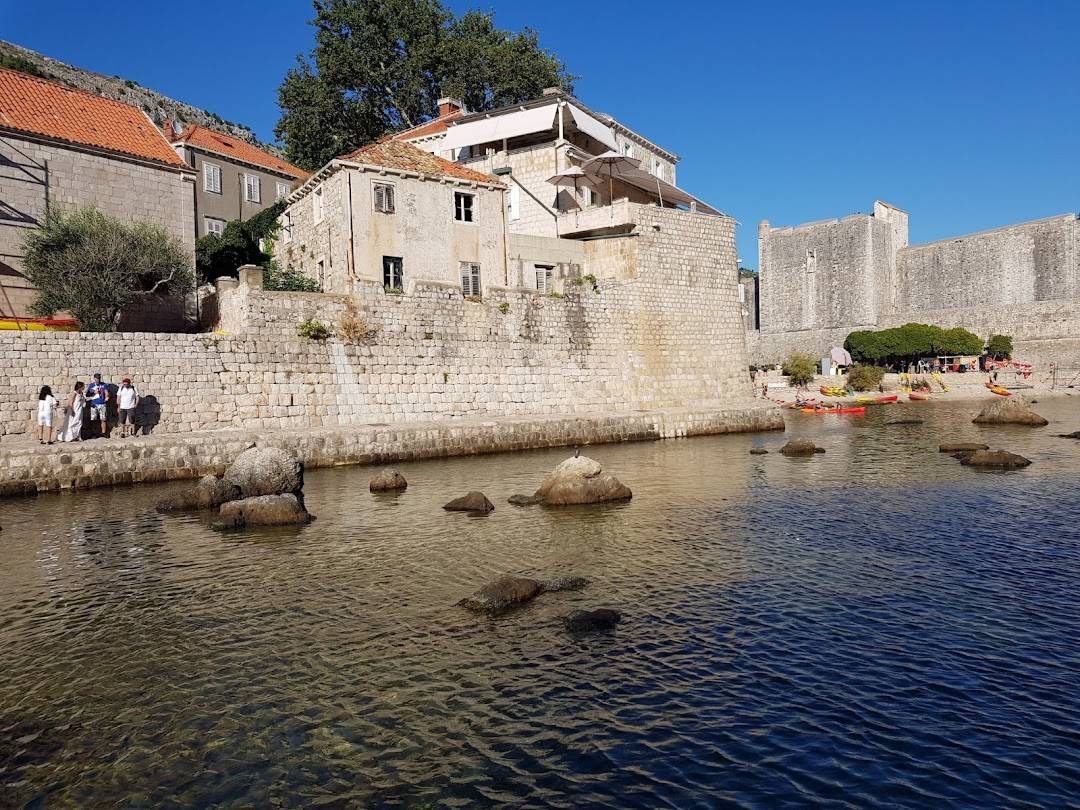
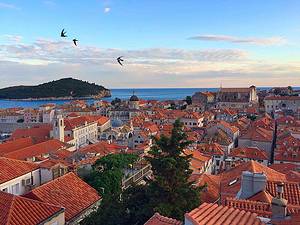
An old city known as the “Pearl of the Adriatic,” with perfectly preserved walls encircling the historic center. Red‑tiled roofs and the blue sea create an iconic panorama. You can walk the city walls, take a cable car for panoramic views, and visit nearby beaches and the Elafiti Islands.
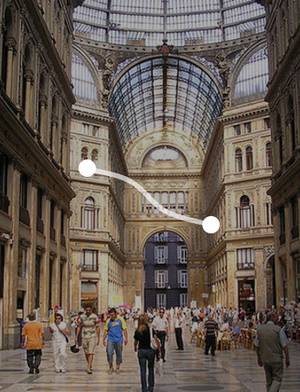
A major city in southern Italy facing the Bay of Naples. Its historic center is a World Heritage Site, and the city is famous for its intense street life, ancient castles, and authentic Neapolitan pizza, which originated here. It is also the main gateway to the Amalfi Coast and Pompeii.