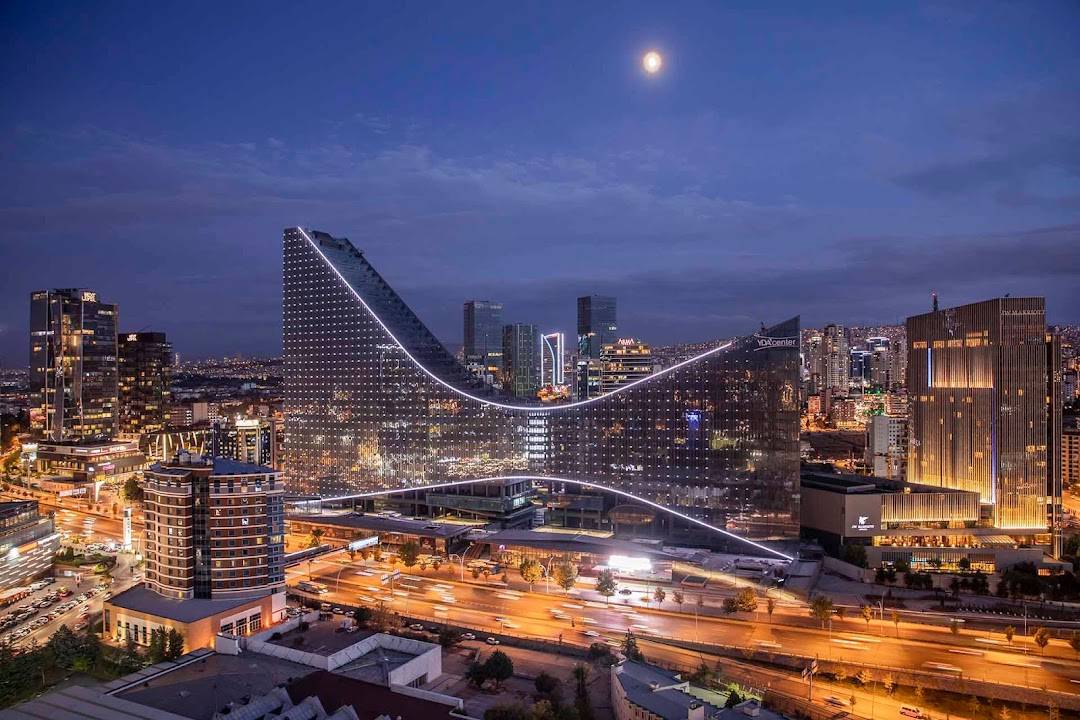
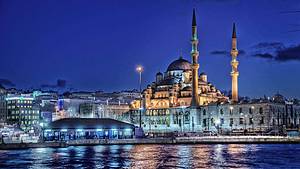
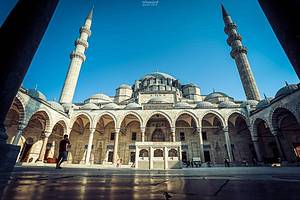
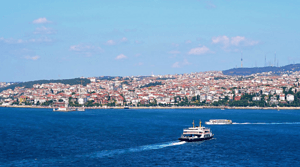
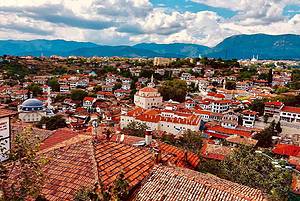
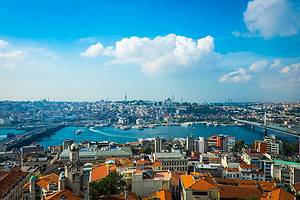
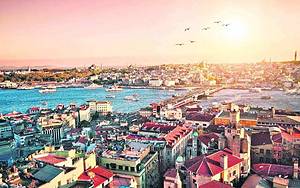
The largest city in Turkey, known as the 'crossroads of Europe and Asia', spanning the Bosphorus Strait. It was the capital of the Byzantine and Ottoman Empires. The old city is home to numerous historical sites, including mosques, palaces, and bazaars, making it the top city for understanding Turkish history and culture.
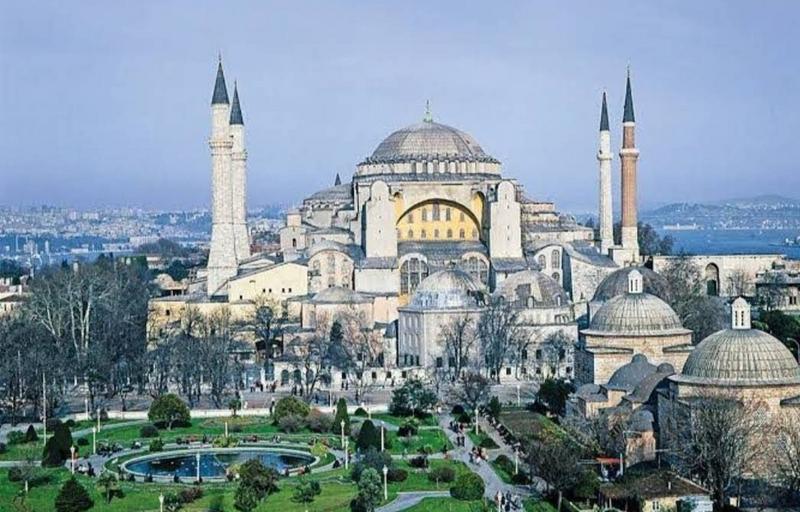
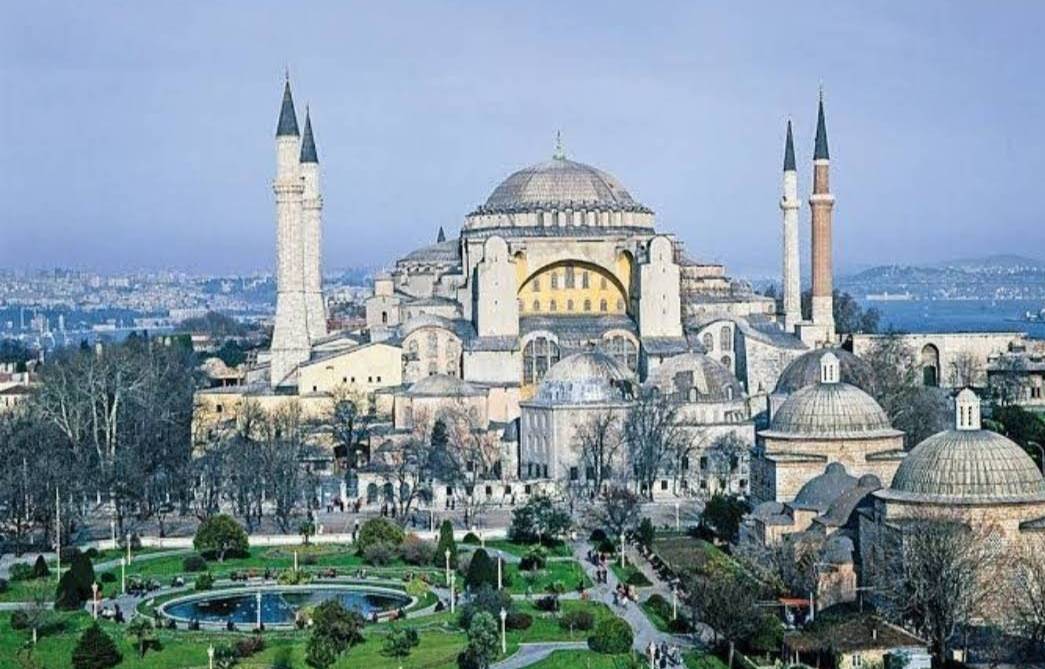
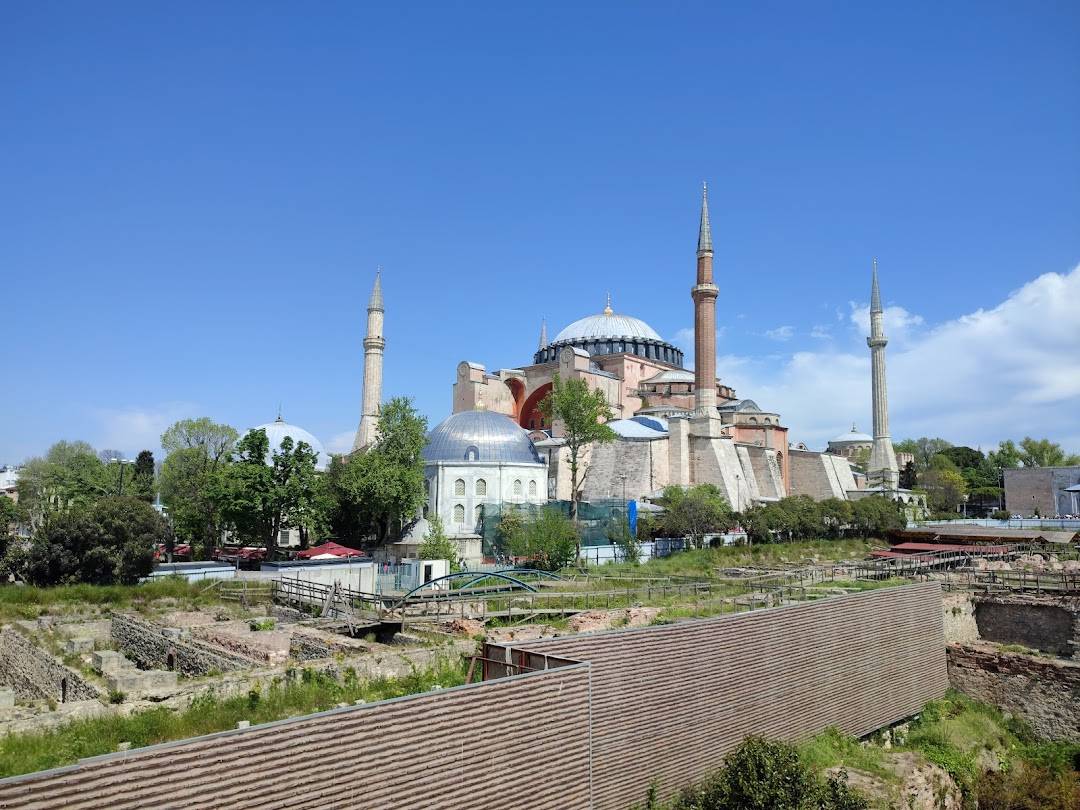
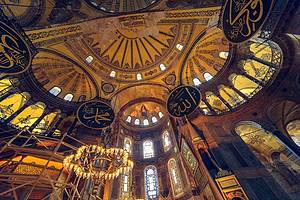
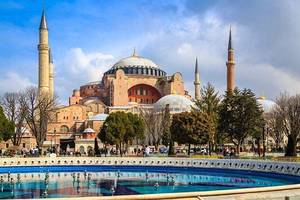
A landmark located in the old city of Istanbul, which has served as an Eastern Orthodox cathedral, a mosque, and a museum, and is now used as a mosque. Its grand dome, exquisite mosaic murals, and millennia-spanning architectural design make it one of the world's most important religious and artistic heritage sites.
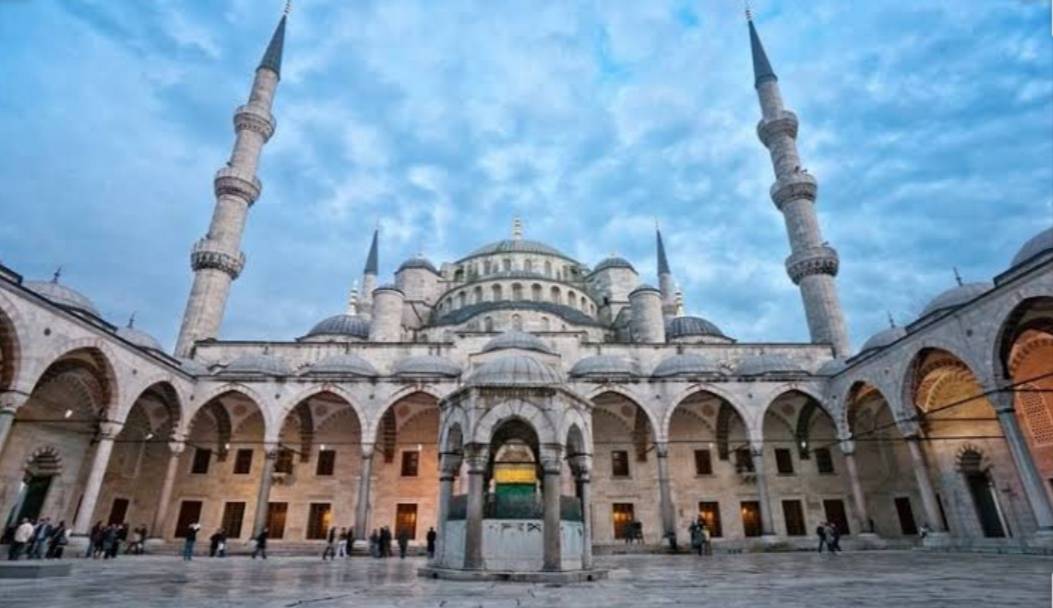
Officially named Sultan Ahmed Mosque, it is commonly known as the 'Blue Mosque' due to its interior adorned with a vast number of blue İznik tiles. It features the rare six minarets and a spacious courtyard, representing the pinnacle of Ottoman classical architecture and one of Istanbul's most iconic religious buildings.
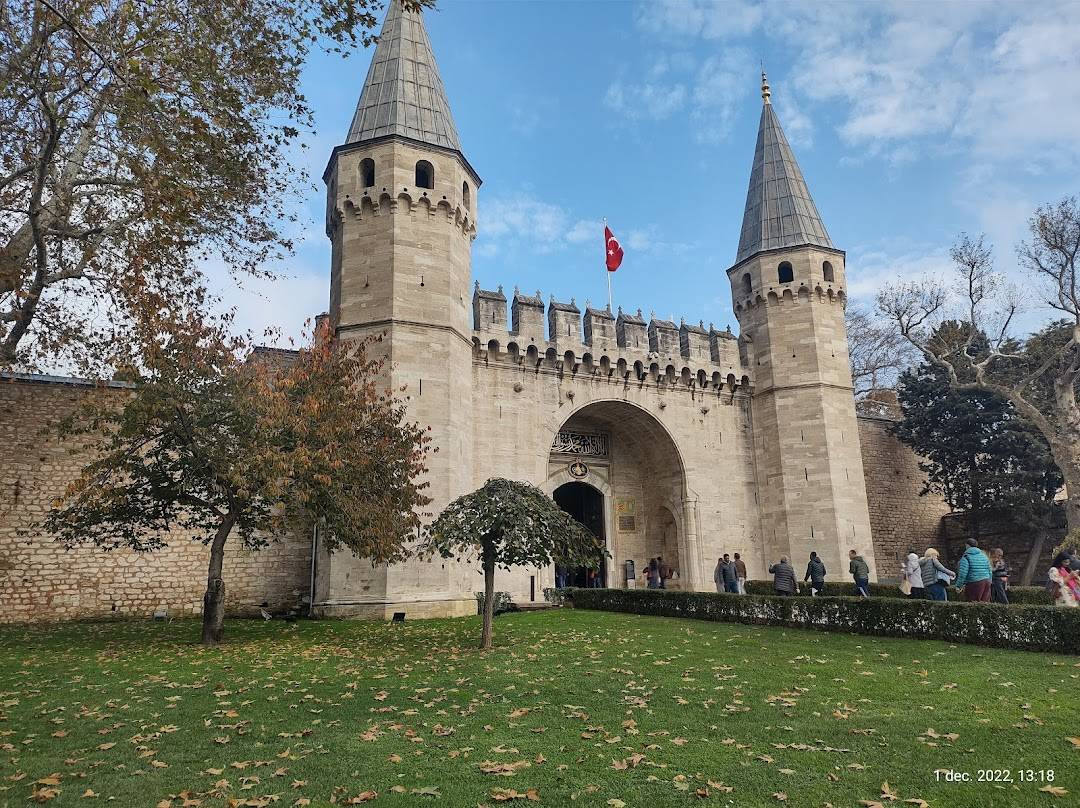
Once the royal palace complex of the Ottoman Empire for nearly 400 years, it is situated on a hill in Istanbul's old city overlooking the Golden Horn and Bosphorus Strait. The palace holds imperial treasures, holy relics, ceramics, and calligraphy works, with its courtyards and harem area offering insights into the details of royal life in the past.
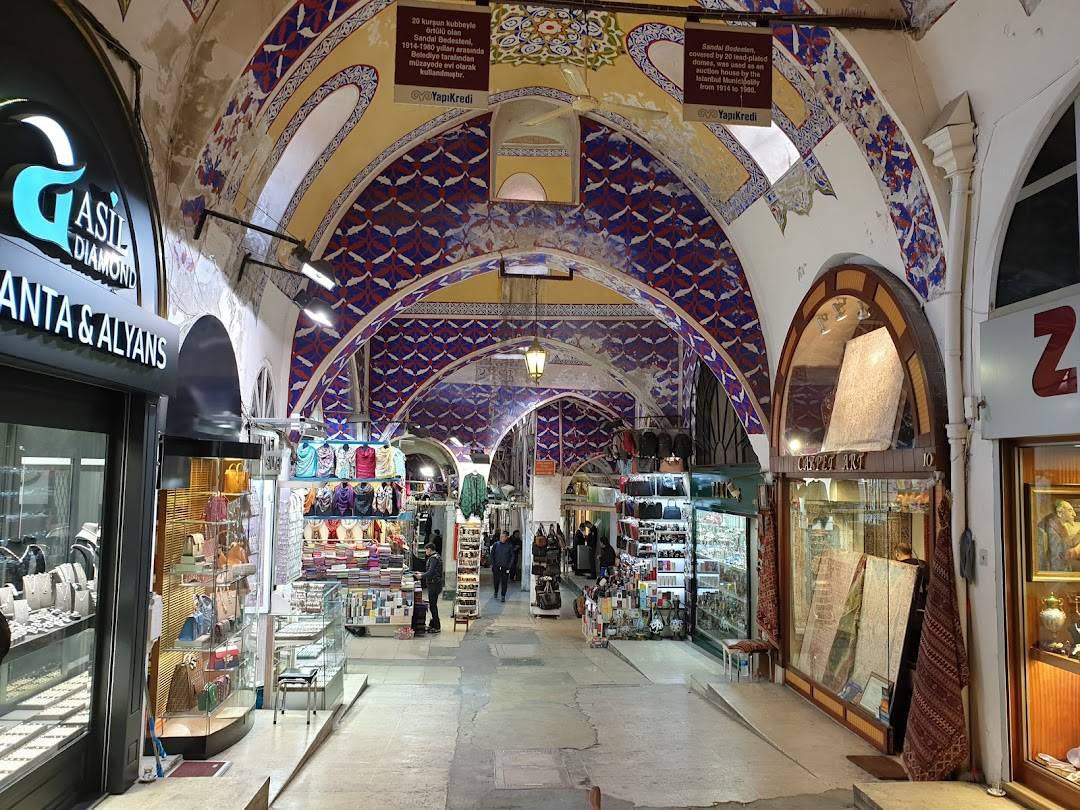
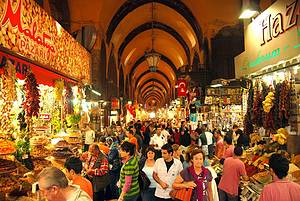
A vast indoor market in Istanbul's old city, it is one of the oldest and largest covered markets in the world, with thousands of shops. Visitors can buy handmade carpets, spices, jewelry, ceramics, and souvenirs, and experience the lively atmosphere of a traditional Turkish bazaar.
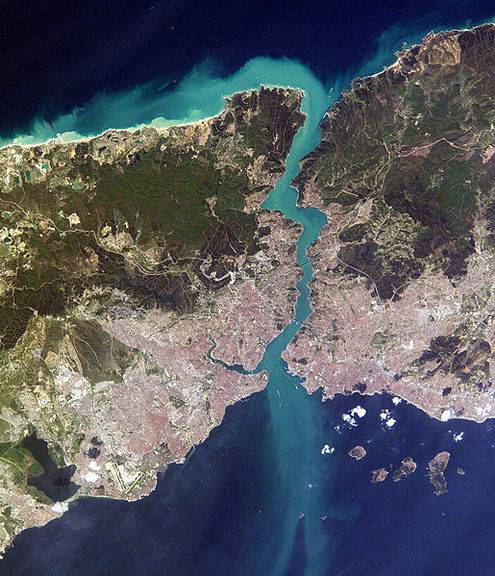
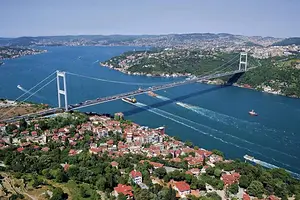
A narrow strait that connects the Black Sea and the Sea of Marmara, dividing Istanbul into European and Asian sides. Taking a boat ride offers views of palaces, castles, mosques, and traditional wooden houses along the shores, making it an essential way to experience Istanbul's unique Eurasian charm.
A 19th-century Ottoman palace on the European side of the Bosphorus Strait, combining Baroque, Neoclassical, and Ottoman decorative styles. The palace features giant crystal chandeliers, gold-plated decorations, and opulent halls, symbolizing the luxury of the late Ottoman Empire.
A UNESCO World Heritage Site near the town of Göreme in Cappadocia, consisting of multiple cave churches and monasteries carved into the rocks. The interiors house numerous Byzantine frescoes, showcasing the development and artistic style of early Christianity in Anatolia.
A deep canyon near Cappadocia, with a river running through its base and many cave churches with frescoes on its walls. The tranquil hiking path with lush vegetation contrasts sharply with the surrounding desert-like rocky landscape.
A relatively lesser-known hiking valley in Cappadocia, famous for rock-cut churches and its peaceful atmosphere with fewer tourists. Along the trail, visitors can admire unique rock pillars and traditional village landscapes, suitable for travelers looking to avoid crowds.
The capital and the second-largest city of Turkey, located in central Anatolia. Compared to Istanbul, it has a more modern urban vibe while preserving rich museums and memorial buildings, making it an important city for understanding the history of the modern Republic of Turkey.
Located near Ankara Castle, this museum houses a rich collection of artifacts from the Neolithic era, Hittite civilization, to the Roman period. Exhibits include statues, cuneiform inscriptions, gold ornaments, and pottery, making it an authoritative museum for studying the development of Anatolian civilizations.
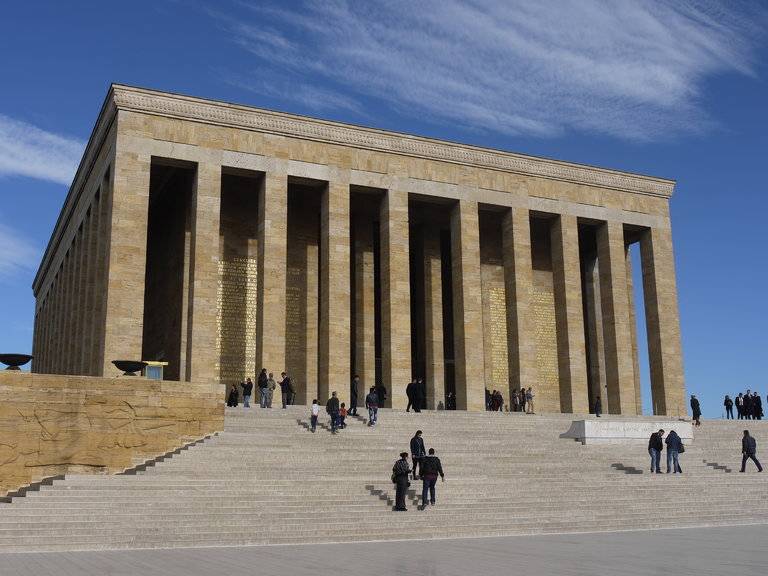
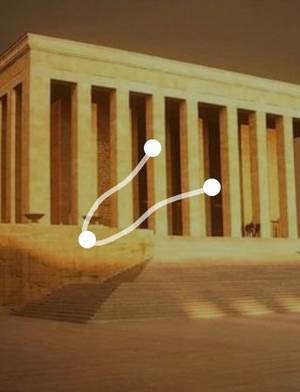
The mausoleum and memorial complex dedicated to Mustafa Kemal Atatürk, the founder of the Republic of Turkey, situated on a hilltop in Ankara. The architectural style is grand and solemn, with exhibits showcasing Atatürk's life and the founding process of the republic. The changing of the guards ceremony is also highly watchable.
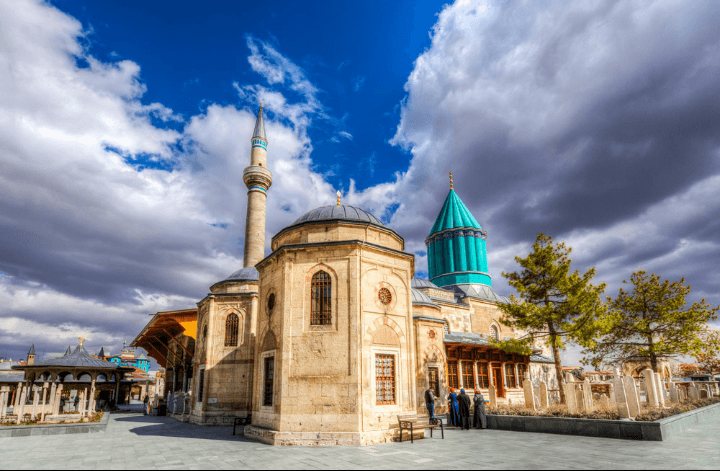
An ancient city in central Turkey that was an important capital during the Seljuk Empire and the origin of the Mevlevi Order (Whirling Dervishes). The city has a strong religious atmosphere, with many mosques and religious sites where visitors can observe the whirling dance ceremonies.
A port city on the eastern Black Sea coast, which was an essential node on the northern route of the Silk Road. The surrounding mountains and coastline offer beautiful scenery, a humid and lush climate, making it a gateway to experiencing Black Sea culture and natural landscapes.
An Eastern Orthodox monastery on high cliffs near Trabzon, overlooking forest valleys and the distant Black Sea. Founded during the Byzantine period, portions of its stone walls retain exquisite frescoes. Its dramatic location combined with religious art makes it incredibly striking.
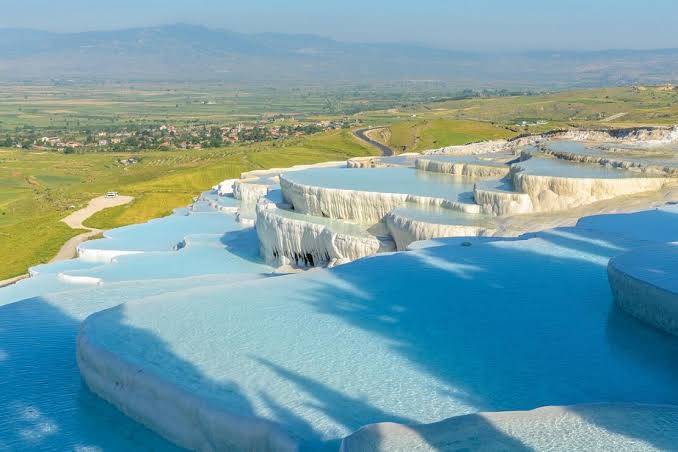
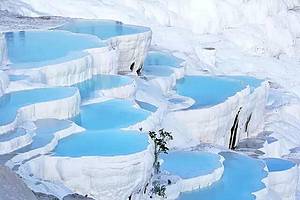
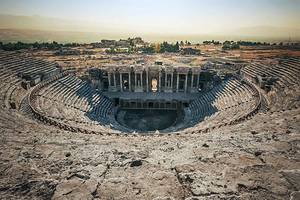
Near Denizli, known for its white calcified terraces and hot springs that resemble a mountain covered in cotton. Visitors can walk barefoot and soak in parts of the thermal pools. The ancient city ruins of Hierapolis atop the hill combined with the thermal pools make it a site of both natural and historical significance.
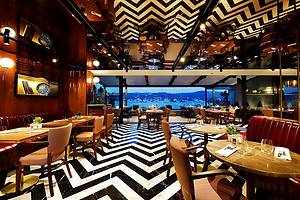
A restaurant in Istanbul known for its garden-style dining environment and relaxing atmosphere. It specializes in seafood and traditional Turkish dishes, making it a perfect choice for a relatively quiet and ambiance-filled dinner after city sightseeing.
A popular restaurant and tavern brand on the Asian side of Istanbul, known for its lively dining ambiance and diverse wine selection. It serves Turkish and Mediterranean cuisine, making it a great place to experience the nightlife and social atmosphere favored by local young people.