Madrid's main international airport, one of Spain's most important aviation hubs, located about 12 kilometers from the city center. It is well-connected to the urban area by metro, bus, and airport express services, serving as the main gateway to the Iberian Peninsula.
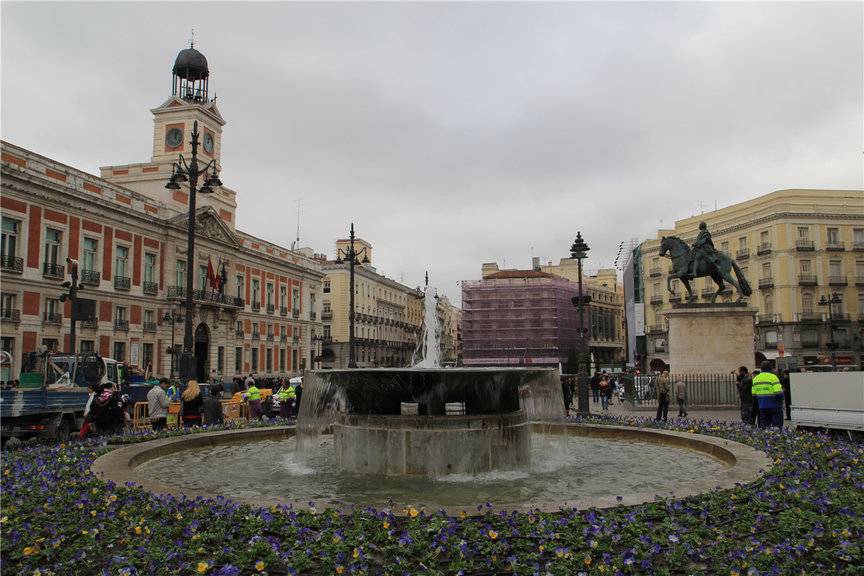
One of the most famous squares in the center of Madrid, regarded as the 'kilometer zero' starting point for Spanish roads. It features the 'Bear and Strawberry Tree' statue symbolizing the city, a local and tourist gathering place, as well as a shopping and street performance hub.
A rectangular enclosed square located in the heart of the old city, surrounded by arcades and historical buildings. At the center stands the statue of Philip III on horseback, and the vicinity is dotted with numerous cafes and restaurants, making it a great spot to savor snacks and soak up the historical ambiance.
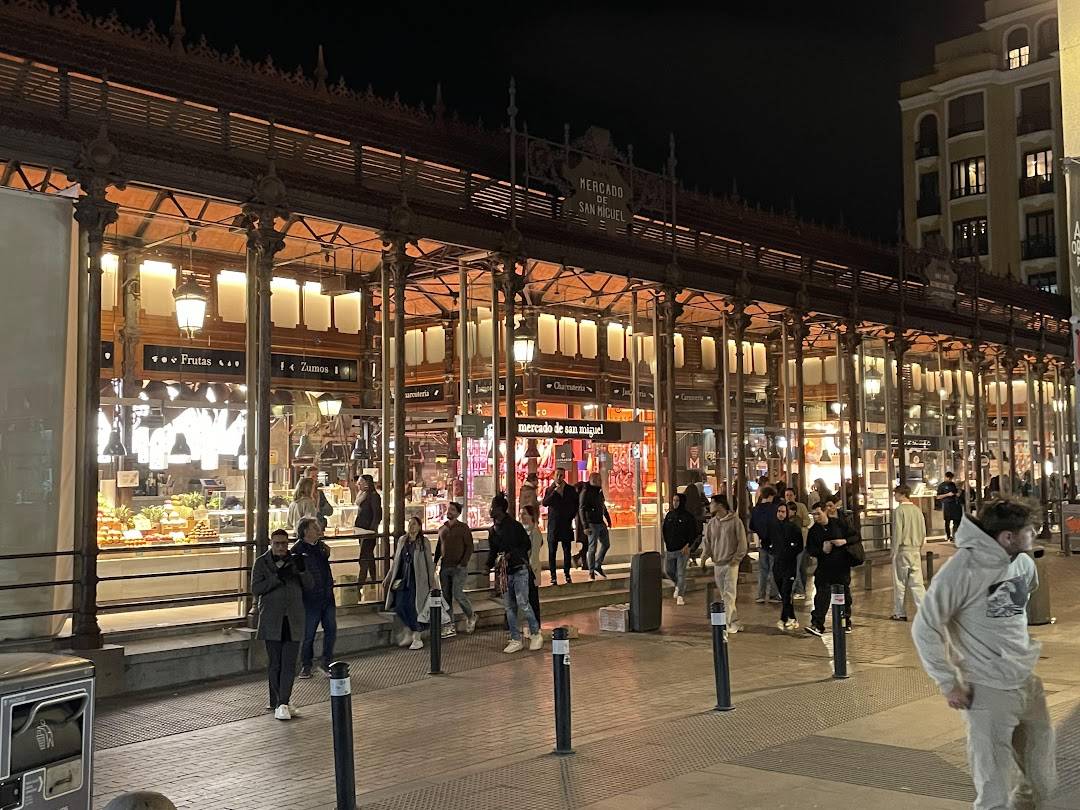
The gastronomic market near Plaza Mayor retains its traditional iron structure and houses various Spanish specialty snack stalls and bars. Here, you can try seafood, ham, wine, and more, making it a popular spot to experience local food culture.
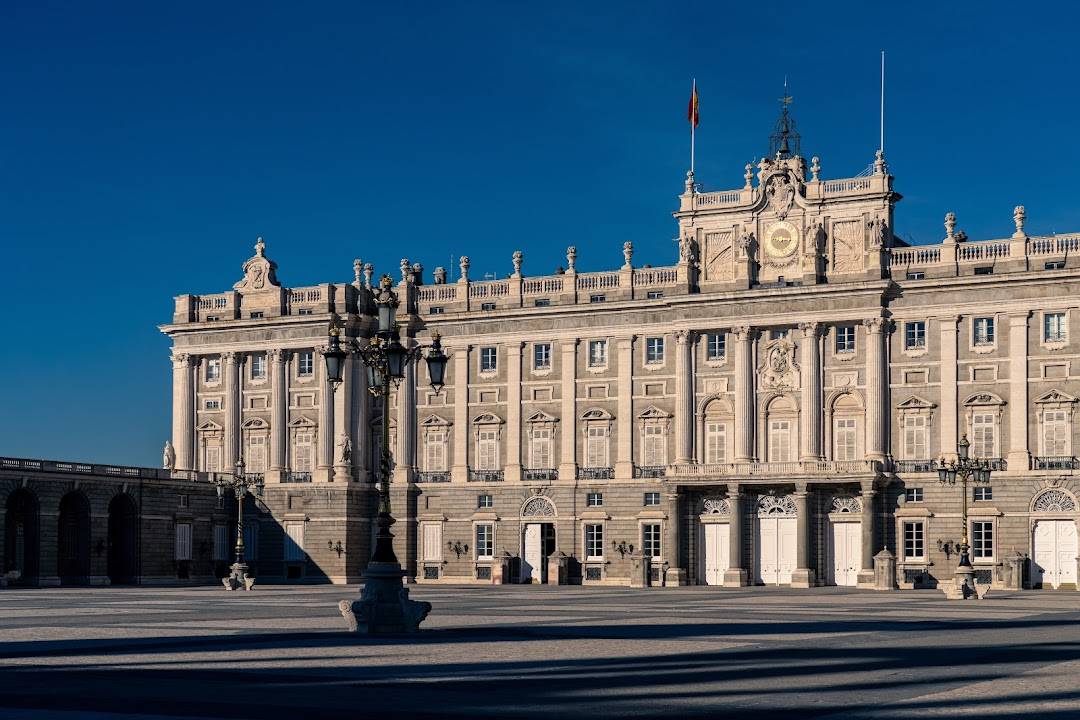
One of the official residences of the Spanish monarchy and one of Europe's largest palaces. Known for its lavish interior decorations, art collections, and spacious squares and gardens, it’s a must-visit site for understanding Spanish royal history and architectural art.
Located opposite Madrid’s Royal Palace, it is the main cathedral of the Madrid archdiocese. Its exterior features a Neoclassical style and interior incorporates various artistic elements. Its location makes it often visited alongside the Royal Palace.
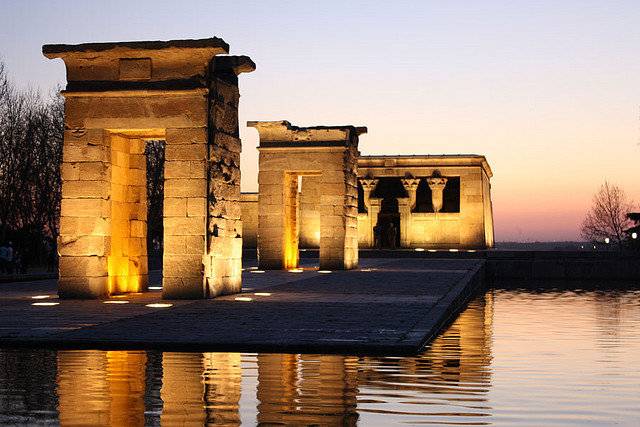
An ancient Egyptian temple that was entirely relocated and rebuilt in a park in Madrid's city center. It's a classic site for watching city sunsets and offers views of the Royal Palace and Madrid's western skyline.
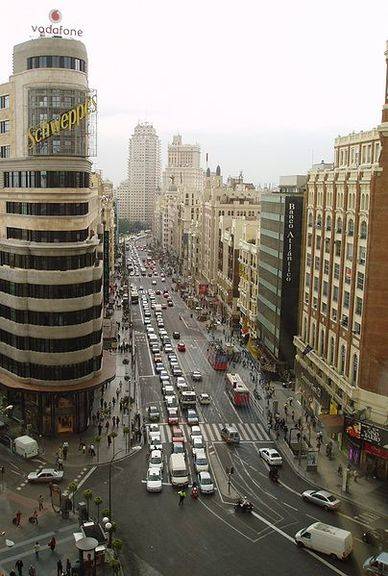
Madrid's bustling commercial and entertainment avenue, lined with theaters, cinemas, department stores, and iconic buildings, often referred to as 'Madrid's Broadway.' Ideal for shopping and evening strolls.
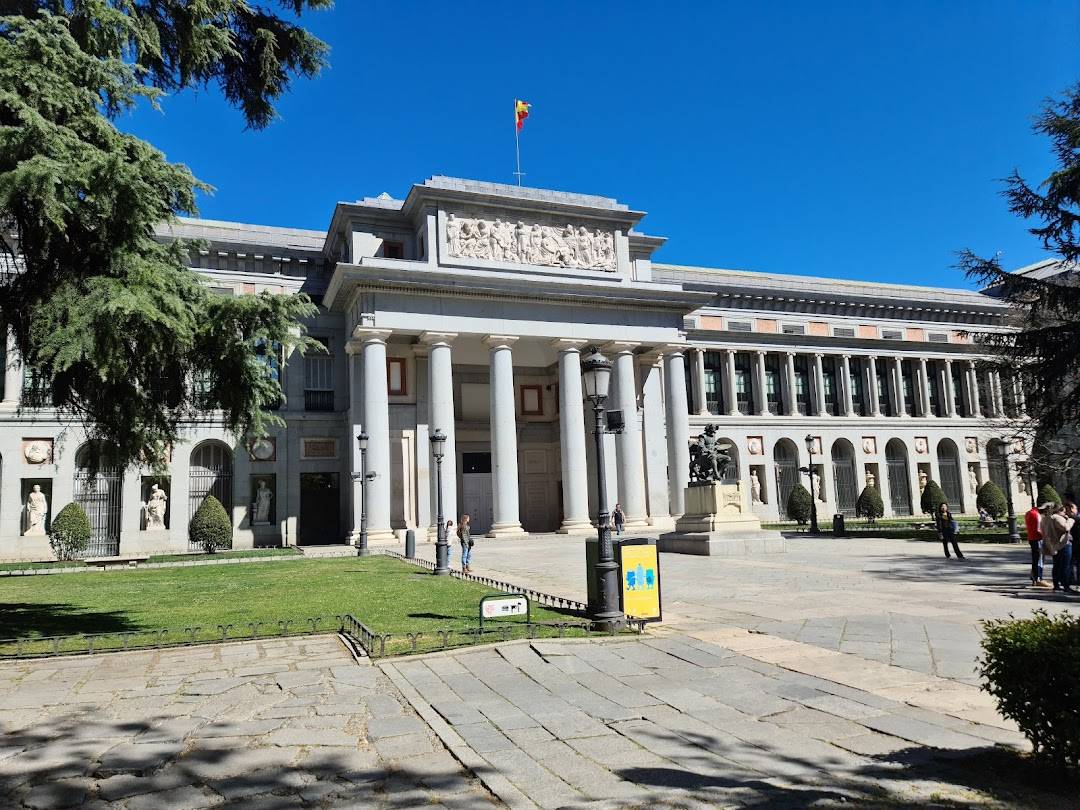
One of the world's top art museums, housing numerous masterpieces from Spain and Europe, including works by Velázquez, Goya, and Rubens. It's a must-visit for art enthusiasts in Madrid.
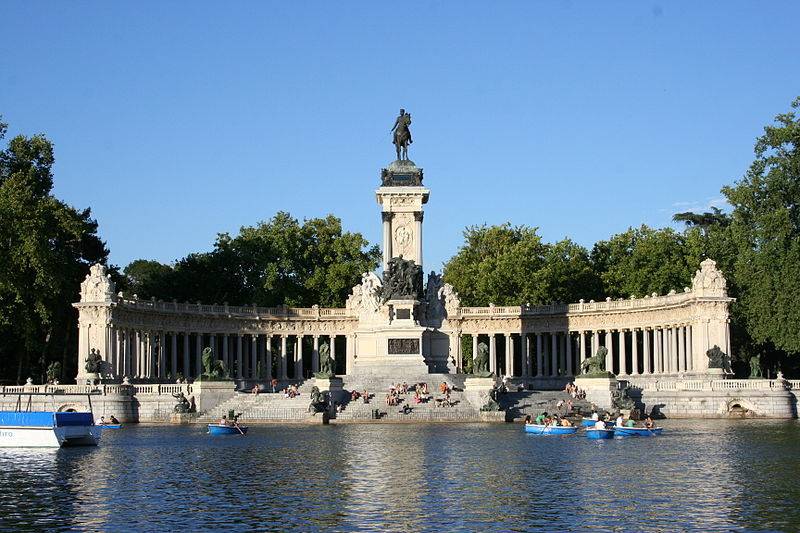
A large historical park in the center of Madrid, featuring a central lake for rowing, Crystal Palace, and several sculpture gardens. It's a popular spot for locals to relax, jog, or picnic.
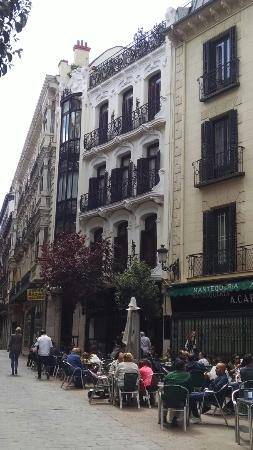
A pedestrian area in Madrid’s city center, known for hosting prominent Spanish Golden Age literary figures such as Cervantes. Streets are engraved with famous quotes and filled with bars and restaurants, creating an artistic and lively atmosphere.
One of Madrid’s main high-speed train stations, connecting cities like Barcelona and Seville. The station’s interior features a tropical plant courtyard, making it a notable hub of Spain’s high-speed rail network.
Barcelona’s largest railway hub and the main arrival point for high-speed and intercity trains. Conveniently connected to metro and buses, it serves as the key transport center for accessing the city and traveling to other destinations.
A bustling pedestrian boulevard connecting Plaça de Catalunya to the Columbus Monument. Flanked by cafes, flower stalls, and street performers, it's one of Barcelona's most popular strolling routes.
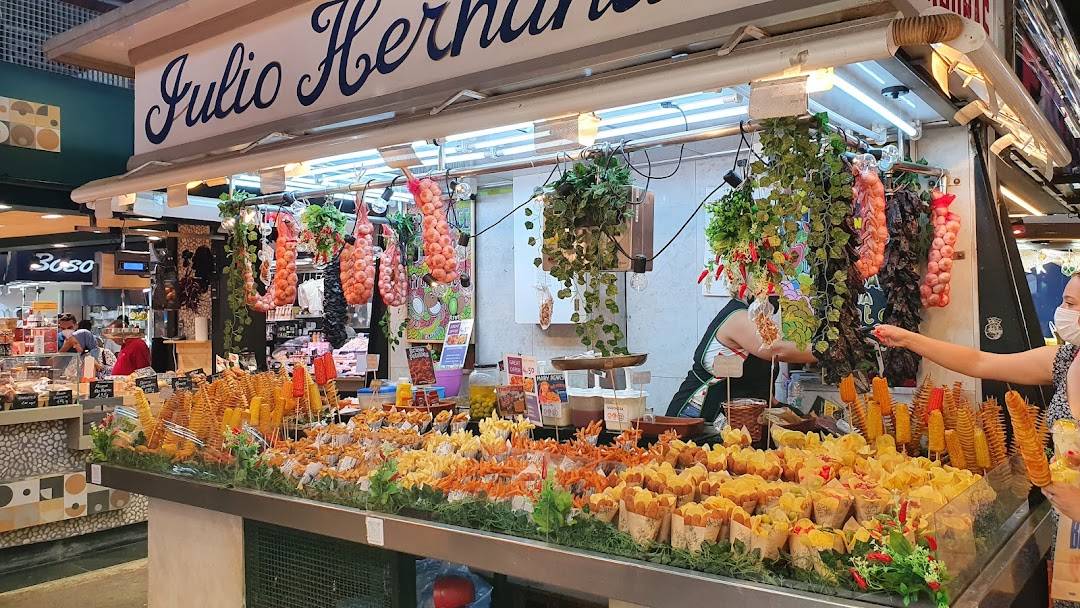
The traditional food market near La Rambla, renowned for its colorful fruit stands, seafood, and snack stalls, attracting numerous visitors eager to explore Catalonian culinary traditions.
The core of Barcelona’s Old Town, consisting of narrow medieval streets and small squares. It retains many Gothic buildings, including the Barcelona Cathedral, and is a classic area for walking and absorbing historical charm.
A trendy neighborhood in central Barcelona, famous for small bars, restaurants, and designer shops. Known for its vibrant nightlife, it is also a favorite dining and social area for locals.
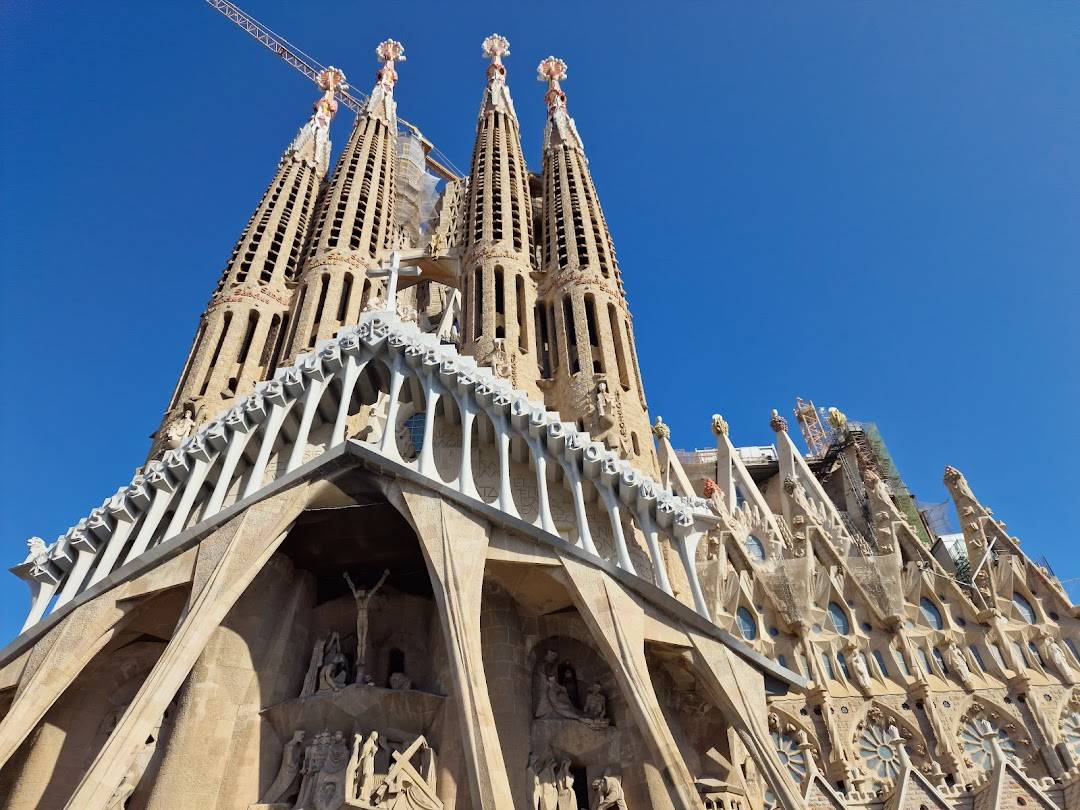
A partially finished Catholic church designed by Gaudí, it is Barcelona's most iconic landmark, acclaimed for its unique organic shapes and intricate façade carvings. Advance reservations are required for visiting.
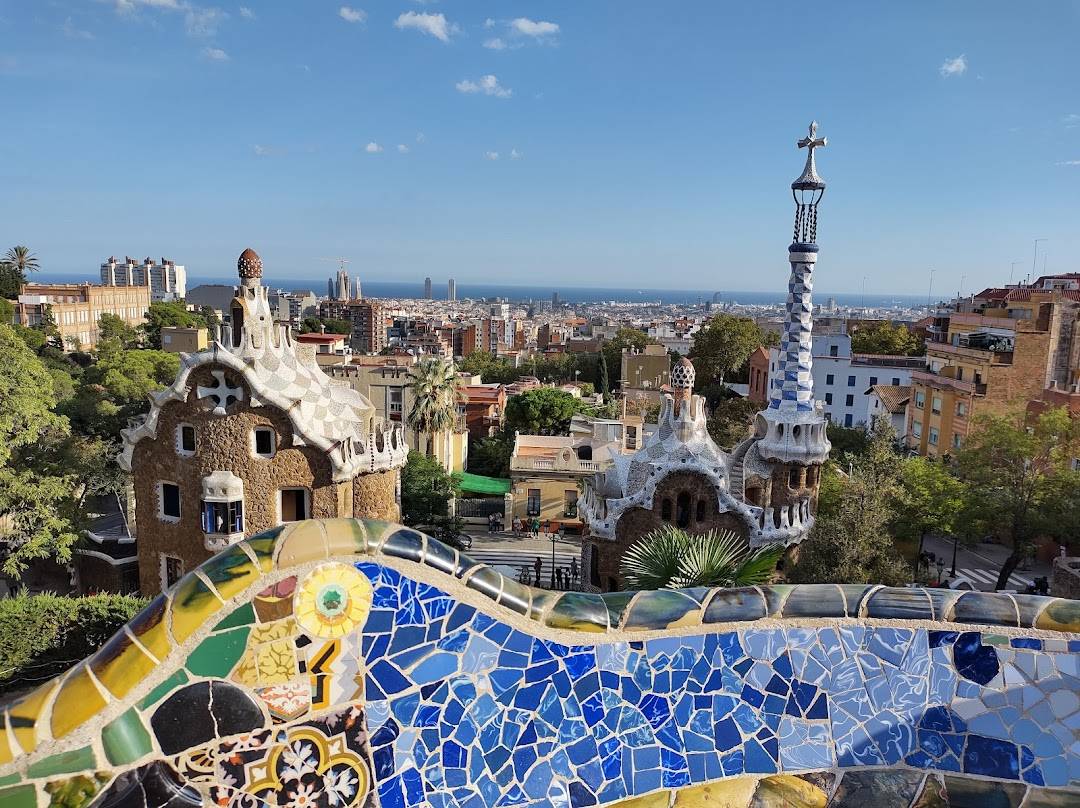
A public park designed by Gaudí, featuring colorful mosaic benches, fairytale-like architecture, and panoramic city viewing points, showcasing his signature naturalistic architectural style.
One of Barcelona’s most popular urban beaches, lined with restaurants and bars. It's a favorite spot for locals and tourists to sunbathe, walk, or cycle.
Located at the end of La Rambla, the historic port area has been transformed into a shopping complex, marina, and seaside promenade, perfect for waterfront strolls and dining.
Barcelona's main international airport comprises two terminals and is well-connected to the city center via airport buses, metro, and trains. It serves as a key gateway to major European cities.
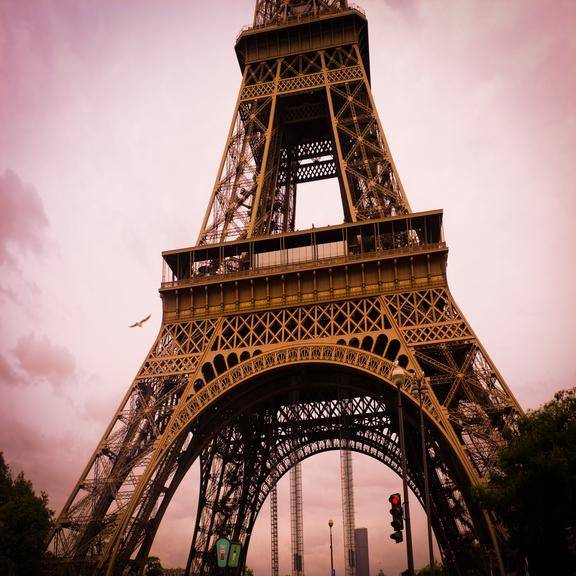
Paris’s most iconic landmark located on one side of the Champ de Mars. The tower's three levels are open to the public, offering views of the Seine River and the city. Advance reservation is recommended for tower visits.
A large elongated lawn park under the Eiffel Tower, popular for taking panoramic photos of the tower and relaxing with picnics. At night, you can admire the tower’s light show.
One of the world's most famous and comprehensive art museums, showcasing masterpieces like the 'Mona Lisa' and 'Venus de Milo.' Its glass pyramid entrance is also a city icon.
A French-style garden situated between the Louvre and Place de la Concorde. It features tree-lined avenues, fountains, and sculptures, making it a perfect spot for walking and relaxing in the city center.
One of Paris’s largest squares, centered by the Luxor Obelisk and surrounded by fountains and prominent public buildings. It serves as a key link between the Champs-Élysées and the Tuileries Garden.
A sightseeing cruise along the Seine River passing iconic landmarks such as the Eiffel Tower and Notre Dame Cathedral. Particularly recommended during twilight or at night to experience the city's lights.
The Gothic cathedral located on Île de la Cité is renowned for its intricate sculptures. While it’s currently primarily viewable from its exterior and nearby areas, it was a major religious and cultural symbol of Paris.
A small island in the Seine River, known as the birthplace of Paris. It houses important landmarks such as Notre-Dame Cathedral and Sainte-Chapelle, with streets that exude an old-world charm.
A medieval royal chapel famous for its towering stained glass windows. Known as the 'church of light,' its colorful interior is remarkable. Reservations are advised to avoid queues.
A small hill in northern Paris once home to numerous artists. Its cobblestone streets, cafes, and street painters create a bohemian atmosphere. It offers sweeping views of the city.
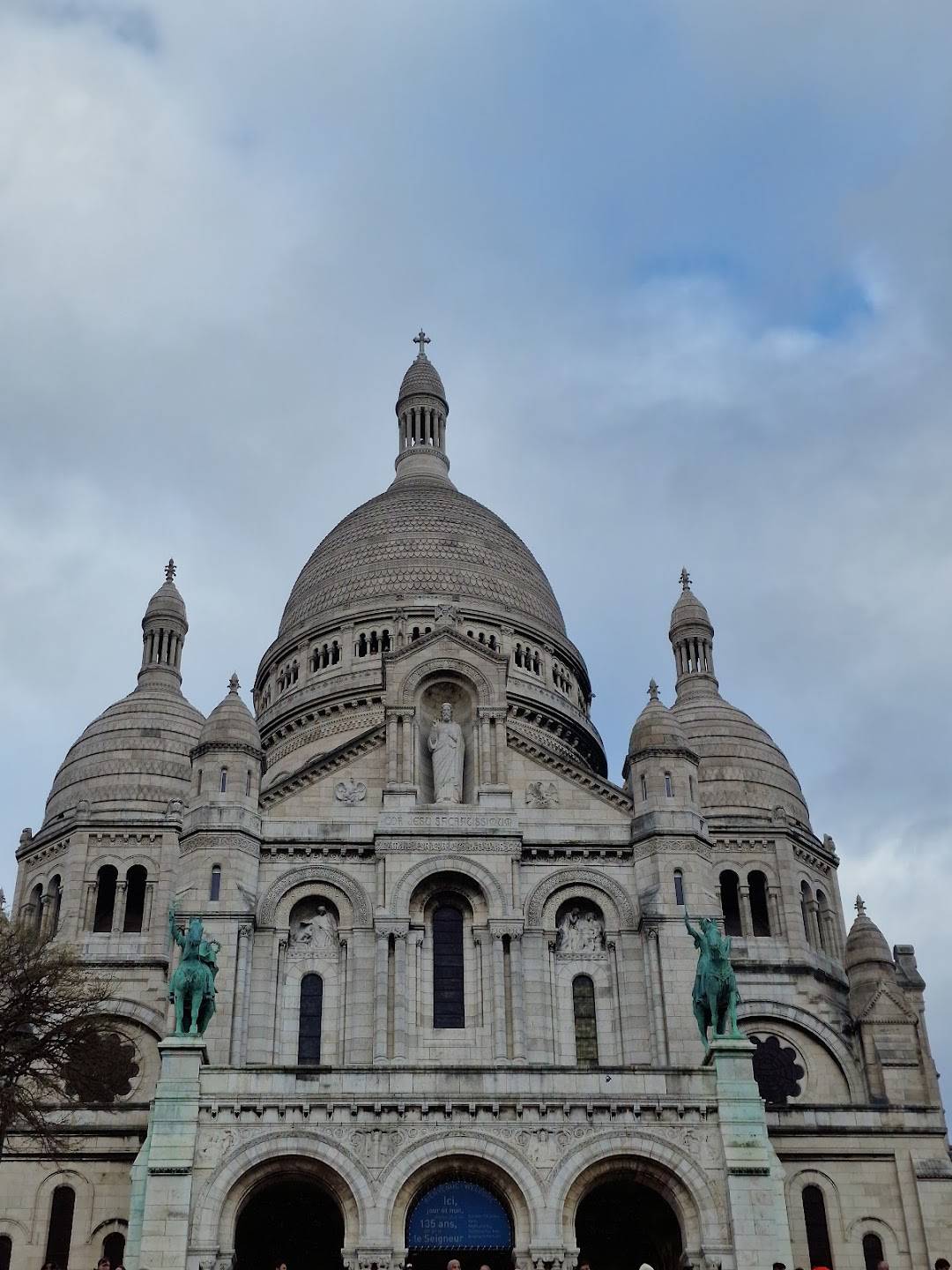
Located atop Montmartre Hill, this white basilica is known for its unique Roman-Byzantine architectural style and panoramic views of the city from its wide terraces. It’s a famous Parisian viewpoint.
The historic center of Rome containing landmarks such as Piazza Navona, the Pantheon, and Trevi Fountain. Ideal for a walking tour to explore a 'living museum'-like city atmosphere.
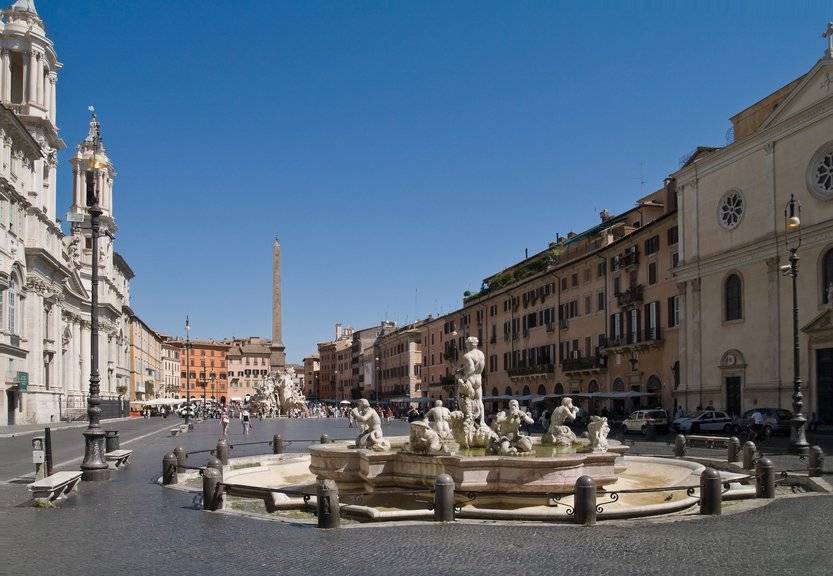
An elliptical square built on the site of an ancient stadium, famous for Bernini's Fountain of Four Rivers and surrounding churches and cafes. It’s considered one of Rome’s most beautiful Baroque squares.
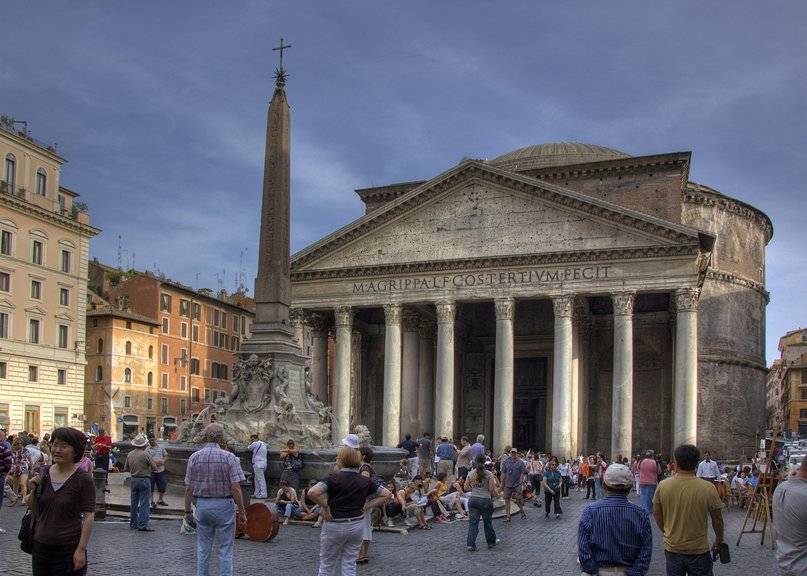
An exceptionally preserved ancient Roman temple with a massive dome and central oculus. Now serving as a church and housing the tombs of notable figures, it’s among Rome’s most significant ancient buildings.
Rome's largest and most famous Baroque fountain, adorned with sculptures of Neptune and others. A tradition is to toss coins into the fountain while facing away to ensure a return trip to Rome.
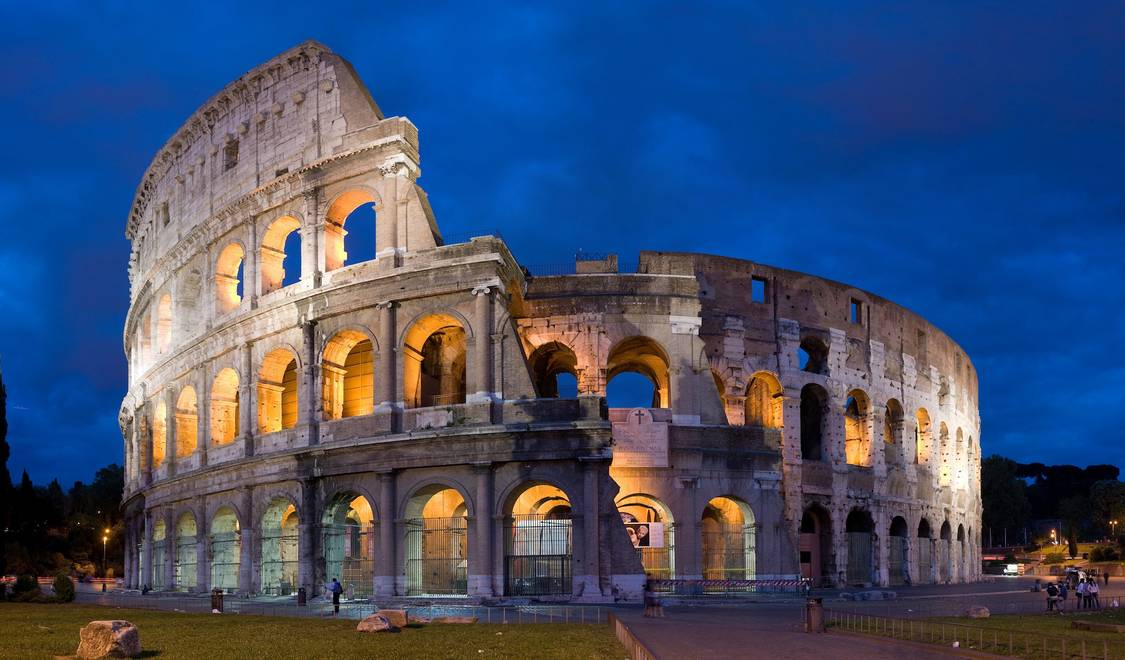
The enormous oval amphitheater from ancient Rome is one of the city's most iconic ruins. Visitors can explore its stands and underground structures. Skip-the-line tickets are recommended.
The political and religious hub of ancient Rome, featuring remnants of temples, triumphal arches, and public buildings. It can be visited alongside Palatine Hill for insights into the ancient city center.
One of Rome’s seven hills, traditionally considered the founding site of the city. It overlooks the Roman Forum and Colosseum and features palace ruins and gardens.
A major square in the center of Rome's traffic network, featuring the grand Vittorio Emanuele II Monument. It serves as a key route connecting to the Roman Forum and Capitoline Hill.