Madrid-Barajas Adolfo Suárez Airport is Spain's most important international aviation hub, located to the northeast of the city, connecting Europe and intercontinental routes. The facilities are well-equipped, with convenient public transportation such as the metro, airport buses, and taxis, providing quick access to the city center.
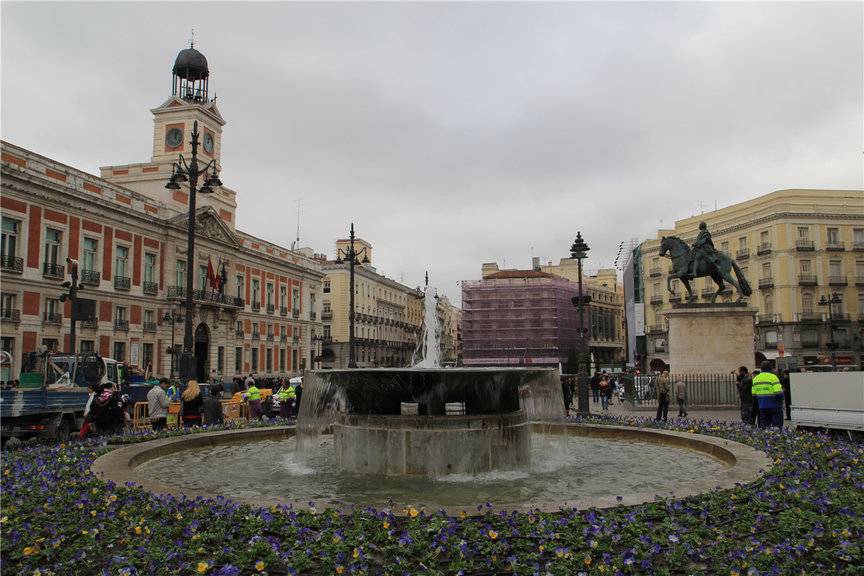
Puerta del Sol is one of the most bustling landmarks of Madrid, and the starting point of Spain's 'kilometer zero' for roads. The square features the famous 'Bear and Strawberry Tree' statue, surrounded by shops, restaurants, and pedestrian streets, making it an ideal starting point to experience the city's atmosphere.
Plaza Mayor in Madrid is an enclosed rectangular square surrounded by archway buildings, with a statue of Philip III on horseback at its center. The surrounding area is filled with traditional restaurants and cafes, making it a popular spot to enjoy Spanish tapas and local life.
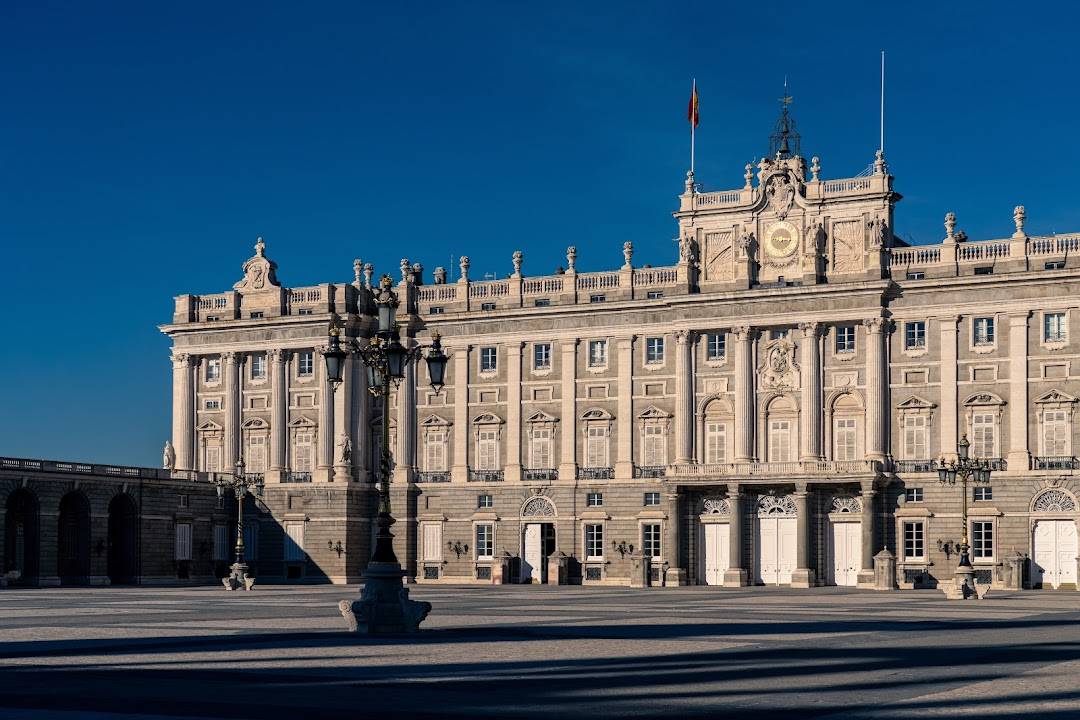
The Royal Palace of Madrid is the official residence of the Spanish royal family and one of the largest palaces in Europe by area. It features opulent throne rooms, armories, and art collections. Outside are the Sabatini Gardens and the Plaza de Oriente, ideal for strolling and taking photographs.
The Almudena Cathedral, located opposite the Royal Palace, is one of Madrid's most important Catholic churches. The architecture blends neo-classical and neo-Gothic elements, with a modern and bright interior. A viewing point on the dome or rooftop offers views over the city and the Royal Palace.
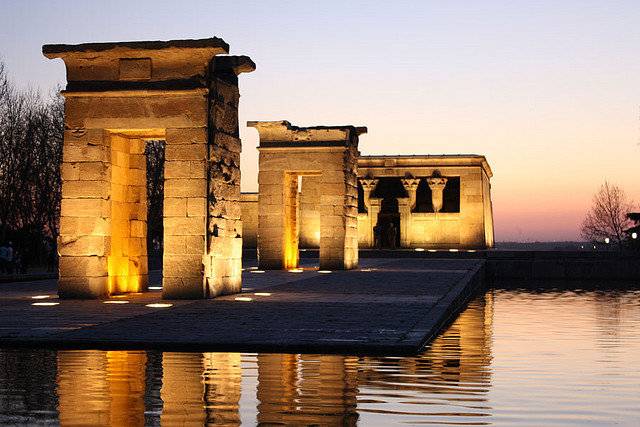
The Temple of Debod is an ancient Egyptian temple relocated to Madrid, situated on an elevated area of Parque del Oeste. It is a classic spot to watch Madrid sunsets and enjoy panoramic views of the Royal Palace; the surrounding greenery is perfect for evening strolls.
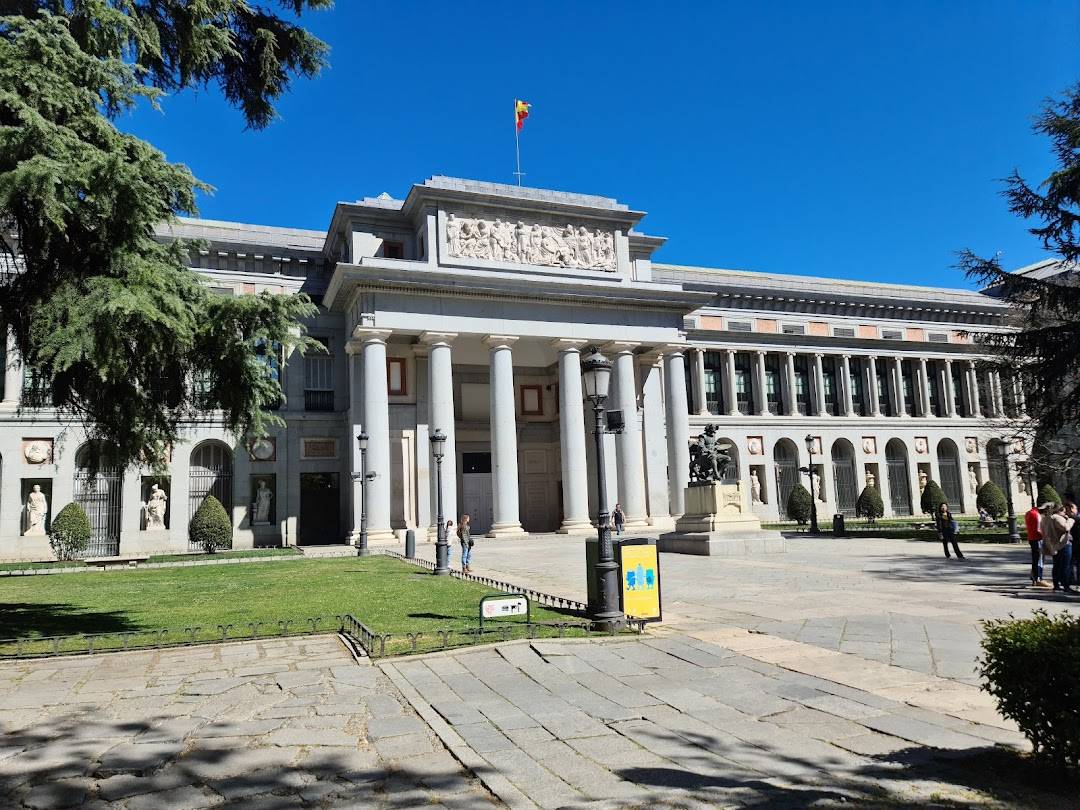
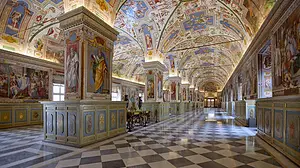
The Prado Museum is one of the world's top art museums, housing a vast collection of works by Spanish and European masters, including Goya, Velázquez, and Rubens. The immense collection makes it advisable to plan key exhibits in advance.
The Retiro Park is one of the largest urban parks in the center of Madrid, boasting vast green spaces, lakes, and sculptures. Visitors can rent boats at the central lake, and enjoy the scenic Crystal Palace and Rose Garden, popular spots for jogging and leisure among the locals.
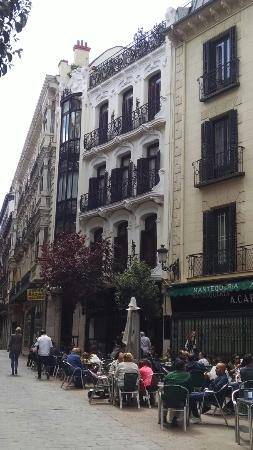
The Barrio de las Letras, or Literary Quarter, was home to literary giants such as Cervantes and is now filled with taverns, cultural cafés, and boutique shops. Literary quotes are engraved on the cobblestones, making it ideal for a nighttime stroll and dining.
Madrid Atocha Train Station is the main hub for Spain's high-speed trains (AVE), connecting cities like Barcelona and Seville. The station's spacious interior features a famous indoor tropical garden, serving as a major gateway for travelers across the country.
La Rambla is Barcelona's most famous pedestrian street, stretching from Plaça de Catalunya to the Columbus Monument at the waterfront. Lined by rows of trees, it features flower stalls, cafes, street performers, and vendors—a symbol of the city's vibrant energy.
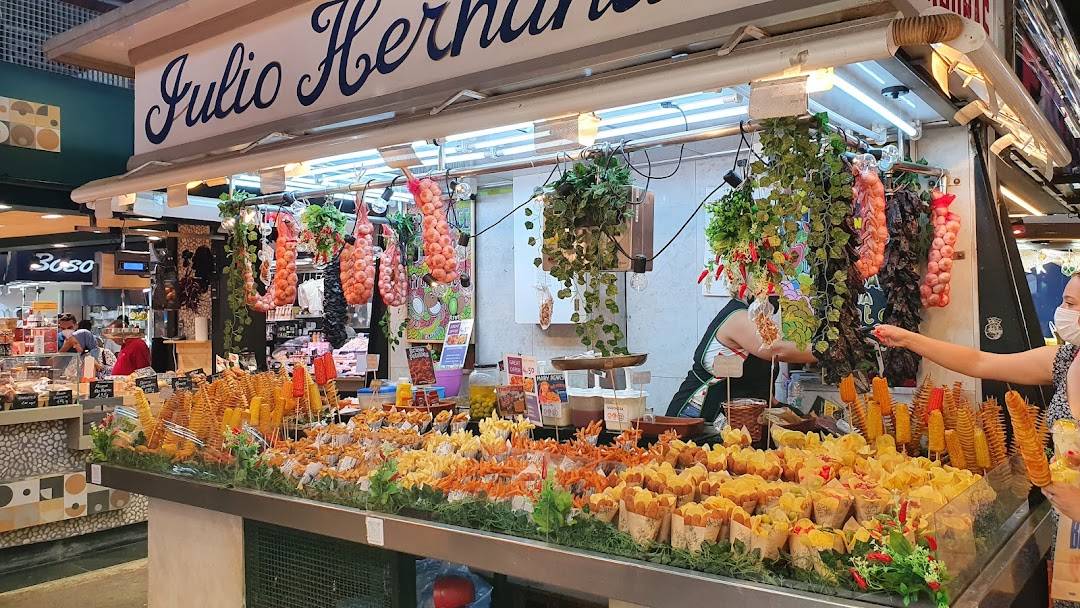
La Boqueria Market, located next to La Rambla, is Barcelona's most renowned market. Its colorful stalls sell fresh fruits, seafood, cured ham, and a variety of snacks. Many stalls have bar counters where you can sample local delicacies while exploring.
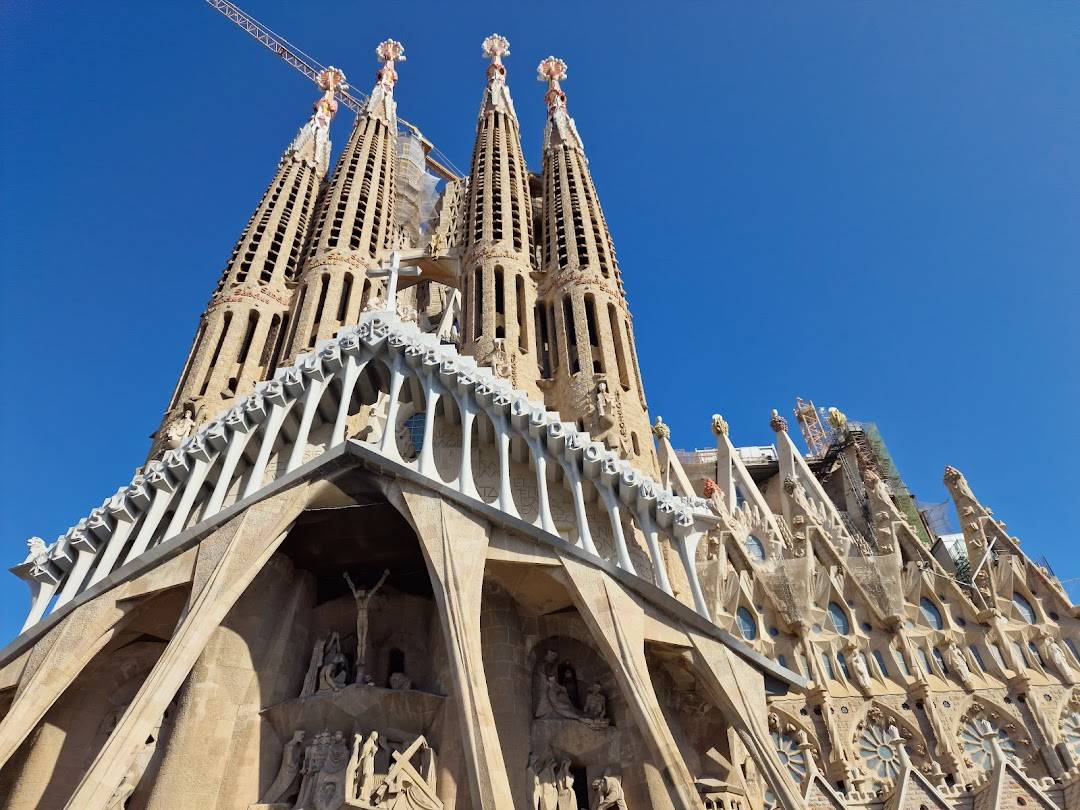
The Sagrada Família, the pinnacle of Gaudí's work, is an iconic symbol of Barcelona and an unfinished modernist cathedral. Its detailed exterior carvings and dazzling interior light effects are remarkable. Online reservations are recommended to avoid long queues.
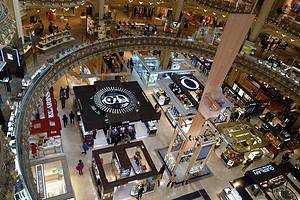
Passeig de Gràcia is Barcelona's upscale shopping street, featuring luxury brands and designer shops, as well as a showcase of modernist architecture. Gaudí's famous Casa Batlló and La Pedrera (Casa Milà) are located here.
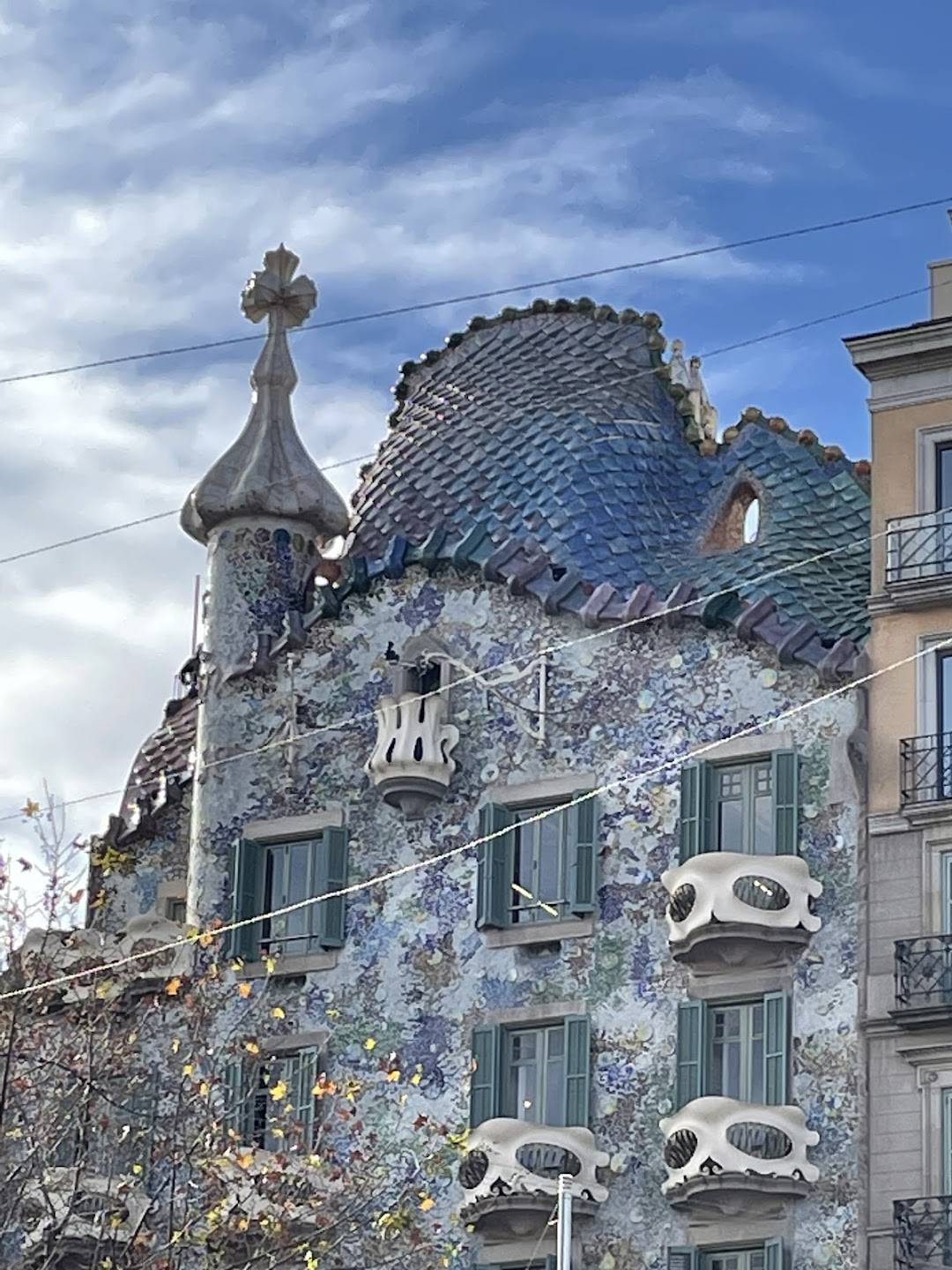
Casa Batlló, designed by Gaudí, is a residential building famous for its wave-like facade and colorful mosaics, resembling an underwater world. The interior features organic curves and clever lighting designs, making it a prime example of modernist architecture.
La Pedrera, also known as 'The Quarry,' was designed by Gaudí and is renowned for its undulating stone facade and imaginative rooftop chimneys. The rooftop terrace offers views of the city and showcases Gaudí's unique approach to structure and form.
The Gothic Quarter is the medieval old town core of Barcelona, filled with narrow alleys and ancient buildings. The area includes the Barcelona Cathedral, small squares, and remnants of Roman walls. At night, the lively bars and restaurants add to the ambiance.
The Barcelona Cathedral is a majestic Gothic church located in the heart of the Gothic Quarter. Its soaring interior ceilings and exquisite altar are impressive, while a cloister with resident white geese is a unique feature.
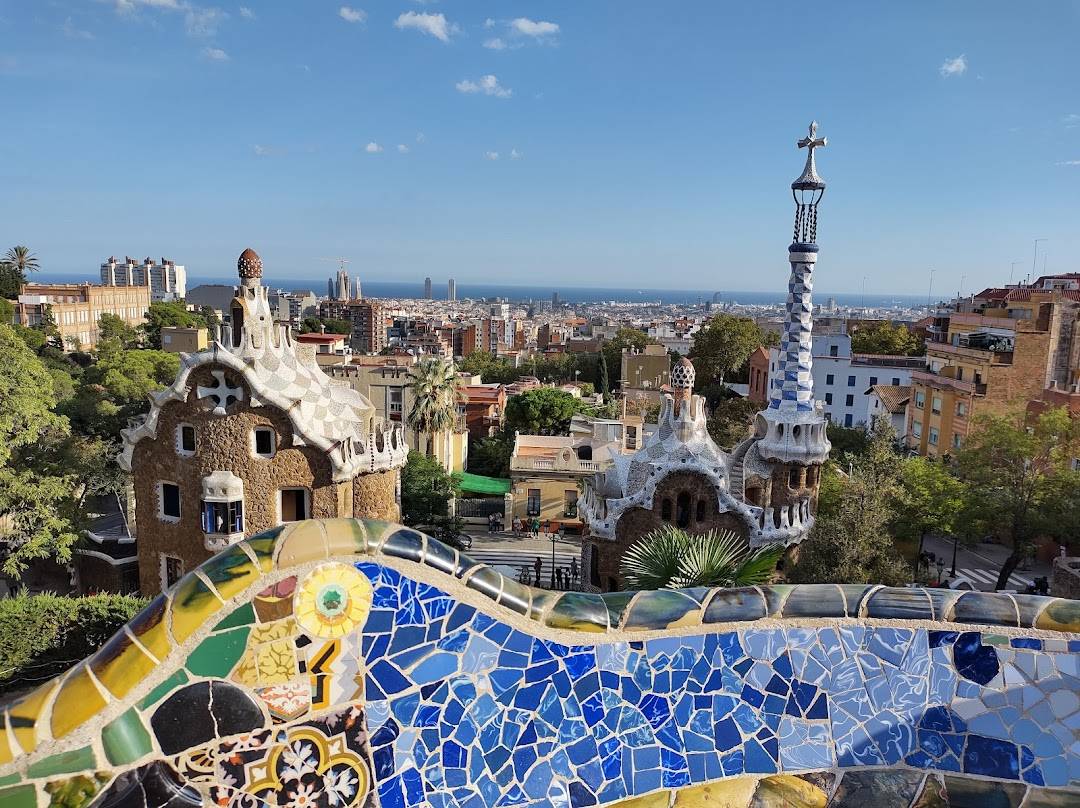
Parc Güell, designed by Gaudí and situated on a hill, is one of the most representative landscapes of Barcelona. The park features colorful mosaic lizards, wave-like benches, and enchanting architecture, with a terrace offering panoramic views of the city and the sea.
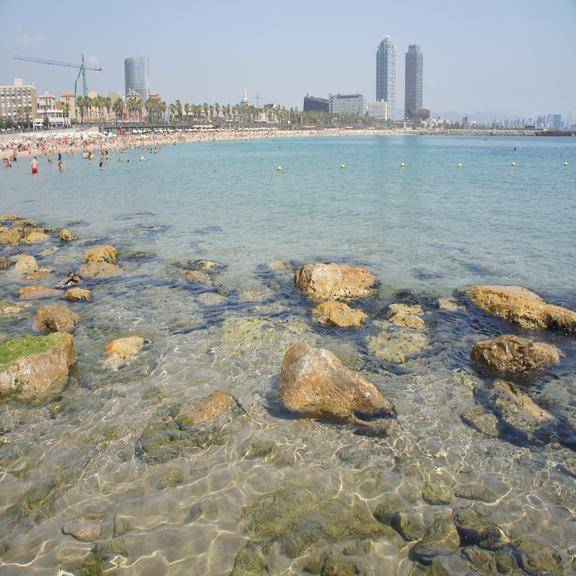
Barceloneta Beach is a city beach close to the center, offering a boardwalk, restaurants, and seafood bars along the coast. During the day, visitors can sunbathe or swim; in the evening, it's ideal for seaside walks and enjoying the Mediterranean breeze.
The Old Port is Barcelona's historic harbor area, now transformed into a waterfront district with marinas, shopping centers, and leisure spaces. The area is especially picturesque in the evening, with yachts and the sea illuminated by the lights.
Barcelona Sants Railway Station is the city's largest train hub, connecting domestic and international high-speed and long-distance trains, such as routes to France. The station is well-equipped, serving as a key starting point for exploring the French Riviera and beyond.
The Promenade des Anglais is the famed seaside walkway in Nice, stretching several kilometers along the Baie des Anges. Lined with palm trees and open views of the sea, it's a popular spot for biking, strolling, and enjoying the sunrise and sunset.
Nice's Old Town retains its narrow, winding alleys and colorful historic buildings, filled with cafes, restaurants, and shops. The famous Cours Saleya Market is located here, offering flowers and food in the morning.
Castle Hill is the highest point overlooking Nice, featuring a viewpoint, waterfalls, and a park with ruins. From here, you can admire the roofs of the old town and the coastline of the French Riviera. Visitors can reach the summit by walking or by elevator.
Villefranche-sur-Mer is a charming seaside town near Nice, known for its colorful seafront houses and natural deep-water bay. With a relaxed pace, it is an excellent option for short coastal strolls and dining trips from Nice.
Cannes, famous for its international film festival, is an upscale resort city on the French Riviera. Its beachfront promenade is lined with luxury hotels, designer boutiques, and sandy beaches, while the Old Port and Old Town exude traditional Mediterranean charm.
Nice's main train station, Gare de Nice-Ville, serves TGV high-speed trains and regional lines, connecting Paris and various destinations along the French Riviera. The station is conveniently located near the city center and the coastline.
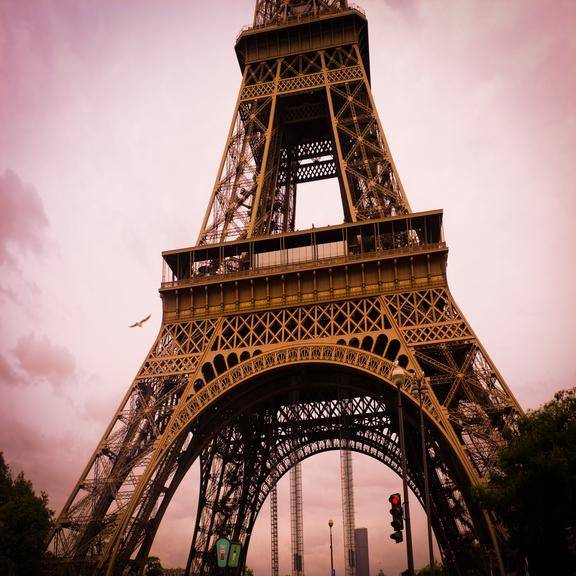
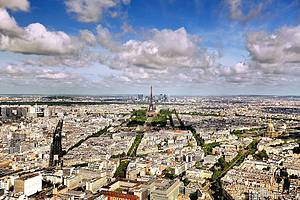
The Eiffel Tower is a symbol of Paris and France, located at one end of the Champ de Mars park by the Seine River. Visitors can climb the tower for panoramic city views, and nighttime light displays make it an unmissable attraction.
The Champ de Mars is an expansive open lawn park located at the foot of the Eiffel Tower. It is a popular spot for picnics, taking panoramic photos of the tower, and nighttime strolls. Events and gatherings are often held here on holidays.
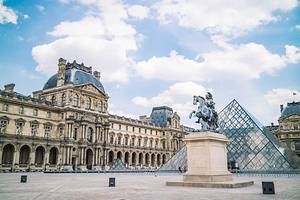
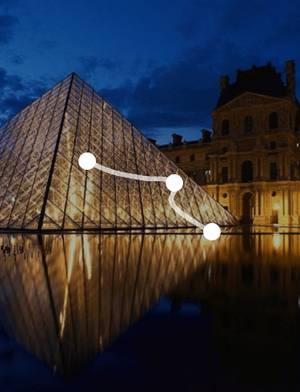
The Louvre is among the world's largest and most famous art museums, renowned for its vast collection and iconic glass pyramid entrance. Masterpieces like the 'Mona Lisa,' 'Venus de Milo,' and 'Winged Victory' are some of its highlights. Plan sufficient time for your visit.
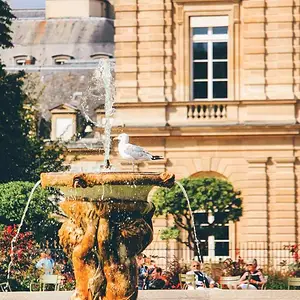
The Tuileries Garden lies between the Louvre and Place de la Concorde and is a classic French symmetrical garden. It features fountains, sculptures, and tree-lined avenues, serving as a relaxing green space in central Paris.
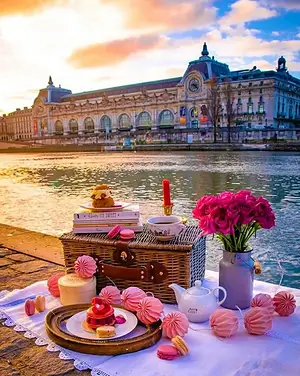
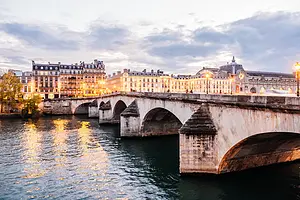
The Seine River flows through Paris, with landmarks like the Eiffel Tower, the Louvre, and Notre-Dame Cathedral along its banks. A boat tour offers a short yet comprehensive view of many sites, especially enchanting at sunset.
Notre-Dame Cathedral, located on Île de la Cité, is a masterpiece of Gothic architecture. Although currently under restoration due to fire damage, its exterior, facade sculptures, and the surrounding scenery on the island remain worth a visit.
Île de la Cité is the historical heart of Paris, situated in the middle of the Seine River. Besides Notre-Dame, the island hosts Sainte-Chapelle and the Conciergerie. Strolling its small streets and riverbanks offers a glimpse of its old-world charm.
Sainte-Chapelle is renowned for its towering stained-glass windows, called the 'jewel box of light.' Almost entire walls of the chapel are made of colorful stained glass, creating a dazzling effect when sunlight pours in. Guided entry reservations are recommended due to high foot traffic.