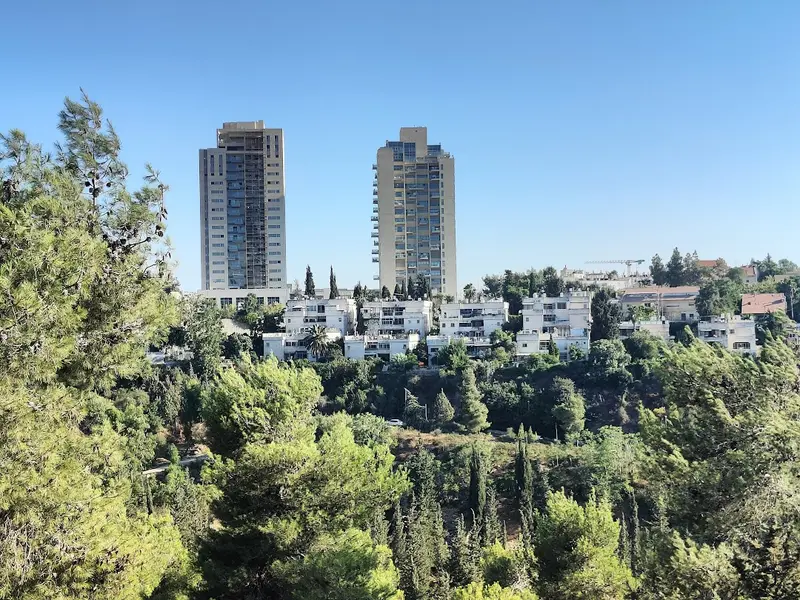
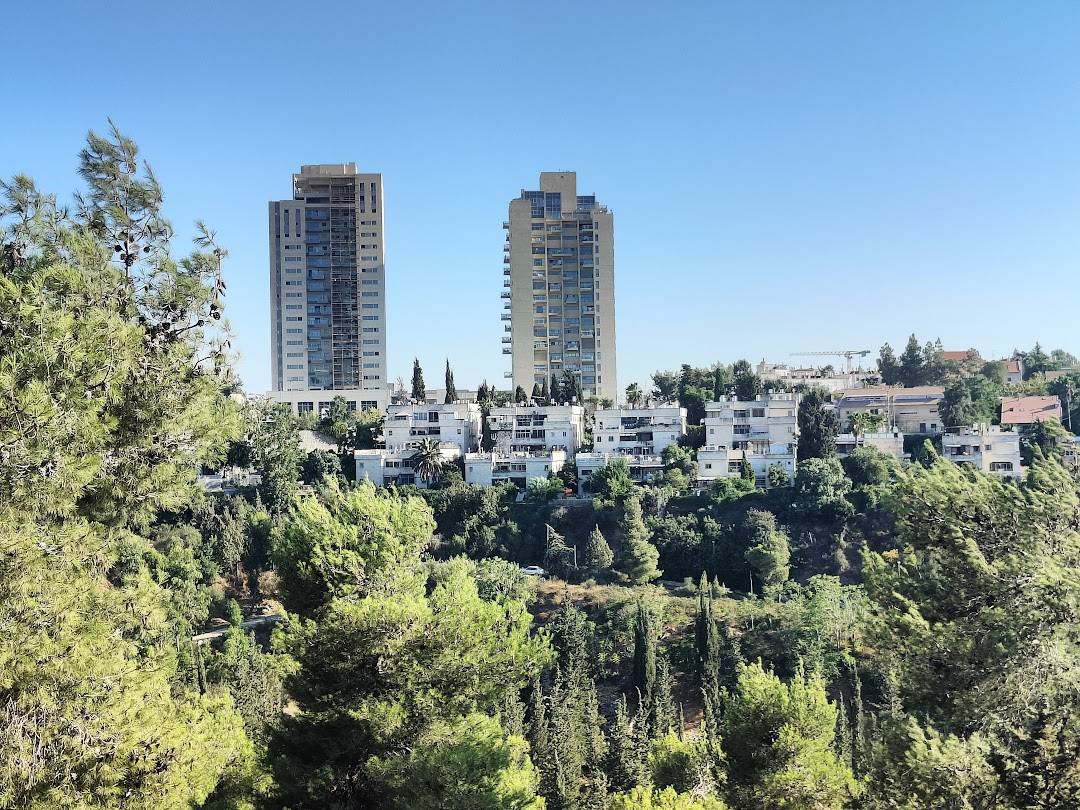
Jerusalem is the capital of Israel and an important holy city for the world's three major monotheistic religions. It is home to many religious and historical sites, including the Old City, Temple Mount, Western Wall, and Church of the Holy Sepulchre. The mild climate in spring and autumn makes it an ideal time for strolling through the Old City and exploring religious and historic sites. Winter may bring rain or cooler weather, requiring adequate warm clothing.
Tel Aviv is Israel's modern coastal city, famous for its Mediterranean beaches, nightlife, and Bauhaus architecture. Temperatures in spring and autumn are moderate, with plenty of sunlight, making it ideal for seaside relaxation and city walking. Although summer boasts a lively beach atmosphere, it can be hot and crowded with tourists.
Eilat is Israel's southernmost coastal city, located by the Red Sea and renowned for diving, snorkeling, beach vacations, and coral reef views. Winter features warm temperatures and little rainfall, making it the best time for escaping the cold and engaging in seaside activities. Summer is intensely hot, suitable for short sea outings but requires attention to sun protection.
The Sea of Galilee is Israel's largest freshwater lake and an important Christian holy site, surrounded by resort towns like Tiberias and various religious landmarks. The lake's scenery in autumn is pleasant, with moderate temperatures. It is ideal for self-driving trips around the lake, hiking, and cultural-religious exploration. In spring, the blooming wildflowers also add stunning beauty.
The Golan Heights, located in northeastern Israel at high altitudes, features volcanic landscapes, vineyards, and scenic viewpoints. Some areas might experience snowfall during winter. Spring and summer are suitable for hiking, sightseeing, and winery tours, while winter requires caution regarding low temperatures and possible snow accumulation.