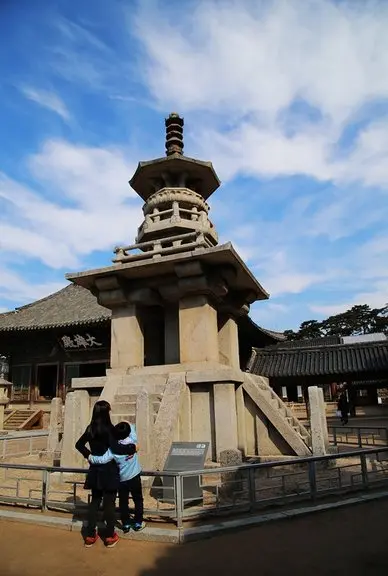
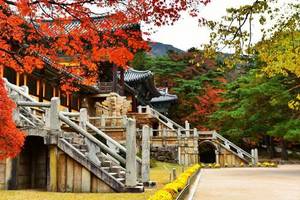
Bulguksa Temple is one of the representative Buddhist temples from the Silla period and is recognized as a UNESCO World Cultural Heritage site, famous for its exquisite stone architecture and wooden halls. The Dabotap and Seokgatap pagodas within the temple are considered masterpieces of ancient Korean stone pagoda architecture, showcasing Silla's advanced craftsmanship. With its tranquil environment surrounded by mountains, it is a must-visit destination to experience Korean Buddhist art and religious ambiance.
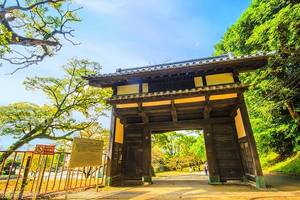
The Unification Hall is located between Bulguksa Temple and the city center and serves as a commemorative structure or facility related to the history of Silla's unification. It offers a relatively quiet environment, and visitors often explore it as a historical site en route. Through explanations and materials provided, visitors can learn about the historical background and political significance of Silla as an ancient unified dynasty.
The Gyeongju National Museum is one of the most important museums for researching and displaying Silla culture, housing numerous artifacts such as gold crowns, ornaments, bronze ware, and pottery excavated from tomb groups like Cheonmachong. The exhibition halls are organized by era and theme, and multilingual explanations are available, enabling visitors to systematically understand the rise and fall of the Silla Kingdom, its religious art, and aristocratic life. It is an essential location for delving into Gyeongju's history.
Donggung Palace and Wolji Pond are the remains of the royal palace and garden from the Silla period, originally used as a residence for princes and royal banquets. The pond (now called Wolji Pond) is renowned for its tranquil water surface and the reflections of buildings and shadows of trees. At night, the illuminated reflections are picturesque, making it one of Gyeongju's most representative night views. During the day, visitors can stroll through the gardens and ruins, experiencing the ancient royal atmosphere.
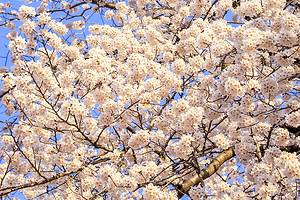
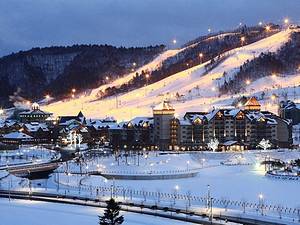
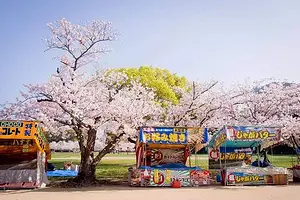
Bomun Lake is a large artificial lake located in the Bomun Tourism Complex of Gyeongju, surrounded by walking paths and bike trails. Each season offers different sceneries, such as cherry blossoms in spring and red maple leaves in autumn. Encircled by resorts, hotels, and recreational facilities, it is a popular spot for locals and tourists to walk, jog, cycle, and admire the lake's picturesque scenery.
The Gyeongju World Culture EXPO Park serves as the venue for successive World Cultural Expos and features exhibition halls, a cultural tower, outdoor plazas, and walking paths. With Korea and cultures from around the world as themes, the park regularly hosts art exhibitions, light shows, and cultural activities, making it a multifunctional park for exhibitions, leisure, and sightseeing.
Silla Millennium Park is a theme park focusing on the history of the Silla Dynasty, recreating ancient castles, palaces, and residential scenes. It offers activities such as traditional costume experiences, martial arts performances, and historical plays. Visitors can gain a more direct understanding of daily life and court culture during the Silla era through immersive scenes and performances, making it a suitable destination for families and history enthusiasts.
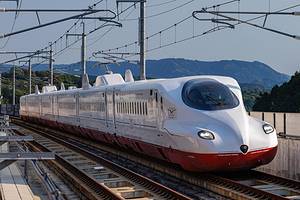
Gyeongju Train Station is one of the major transportation hubs for entering and leaving Gyeongju, surrounded by tourist information centers, restaurants, and shops. The visitor center in front of the station provides maps, guides, and travel consultation, making it a convenient place to plan itineraries, transfer to other transportation modes, and purchase simple souvenirs.