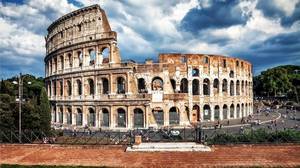
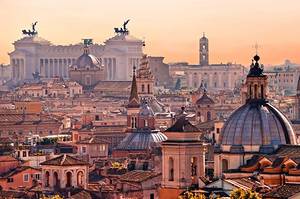
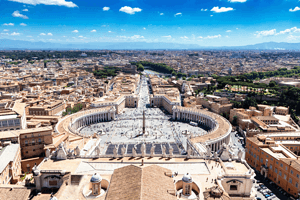
The capital of Italy, famous attractions include the Colosseum, Roman Forum, Vatican and St. Peter's Basilica, Trevi Fountain, etc. Visit ancient ruins during the day and experience vibrant streets and restaurants in Trastevere at night.
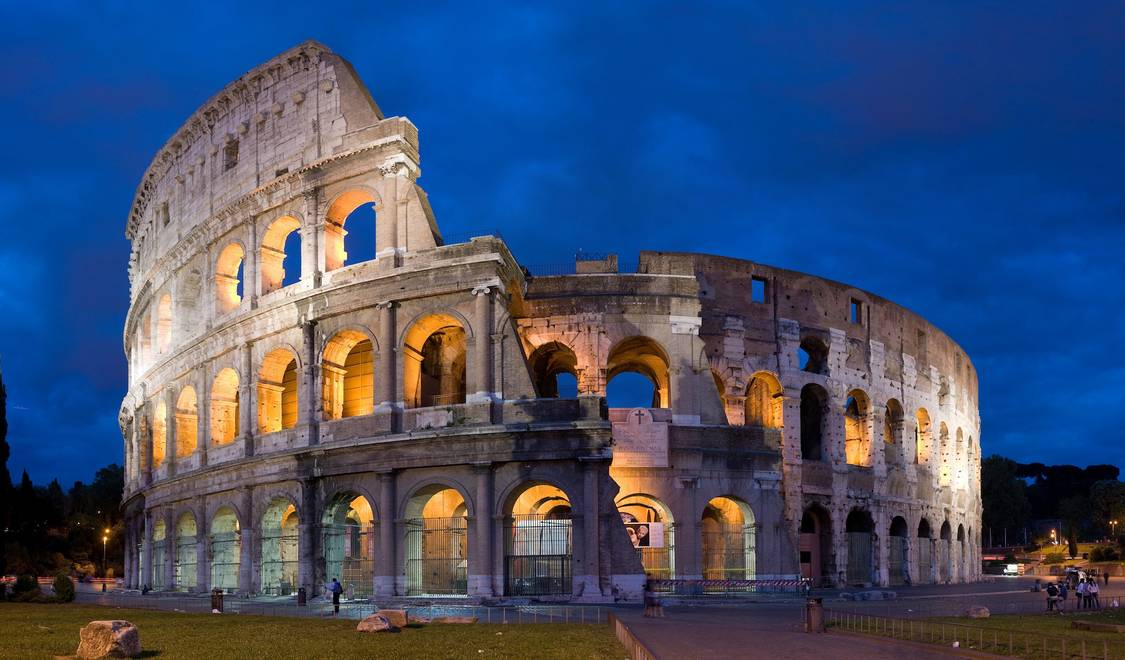
The largest amphitheater of ancient Rome and one of the city's most iconic landmarks, once used for gladiator performances and public entertainment. Now it's an important site to understand Roman architecture and history.
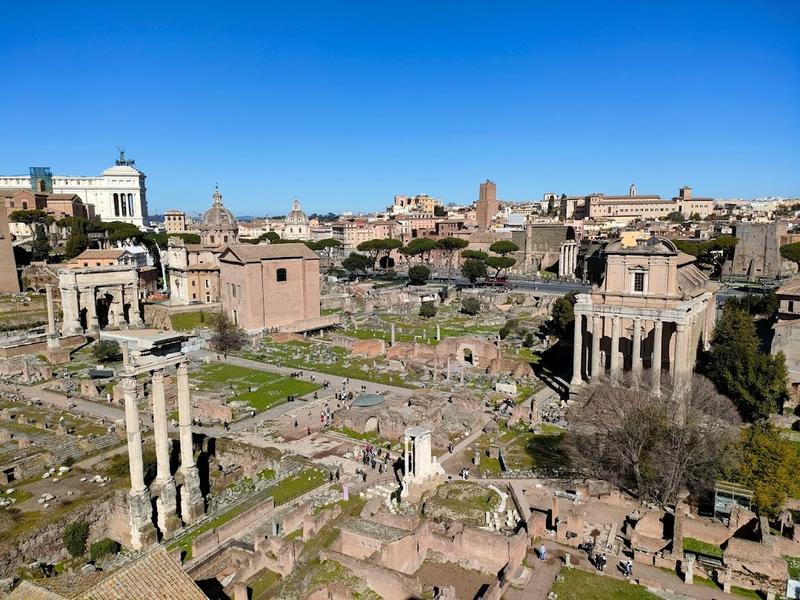
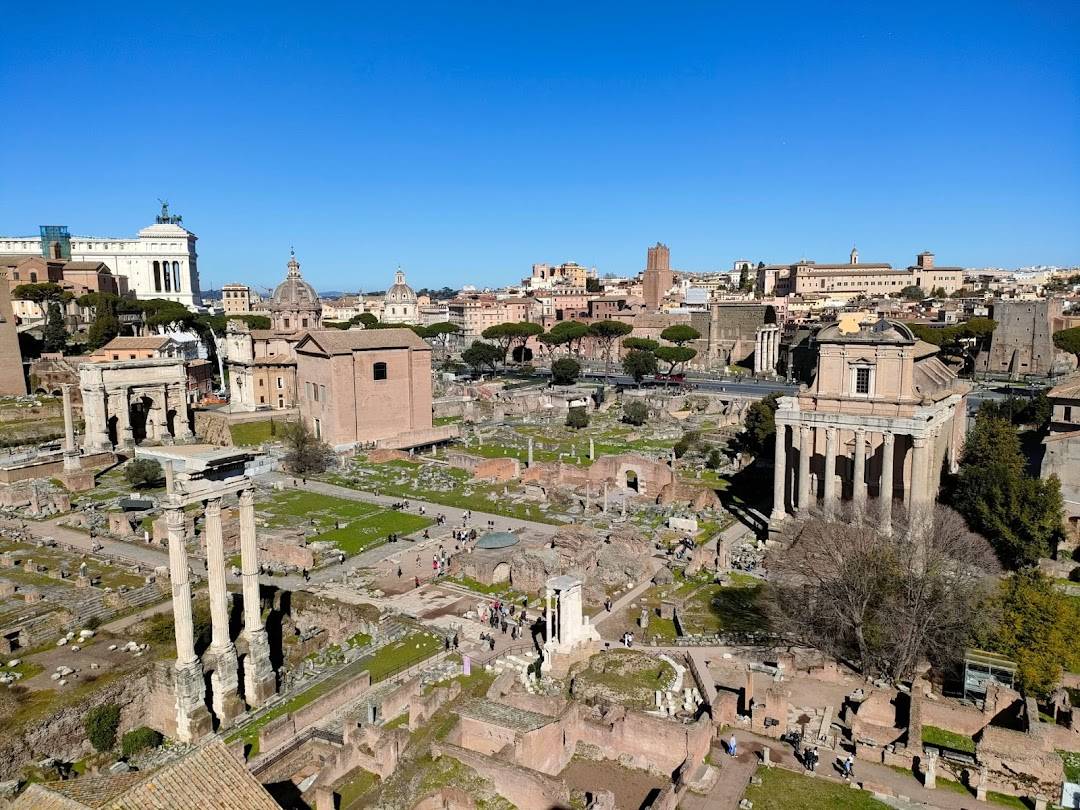
Located near the Colosseum, the political, religious, and commercial center of ancient Rome, featuring ruins of temples, triumphal arches, and public buildings. It is an archaeological area critical for studying Roman civilization and city planning.
The largest and most famous Baroque-style fountain in Rome. Visitors often throw coins to make wishes. The fountain's intricate and grand sculptures make it one of the city's iconic attractions.
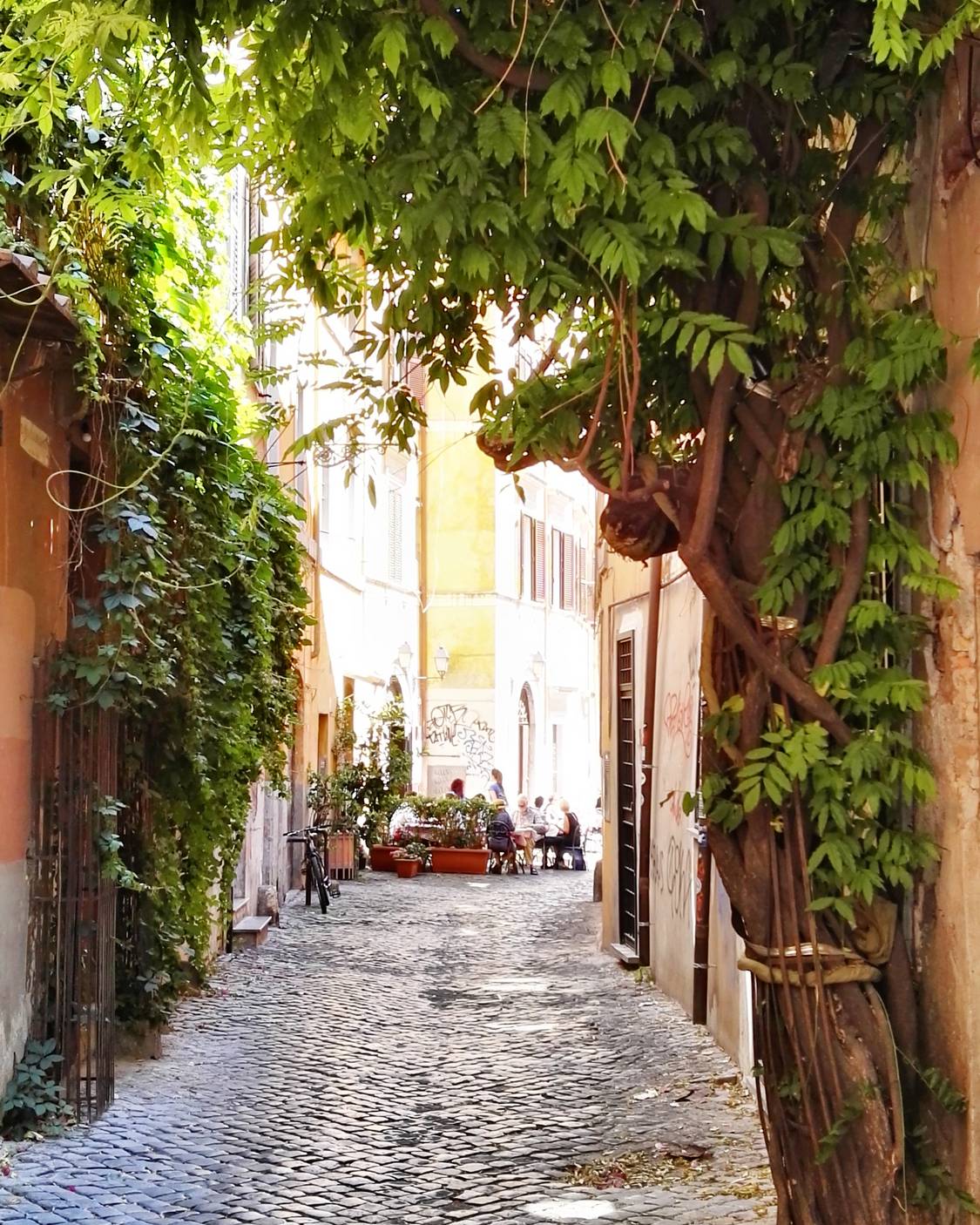
A historic district on the western bank of the Tiber River, known for its narrow alleys, traditional restaurants, and lively nightlife. It’s a popular area to experience the local Rome atmosphere and cuisine.
The cradle of the Renaissance, known for the grand Florence Cathedral, the art-rich Uffizi Gallery, and the Ponte Vecchio over the Arno River. Piazzale Michelangelo on the city's hill offers a panoramic view of the city.
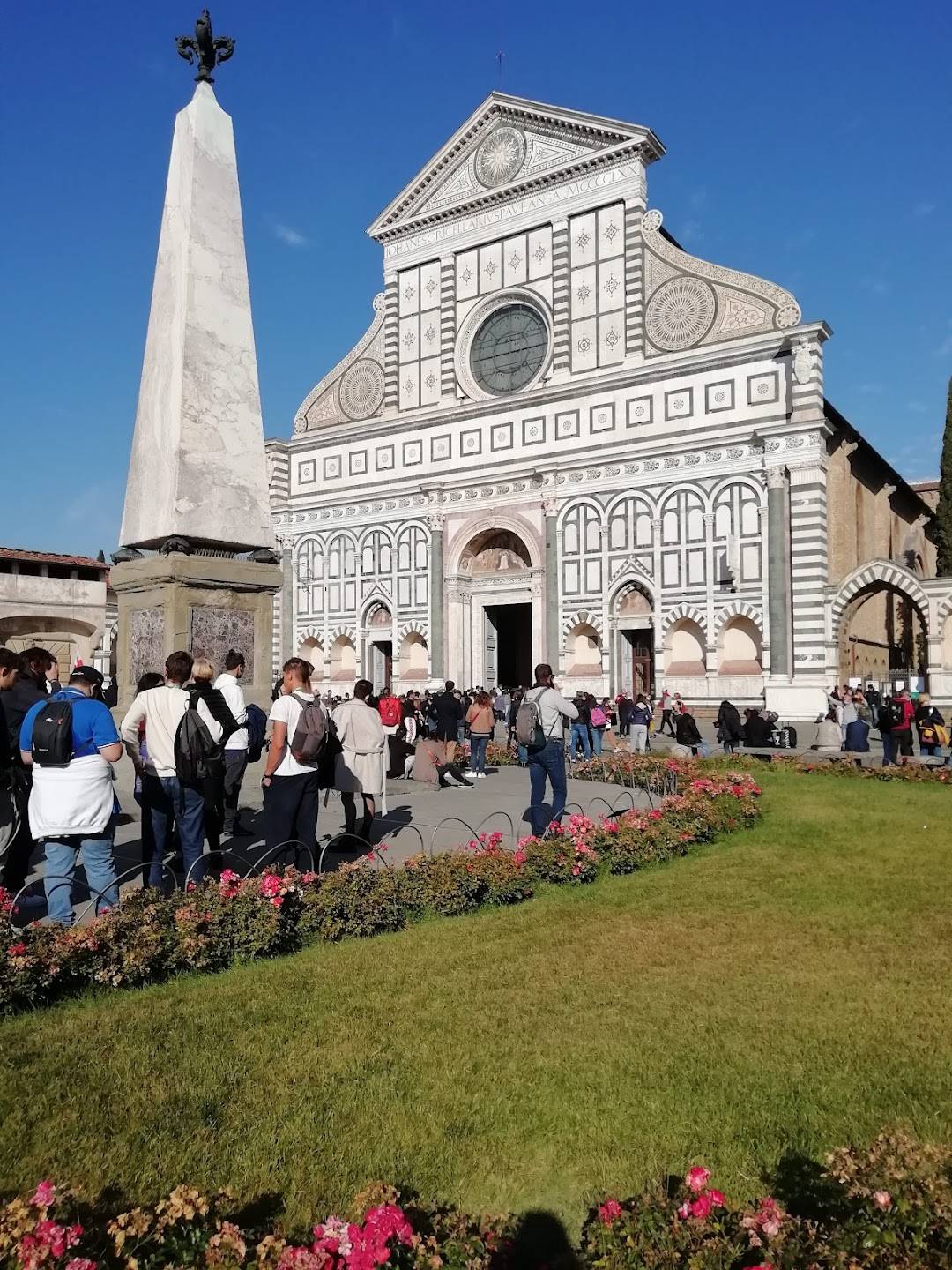
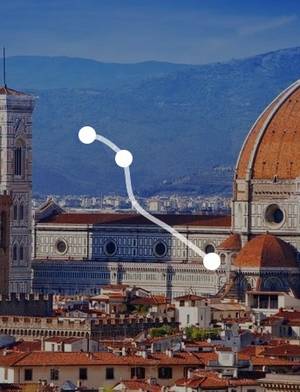
A landmark of Florence, famous for its red dome designed by Brunelleschi and its exquisite marble facade. Visitors can climb to the top for a breathtaking view of the city.
One of the world’s most important art museums, housing numerous Renaissance masterpieces, including Botticelli's 'The Birth of Venus.' A must-visit for art lovers.
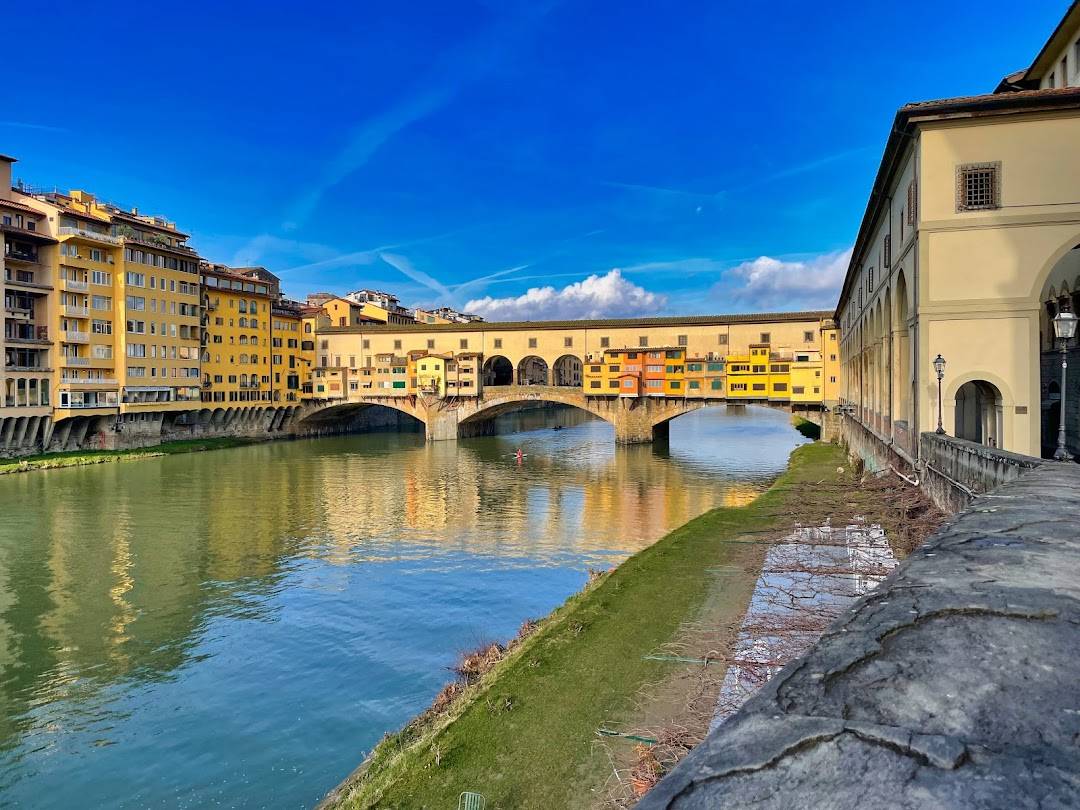
A medieval stone bridge spanning the Arno River, known for its densely packed goldsmith shops and unique bridge-house structure. It’s one of Florence’s most iconic sights.
A scenic viewing square located on a hilltop providing panoramic views of Florence and the Arno River. It’s a popular spot for watching sunsets and photographing the city skyline.
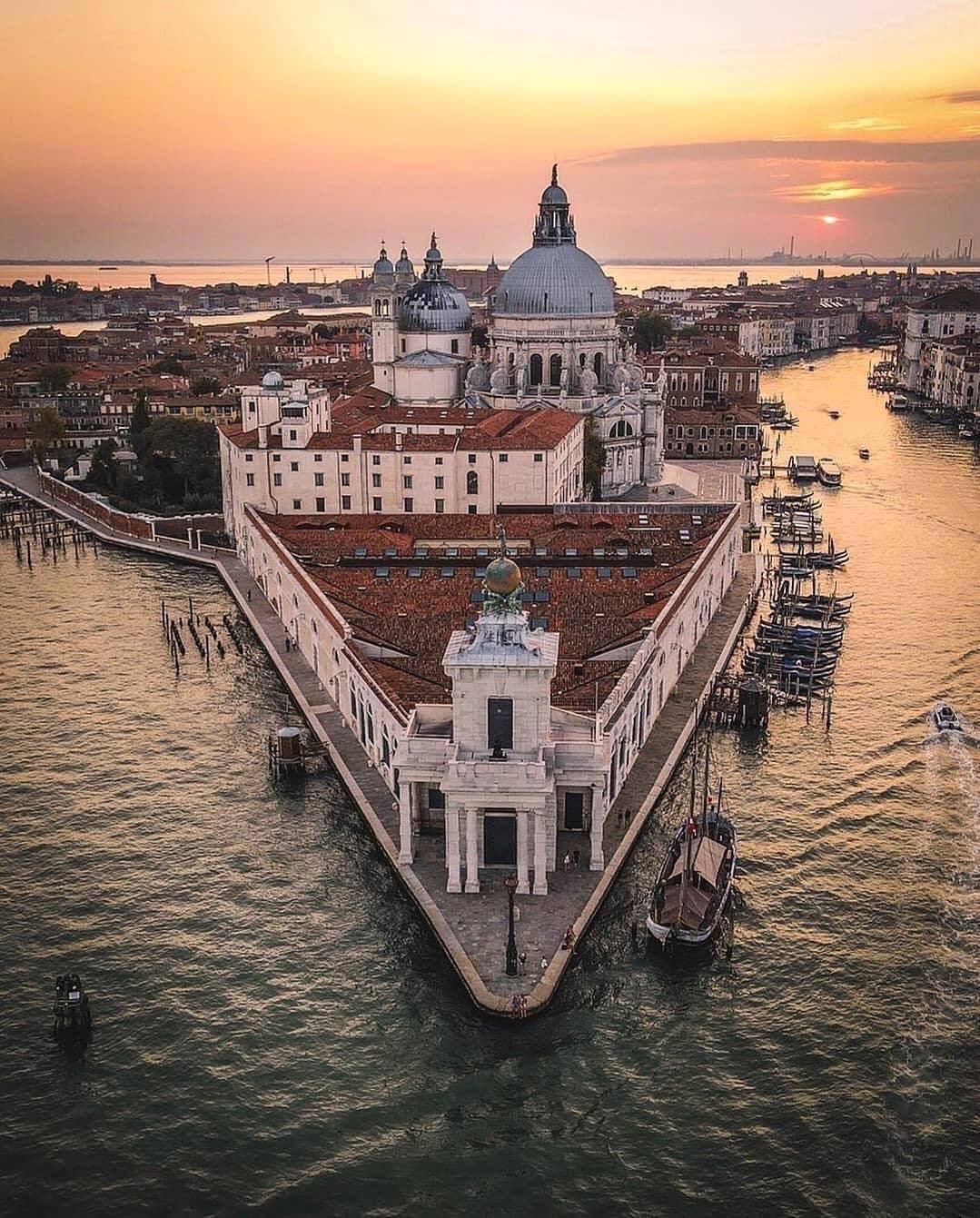
A unique city built on waterways, composed of numerous small islands and canals. Visitors can stroll through St. Mark's Square, ride a gondola or waterbus along the Grand Canal, and visit nearby Murano and Burano islands.
The central square of Venice, surrounded by important buildings like St. Mark's Basilica and the Doge's Palace. It serves as the city’s political and religious center and is one of the most crowded tourist areas.
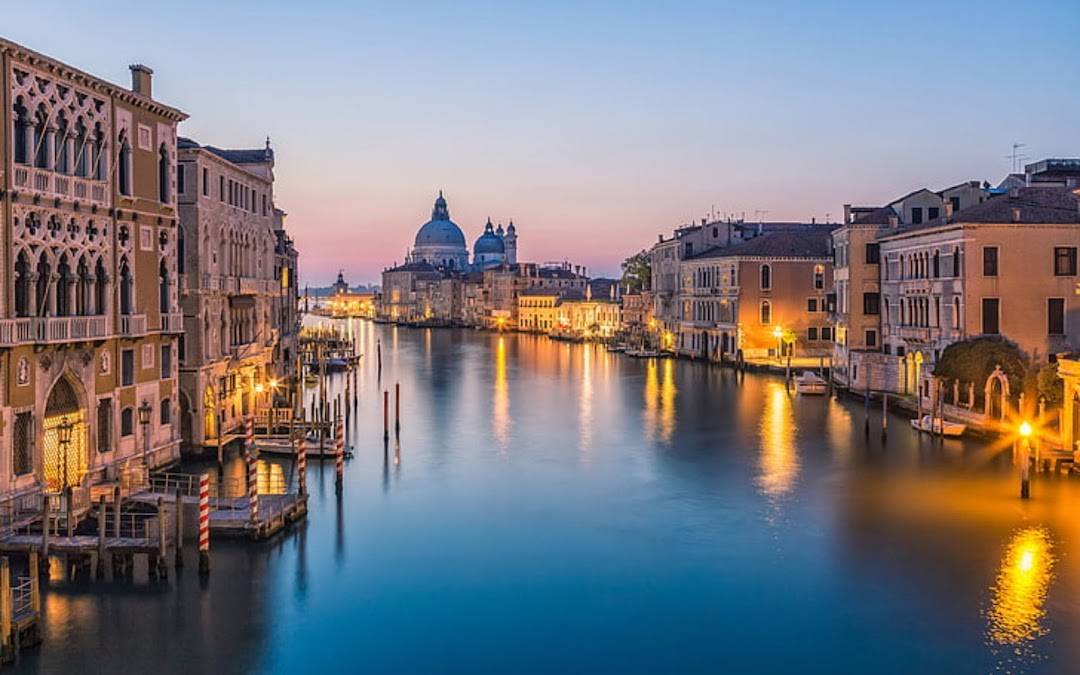
The main waterway crossing the main island of Venice, lined with palaces and churches. Riding a waterbus or gondola along the canal is a classic way to enjoy the charm of the water city.
An island in the Venetian Lagoon famous for traditional glassmaking. Visitors can find numerous workshops and exhibition halls and watch glassblowing demonstrations.
A small fishing village island known for its brightly painted houses and lace craftsmanship. It’s a popular destination for photography and experiencing the tranquil atmosphere of a water town.
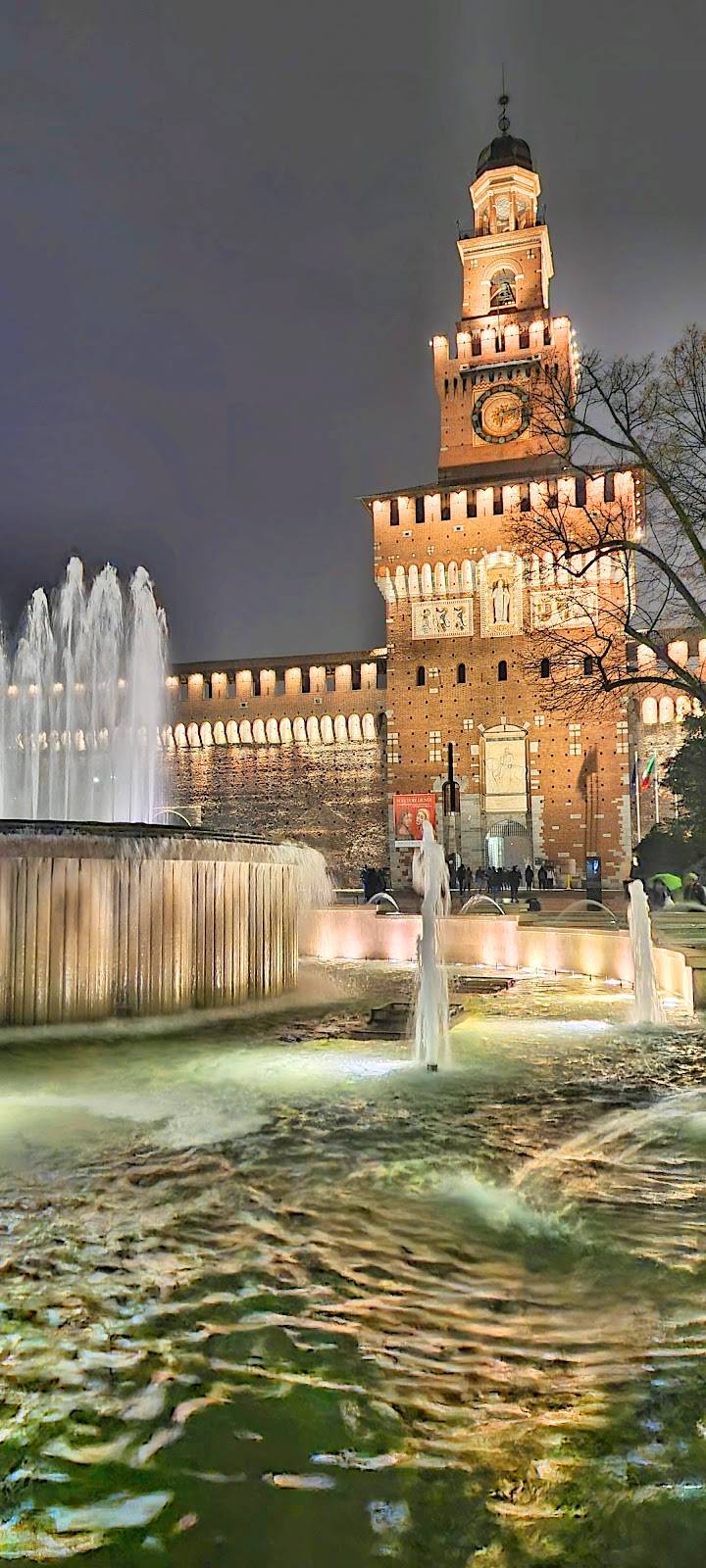
Italy's fashion and financial center, home to the spectacular Milan Cathedral, the elegant Galleria Vittorio Emanuele II, and Leonardo da Vinci's masterpiece 'The Last Supper.' It also boasts trendy areas like Brera and Navigli.
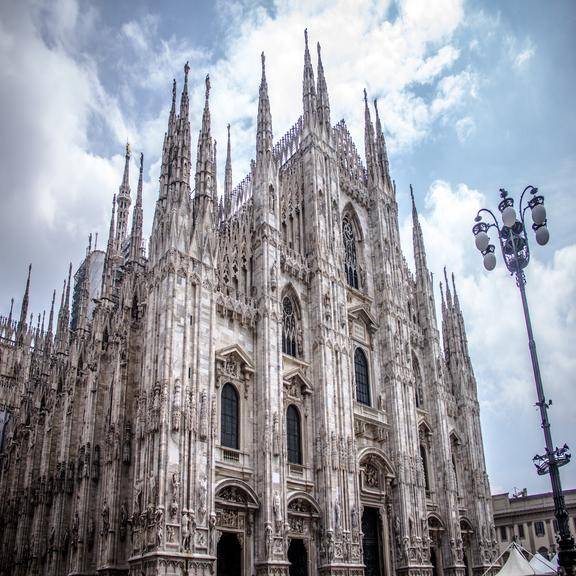
A Gothic cathedral in the city's center, renowned for its intricate spires and white marble facade. Visitors can climb up to the roof for a panoramic view of the city.
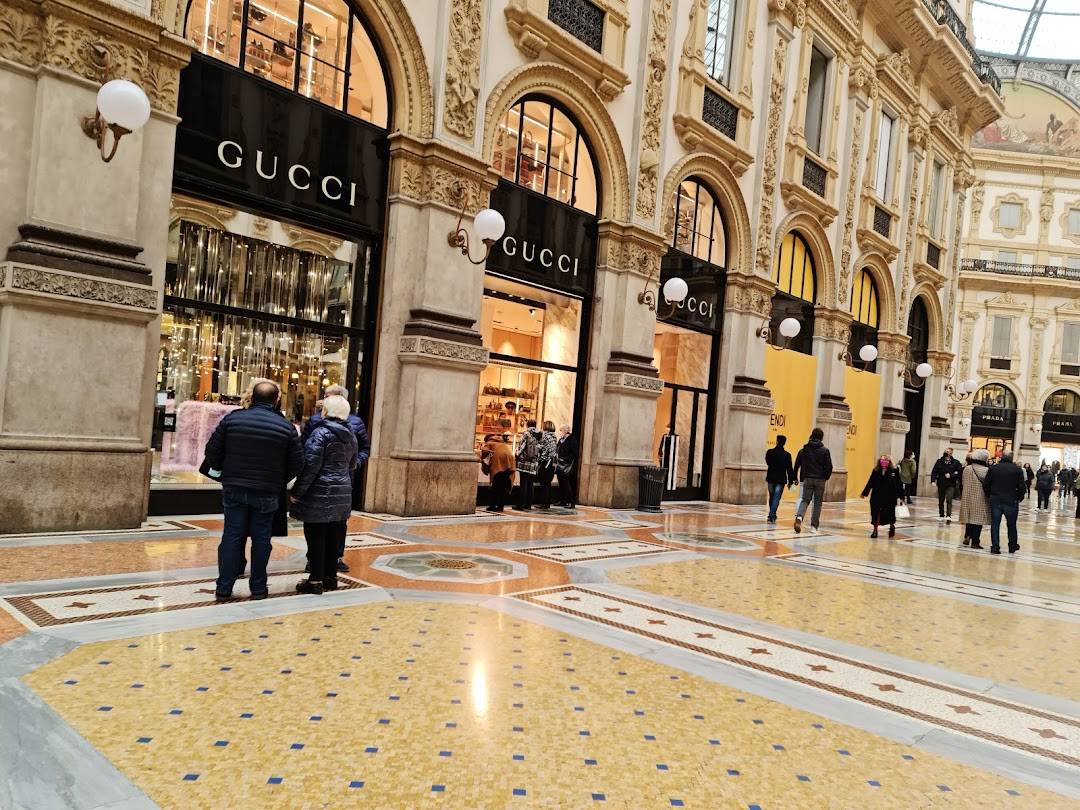
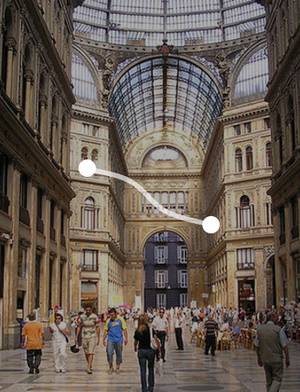
An arcade-style shopping gallery connecting the Milan Cathedral with La Scala Square, featuring glass domes and intricate mosaic floors, hosting high-end shops and coffee houses.
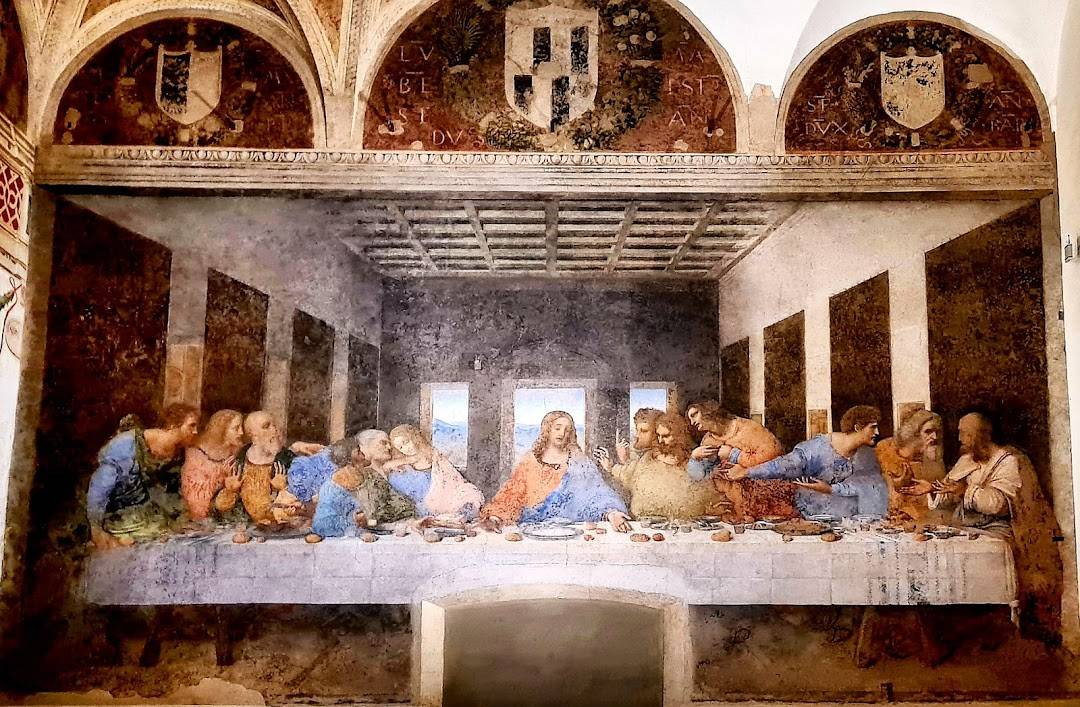
A wall painting located in the refectory of the Convent of Santa Maria delle Grazie in Milan, it’s Leonardo da Vinci’s masterpiece and requires advanced booking to visit.
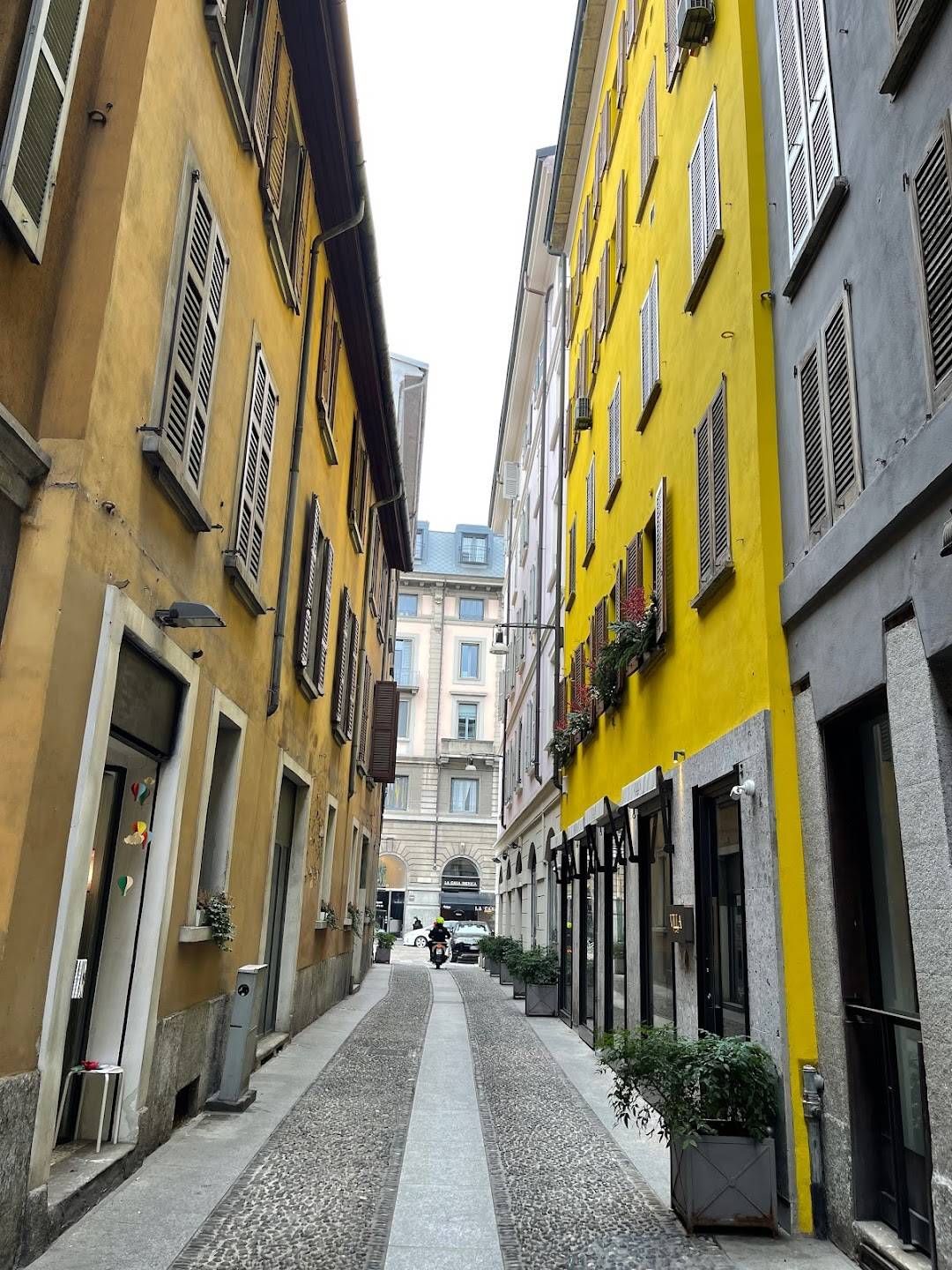
An artistic and trendy district in Milan's city center with galleries, boutiques, and bars. It's a popular area for evening leisure and shopping.
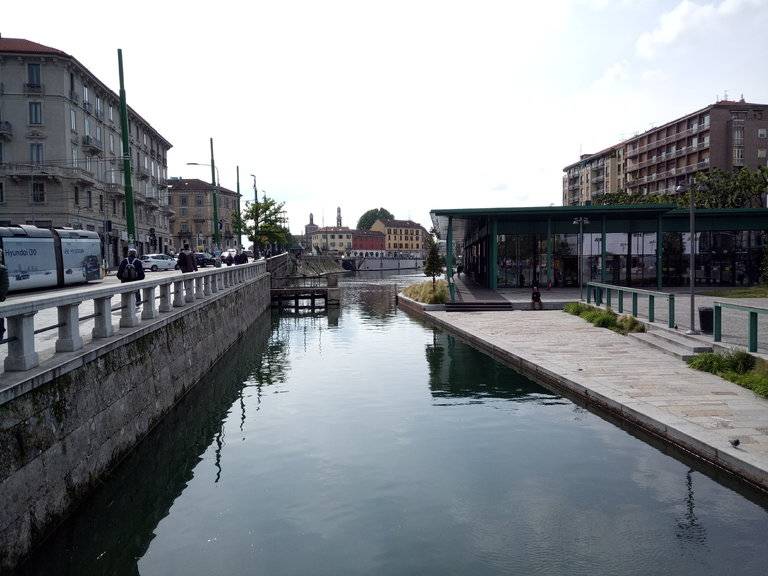
A district known for its canals and vibrant nightlife, with numerous bars and artistic shops along the rivers. It's a great place to experience Milan's social and entertainment scene.
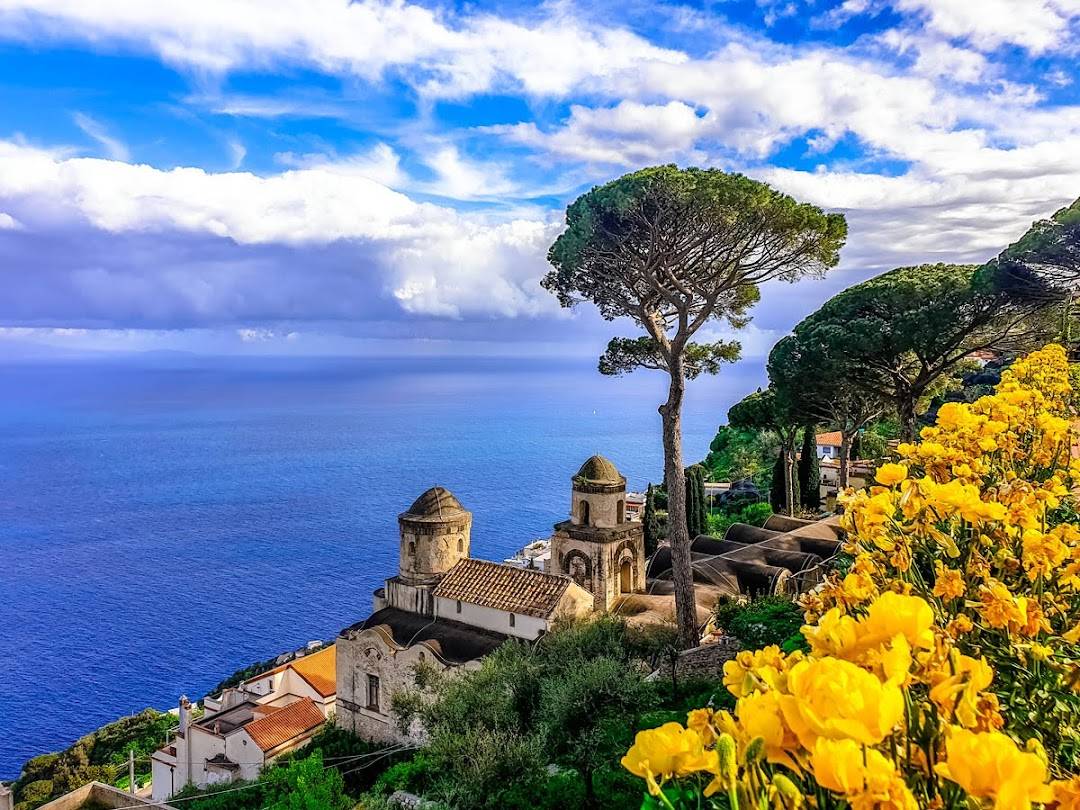
A famous coastline in southern Italy known for its steep cliffs and towns clinging to the mountains overlooking the sea. Towns like Amalfi, Positano, and Ravello make this a popular destination for road trips and vacations.
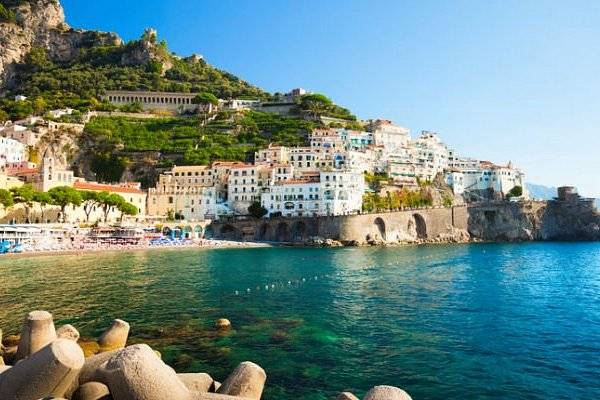
The namesake town of the Amalfi Coast, once a medieval maritime republic, known for its scenic bay and the Amalfi Cathedral. It’s a key tourist hub on the coast.
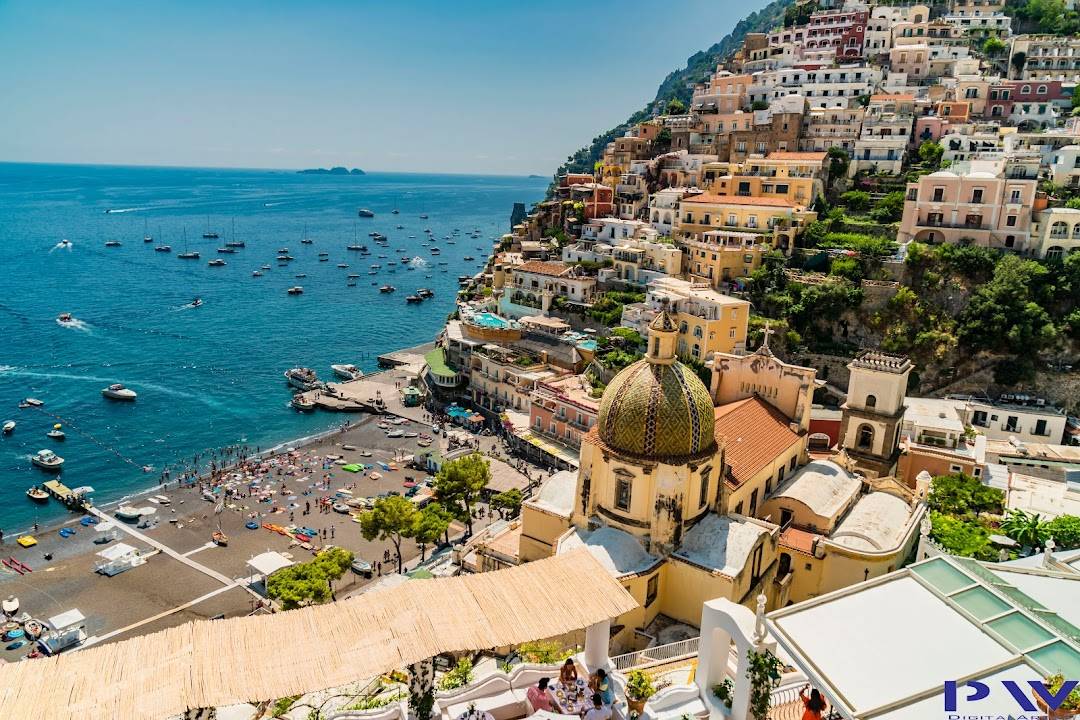
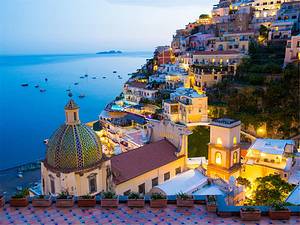
The most iconic cliffside town on the Amalfi Coast, with colorful houses cascading towards the sea. Its steep and winding streets make it a popular spot for photography and beach vacations.
A town situated at a high elevation on the Amalfi Coast, famed for gardens and villas like Villa Rufolo overlooking the sea. It’s a quiet retreat with sweeping views of the coastline.
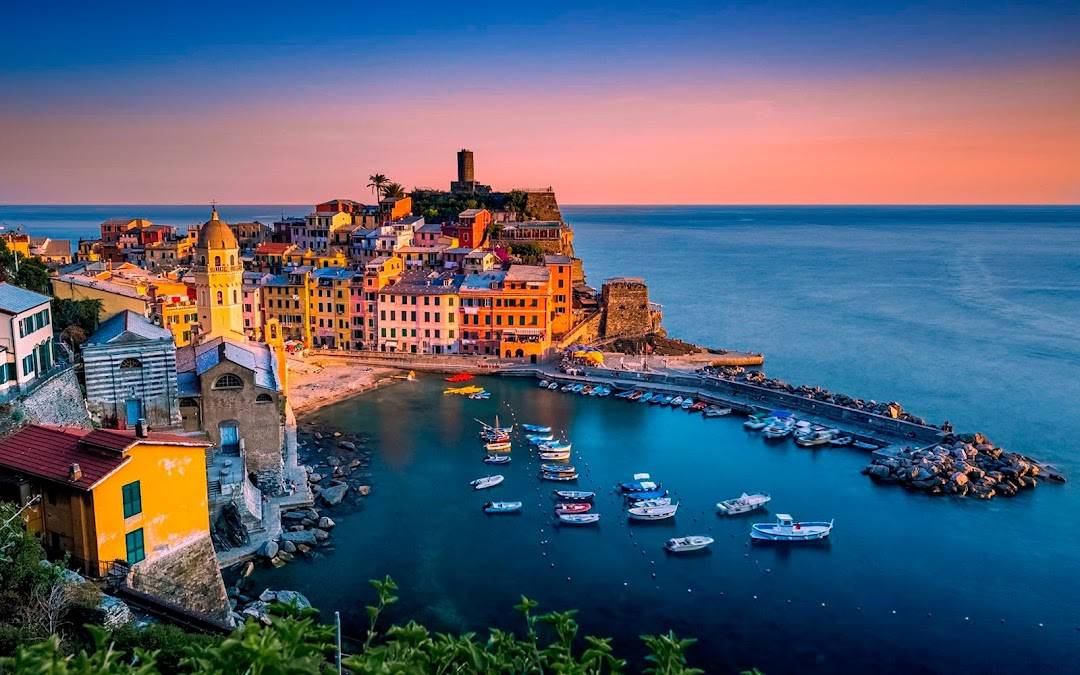
A region along the Ligurian coast consisting of five colorful fishing villages connected by hiking trails and trains. Its terraced hillsides and vibrant houses make it a UNESCO World Heritage Site.
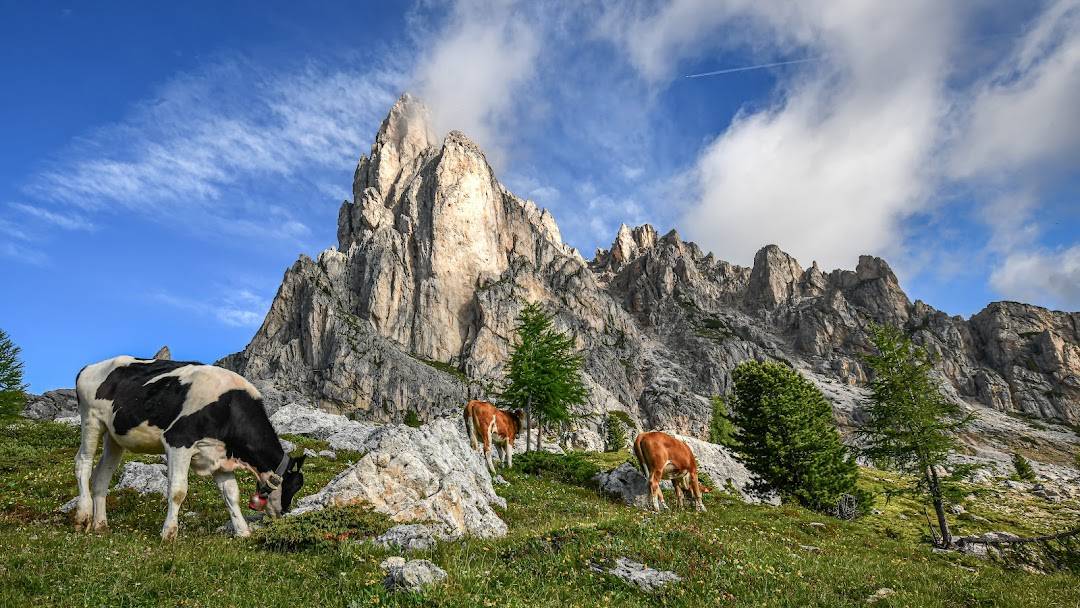
A mountain range located in the Trentino-Alto Adige and Veneto regions, famous for its unique limestone peaks and stunning landscapes. It’s a popular destination for hiking, cycling, skiing, and other outdoor activities.
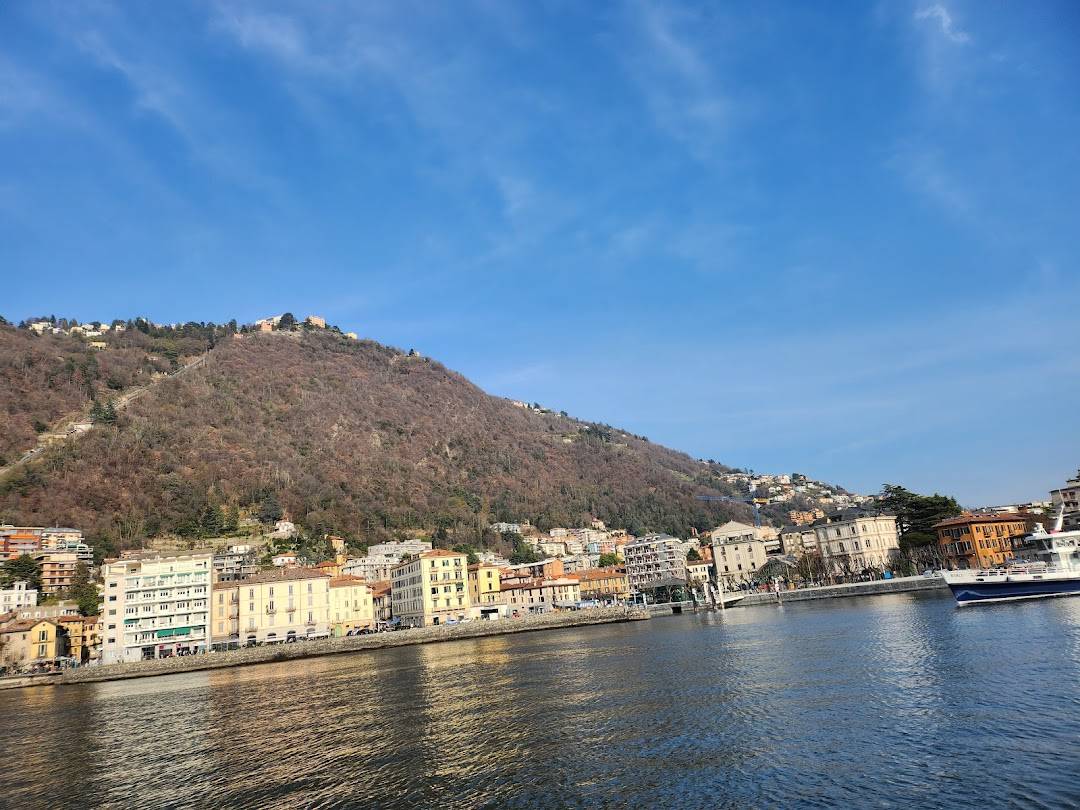
One of northern Italy’s famous lakes, surrounded by charming towns and historic villas. Visitors can enjoy boating, watersports, and explore celebrity villas.
Italy's largest lake, surrounded by resort towns, scenic hills, and facilities for watersports. It’s ideal for family vacations, cycling, and sailing activities.
A smaller ancient Roman city also buried by the eruption of Mount Vesuvius, preserving many house structures and artistic decorations. Compared to Pompeii, it is smaller but more detailed, located near Naples.
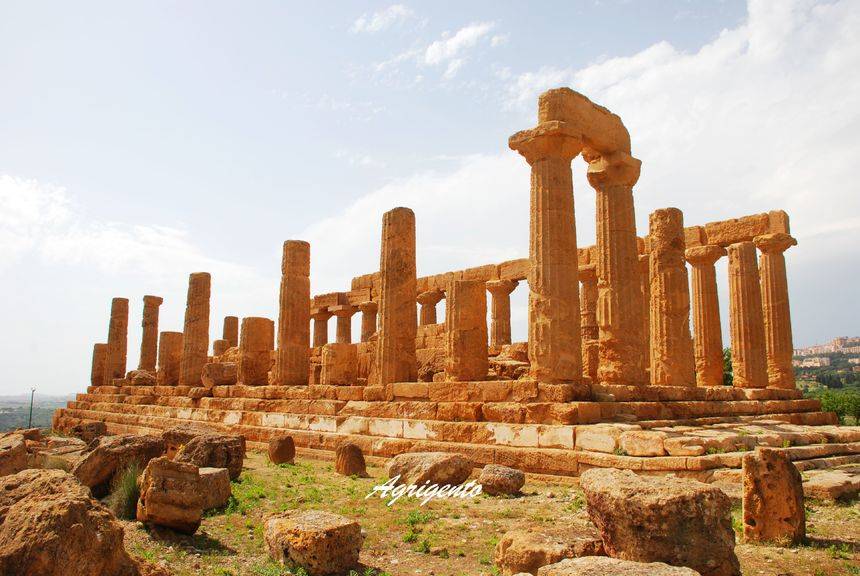
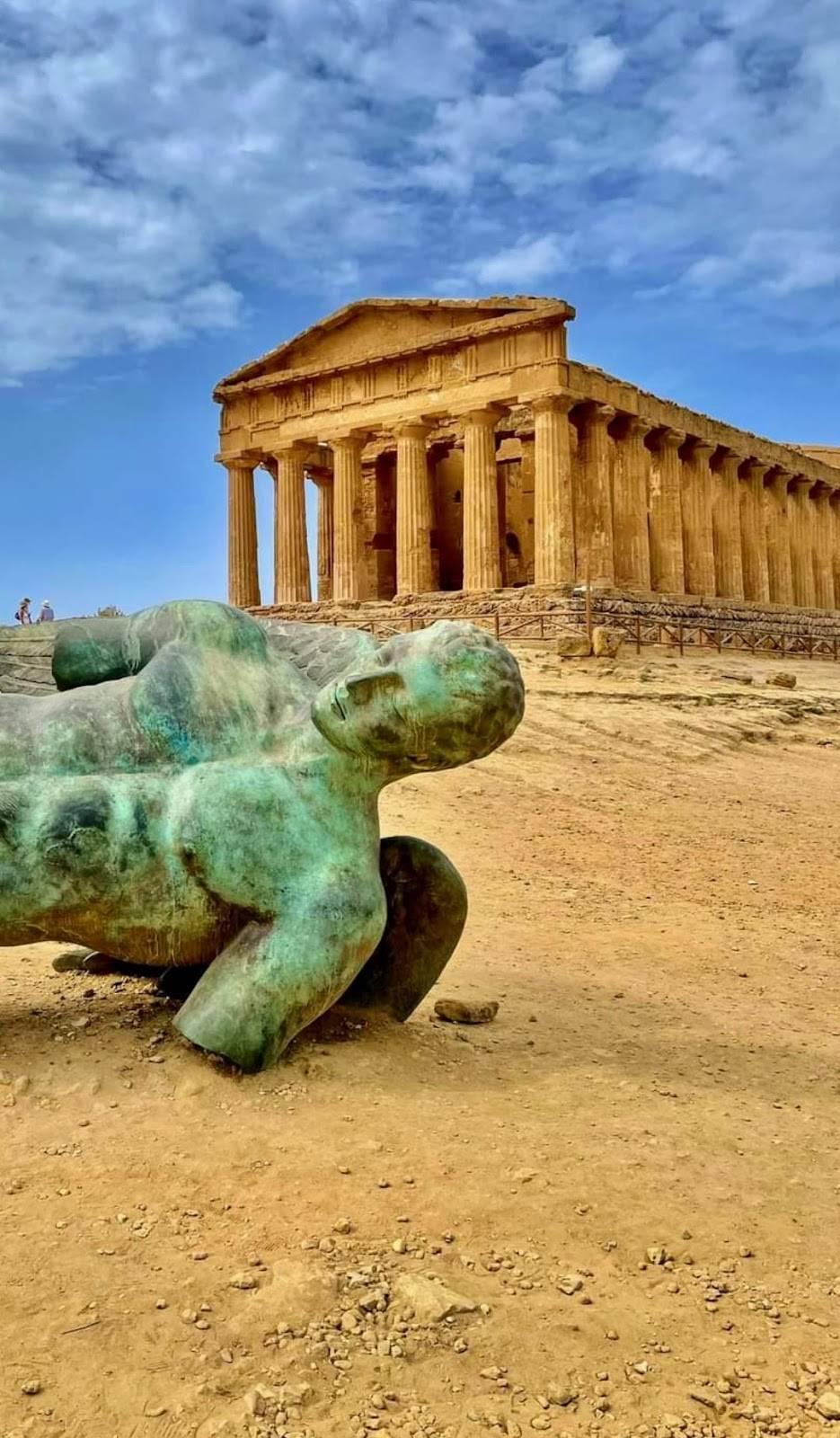
An archaeological site in Agrigento, Sicily, housing several Greek-era Doric temples. It’s one of the most well-preserved ancient Greek architectural complexes in the world.
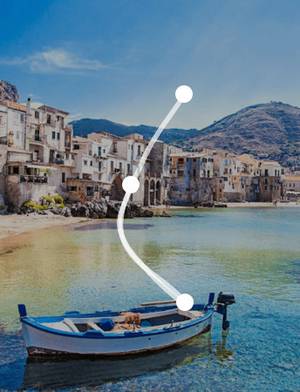
The largest island in the Mediterranean, home to cities like Palermo, Catania, Taormina, as well as natural attractions like Mount Etna. It’s known for its diverse history, beaches, and rich local cuisine, such as arancini and cannoli.
The capital of Sicily, blending Arabic, Norman, and Baroque styles in its churches, palaces, and bustling markets. It’s also a great place to enjoy Sicilian street food.
A city located at the base of Mount Etna, with a historic center often built with lava stone presenting a striking black-and-white contrast. It serves as a transport hub for exploring the volcano and eastern coast.
One of Europe’s highest and most active volcanoes, located on the eastern side of Sicily, accessible by cable car and 4WD vehicles. Visitors can enjoy volcanic landscapes and sea views.
A hillside resort town offering breathtaking views of the Ionian Sea and Mount Etna. Famous attractions include the ancient Greek theater and scenic old town streets, popular among tourists.