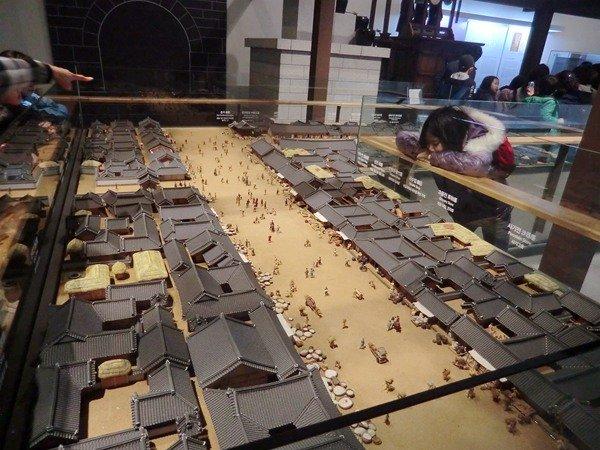
The Seoul Museum of History is located in Sinmunno 2-ga, Jongno-gu, Seoul, adjacent to Gyeonghuigung Palace. It is Korea's only museum dedicated to the theme of urban development history. Its permanent exhibits systematically present 600 years of city evolution from ancient Hanyang to contemporary Seoul, covering aspects such as palace layouts, street structures, and citizens' lifestyles. Through artifacts, urban models, multimedia, and virtual displays, visitors can experience the transformation of Seoul from a royal capital to a modern international city. The museum is free to enter and features diverse spaces such as an urban model video hall, donation exhibition hall, open-air exhibition area, and rooftop observatory. It also regularly hosts various special exhibitions and cultural activities.
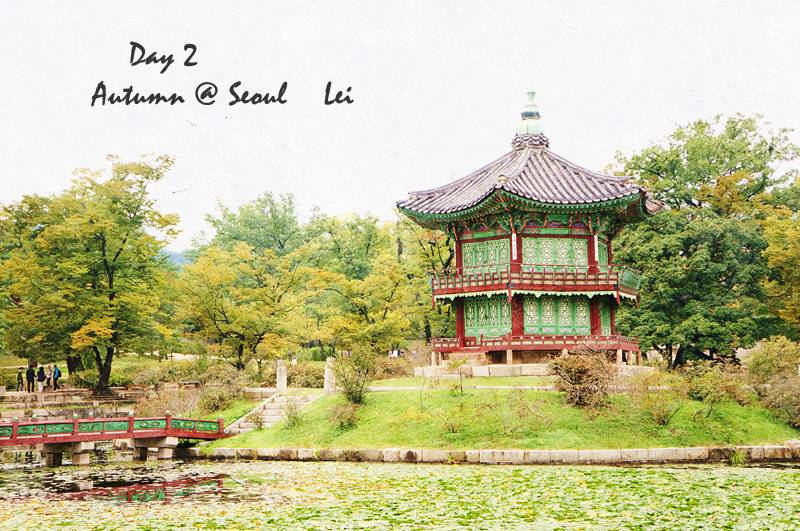
Gyeongbokgung Palace, located in the heart of Seoul, was the first royal palace built after the establishment of the Joseon Dynasty and is one of the largest and most iconic palace complexes in Seoul. Notable structures within the palace include Geunjeongjeon Hall, Gyeonghoeru Pavilion, and Hyangwonjeong Pavilion, which reflect royal court life and cultural customs during the Joseon period. Backed by Bukaksan Mountain and facing Gwanghwamun Square, it offers a striking contrast between traditional architecture and modern buildings nearby, making it a must-visit destination to understand traditional Korean architecture and royal history.
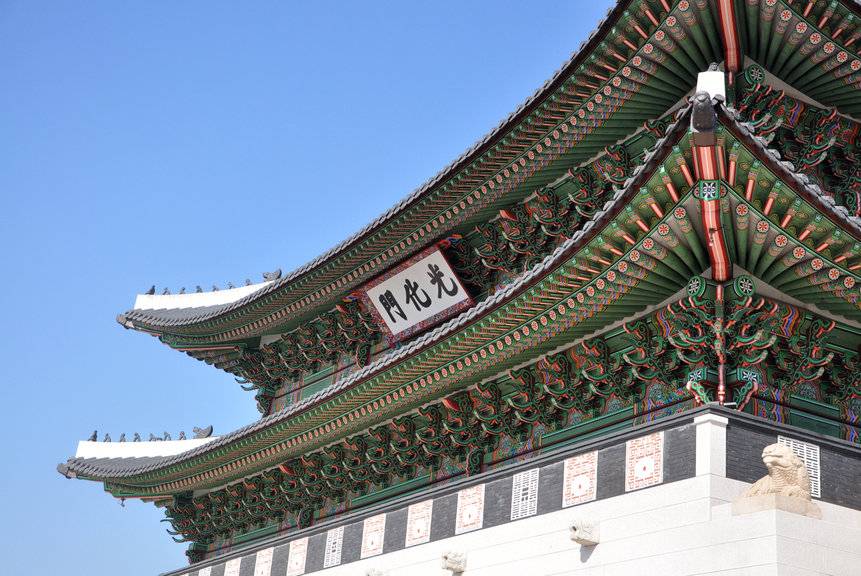
Gwanghwamun Square is located in front of Gwanghwamun Gate, the main entrance to Gyeongbokgung Palace. It is a significant urban plaza and gathering space in the center of Seoul. The square features statues of Admiral Yi Sun-sin and King Sejong along its main axis, surrounded by fountains, water features, and pedestrian areas. Various cultural events and public exhibitions are often held here. Visitors can enjoy views of Gyeongbokgung Palace and nearby skyscrapers, making it an iconic place to experience Seoul’s 'blend of the old and new' cityscape.
Gyeonghuigung Palace, located in Jongno-gu, Seoul, is one of the five grand palaces of the Joseon Dynasty. It was once used as a secondary and temporary palace for the royal family. Compared to Gyeongbokgung and Changdeokgung Palaces, it is less crowded and offers a tranquil environment, ideal for a leisurely stroll to experience the atmosphere of an ancient palace. Some of its buildings have been restored, and it is adjacent to the Seoul Museum of History, making it possible to combine a palace visit with a museum tour to understand Seoul's historical transformation from the dynastic period to modern times.
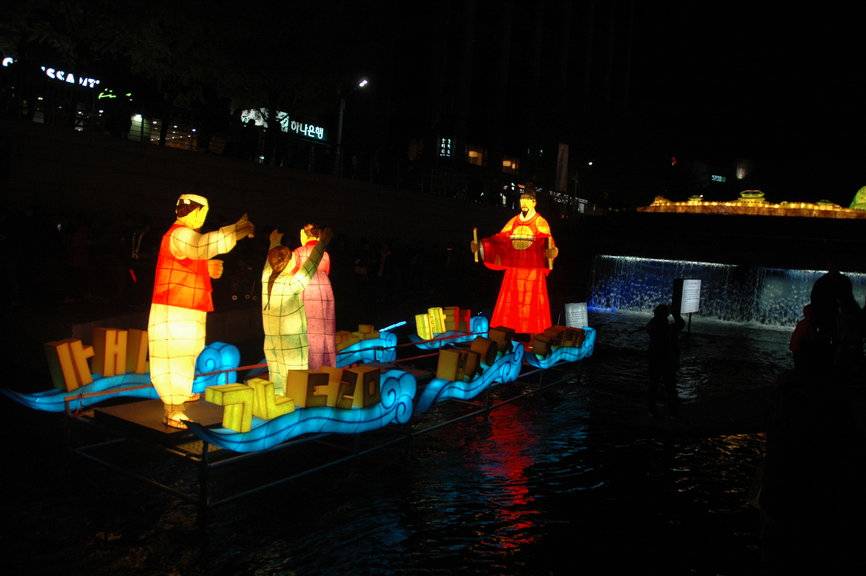
Cheonggyecheon is an urban revitalized stream running through the center of Seoul, starting near Gwanghwamun and flowing eastward through several commercial and cultural areas. Originally covered by an elevated roadway, it was reopened as a waterside walking path through a large-scale urban regeneration project. The stream is flanked by scenic bridges, lighting installations, and art pieces, providing an essential space for citizens to stroll, relax, and host festive events. Visitors can walk along the stream, experiencing Seoul's renewal and transformation amidst modern urban landscapes.