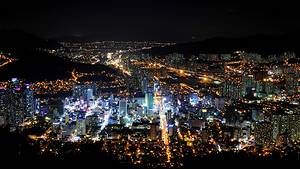
Ulsan is a metropolitan city in the southeastern part of South Korea, bordering the East Sea. It is known as one of the symbolic cities of Korea's industrialization due to the presence of large industrial facilities such as Hyundai Motor, Hyundai Heavy Industries, and SK Energy. In recent years, through extensive environmental remediation and urban greening projects, once-polluted industrial rivers and bays have gradually been transformed into eco-parks and coastal recreation areas, creating a unique urban atmosphere that blends industrial landscapes with natural scenery.
Ganwol Cape is located on the east coast of Ulsan and is considered one of the earliest places in Korea to see the sunrise. The cape extending into the sea and the open sea horizon provide a superb view of the sunrise. Every morning, tourists and photography enthusiasts gather at the lighthouse and coastal trails to await the moment the sun leaps over the horizon. The surrounding area is equipped with lawns, installation sculptures, and walking trails, making it a representative coastal spot for sightseeing, picnicking, and experiencing the East Sea's scenery.
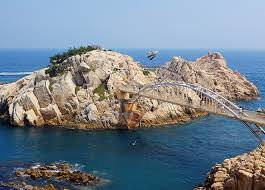
Daewangam Park is located on the east coast of Ulsan and is famous for the 'Dragon-shaped Rock' known as Daewangam, which resembles a giant dragon entering the sea. The park features about 15,000 century-old pine trees, with forest trails winding down to cliffside views of the sea. Along the way, visitors can enjoy views of the blue sea, white cliffs, and unique rock formations. The park includes the Uiam Lighthouse, known as the 'First Lighthouse of the East Sea,' and offers viewing platforms to watch sunrises and coastline vistas. It is a great place for leisurely walks and is also a popular photography spot and destination for family outings due to its diverse terrain and sea views.
The Yeongnam Alps refer to the group of high mountains located in Ulsan and its surrounding areas, with nine peaks exceeding 1,000 meters in elevation, including Baekunsan and Cheongmisan. Due to its continuous mountain range and diverse landscapes, it is likened to the 'Alps of Yeongnam.' The area boasts distinct scenery across all four seasons: wildflowers in spring, cool summer hiking retreats, autumn foliage and silver grass, and occasional snow in winter. It is a popular destination for trekking, hiking, and camping enthusiasts seeking natural mountain adventures.