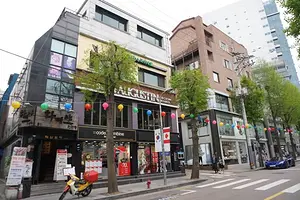
Koreana Hotel is located in the heart of Sejong-daero in Jung-gu, Seoul. It is a four-star business hotel within walking distance of multiple subway lines and downtown attractions. The hotel offers modern and spacious rooms equipped with flat-screen TVs, minibars, and private bathrooms. Some rooms also offer views of Cheonggyecheon Stream. Free Wi-Fi and parking services are provided, making it a popular choice for both business and leisure travelers, surrounded by department stores and local boutique shops.
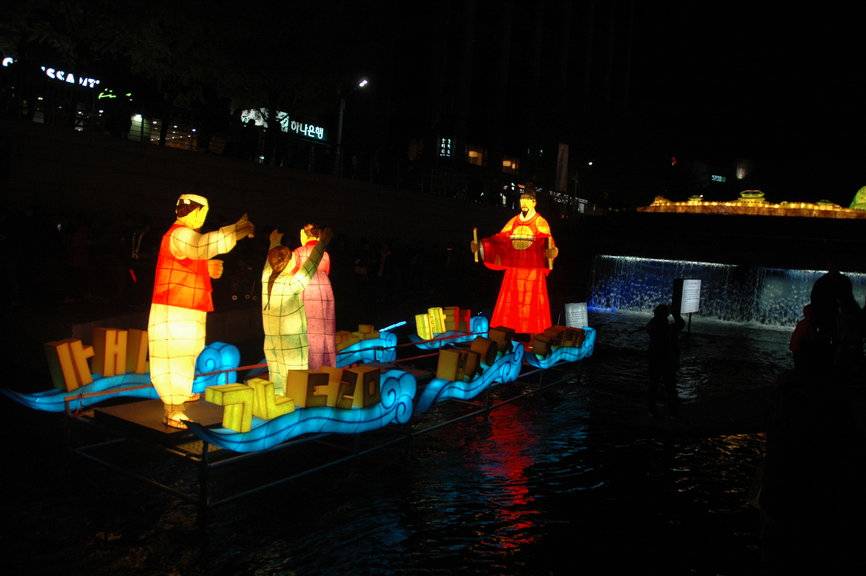
Cheonggyecheon Stream is a restored urban waterway running through the center of Seoul, stretching approximately 11 kilometers with pedestrian paths, green spaces, and art installations on both sides. The night view is adorned with lit bridges and water features, creating a romantic atmosphere, ideal for walking, photography, and enjoying Seoul's urban leisure space. Festivals often feature light shows and themed events.
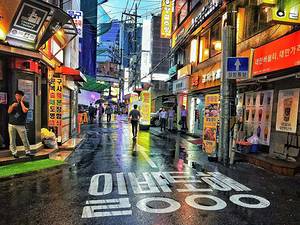
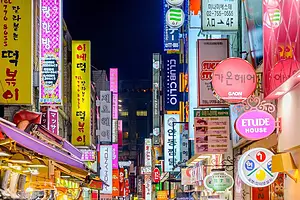
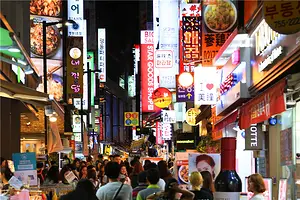
Myeongdong is one of Seoul's most famous shopping and street food districts, hosting numerous Korean cosmetics shops, fashion brands, duty-free stores, and unique boutiques. Street foods are diverse and plentiful, such as spicy rice cakes (tteokbokki) and sweet pancakes (hotteok), making it a must-visit area to experience Seoul's vibrant street culture and nighttime vibes.
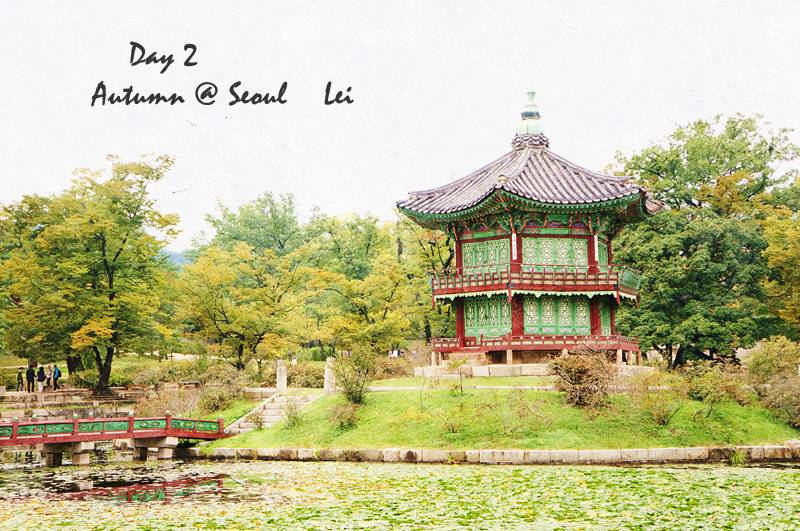
Gyeongbokgung Palace is one of the most iconic palaces from the Joseon Dynasty in Seoul and an important historical and cultural symbol that has undergone multiple reconstructions and restorations. Visitors can explore the palace's pavilions, courtyards, and museums, as well as watch the changing of the guard ceremony. The traditional palace architecture set against the backdrop of Mount Bukhansan creates a picturesque scene. Dressing in Hanbok to enter the palace also offers an opportunity to take photos with historical charm.
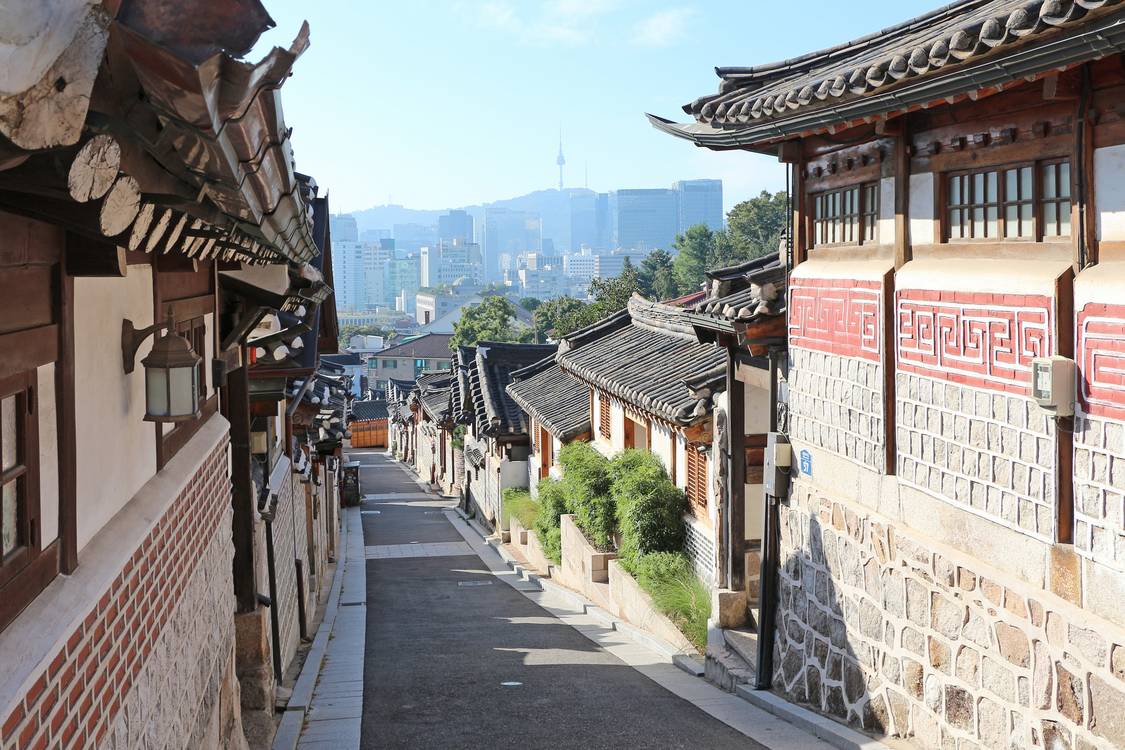
Bukchon Hanok Village is located between Gyeongbokgung Palace and Changdeokgung Palace and is a well-preserved cluster of traditional Korean houses (Hanok). Narrow alleys are lined with traditional wooden homes, cultural workshops, teahouses, and galleries. Many spots offer views of Seoul’s cityscape and surrounding mountains, making it a popular area for photography and experiencing traditional living ambiance.
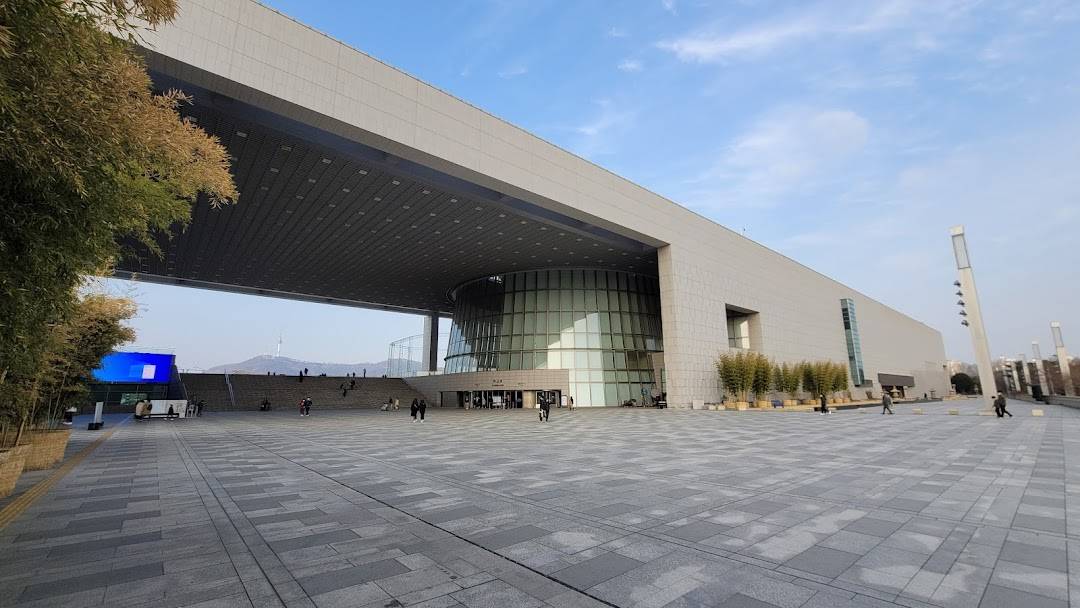
The National Museum of Korea is one of the largest museums in Asia, housing over 220,000 artifacts that range from prehistoric to modern Korean history and art. The museum features rich permanent and special exhibitions, displaying ceramics, Buddhist art, calligraphy, and more. Some exhibition areas have free entry, making it an excellent place to deeply explore Korean culture and history.
Namsangol Hanok Village is located at the foot of Namsan Mountain and features relocated and restored traditional Korean houses (Hanok) into a cultural village. The site includes traditional courtyards, performance stages, and experiential activities such as traditional games, crafts, and Hanbok experiences. The atmosphere is relatively tranquil, providing a rustic escape in the city center and an ideal spot for relaxation and photography.
Seoul City Wall is a historical relic of defensive stone walls surrounding Hanyang (old Seoul) during the Joseon Dynasty. Several sections of the city walls have been preserved, and some sections near downtown feature hiking and walking trails. Visitors can walk along the wall while enjoying panoramic views of the cityscape and the surrounding mountains, offering a route that combines history with natural scenery.
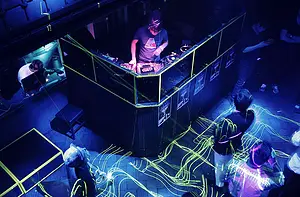
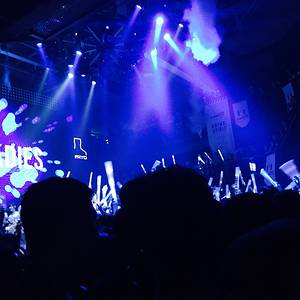
Hongdae area, centered around Hongik University, is a representative hub of youth culture and arts in Seoul. It is dotted with street performances, independent design shops, cafes, nightclubs, and live music bars. Graffiti and creative markets are everywhere, making it an excellent place to experience the nightlife and trendy culture of young people in Seoul.
Gangnam, located south of the Han River, is a prime area representing Seoul's modernity and high-end commerce. Filled with skyscrapers, large shopping centers, office buildings, cosmetic surgery clinics, and various restaurants and bars, it is also a key hub for pop culture and fashion industries. The area is brightly lit at night, showcasing another side of Seoul's modern urbanity.