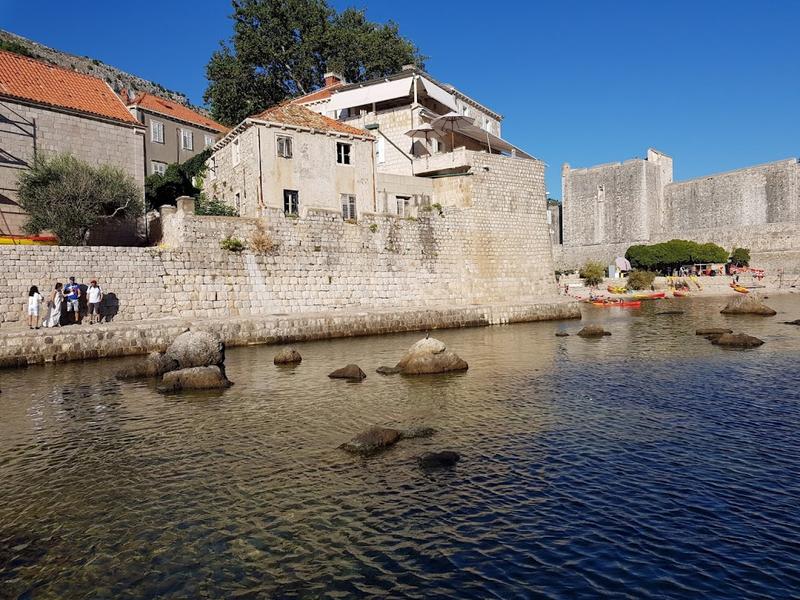
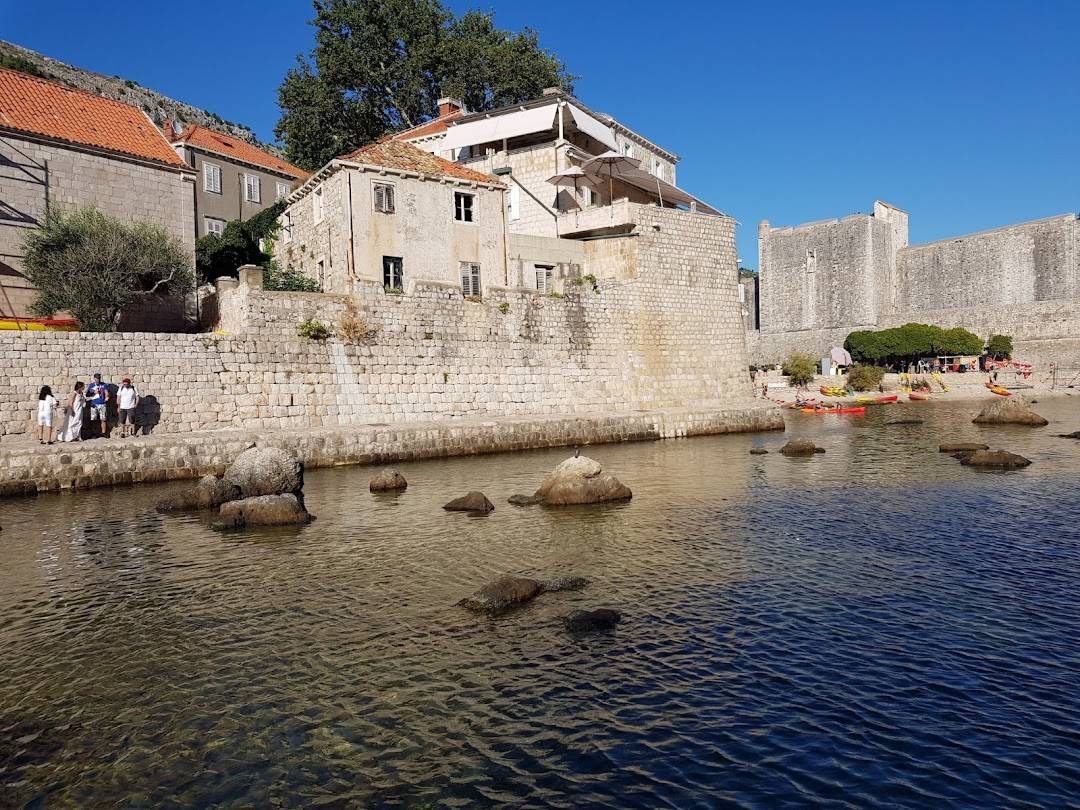
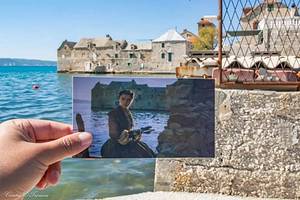
Dubrovnik is located on the southern Adriatic coast of Croatia and is known as the 'Pearl of the Adriatic.' Surrounded by a complete medieval city wall, it is an important filming location for 'Game of Thrones.' The Old Town is famous for its red-tiled roofs, cobblestone streets, and bay views, and it is listed as a UNESCO World Heritage Site. It is a popular city for strolling, walking along the city walls, and enjoying sea views.
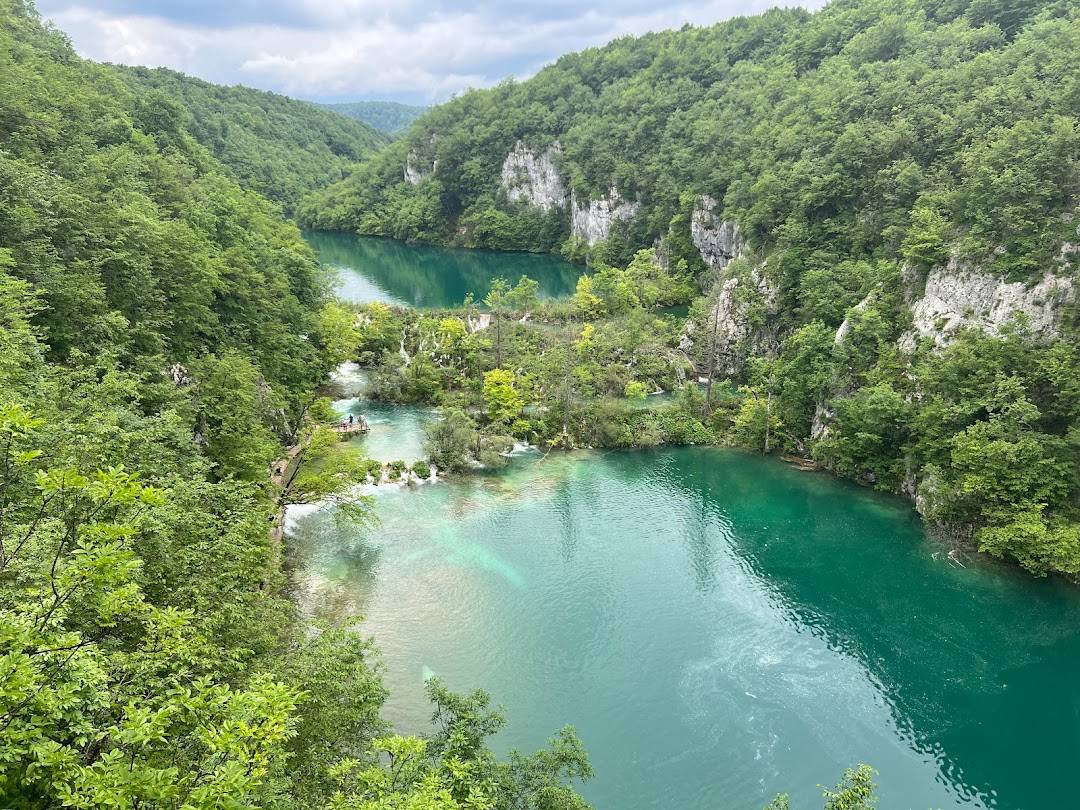
Plitvice Lakes National Park is in central Croatia and consists of 16 terraced lakes connected by numerous waterfalls. Known as the 'Sixteen Lakes,' its waters range in color from clear green to deep blue. The park offers multiple hiking and boardwalk routes, providing close-up views of limestone landscapes, forests, and lakes with waterfalls. It is a paradise for nature and photography enthusiasts.
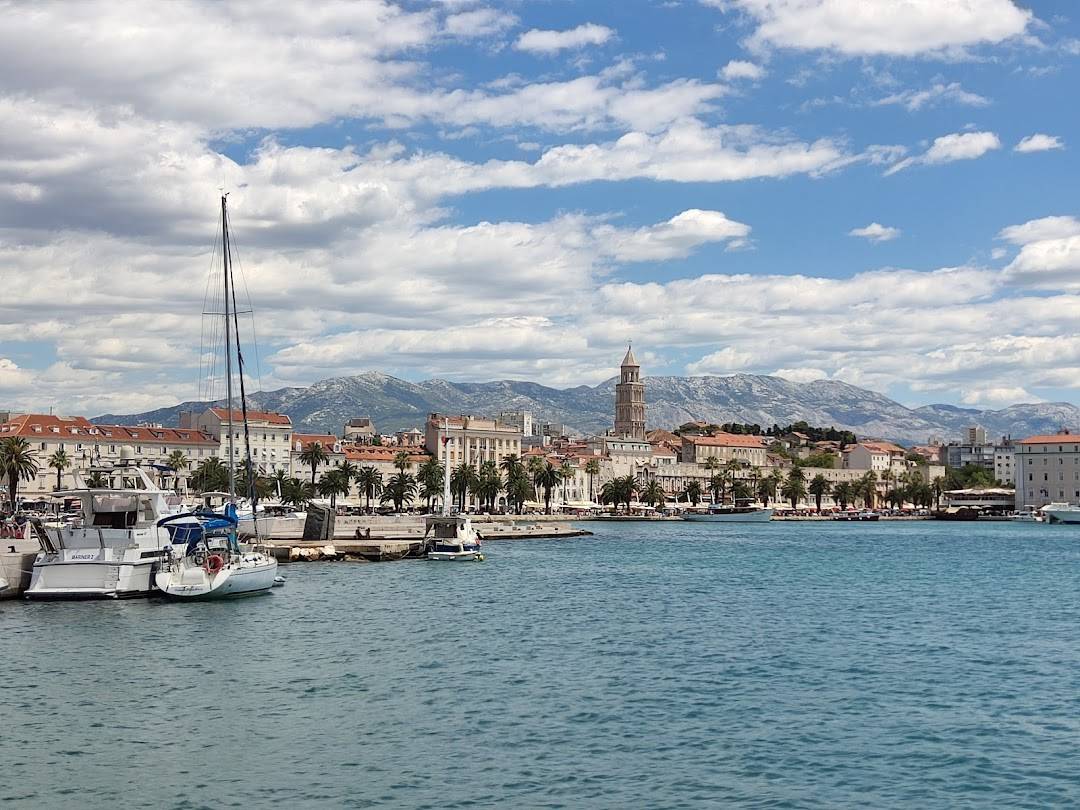
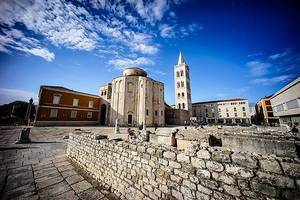
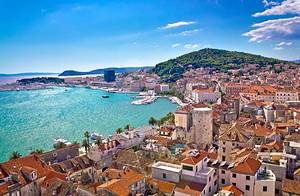
Split is a major port city on Croatia's Adriatic coast, famous for its ancient city built around the Roman Emperor Diocletian's Palace. The ruins of the ancient palace blend with modern shops and cafes, creating a unique mix of antiquity and modernity. Its scenic seafront promenade makes it a transportation hub and a popular destination for seaside vacations and trips to nearby islands.
Diocletian's Palace, in the Old Town of Split, is a palace complex built by the Roman Emperor Diocletian after his abdication during the late Roman Empire. Today, the palace ruins are integrated into the city's daily life, with residential houses, shops, and restaurants distributed among the ancient walls, basements, and temples. It is a landmark attraction for studying ancient Roman architecture and experiencing Croatian urban life.
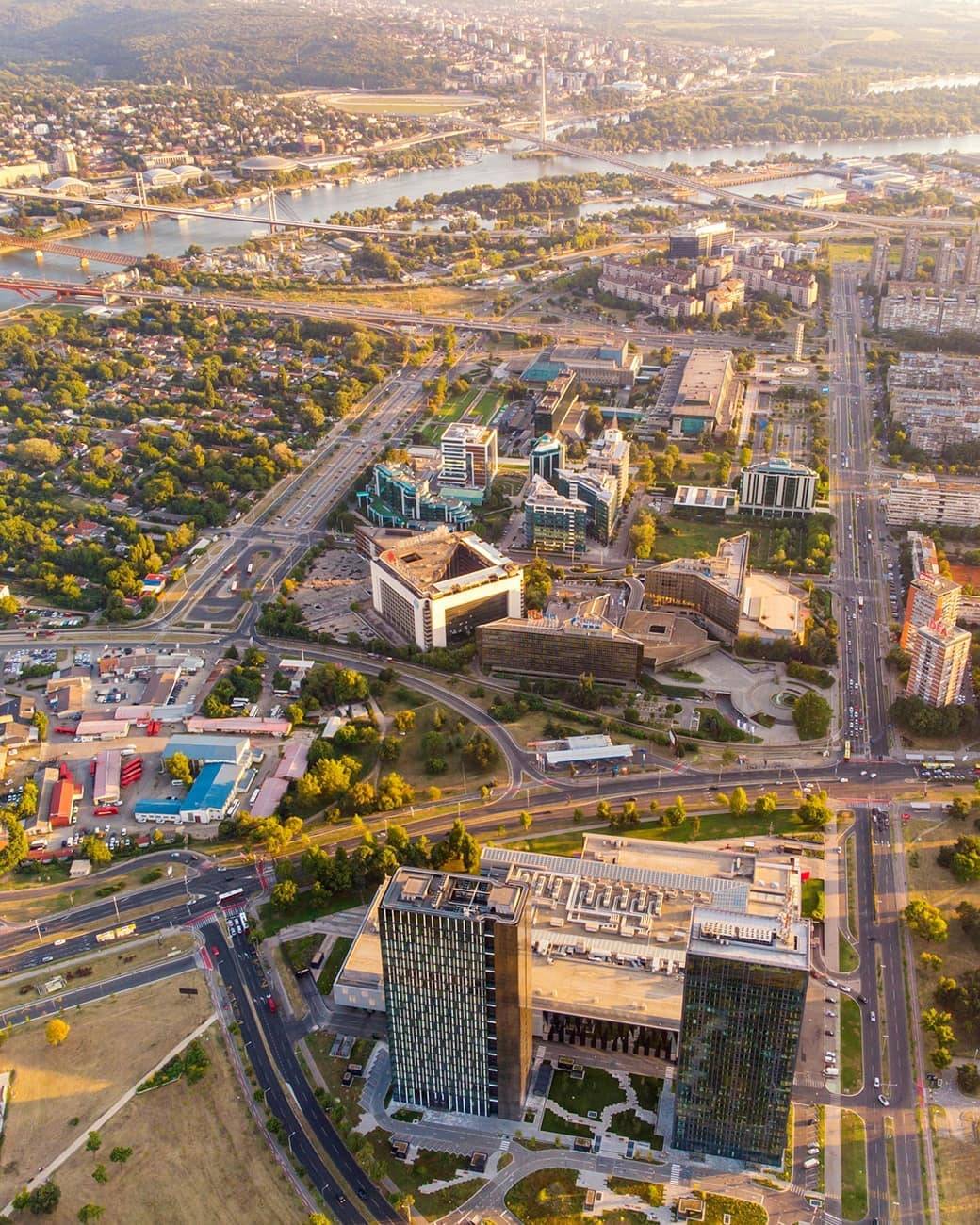
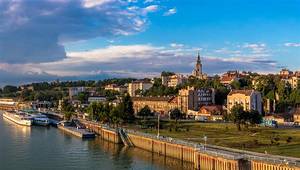
Belgrade, the capital of Serbia, is located at the confluence of the Sava and Danube rivers. It is considered a crossroads of transportation and history in the Balkans. The city features the Kalemegdan Fortress, riverside scenery, and vibrant nightlife. Its architecture combines influences from Ottoman rule to the Yugoslavian era, making it a core city for understanding modern Balkan history and culture.
Kalemegdan Fortress stands on the high ground at the confluence of the Sava and Danube rivers in Belgrade. It is a military fortification that has witnessed the city's thousand-year history. The fortress ruins include walls, batteries, and parks overlooking the rivers and cityscape. It is a popular spot for locals to stroll and for tourists to capture sunset photos.
Novi Sad, Serbia's second-largest city, is located along the Danube River and is known for its laid-back atmosphere and youth culture. Across the river, the Petrovaradin Fortress offers the best views of the Danube and the city. The annual EXIT music festival held here in summer makes Novi Sad a renowned hub for music and arts in Europe.
Petrovaradin Fortress is situated on the high ground on the right bank of the Danube River in Novi Sad. It was an important military stronghold of the Austrian Empire in the 18th century. Today, it serves as a scenic and cultural activity space, with well-preserved underground tunnels, walls, and the iconic clock tower. The annual EXIT music festival attracts a large number of young visitors.
Athens, the capital of Greece, is a symbol of Western civilization and ancient Greek culture. The Acropolis and the Parthenon are world-famous landmarks, and the National Archaeological Museum of Athens houses a vast collection of ancient Greek sculptures, pottery, and artifacts. The modern city is filled with cafes and pedestrian streets, closely connecting ancient relics with contemporary urban life.
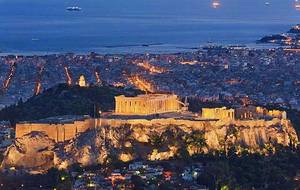
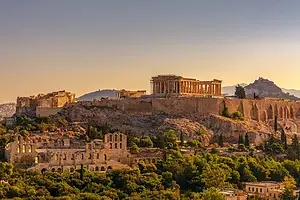
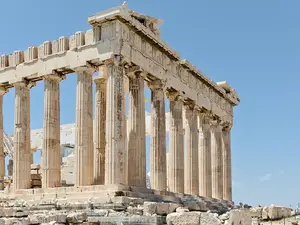
The Acropolis of Athens, located on the highest point in the city center, was one of the most important religious and political centers of ancient Greece. The hilltop complex includes the Parthenon and the Erechtheion, overlooking the entire city. It is a must-visit location for understanding ancient Greek city-state civilization and architectural arts.
The Parthenon, located on the Acropolis of Athens, is a Doric temple dedicated to the goddess Athena and a masterpiece of classical Greek architecture. Despite undergoing wars and earthquakes, the beauty of its colonnades and proportions remains awe-inspiring. It is a symbolic structure of World Cultural Heritage.
The National Archaeological Museum of Athens is Greece's largest archaeological museum, showcasing a rich collection of artifacts from prehistoric to classical periods, including sculptures, pottery, murals, and gold items. It systematically displays the development of Greek civilization and is a must-see for understanding ancient Greek history and art.
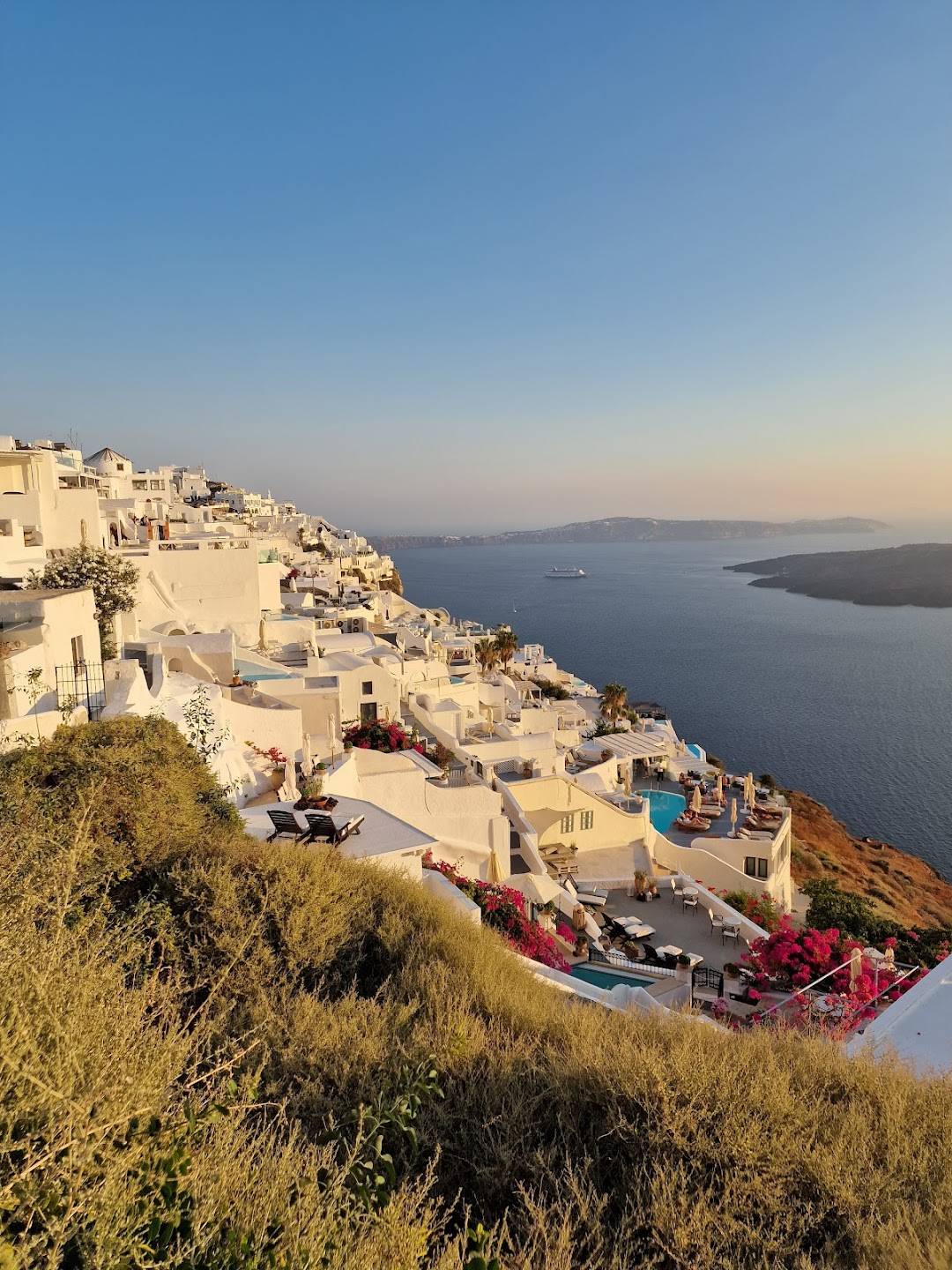
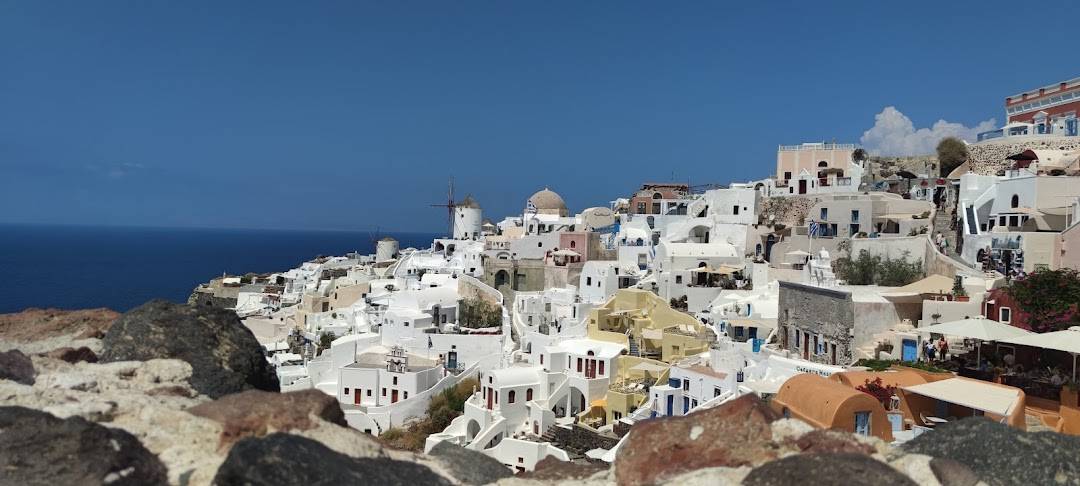
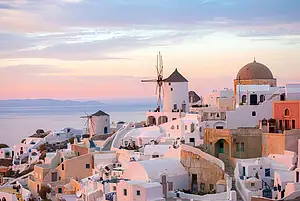
Santorini, located in the Aegean Sea, is an island formed by volcanic activity and is famous for its white houses with blue domes perched on cliffs. The towns of Oia and Fira are known for their sunset views. Cliffside hotels offer panoramic views of the caldera, making it a classic destination for romantic getaways and honeymoons.
Oia, located on the northern tip of Santorini, is the island's most famous town for watching sunsets. With its blue-and-white houses cascading down the hills and winding alleyways filled with boutique shops and cafes, Oia offers stunning views of the Aegean Sea and the volcanic caldera, making it a popular spot for photography and vacations.
Fira is the capital of Santorini, situated on the cliffs. It serves as the island's transportation and commercial center and is also an important viewing point. The town has numerous restaurants, bars, and hotels overlooking the caldera and sunsets over the sea, making it the core stop when touring Santorini.
Delphi is located in the mountainous region of central Greece and was considered by the ancient Greeks to be the 'center of the world.' The ruins of the Temple of Apollo, theater, and stadium are built along the mountainside, overlooking the Gulf of Corinth. Once a renowned oracle site, it is now an important archaeological site and a World Heritage location.
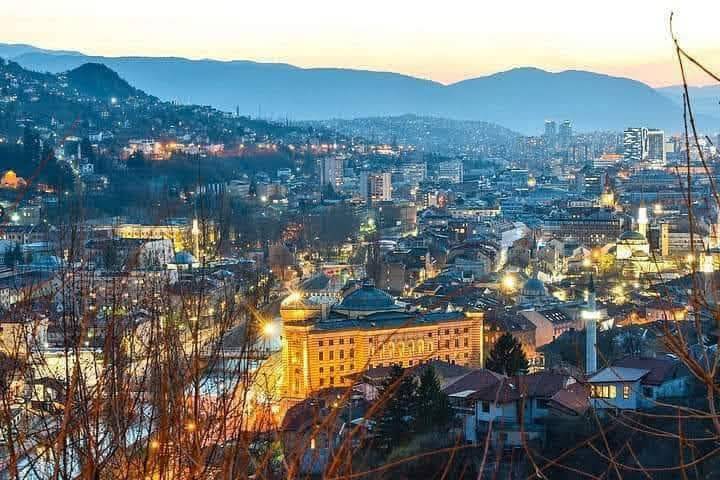
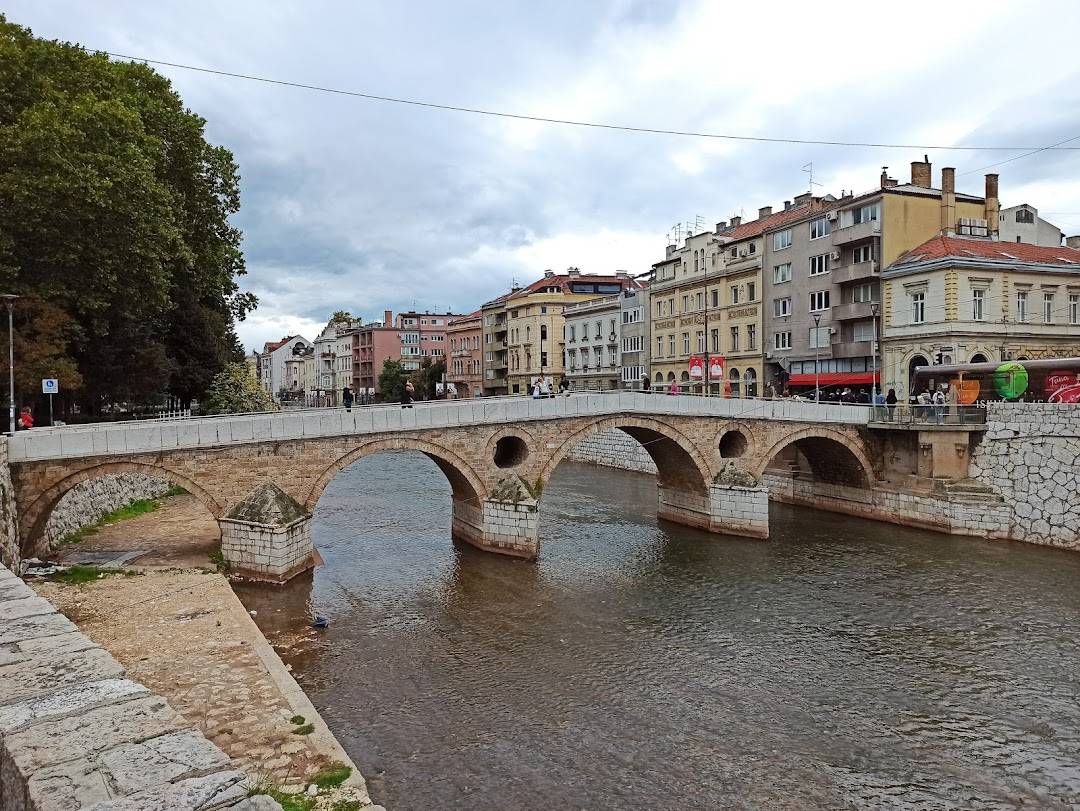
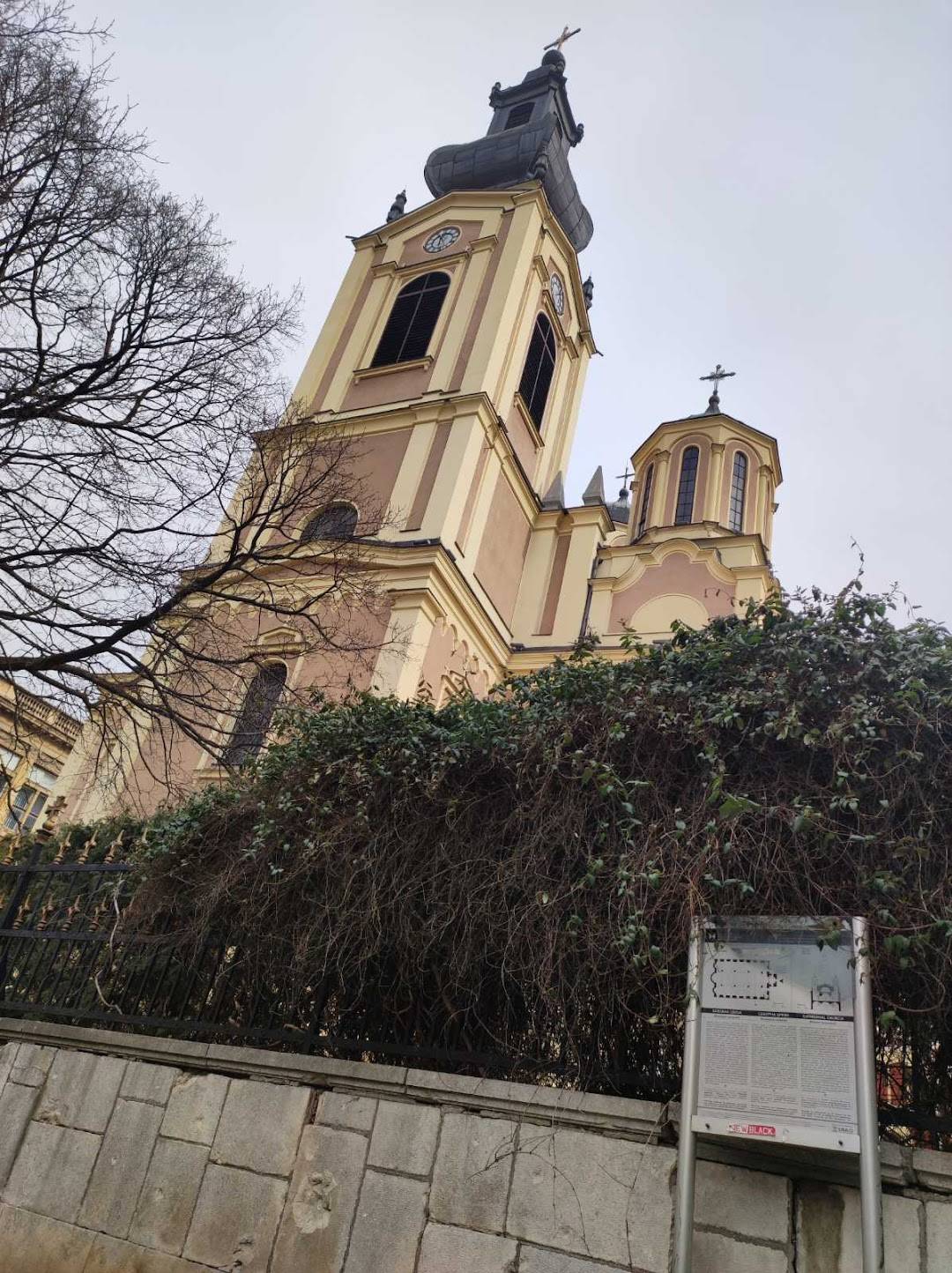
Sarajevo, the capital of Bosnia and Herzegovina, is known as the 'Jerusalem of Europe,' as it hosts multiple religions, including Catholicism, Orthodox Christianity, and Islam. The Old Town Bascarsija Market retains strong Ottoman influences, and the Latin Bridge is the historic site where the assassination that triggered World War I took place. The city is marked with traces of both war and peace.
The Latin Bridge spans the Miljacka River in the center of Sarajevo and is an Ottoman-era stone bridge. Near the bridge in 1914, Archduke Franz Ferdinand of Austria was assassinated, sparking World War I. The bridge is a notable site in modern world history.
Bascarsija Market is a historic district in Sarajevo's Old Town, characterized by cobblestone alleys, mosques, and traditional shops. With its Ottoman Empire flair, the area is filled with cafes, coppersmith stalls, and artisan craft shops, making it the best place to experience local culture and enjoy Bosnian cuisine.
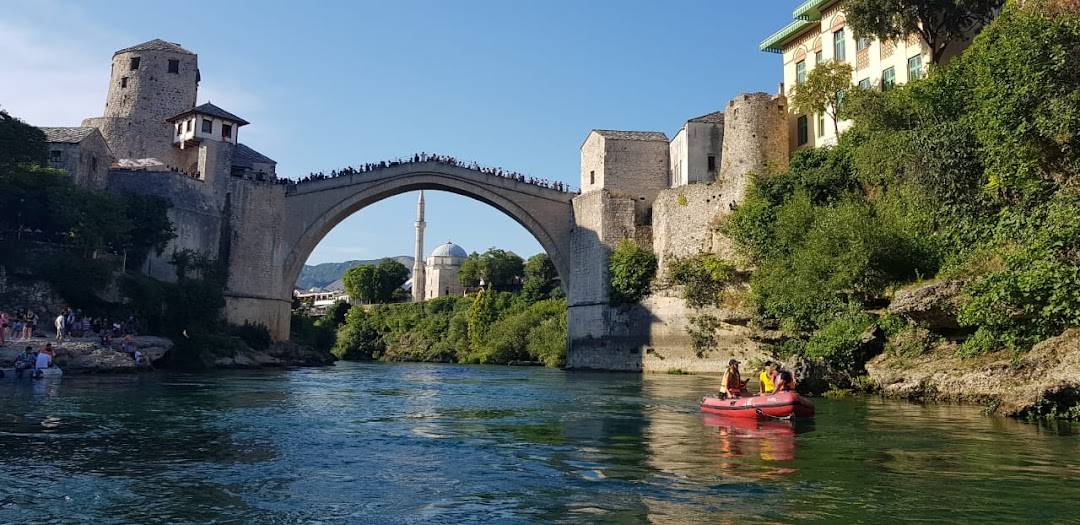
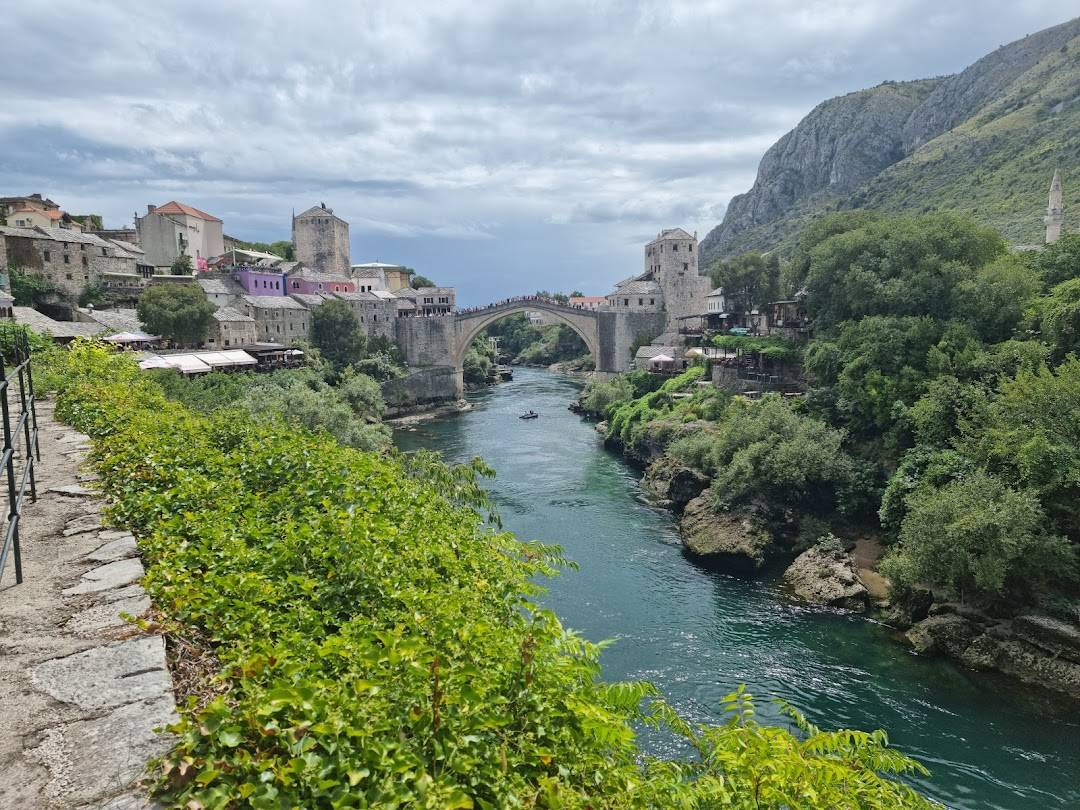
Mostar, located in southern Bosnia and Herzegovina's Neretva Valley, is famous for its Old Bridge and surrounding Old Town. The town blends Ottoman and Mediterranean styles, with stone-paved alleys and river valley scenery creating a unique landscape. It is one of the Balkans' most popular historical towns.
The Old Bridge in Mostar is a 16th-century stone arch bridge that spans the Neretva River and is considered Bosnia and Herzegovina's most iconic landmark. The elegant bridge connects both sides of the valley, surrounded by breathtaking canyon views. It often hosts diving performances and symbolizes post-war reconstruction and ethnic reconciliation.
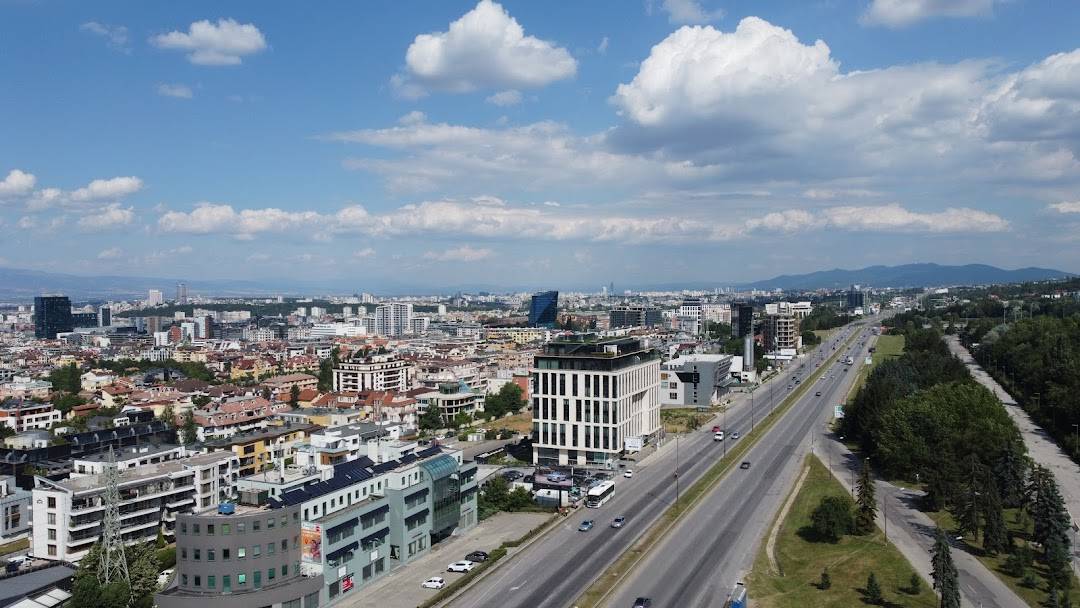
Sofia, the capital of Bulgaria, lies at the foot of Vitosha Mountain and combines ancient churches with Soviet-style architecture. The city's landmarks include the Saint Sofia Church and Alexander Nevsky Cathedral. Its relaxed street square atmosphere makes it a starting point for exploring Bulgaria's history and modern life.
Saint Sofia Church is the namesake of the city of Sofia and originates from the Byzantine period. The building is simple yet historically profound. Surrounding the church are ancient tombs and ruins, making it an important religious building for understanding the city's origins.
The Alexander Nevsky Cathedral, located in the center of Sofia, is an Eastern Orthodox cathedral with golden domes and one of Bulgaria's most famous landmarks. Its luxurious interior features exquisite murals and gilded icon screens, symbolizing Bulgaria's national revival and religious tradition.
The Rila Monastery is nestled in the mountains of southwestern Bulgaria and is the largest and most important Eastern Orthodox monastery in the country. Its painted corridor murals and black-and-white striped arched galleries are distinctive features. The site houses a vast collection of manuscripts and religious artifacts. Listed as a World Heritage Site, it symbolizes Bulgaria's culture and faith.
Berat, located in central Albania, is known as the 'City of a Thousand Windows' due to its hillside white houses with densely packed windows. The castle atop the hill offers sweeping views of the entire city and the valley. Ottoman-era buildings remain well-preserved, and it was listed as a World Heritage Site in 2008, making it one of Albania's most charming historical towns.
Butrint is an ancient city site located in southern Albania near the Greek border, surrounded by wetlands and lakes. Spanning multiple periods including ancient Greece, Rome, and Byzantium, its tranquil environment is listed as a World Heritage Site and offers a fantastic opportunity to explore Mediterranean cultural relics and natural scenery.