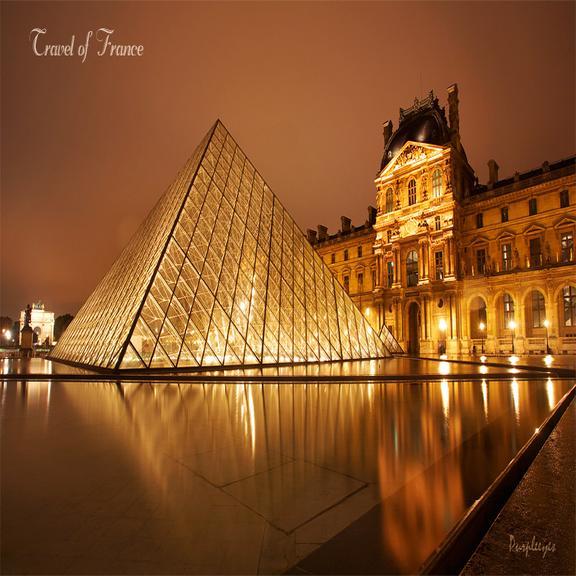
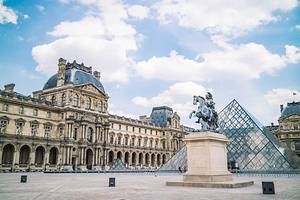
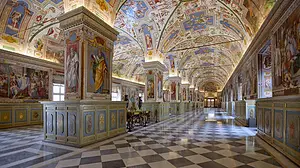
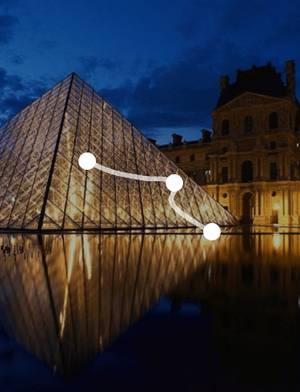
The Louvre is located in Paris's 1st arrondissement and is one of the most famous and richest art museums in the world, marked by its iconic glass pyramid entrance. The museum houses over 35,000 works of art, covering ancient Egyptian artifacts, ancient Greek and Roman sculptures, as well as paintings from the Middle Ages and the Renaissance. Representative works include 'Mona Lisa,' 'Venus de Milo,' and 'Winged Victory of Samothrace.' The building itself was transformed from an old royal palace and is divided into three major wings: Denon, Sully, and Richelieu. It is a cultural landmark that must be visited when in Paris.
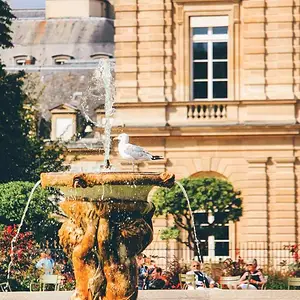
The Tuileries Garden lies adjacent to the western side of the Louvre and is a typical French court garden connecting the Louvre to Place de la Concorde. Its features include neatly symmetrical tree-lined avenues, sculptures, fountains, and a central water basin. It also offers a children's playground, a carousel, and model boat rentals for the pond, making it an ideal place for strolling, relaxing, or spending time with kids before or after visiting the Louvre.
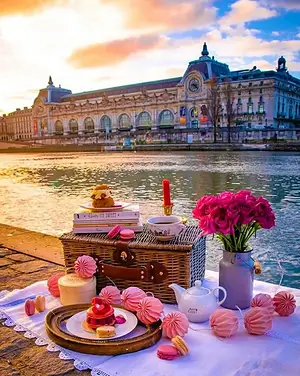
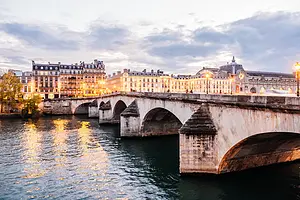
The Seine River flows through the center of Paris, with landmarks such as the Louvre, the Musée d'Orsay, and the Eiffel Tower along its banks. A walk along the river allows one to appreciate scenic riverbank views and urban architecture, while an evening boat ride (e.g., Bateaux-Mouches or Bateaux Parisiens) offers a chance to admire illuminated landmarks such as the Louvre, Musée d'Orsay, and the Eiffel Tower from the water, providing a classic Parisian romantic experience.
Île de la Cité is a small island in the Seine and one of the historic origins of Paris. Important landmarks like Notre-Dame Cathedral and Sainte-Chapelle are located on the island, and the surrounding neighborhoods retain much of their medieval and traditional architecture. Walking from the Louvre along the Seine to Île de la Cité offers a journey through the city’s evolution, from the royal palace and museums to the medieval core.
The Marais District, located on the right bank in the center of Paris, is a neighborhood that combines history and a trendy atmosphere. It's known for its well-preserved medieval and Renaissance architecture, niche museums, designer shops, and unique cafes. Highlights include the Place des Vosges, and the area is perfect for a stroll from the Louvre to experience the lively Parisian lifestyle and cultural ambiance.
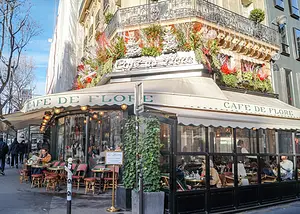
Saint-Germain-des-Prés, located on the south bank of the Seine, is one of the most artistic and literary districts of Paris. It is famous for its historic cafes and bookstores frequented by philosophers, writers, and artists. The area features the Church of Saint-Germain-des-Prés, iconic cafes, and boutique shops, making it a leisurely walking destination, just 20–30 minutes from the Louvre.
Place de la Concorde, located at the western end of the Tuileries Garden, is one of the largest squares in Paris. It is famous for the central Luxor Obelisk and fountains. The square has a rich history, once being a focal point during the French Revolution, and now connects the Champs-Élysées and Rue Royale, forming a classic extension of a walking path from the Louvre and Tuileries Garden.
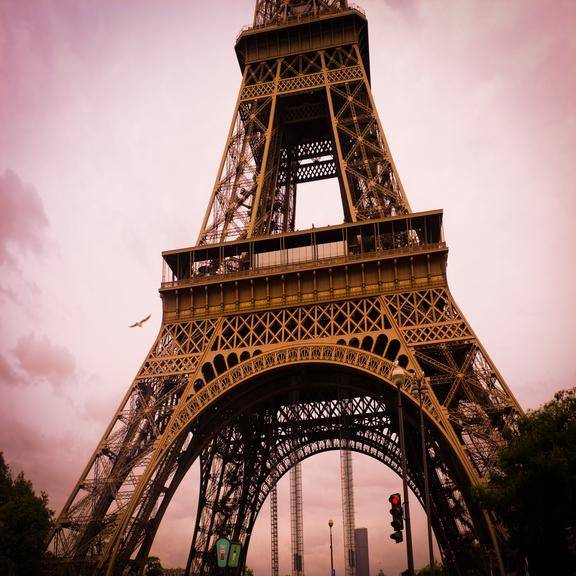
The Eiffel Tower, located at the Champ de Mars by the Seine, is Paris's most iconic structure and a world-famous observation tower. The tower has multiple observation platforms offering panoramic views of the city, and it becomes illuminated in dazzling lights at night. Visitors can walk or take a boat from Place de la Concorde or along the Seine to tie a visit to the Louvre with this iconic landmark.
Notre-Dame Cathedral, located on Île de la Cité in the Seine, is a masterpiece of French Gothic architecture and a significant religious and cultural symbol of Paris. Despite being damaged by fire, it remains one of the city's most essential attractions. Visits can include leisure strolls around Île de la Cité, appreciating the cathedral's exterior and riverside views, often paired with the Louvre and Seine for a classic cultural route.