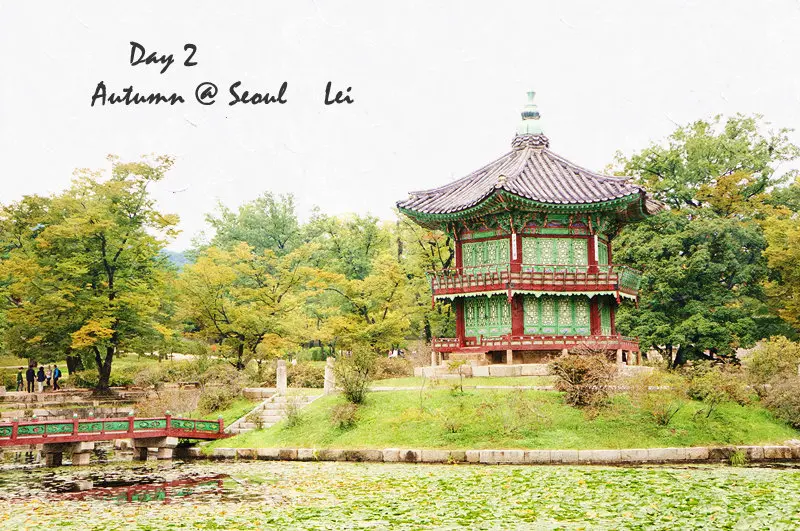
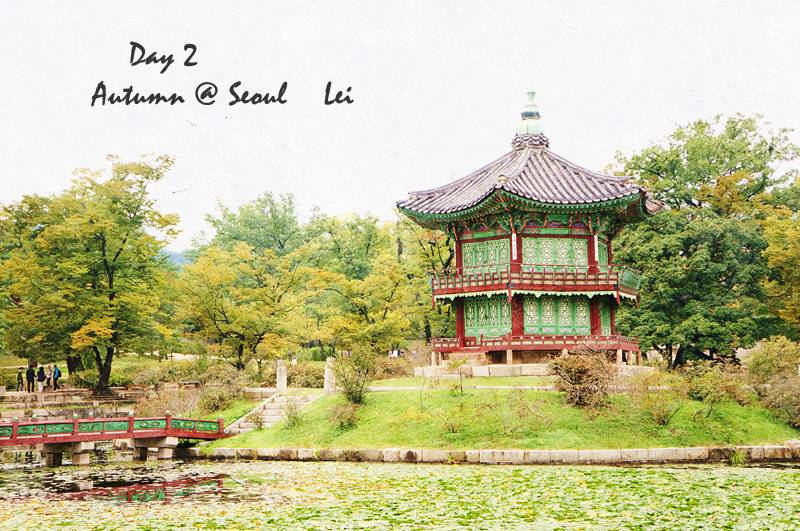
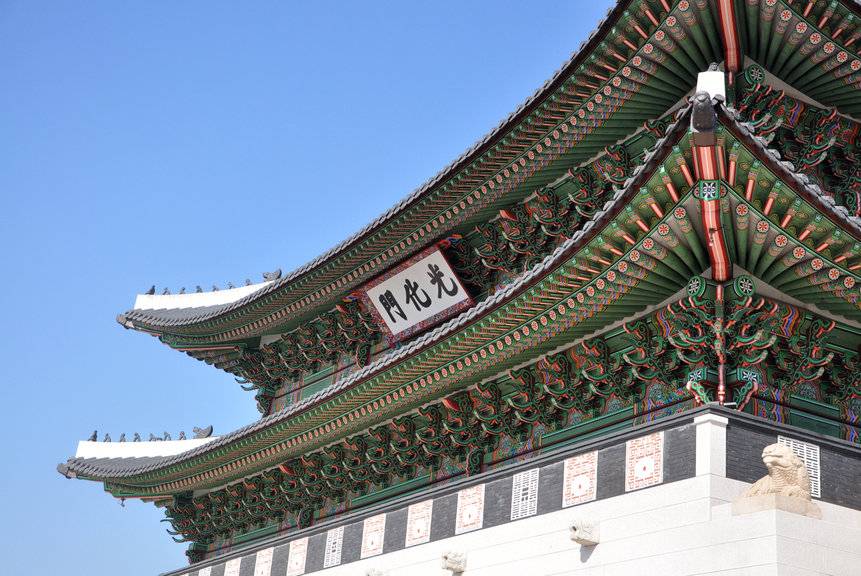
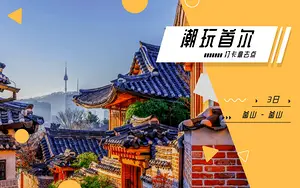
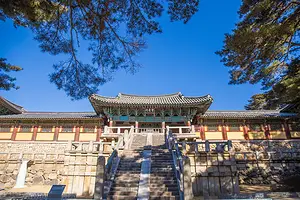
Gyeongbokgung is the largest palace of the Joseon Dynasty, with an architectural style that is full of Korean characteristics. Here you can feel the majesty and splendor of the ancient Joseon Dynasty, and admire traditional palace architecture and beautiful garden landscapes. There are also regular traditional ceremonies performed inside the palace, such as the changing of the guard ceremony, vividly showcasing ancient court rituals.
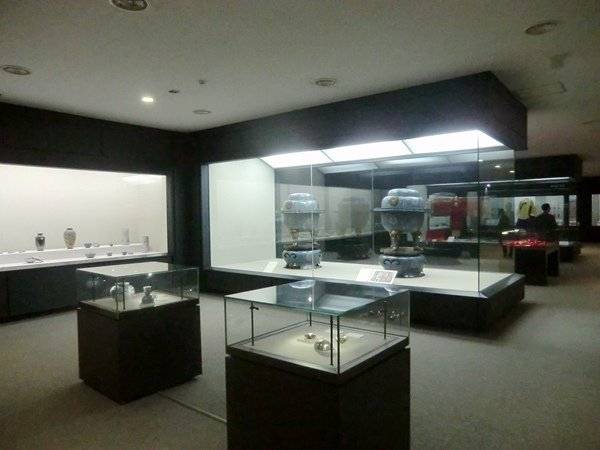
The National Palace Museum of Korea is located to the east of Gyeongbokgung Palace. The museum houses numerous artifacts from the Joseon Dynasty, including royal clothing, daily items, paintings, calligraphy, ceramics, and more. Through these exhibits, visitors can gain a deeper understanding of the history and cultural context of the Joseon Dynasty.
Gwanghwamun Square is located in front of Gwanghwamun and is one of the major landmarks of Seoul. The square features statues of Admiral Yi Sun-sin and King Sejong the Great. It is not only a great place for citizens to relax but also a venue for large-scale events in Seoul. Here, you can feel the vibrancy of modern Seoul.
Samcheong-dong is a street full of artistic vibes and is not far from Gwanghwamun. It retains many traditional hanok (Korean houses) along with various unique cafes, restaurants, and craft shops. Strolling through the area, you can experience the atmosphere of traditional Korean life while enjoying a relaxing and leisurely time, feeling the perfect blend of tradition and modernity.