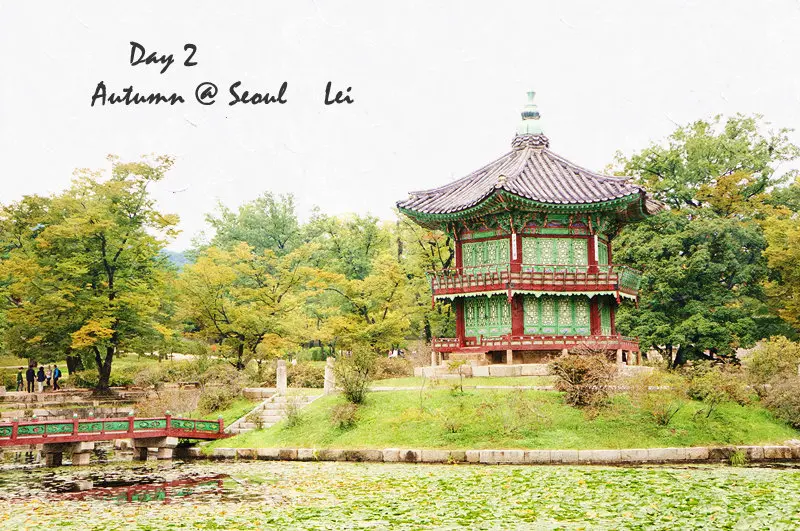
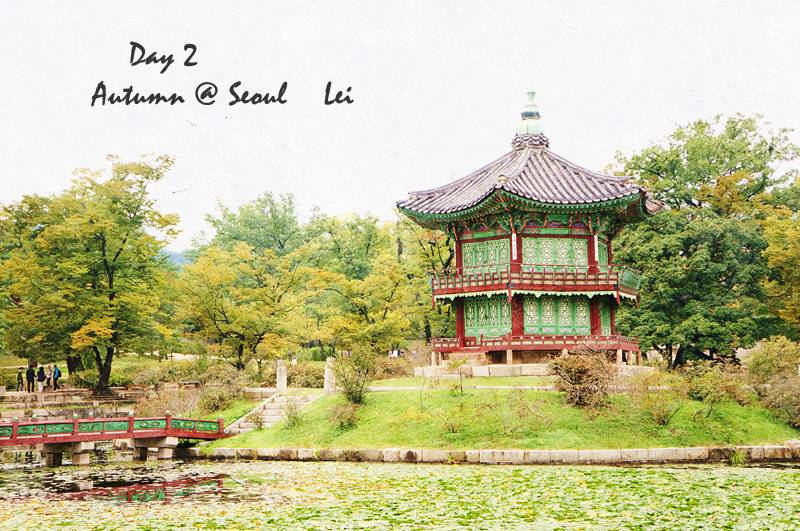
Gyeongbokgung Palace is a palace from the Joseon Dynasty period, and its architecture is highly distinctive. Visitors can enjoy traditional changing of the guard ceremonies, and the nearby Gwanghwamun Square is also a great place to experience the cultural atmosphere of Korea.
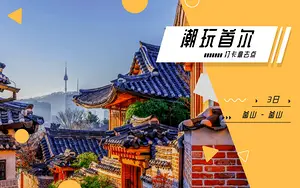
Ikseon-dong Hanok Village preserves many traditional hanoks, some of which have been converted into cafes, restaurants, and specialty shops. Strolling through the area allows one to experience traditional Korean life.
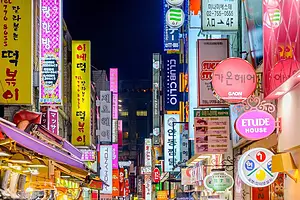
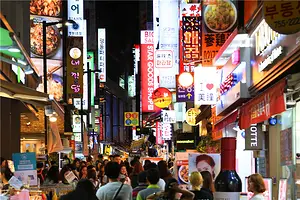
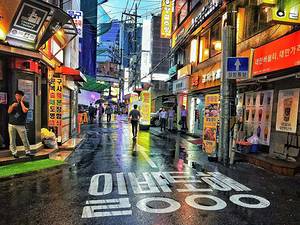
Myeongdong is a shopper's paradise, filled with various brand cosmetics, trendy fashion, and numerous street foods, making it an ideal place for shopping and tasting delicious food.
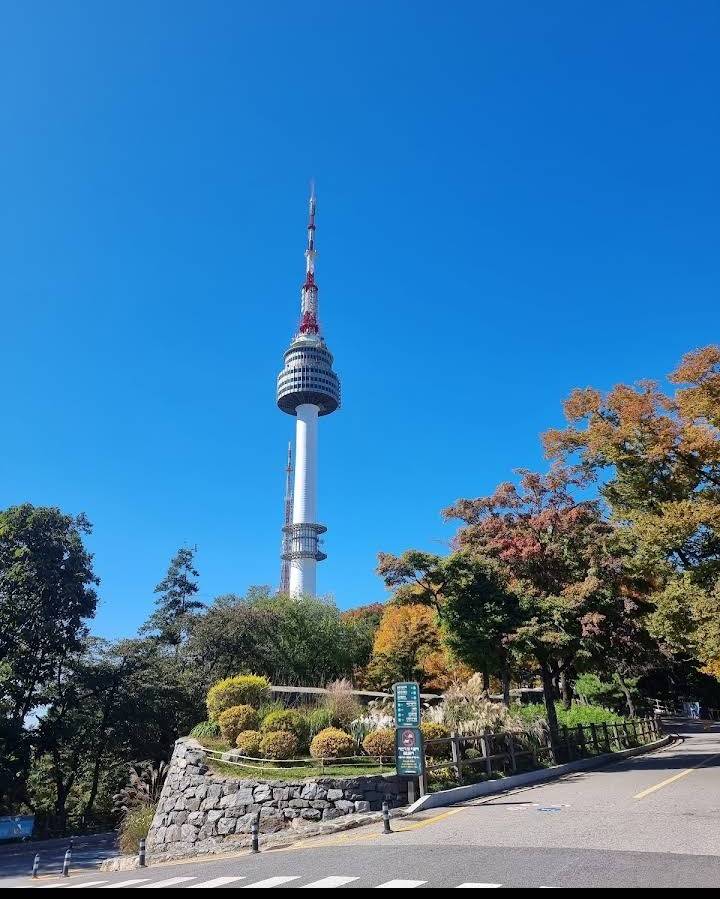
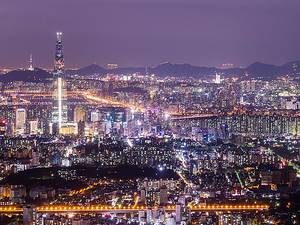
Seoul Tower is located at the top of Namsan Mountain, offering panoramic views of Seoul. The city night view is particularly charming, and couples like to hang locks at the love lock wall below the tower as a memento.
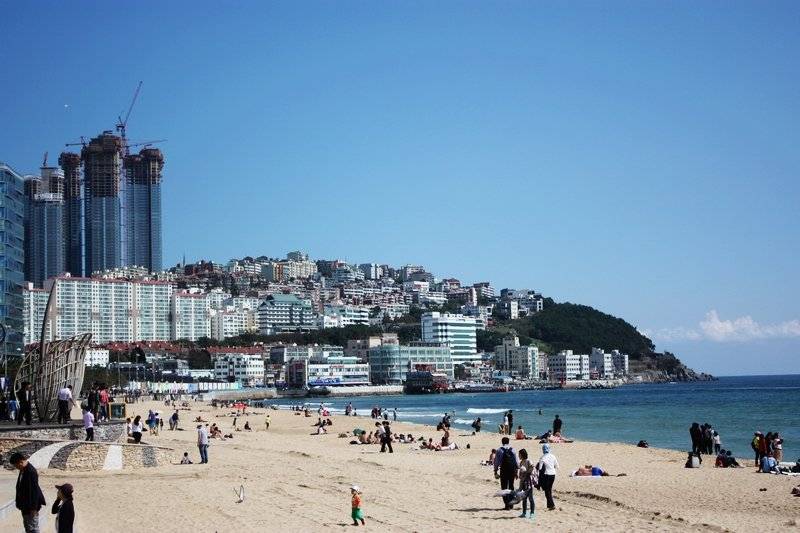
Haeundae Beach is one of Korea's most famous beaches, with fine sand and clear waters. In summer, it attracts many tourists who enjoy the sunshine, beach, and various water activities. There are also many seafood restaurants nearby.
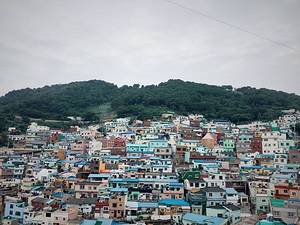
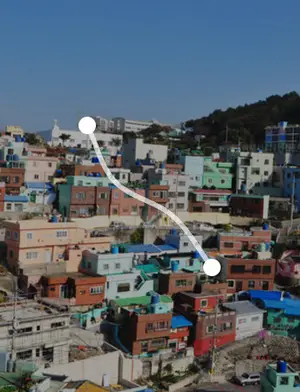
Gamcheon Culture Village was once a poor hillside village and has been transformed by artists into a colorful fairy-tale town full of artistic vibes, making it a popular spot for taking photos.
Seongsan Ilchulbong is one of Jeju Island's most iconic attractions, formed by volcanic eruptions. Climbing to the top offers stunning ocean views and crater landscapes, especially beautiful at sunrise.
Udo Island maintains a good natural ecosystem, with green grasslands and clear waters. Visitors can rent bicycles and cycle around the island while enjoying the scenic views and tasting the signature peanut ice cream.
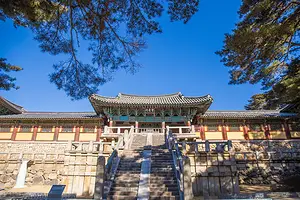
Bulguksa Temple is one of Korea's most exquisite Buddhist temples, featuring many ancient and precious Buddhist buildings and artifacts. It is listed as a UNESCO World Heritage Site.
The Gyeongju Historic Areas include several historical sites and museums such as Cheomseongdae Observatory and the National Museum of Gyeongju, offering in-depth insights into Silla-era history and culture. Cheomseongdae is the oldest surviving observatory in the East.
Suwon Hwaseong Fortress is one of Korea's most representative UNESCO World Heritage Sites. Visitors can explore historical ruins, admire panoramic views, enjoy dreamy nightscapes, and participate in cultural activities.
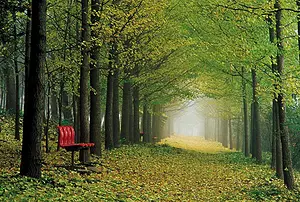
Naejangsan National Park is the perfect place to admire autumn foliage in Korea, featuring rich wildlife resources including black-golden-throated weasels and wild boars. The park also has 11 ancient temples, with Baegyangsa Temple being the most famous.