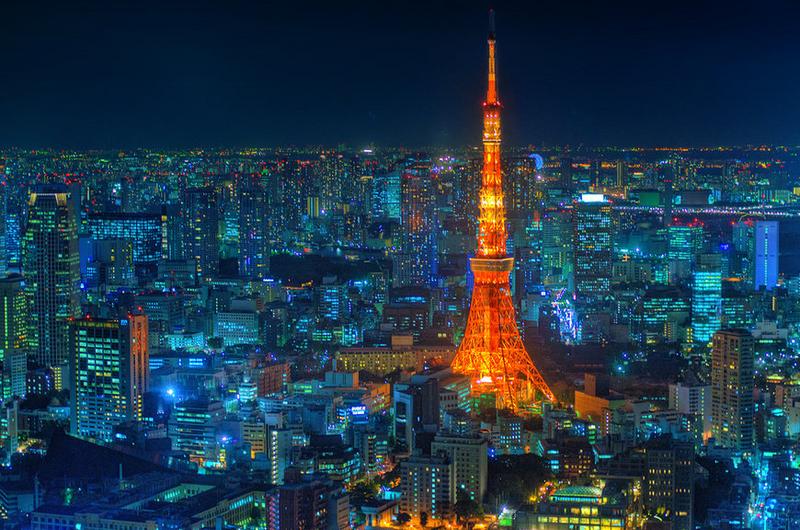
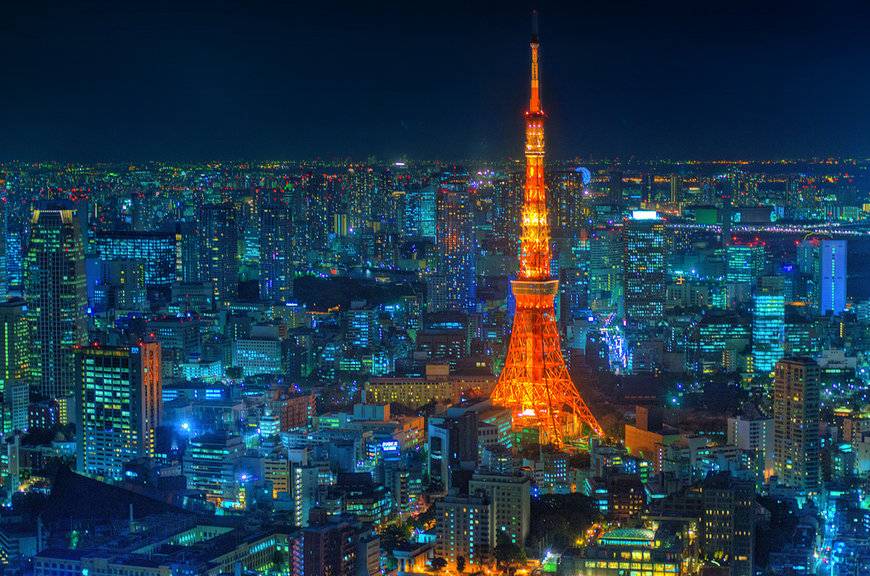
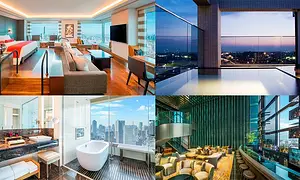
Tokyo's landmark building, 333 meters high. The observation deck provides panoramic views of Tokyo, and there are attractions like aquariums and wax museums nearby.
The tallest building in Japan, reaching 634 meters. In addition to the observation deck, there are shopping centers, restaurants, and other facilities nearby, symbolizing Tokyo's modernization.
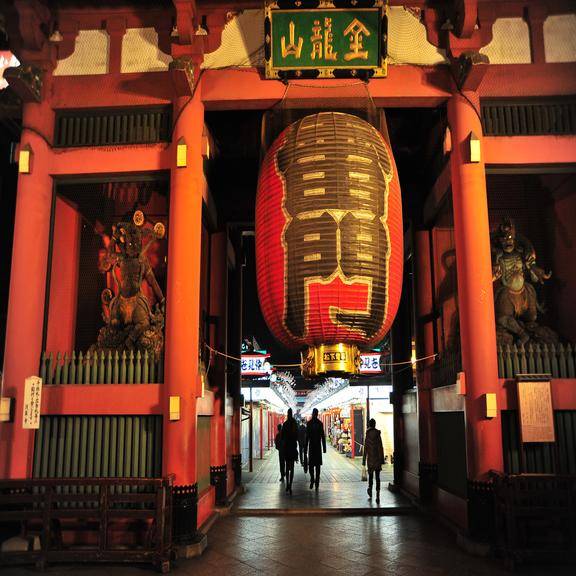
The oldest temple in Tokyo, with Nakamise shopping street in front selling various traditional souvenirs and snacks, making it an ideal place to experience Tokyo's traditional culture.
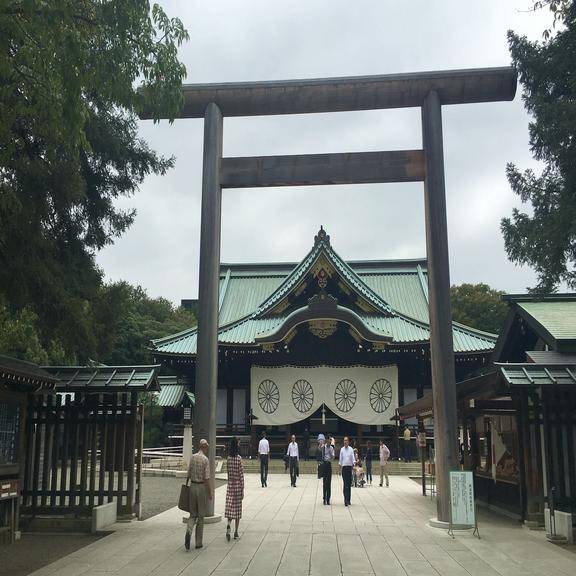
Dedicated to Emperor Meiji and Empress Shoken, surrounded by vast forests, it is a peaceful oasis in central Tokyo suitable for quiet worship and strolls.
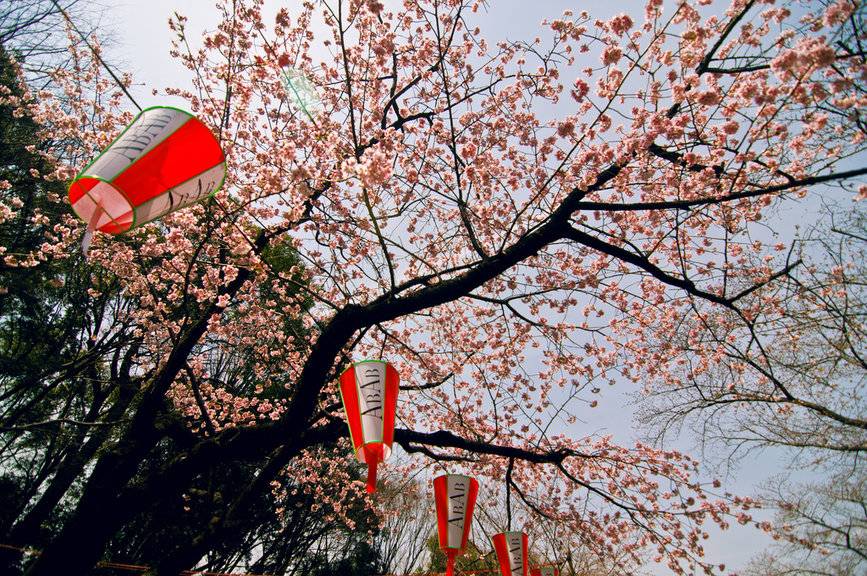
Home to the Tokyo National Museum, National Museum of Western Art, and several other museums, along with a zoo and shrines. It has a culturally rich atmosphere and is one of Tokyo's cultural hubs.
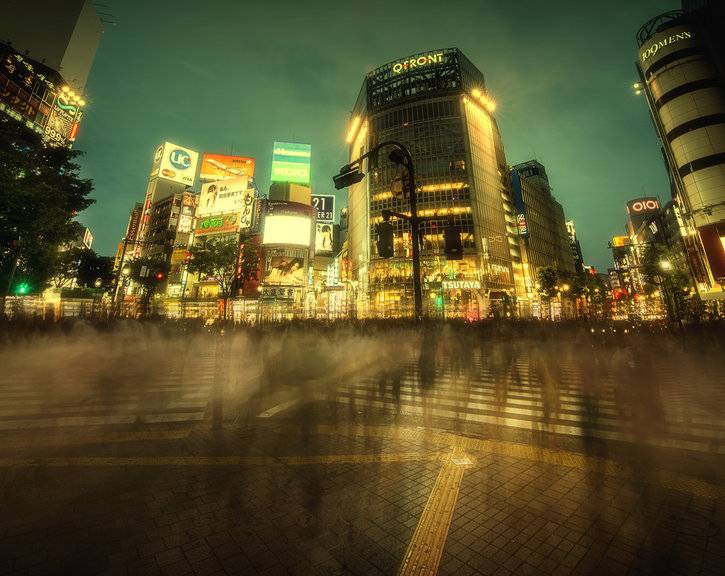
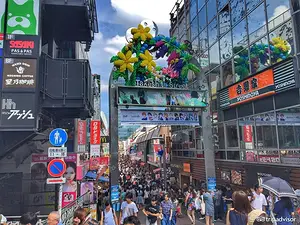
A fashion hub for the young generation, Shibuya Center Street is a popular shopping and entertainment street. It also features the famous Shibuya Crossing, dubbed 'the busiest intersection in the world.'
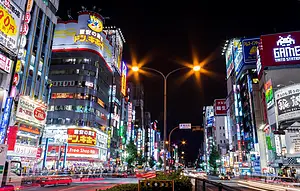
A bustling commercial area, Kabukicho is Japan's renowned entertainment district. Shinjuku also boasts numerous department stores, electronics stores, and food streets, making it an ideal destination for shopping and entertainment.
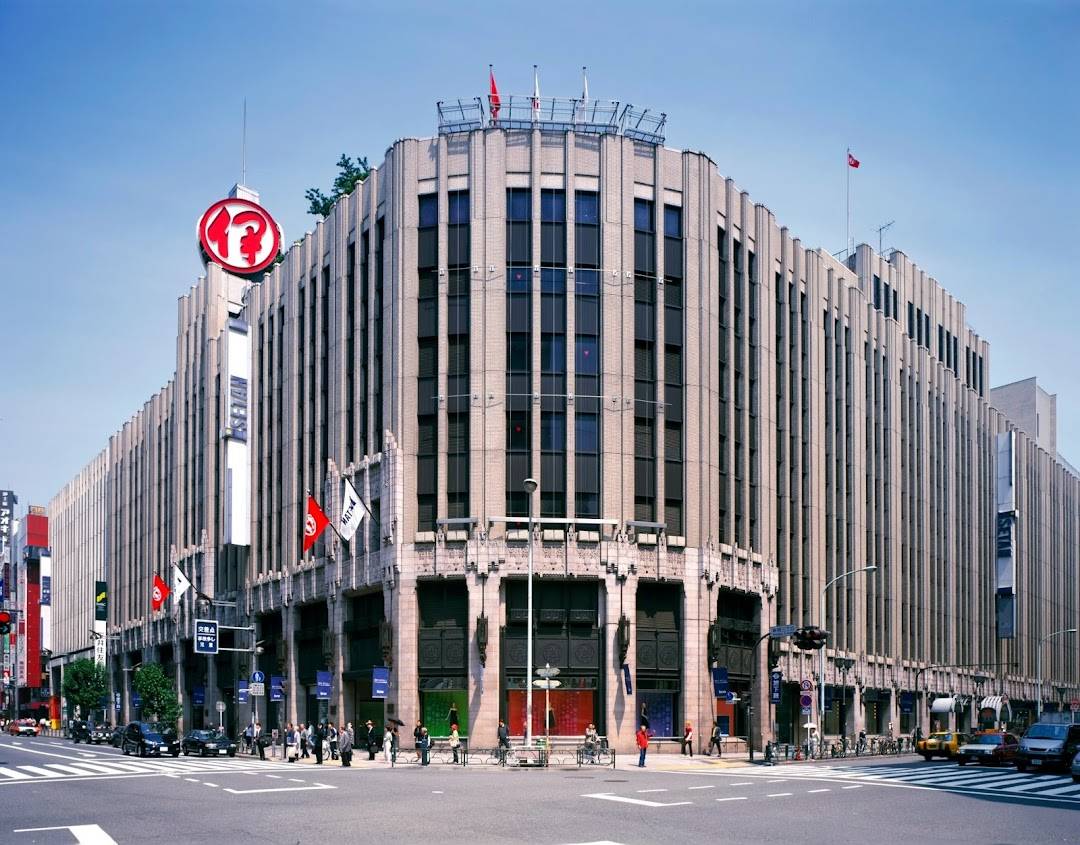
Tokyo's most famous upscale commercial district, featuring numerous international luxury brands and high-end Japanese brands, making it a paradise for shopping enthusiasts.
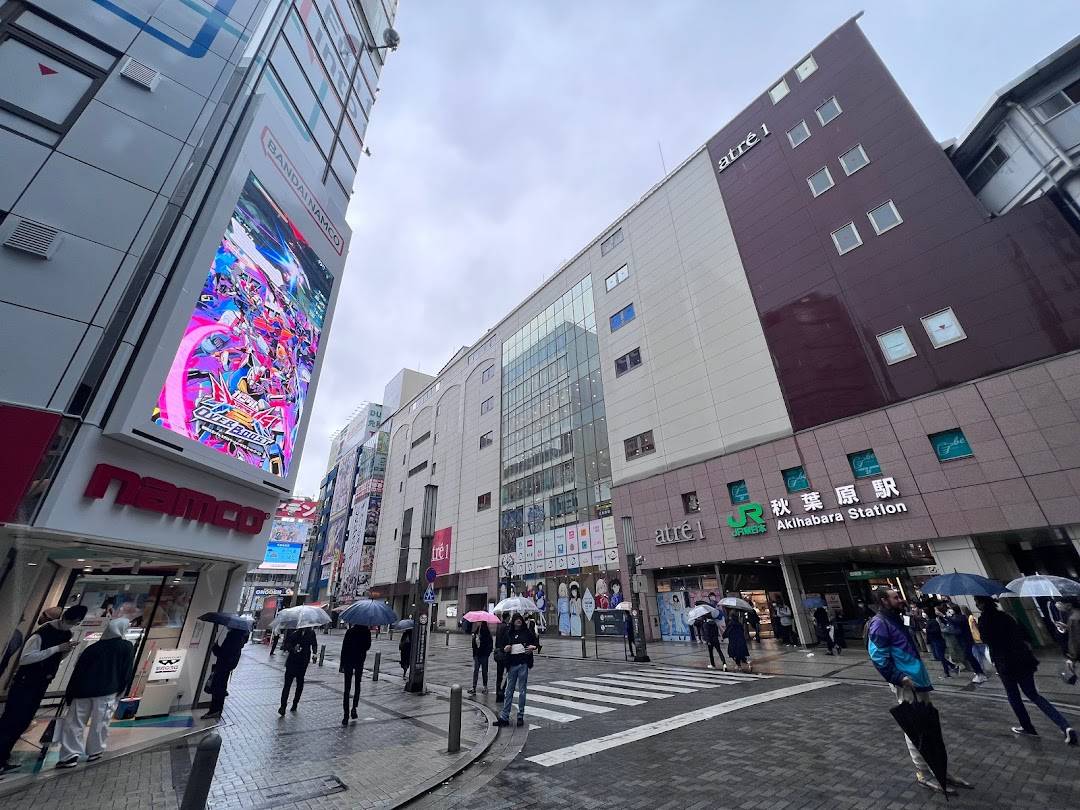
Known for electronic products and anime culture, this district has numerous anime stores, maid cafés, electronics shops, and is a haven for anime fans and tech enthusiasts.
An artificial beach offering views of the Rainbow Bridge and a replica of the Statue of Liberty. Its illuminated night views make it a great spot for relaxation and sightseeing.
Part of Shibuya's redevelopment project, this glass-structured multifunctional complex sits beside the Shibuya River, surrounded by terraces, bars, and restaurants, ideal for leisure and entertainment.
Showcasing 17,000 Japanese handicrafts, the building resembles a farmhouse and was designed by the founder of the folk craft movement. It is an excellent place to learn about traditional Japanese craftsmanship.